

Elon Musk’s latest unveiling of Tesla’s autonomous “Cybercab” robotaxi has drawn mixed reactions, as reported by Bloomberg and Reuters.
The prototype, introduced in Los Angeles on Thursday, promises a starting price of less than US$30,000 (RM129,000), with production potentially beginning by 2026.
Musk also presented a “Robovan” concept capable of transporting up to 20 people.
However, the event lacked critical technical details on the advancement of Tesla’s Full Self-Driving (FSD) system, a disappointment to many investors and industry experts.
Musk’s optimistic timelines have been questioned, with some analysts pointing out that Tesla’s autonomous driving software lags behind competitors like Waymo and Cruise.
Critics such as New York’s Cardozo School of Law professor Matthew Wansley highlighted the lack of viable software to support Tesla’s vision-only approach, which omits radar and lidar technology.
This approach, some argue, hinders the safety and reliability of Tesla’s autonomous systems. Additionally, Musk did not address regulatory hurdles that could further delay the mass rollout of robotaxis.
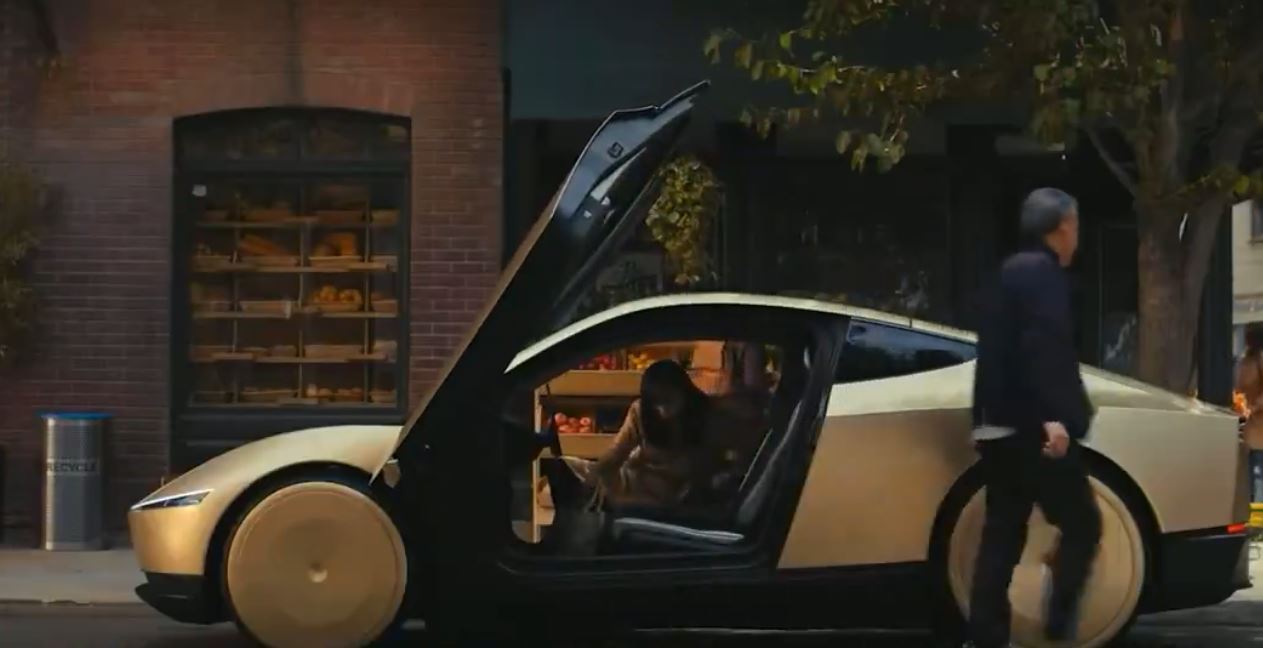
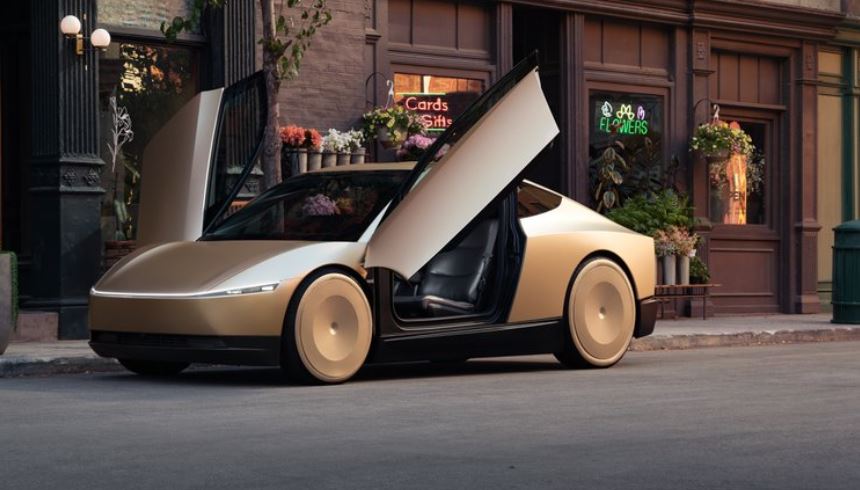
The two-door Cybercab does not have a steering wheel or pedals. Neither does it have a charging port; Musk said it would be charged wirelessly.
Tesla’s stock closed 9% lower to US$217.80 the next day, reflecting investor concerns about the lack of concrete business plans.
While the prototypes showcased futuristic design, experts like Ross Gerber of Gerber Kawasaki Wealth Management emphasised the need for Tesla to focus on selling affordable electric vehicles in the short term to maintain market competitiveness.
Regulatory challenges and the unproven viability of Tesla’s fully autonomous fleet remain key obstacles, leading experts to project that a commercial robotaxi service is still several years away.
Despite such misgivings, Tesla investors remain cautiously optimistic about the long-term potential of the Cybercab and other autonomous offerings.