






Automatic Emergency Braking (AEB) systems today are vastly improved compared to older versions, a study by American Automobile Association (AAA) reveals.
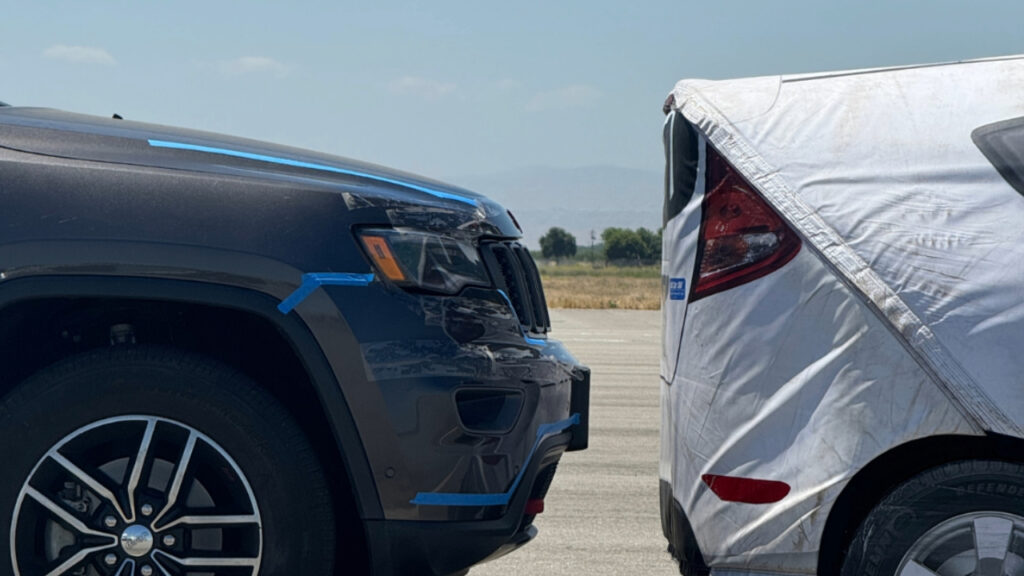
The research, conducted in collaboration with the Automobile Club of Southern California’s Automotive Research Center, tested both 2024 and 2017-2018 vehicles at speeds up to 56kph in a controlled environment to evaluate AEB’s effectiveness.
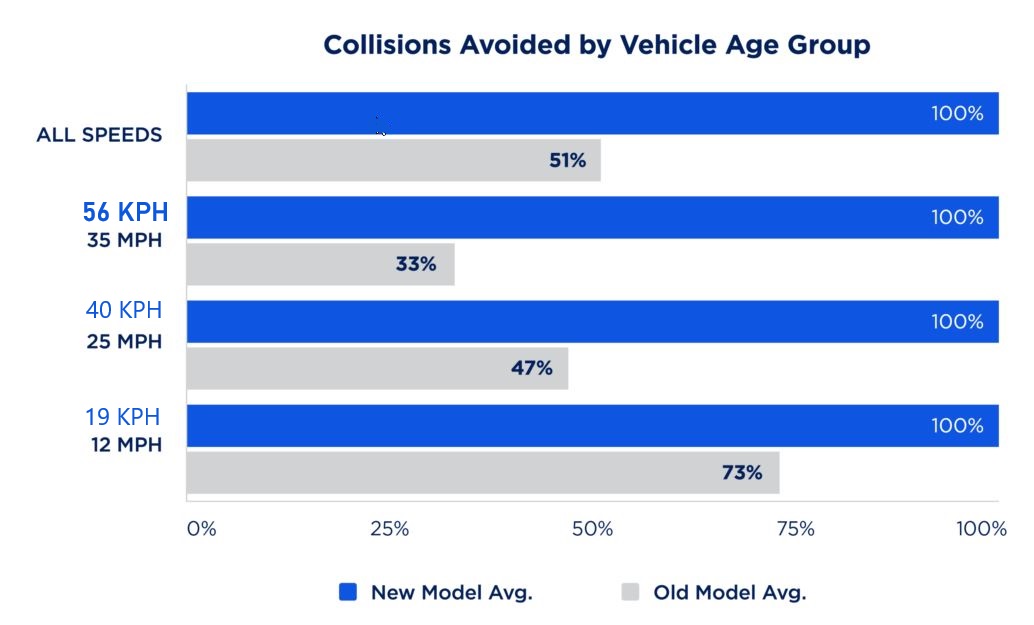
While the older models managed to avoid forward collisions 51% of the time, the 2024 models avoided collisions in 100% of cases, a significant improvement attributed to enhanced software and sensor technology.
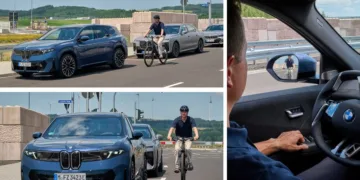
AEB technology, which uses forward-facing cameras and sensors to automatically engage brakes when a potential collision is detected, is now more advanced and is being included in most new vehicles.
This development aligns with updated US federal guidelines; the National Highway Traffic Safety Administration (NHTSA) mandated in early 2024 that all manufacturers must install AEB in new vehicles by 2029.
According to AAA’s director of automotive engineering research, Greg Brannon, automakers’ progress with AEB over the past decade shows promise for increasing driver safety. However, Brannon noted that the systems still need to improve to handle higher-speed scenarios effectively.
In addition to testing standard low-speed scenarios, AAA assessed AEB performance at speeds beyond the typical range.
Three out of four vehicles with AEB managed to avoid a collision at 72kph, but none could avoid one at 88kph, indicating the system’s limitations at higher speeds.
Data from the Federal Highway Administration shows that most US driving miles occur above 56kph, emphasizing the need for continued advancements in AEB technology to make high-speed travel safer.
AAA advises drivers to consider AEB as an additional safety measure, not a substitute for attentive driving.
The organisation encourages drivers to remain engaged, avoid risky behaviors like texting or speeding, and refrain from driving under the influence, as these practices increase the likelihood of collisions, even with advanced safety features.
AAA’s ongoing evaluations of driver assistance systems are expected to continue as manufacturers work to meet regulatory requirements and improve AEB’s capabilities at all speeds.