









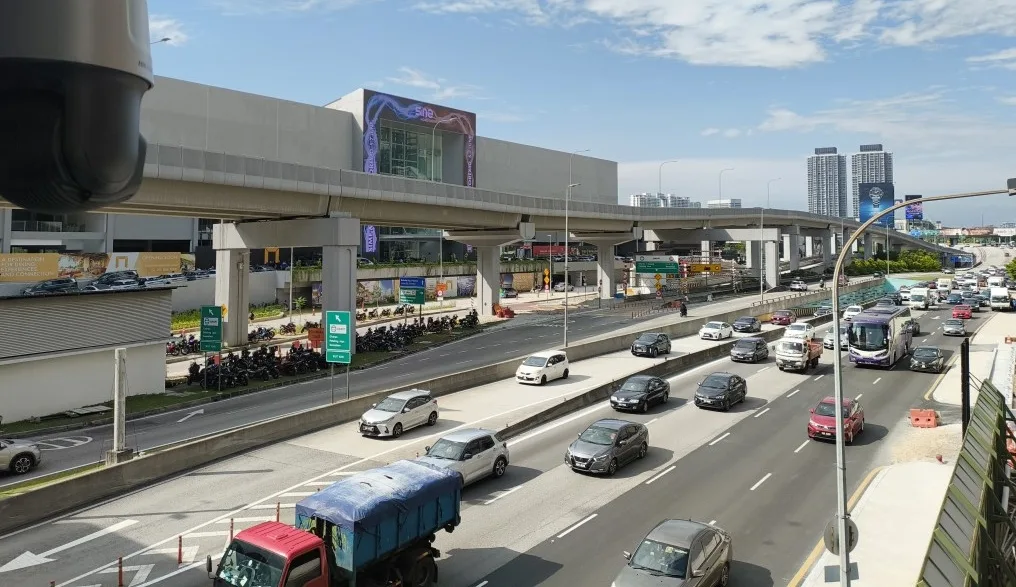
Road enforcement in Malaysia is about to move from roadside checks to number plates scanned in real time.
The Road Transport Department has finished the tendering and system-integration work needed to roll the Automatic Number Plate Recognition (ANPR) technology out, and patrol vehicles are expected to start carrying it within months.
Once installed, a camera mounted on an enforcement vehicle will be able to read the plates of nearby cars and cross-check them against the road tax and insurance database on the spot, without needing to flag the driver down first.
For drivers, it could mean fewer roadblocks and shorter waits, as checks move from the roadside to cameras mounted on enforcement vehicles.
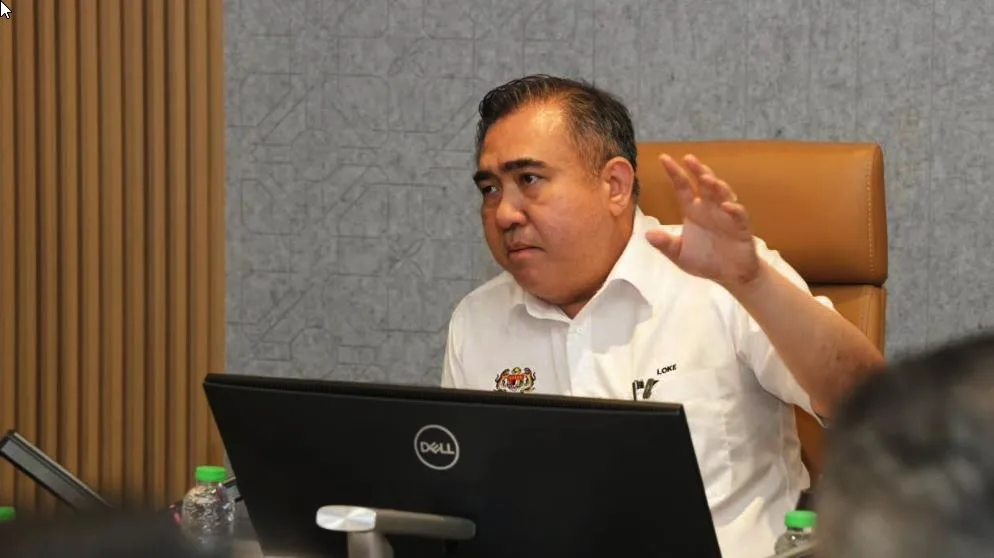
The move is one piece of a much larger package: amendments to the Road Transport Act 1987 that Transport Minister Anthony Loke plans to table for first reading on June 22, with debate expected the following day.
Loke has called this round more comprehensive than any since 2020, when the last set of changes focused narrowly on drink-driving penalties. The new package spans 11 areas and 42 separate provisions.
The RM300 compound ceiling is where this gets personal for motorists. Loke’s argument is that the current cap has lost its bite. For some drivers, the fine can be cheaper than renewing road tax and insurance, so they simply take the risk.
The fix isn’t a blanket hike across every offence. Higher compounds are reserved for violations classed as serious or habitually repeated: driving without valid road tax or a licence, speeding or dangerous driving, ignoring traffic signals or an officer’s directions, and skipping required vehicle inspections.
Even so, nobody will feel this immediately. Loke has floated a minimum two-year runway before the new compound rates actually take effect, meant to give motorists, and the system that processes their summonses, time to adjust.
The amendments go beyond the fine schedule. New provisions take direct aim at illegal street racing, including those who help racers dodge enforcement operations mid-run.
Separately, the bill also criminalises so-called “tonto” activity, lookouts who tip off offenders, historically more associated with helping lorry drivers slip past JPJ checks, treating it as its own offence rather than folding it into the racing provisions specifically.
There’s also a clearer rulebook coming for micromobility vehicles such as e-scooters and e-bikes, alongside tougher penalties for false declarations, forged paperwork and cloned number plates.
Minor accident reports will be able to move online too, cutting down the need to queue at a police station for cases that don’t involve injuries or other parties.
Cross-border enforcement tightens on both sides: foreign vehicles entering Malaysia will need a valid permit and a clean summons record, while Malaysian vehicles with outstanding summonses could be barred from leaving the country until they’re settled.
A further amendment, expected later this year, will address compensation for victims of crashes caused by drunk driving, drug-impaired driving or reckless driving.