





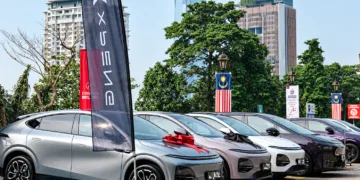
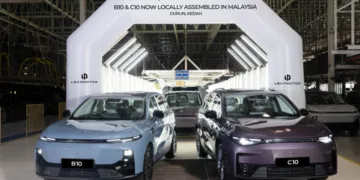



Southeast Asia is turning into one of the more interesting EV battlegrounds, and not only because more models are arriving.
The International Energy Agency (IEA) said electric car sales in the region more than doubled in 2025, reaching a market share of nearly 20%. Vietnam, Indonesia and Thailand led the growth, helped by government incentives, falling prices and a stronger supply of affordable electric cars.
The IEA said policy support and price dynamics could lift Southeast Asia’s electric car sales share by up to three times by 2035. That would make the region far more central to the global EV story than it was only a few years ago.
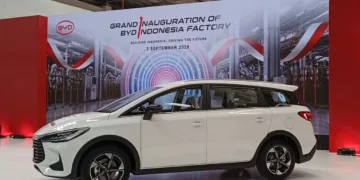
Chinese-made EVs have brought cheaper battery-electric models into emerging markets, while Thailand has already seen electric car prices broadly match petrol and diesel cars over the past two years. Indonesia is moving in the same direction, although the IEA said EVs there still carried an average price premium of around 40% in 2025, down from more than 50% in 2024.

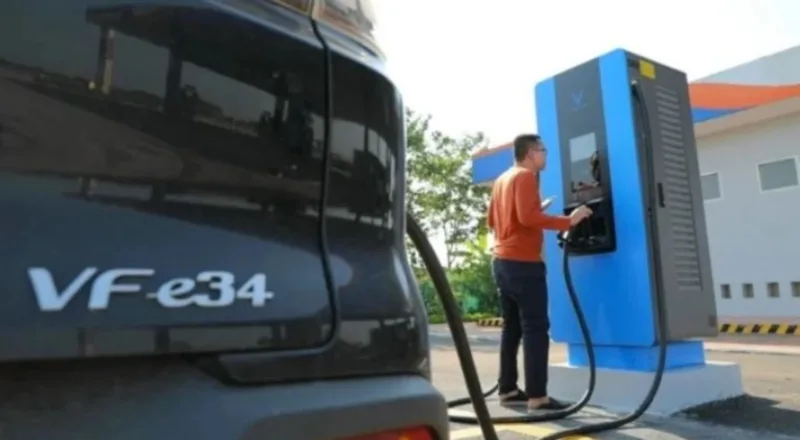
Vietnam stands out because it has a major domestic EV maker selling electric cars at prices close to internal-combustion models. The IEA said Vietnam could reach an EV sales share of more than 80% by 2035, the highest projected share in Southeast Asia.
China remains the centre of gravity. EVs accounted for nearly 55% of car sales there in 2025, and the IEA expects that share to approach 60% in 2026. By 2035, electric cars could exceed 90% of China’s car market. One reason is this fact: 70% of battery-electric cars sold in China in 2025 were already cheaper than the average conventional car.
China also dominates supply. The IEA said Chinese automakers supplied 60% of global electric car sales in 2025, while Chinese brands took more than half of Southeast Asia’s electric car market. Another one-third came from a Vietnamese manufacturer.
Elsewhere, Europe remains policy-driven. Electric cars reached 28% of European car sales in 2025 after sales grew by more than 30%, helped by tougher European Union carbon dioxide rules. The United States was softer, with EVs holding just under 10% of car sales and demand hit late in the year by the end of federal tax credits.
Globally, electric car sales grew 20% in 2025 to more than 20 million units, or one in four new cars sold. The IEA expects sales to rise to 23 million in 2026, taking EVs to 28% of the world car market.
For Southeast Asia, the next phase now comes down to price, charging, local assembly rules and whether governments keep the incentives steady enough for buyers to trust the shift.