








Oil shocks do not show up only at petrol stations. They surface first in shipping lanes, subsidy bills, freight costs and the uneasy sense that other household expenses may soon rise. Malaysia is already feeling that strain, with the Israeli-US war on Iran barely a month old.
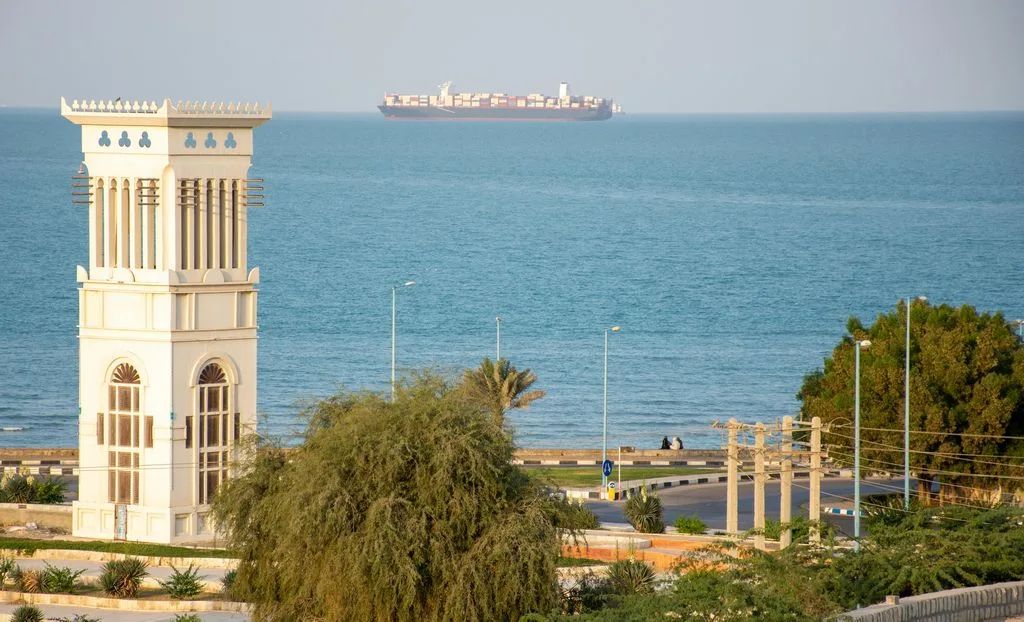
The conflict that began on Feb 28 has brought tanker traffic through the Strait of Hormuz, the route for roughly a fifth of the world’s oil and LNG flows, close to a standstill.
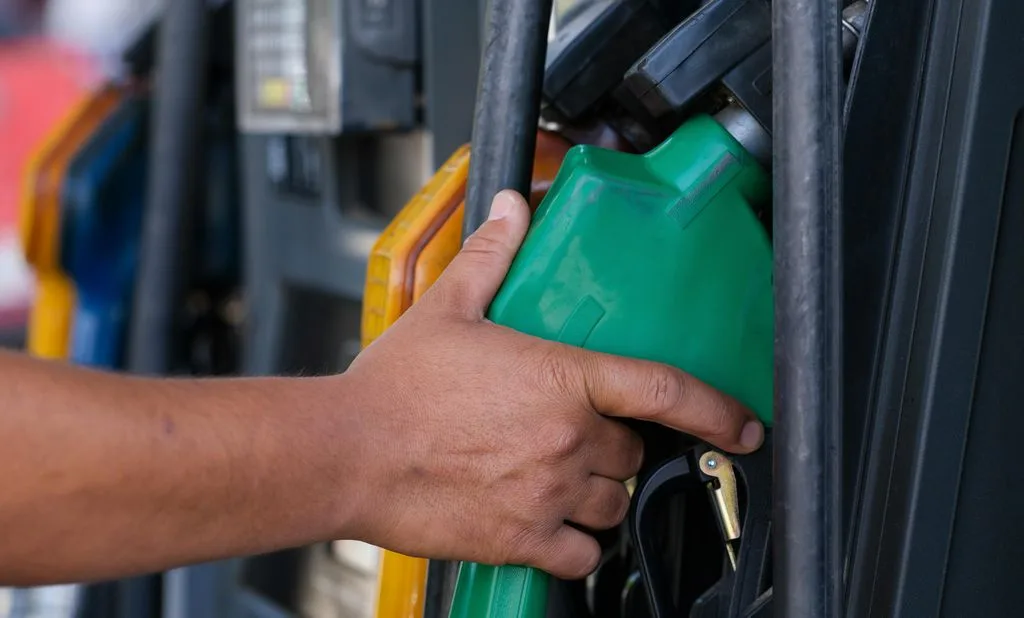
Putrajaya is already trying to contain the pressure. Prime Minister Datuk Seri Anwar Ibrahim said the individual BUDI95 quota will be cut temporarily to 200 litres a month from 300 litres from April 1, while subsidised RON95 petrol stays at RM1.99 per litre.
He also said average monthly use is about 100 litres and nearly 90 per cent of users consume less than 200 litres, shielding most drivers while trimming the subsidy bill.
For now, supply is covered until May, Petronas is working to secure more beyond that, and Iran has cleared seven Malaysian-owned tankers through Hormuz following talks between regional leaders.

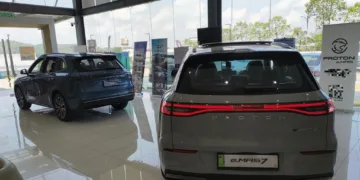
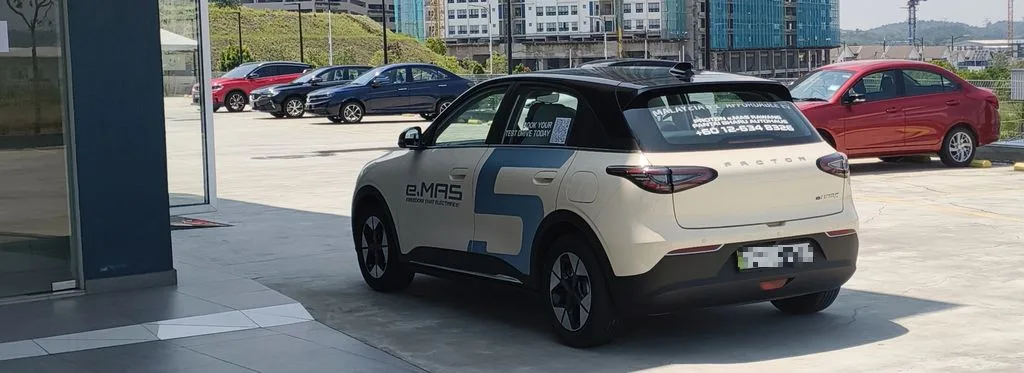
The obvious question is whether this energy‑cost and energy‑security crisis will finally push Malaysians into hybrids or EVs. That is probably the wrong place to start. Before buyers switch drivetrains, many may simply stop buying.
RON97 petrol sales had already fallen by up to 50 per cent as motorists shifted to cheaper RON95. People are already cutting costs, but through fuel grade rather than what they drive.
That same logic is playing out further up the supply chain. Hapag-Lloyd is absorbing an extra US$40 million to US$50 million a week in fuel, insurance and storage costs because of the conflict, with those costs expected to be passed on.
The first response to an oil shock is often to delay a major purchase, and that instinct may show up here, too.
Malaysia’s inflation rate was 1.6 per cent in January and 1.4 per cent in February, so the base is still contained.
Malaysian credit rating agency MARC Ratings does not expect the overall inflation hit to spiral, helped by targeted subsidies, though it warned of upward pressure in transport and broader secondary inflation.
At the same time, Malaysian Automotive Association (MAA) is already forecasting 2026 total industry volume at 790,000 units, down 3.8 per cent from 2025, while saying demand should be supported by affordable and fuel-efficient vehicles.
Taken together, that points to a fairly simple outcome: some households may keep the current car longer, buy used instead of new, or use public transport more often where practical.
That last point remains an inference rather than a measured trend from this war, because the crisis is still too fresh for reliable ridership or used-car data tied directly to it.

If the war cools fairly soon, that remains the likelier outcome. Subsidies are still cushioning most drivers, supply is covered for now, and the new BUDI95 cap is still above what most recipients use.
In that scenario, the clearer winners are likely to be cheaper and more efficient cars, along with the used market, rather than battery electric vehicles (BEVs).
Hybrids may get a little more attention from buyers who were already shopping for a new vehicle, but a rush to EVs is not happening yet.
The situation shifts meaningfully if the war drags on for months. Prolonged high oil prices, higher freight bills and rising living costs would make fuel savings more important in the buying decision.
In that case, hybrids stand to gain most, and first. They cut petrol use without asking buyers to install a home charger or rethink long-distance travel habits, which fits what the numbers suggest.
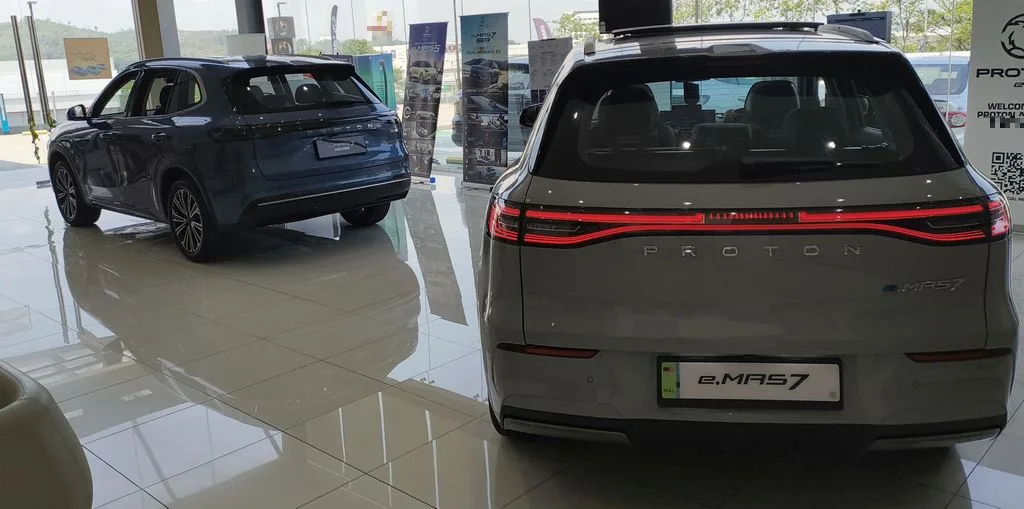
MAA’s 2024 review showed 45,562 xEVs sold, made up of 30,796 hybrids and 14,766 BEVs.
Meanwhile, the Ministry of Investment, Trade and Industry said Malaysia had 5,624 public EV charging points installed nationwide as of Dec 31, 2025, or 56 per cent of the overall target.
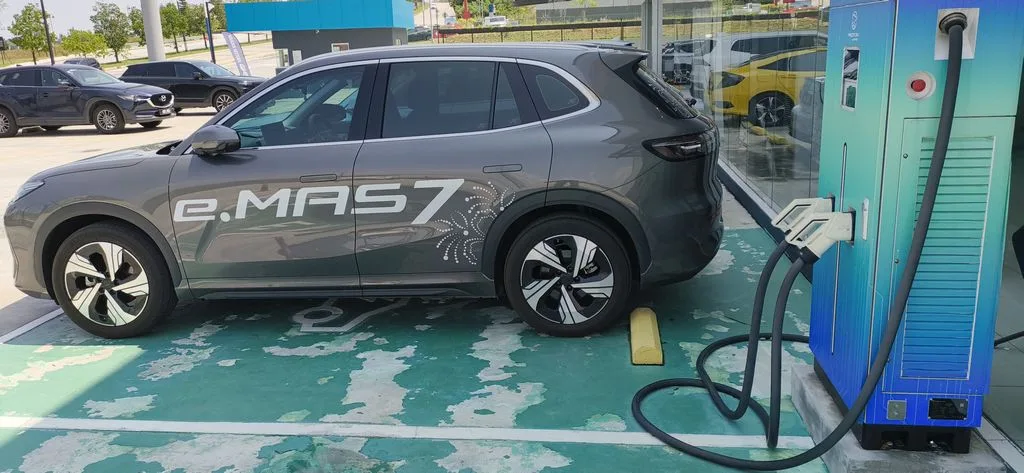
The case for BEVs is improving, especially with DC chargers exceeding their initial target, but for buyers without home charging, a hybrid is still the simpler choice.
If the conflict lasts years rather than months, this stops being a story about pump prices.
At that point, buying a hybrid or BEV starts to look less like a tech choice and more like protection against repeated fuel shocks.
But even a years-long crisis would not produce a clean EV boom. The change would vary sharply by income, location and access to charging.
MARC noted that Malaysia has some cushion as a net hydrocarbon exporter, but it also flagged exposure through transport costs, imported refined fuels and wider supply-chain effects.
So a long war would more likely shrink the overall market first, then slowly change the mix within that smaller pool of buyers. Hybrids would probably widen their lead first, while BEVs gain more selectively in urban, higher-income and home-charging-friendly households.
So the conclusion is not that this war will send Malaysians rushing into electrified cars.
A fuel shock makes people cut back before it makes them trade up. It sends families towards the budget end of the market before it sends them to the EV showroom.
If the crisis drags on, hybrids are the clearest near-term winner. BEVs may benefit too, but later and less evenly.
Right now, more buyers are likely to wait than switch.