









If you’ve been following the whispers in Malaysia’s car scene over the past few months, you probably saw this coming. The Korean automaker finally pulled the trigger today, formalising what industry insiders had been murmuring about since at least October, maybe even earlier if we’re honest.
Kia’s split from Bermaz Auto isn’t exactly a shock. The writing was on the wall when Hyundai Motor Group made a similar move in June, taking back control of the Hyundai brand here and running it via a principal-led setup. Classic case of “if your sibling can do it, so can you”.
The partnership itself was short-lived. Bermaz’s subsidiary Dinamikjaya Motors picked up the Kia franchise in April 2021 after Naza bowed out, and now they’re handing back the keys just over four years later.
The memorandum signed in late November sets out the end of the distributorship and related arrangements, but it does not leave owners in the lurch. Both Kia and Bermaz have committed to a structured handover and to maintaining service, parts and warranty support during the transition period, rather than cutting those responsibilities off overnight.
From New Year’s Day 2026, Kia Sales Malaysia Sdn Bhd takes the wheel. Hyung Ho Kim gets the president and CEO title. Emily Lek, whose appointment had been an open secret for weeks, steps in as managing director. She was vice president of Omoda | Jaecoo before she exited for Kia.
So new company, new bosses, fresh set of expectations.
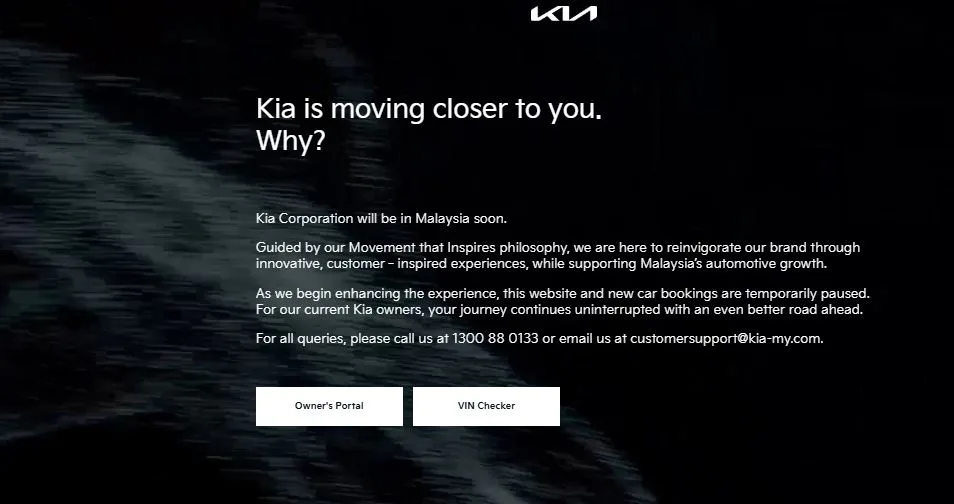
The sales pitch is simple enough. Kia says direct control will make it sharper and more competitive in Malaysia. Without a middleman, it claims it can move faster, strengthen dealer networks, push more into customer service and roll out new models with fewer delays. There is also a brand refresh in the works, built around a simple question: “Why a Kia?” or, in local flavour, “Kenapa Pilih Kia?”
For current Kia owners, the message is: don’t panic. If you booked a car before the end of November, you’ll still get it. Servicing and parts will continue under agreed transition timelines while the new structure kicks in. The only real pause is for new buyers. December is effectively a holding month for fresh orders, with new bookings to reopen in January once Kia Sales Malaysia is live.
Over at Bermaz Auto, which still holds Mazda and XPeng, the tone is calm. The group has said it does not expect the loss of Kia to have a material impact on its current financial year. Its shares even ticked up to 56.5 sen before the announcement, valuing the company at around RM666 million. Either the market saw this coming and priced it in, or Bermaz is very good at projecting steady hands.
Meanwhile, Hyundai Motor Group is busy playing on another front. Just days before Kia’s announcement, the group signed its third collaboration deal with Michelin, a three-year programme to develop ultra-efficient tyres for premium electric and future autonomous vehicles.
The two companies have been working together since 2017, and earlier phases have already fed into models like the Hyundai Ioniq 5. This new chapter focuses on tyres with lower rolling resistance, stronger braking performance and digital twin capability. In plain English: smarter rubber for smarter EVs, tech that will eventually filter into Kia products as well.

So was this breakup necessary? Probably. Does it guarantee success? Absolutely not. Going principal-led gives Kia more flexibility and control, but it also puts all the operational risk on its own shoulders. The Malaysian market is crowded and unforgiving, and a new letterhead alone does not win trust.
Still, Kia has been relatively transparent about the changeover, it is honouring existing commitments and it has given owners a clear timeline. That counts for something.
Come January, we’ll find out whether going solo is a masterstroke or just an expensive experiment. What’s clear is that the secret is out and the next move is entirely Kia’s.