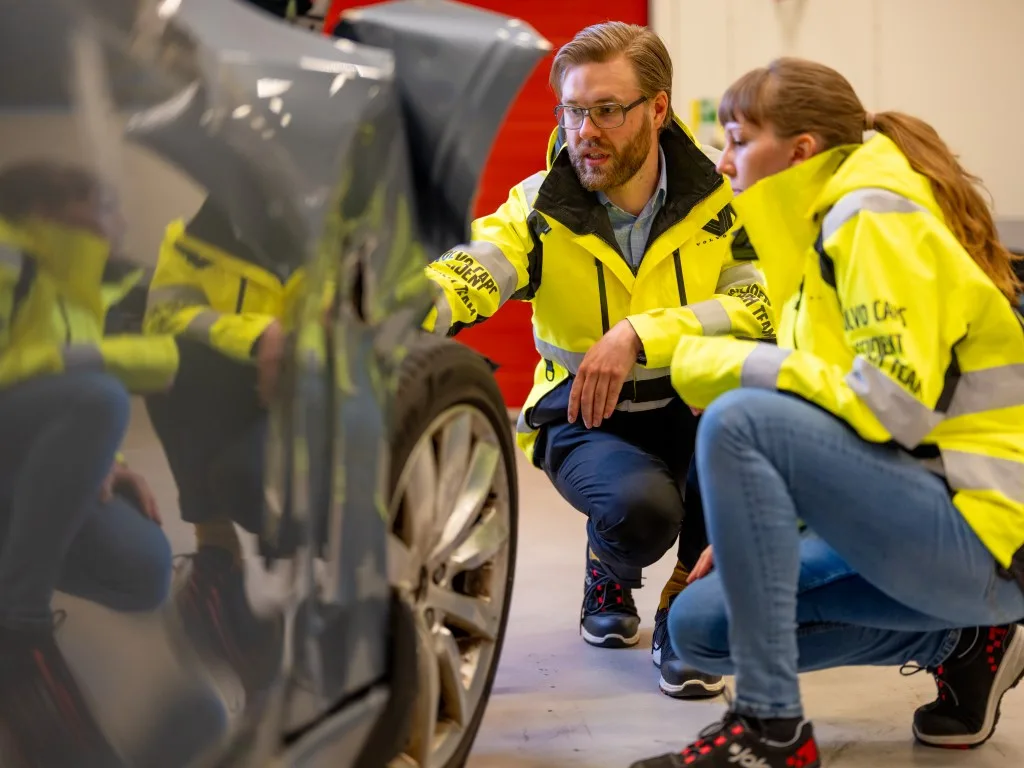












Volvo Cars says the risk of injury to female drivers has fallen by 88% over five decades, with a new study finding that its vehicles now provide comparable crash protection for women and men.
The findings come from research conducted by Volvo Cars Safety Centre, comparing vehicles produced between 2010 and 2019 with those built from 1970 to 1979.
Across all drivers, injury risk declined by 79%, while the larger improvement among women brought their risk down to the same level as men.
The study also found that occupants wearing seatbelts in the rear seats enjoyed protection comparable to, and sometimes better than, those travelling in front.
The findings draw on Volvo’s database of more than 50,000 real-world crashes involving over 80,000 occupants, collected since 1970.
Researchers examined frontal, side and rear impacts, rollovers, vehicles leaving the road and crashes involving multiple vehicles or large animals.

The analysis covered belted occupants aged 13 and above, concentrating on injuries such as fractures and concussions rather than minor bruises or discomfort.
Åsa Haglund, head of Volvo Cars Safety Centre, said the company had spent decades studying how people of different sizes and body shapes respond to crashes.
She said the latest findings showed that comparable protection between women and men could be achieved through vehicle design informed by actual accidents.

The research was led by Volvo safety specialists Lotta Jakobsson and Thomas Broberg and published as part of the 2026 International Technical Conference on the Enhanced Safety of Vehicles.
Volvo has also made more than 50 years of safety research publicly accessible through its Equal Vehicles for All initiative, launched in 2019.
The findings concern Volvo vehicles and should not be taken as evidence that crash protection is now equal across the wider automotive industry.