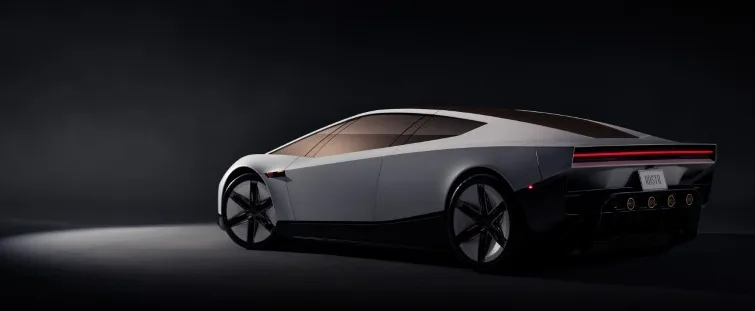





Tesla has a knack for capturing the imagination with product launches that seem out of this world.
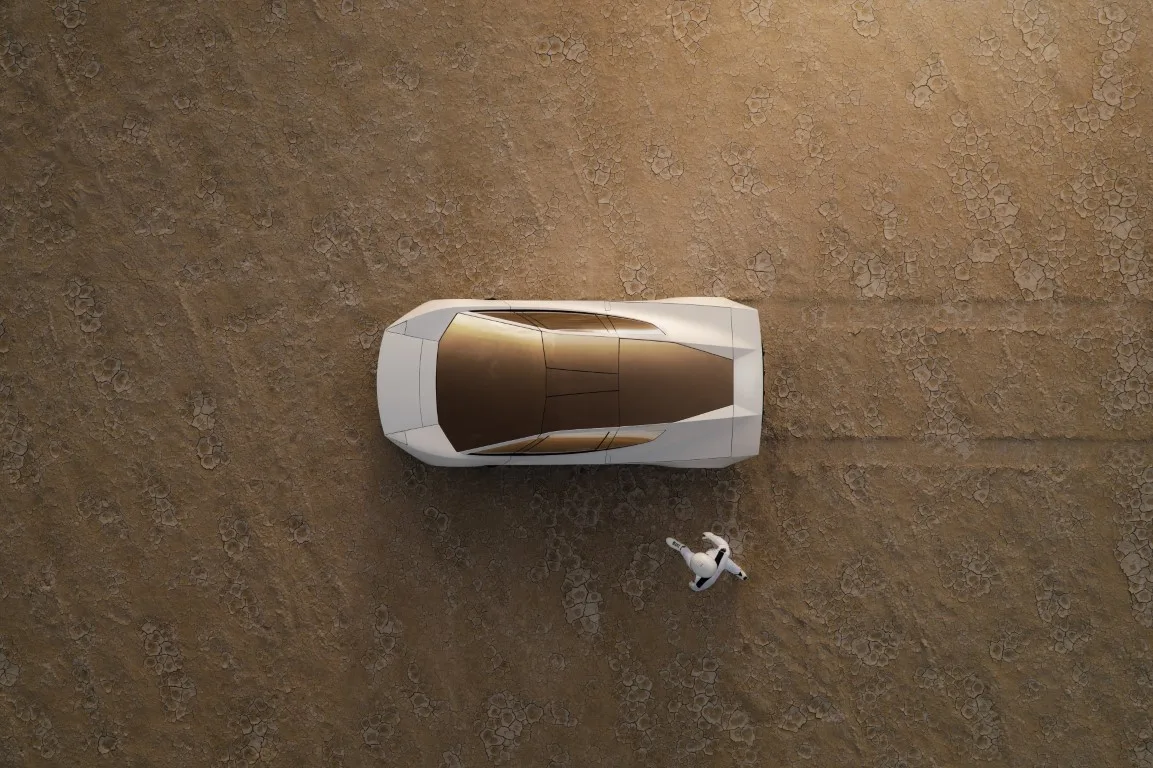
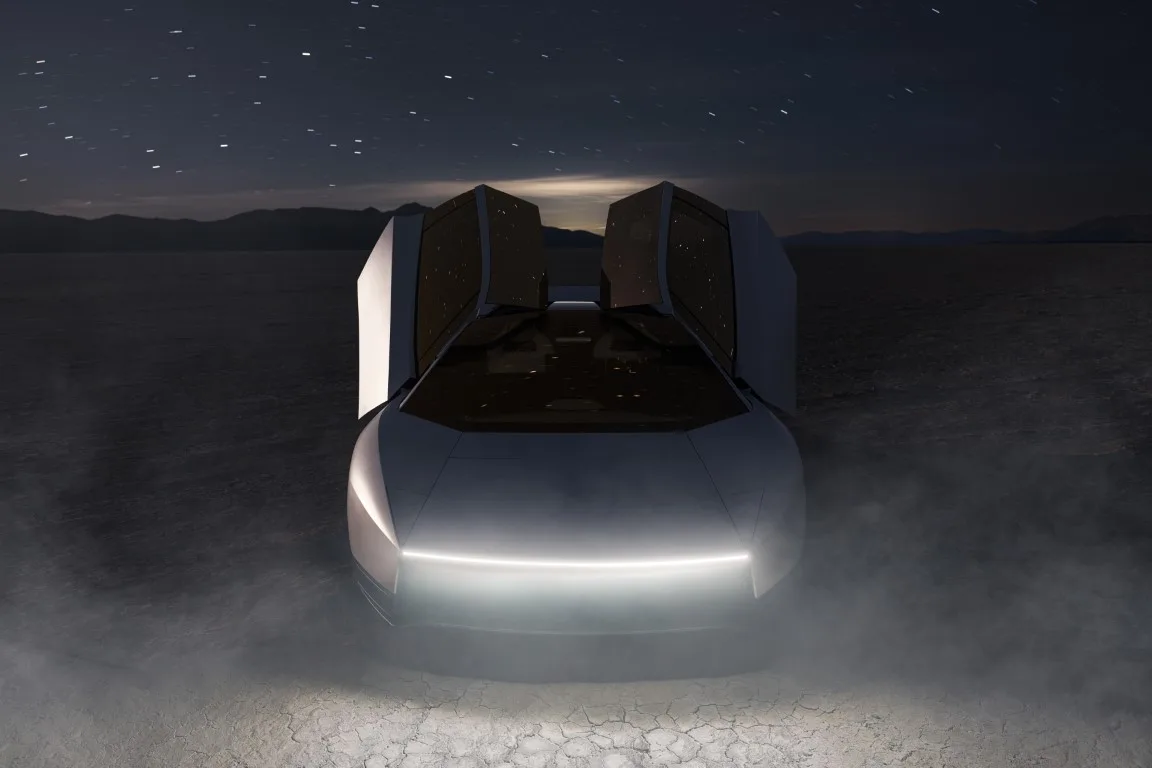
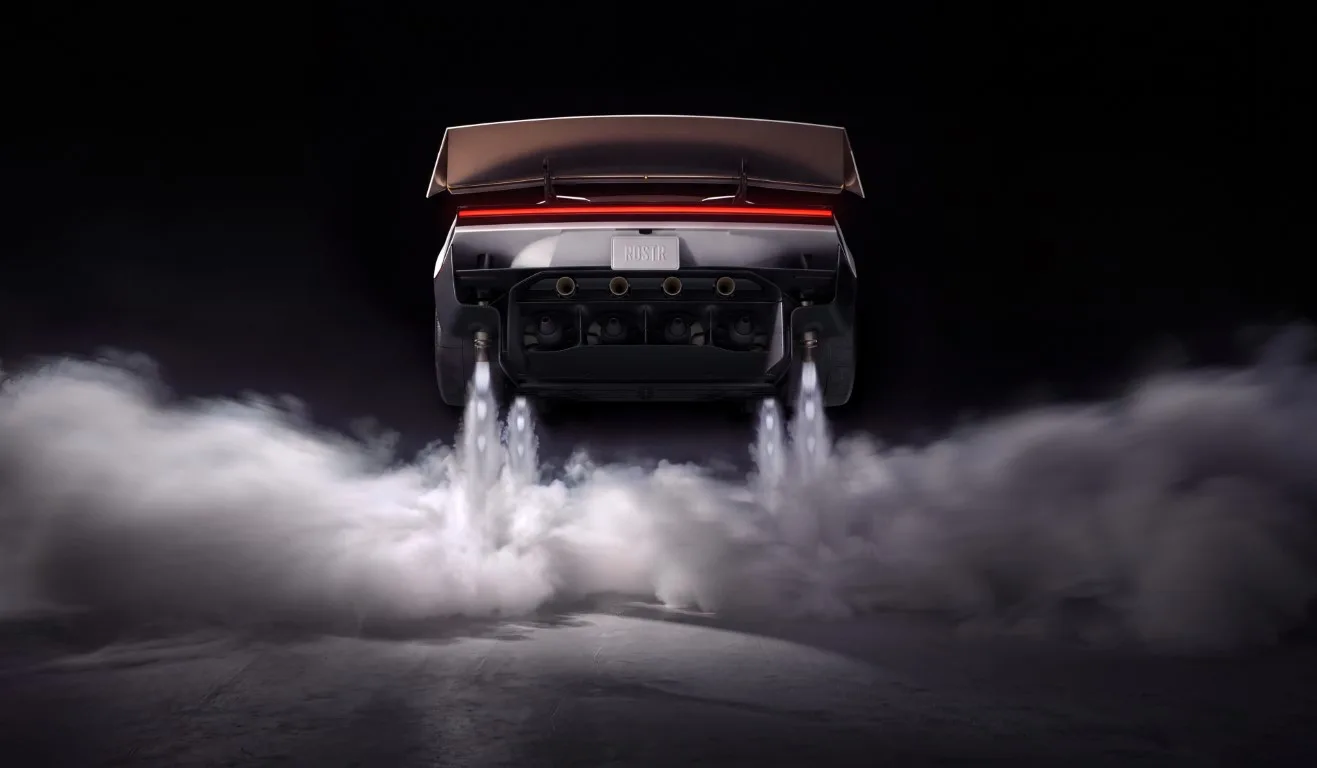
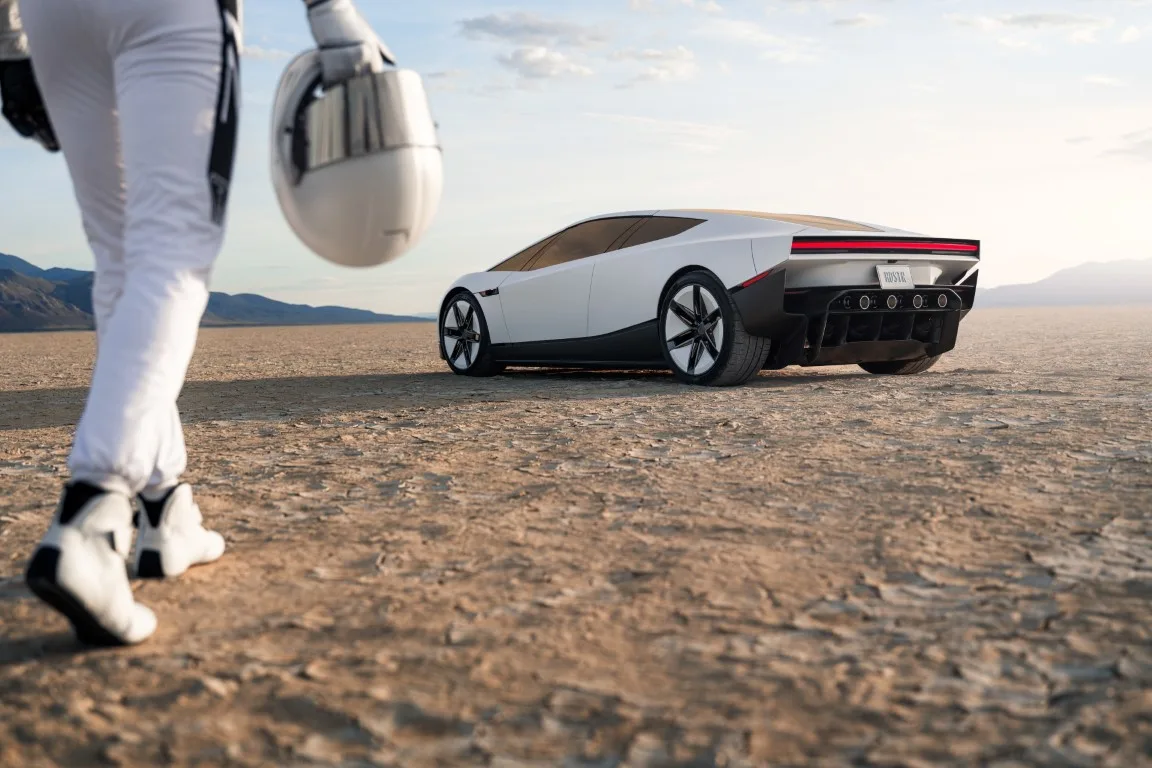
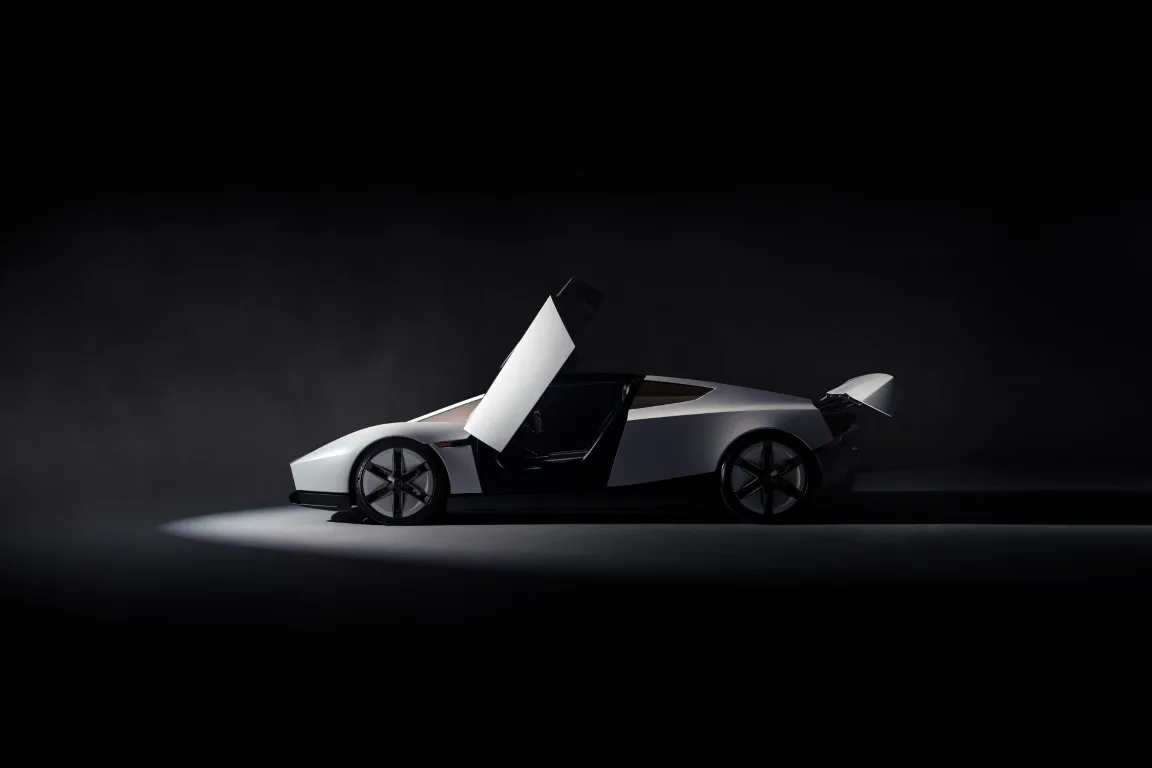
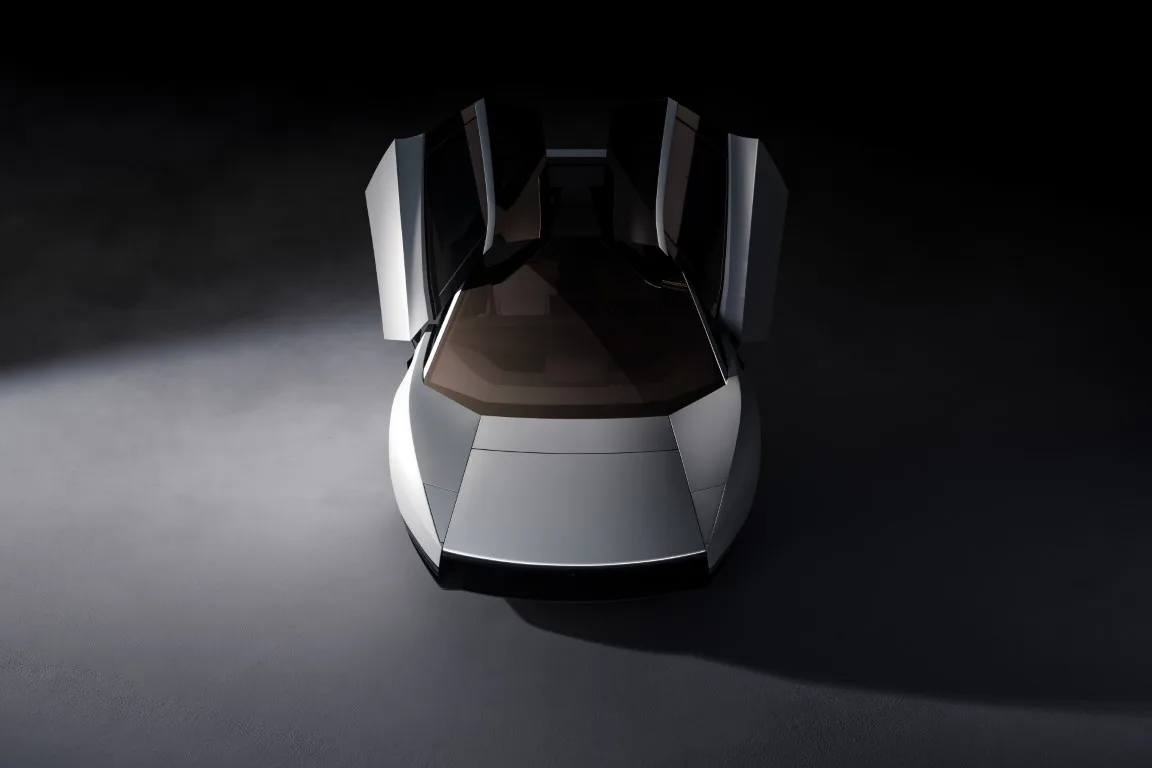
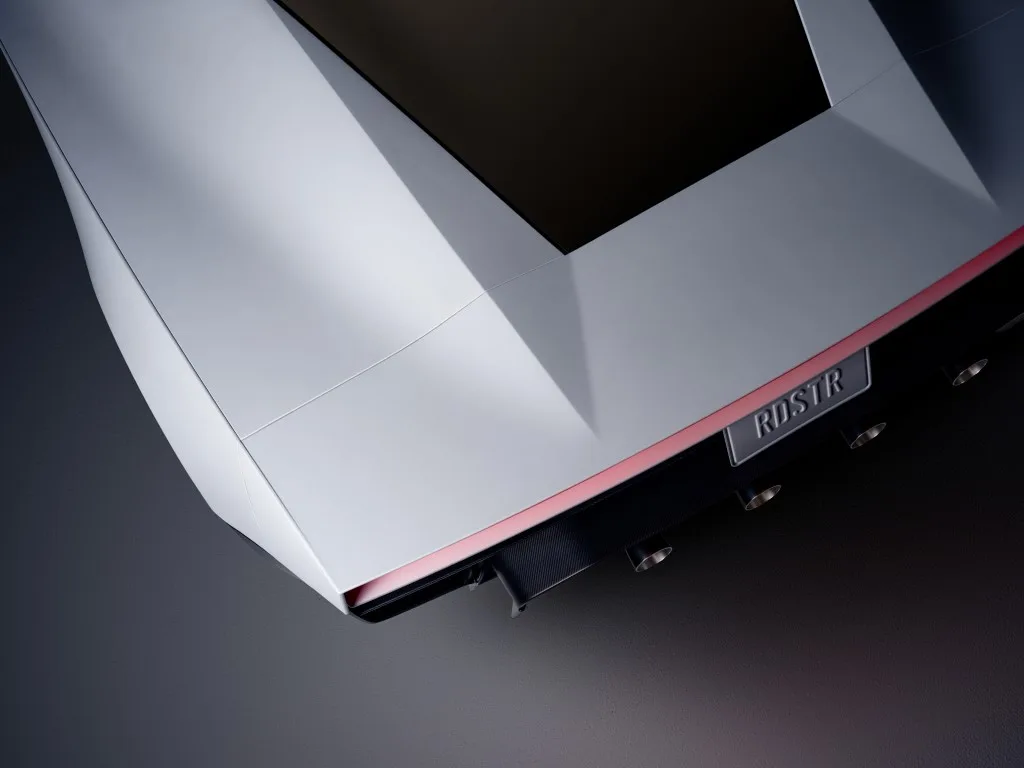
Its latest spectacle is the long-awaited second-generation Roadster, an electric sports car that can briefly take flight using compressed-air thrusters developed with SpaceX technology.
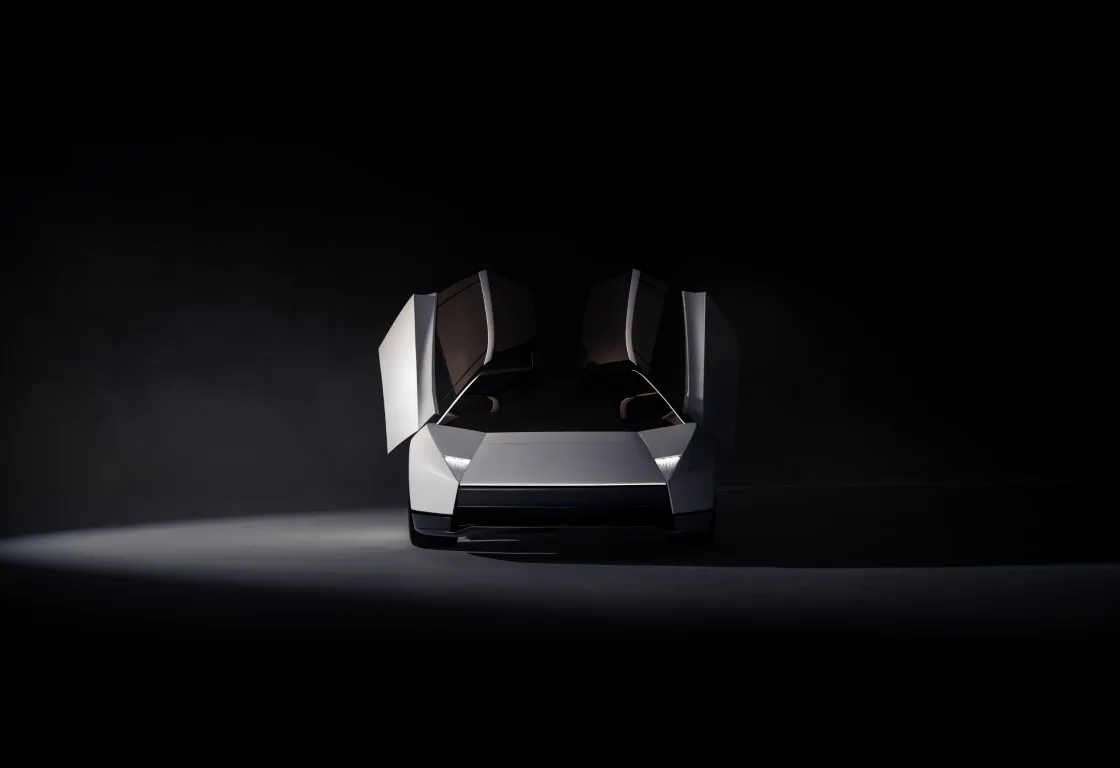
Unveiled on Oct 15 at SpaceX’s rocket testing facility in McGregor, Texas, the redesigned Roadster arrives nearly nine years after Tesla first previewed the model in 2017.
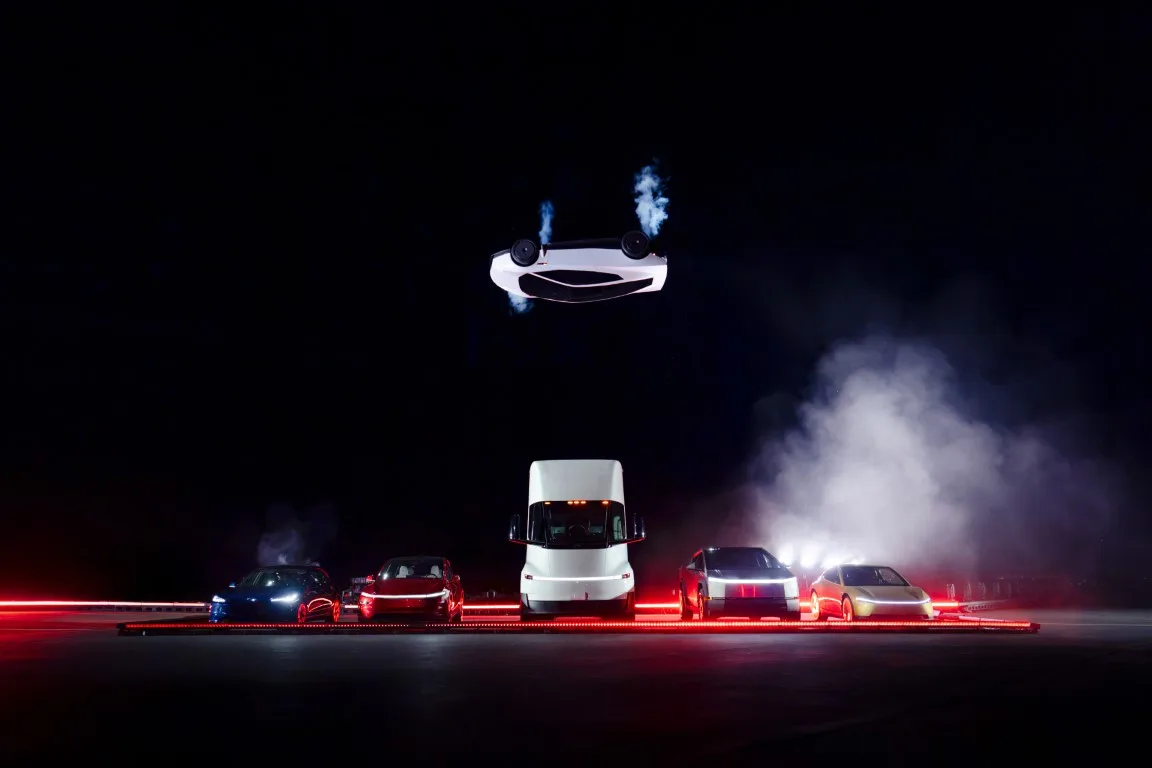
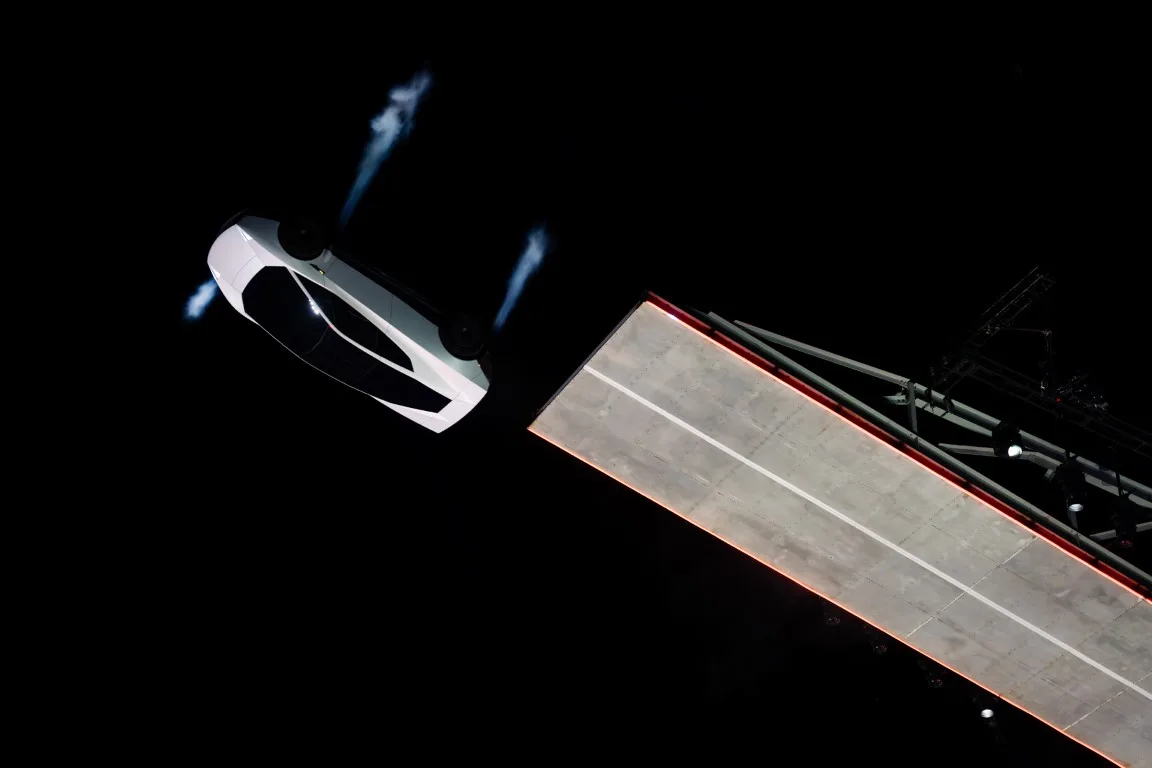
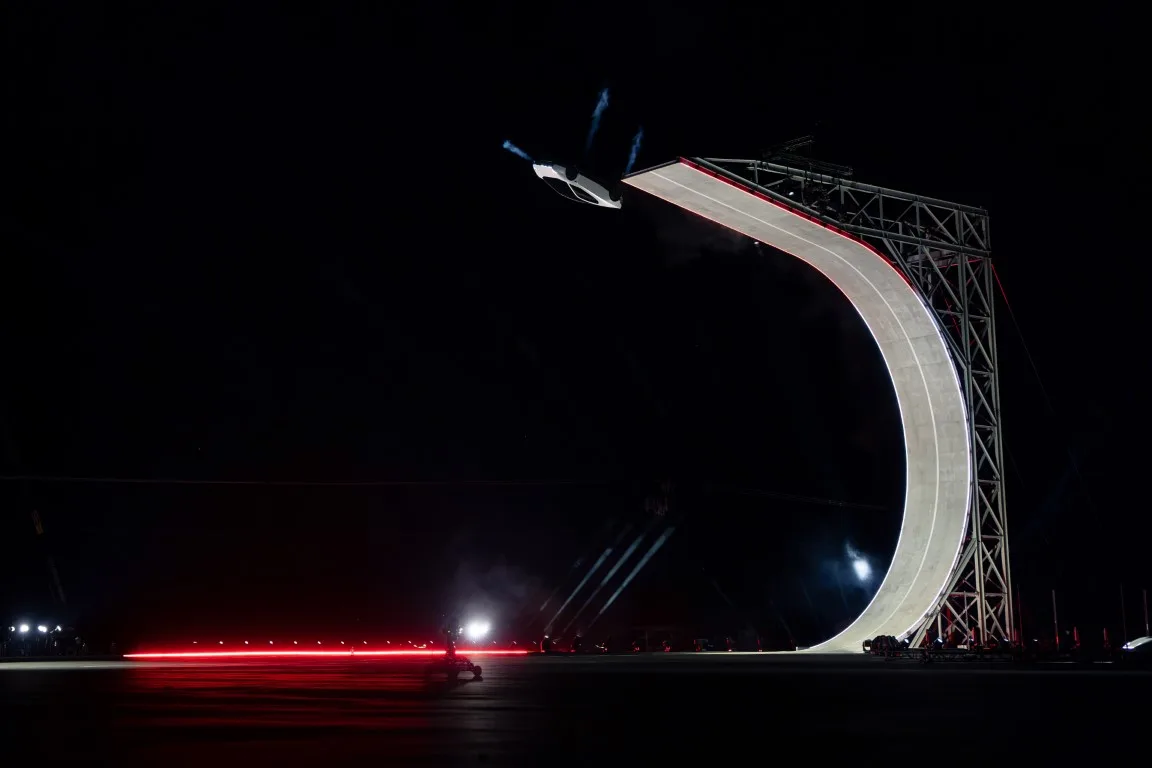
During the presentation, an unmanned Roadster drove upside down along a curved ramp, performed a mid-air manoeuvre and landed on its wheels. Another demonstration showed the car jumping over several Tesla vehicles, including a Cybertruck and Semi.
Tesla engineering vice-president Lars Moravy said an underbody fan system could generate suction equivalent to 2g, allowing the car to remain attached to the inverted ramp.
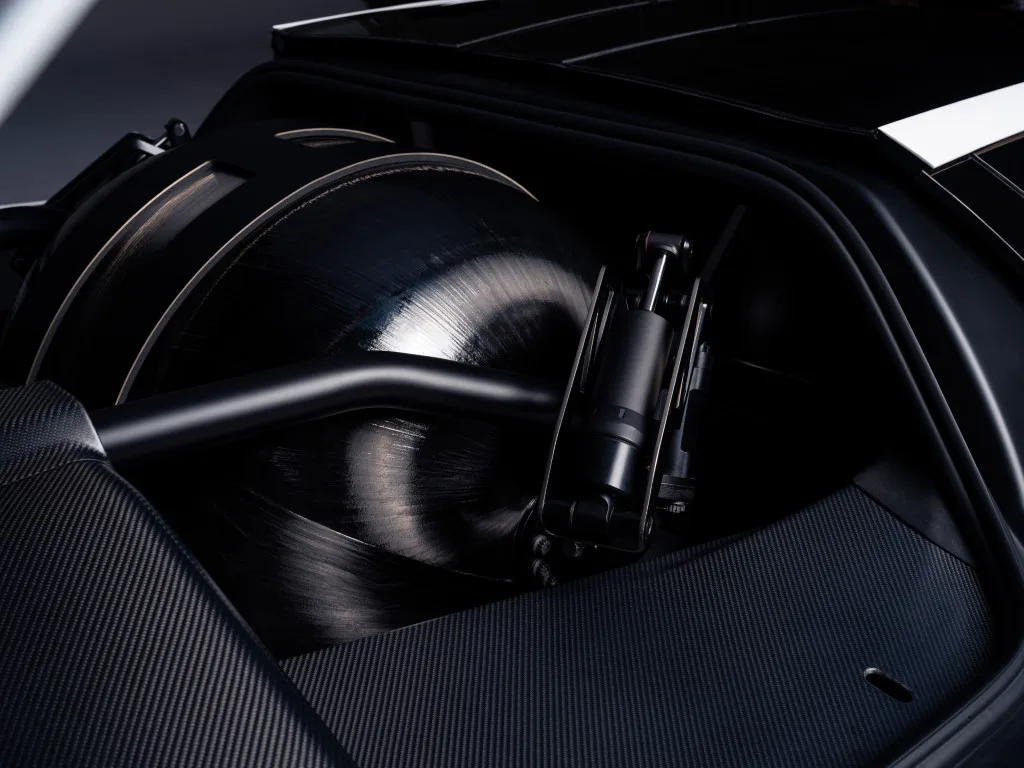
The flight system uses 10 compressed-air thrusters supplied by two pressure vessels with a combined capacity of 600 litres.
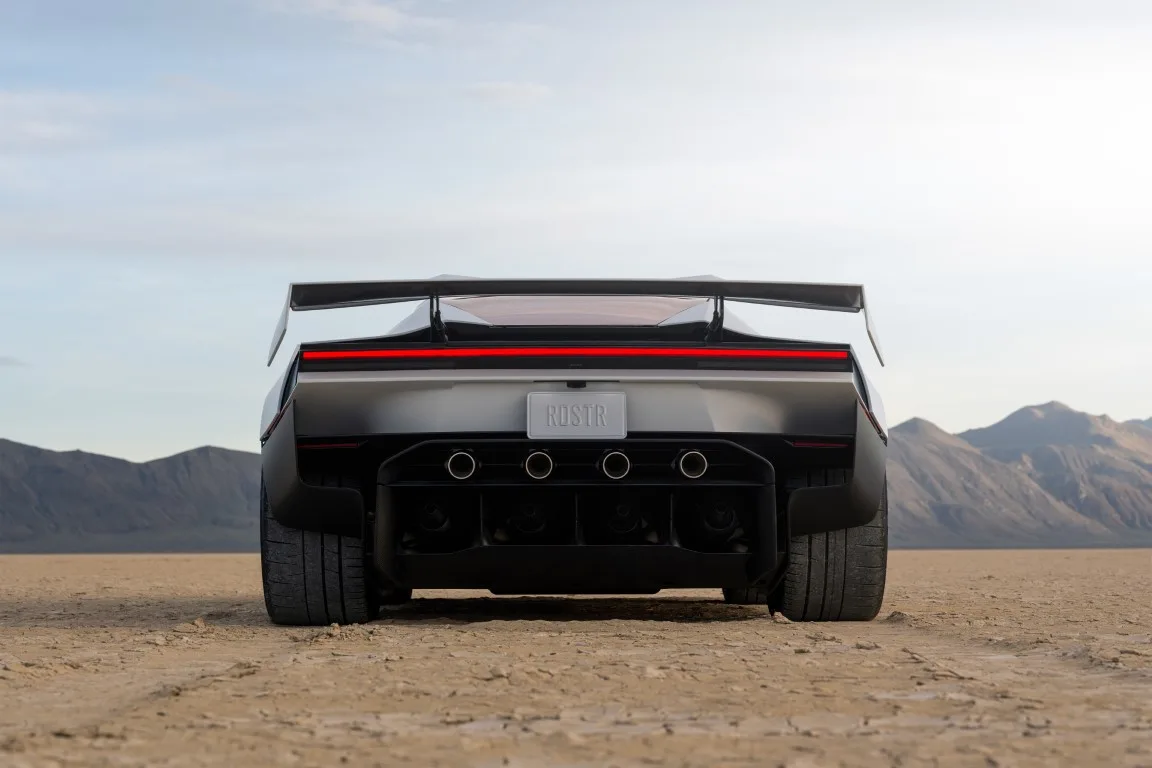
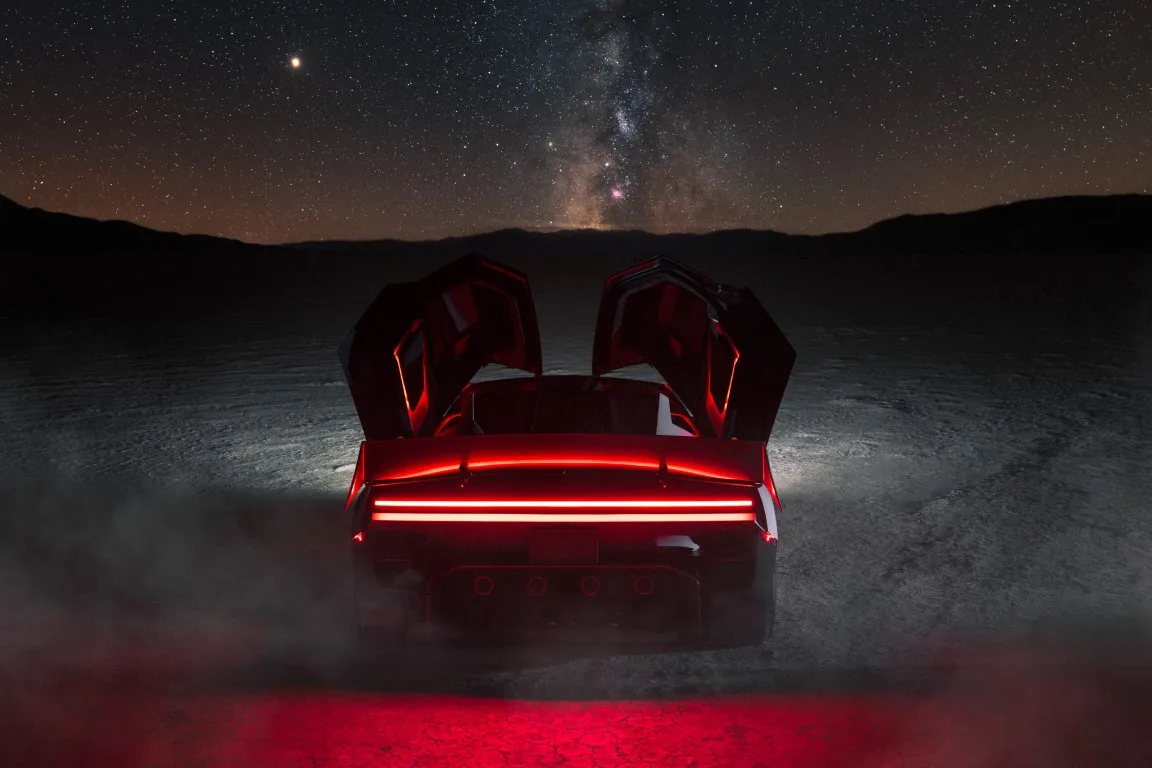
Four rear-mounted thrusters can generate more than 80kN of thrust, Moravy said. Unlike conventional rockets, the system uses compressed air rather than combustible propellant.
Tesla also demonstrated acceleration from 0–96.6kph in a claimed 0.81 seconds, while targeting a top speed exceeding 370kph.
Three versions are planned: Performance, Thrust and Rocket.
Performance is the road-focused two-seater, while Thrust adds rear-mounted propulsion assistance. The single-seat Rocket uses thrusters positioned around the vehicle for aerial manoeuvres. Available by invitation only, it is not approved for public-road use, Tesla states on its website.
All three are claimed to offer more than 480km of driving range.
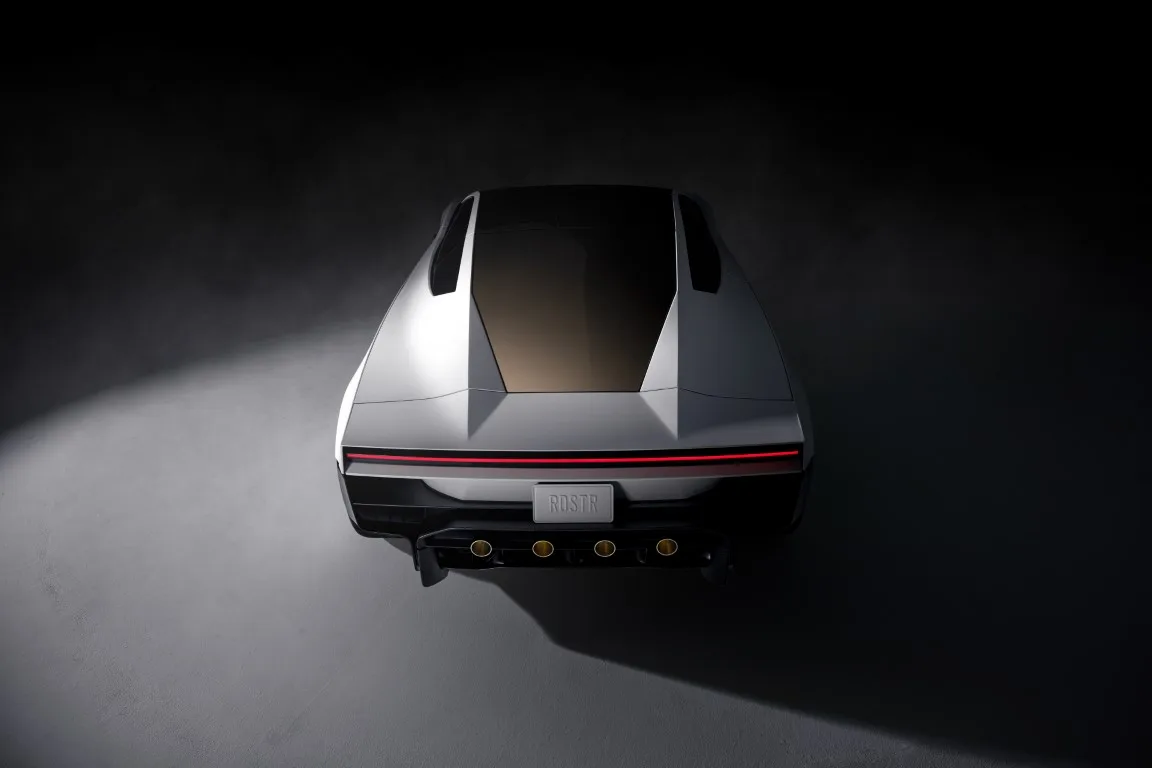
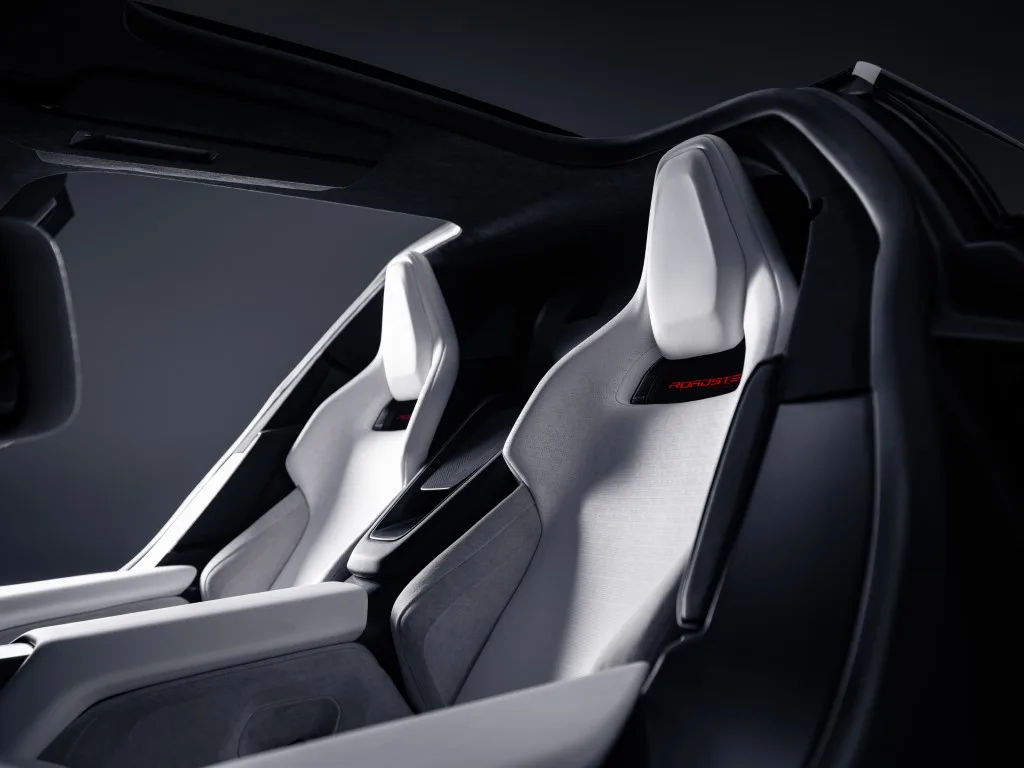
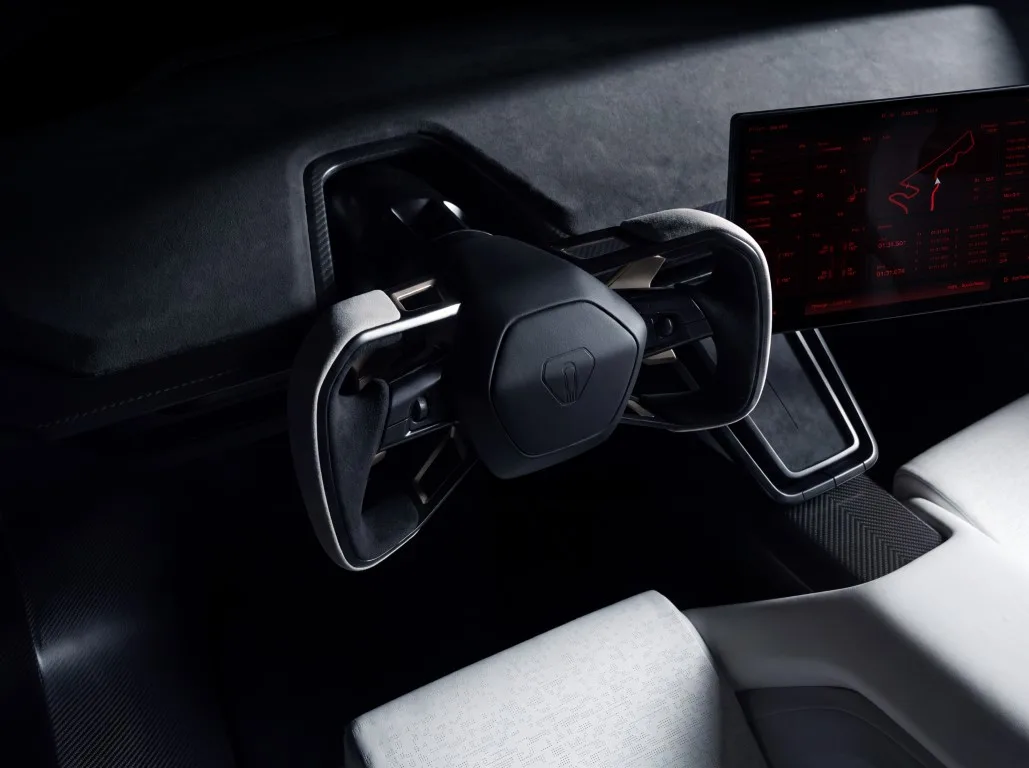
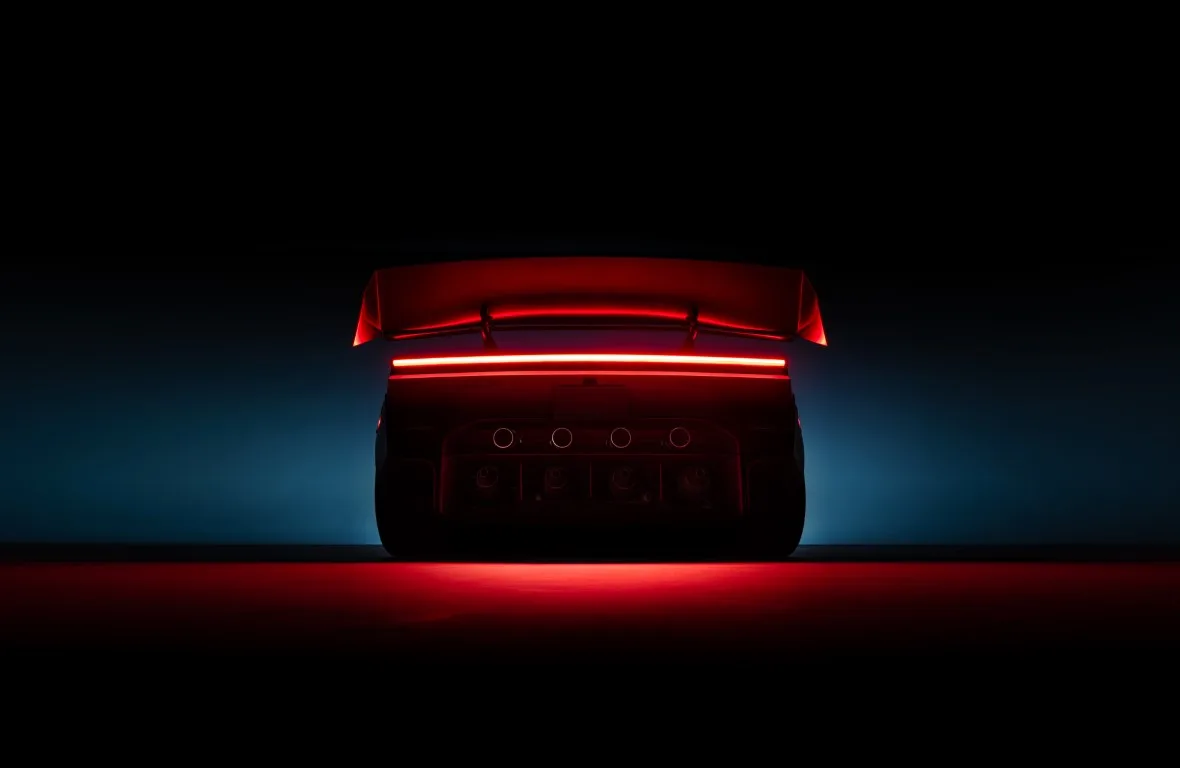
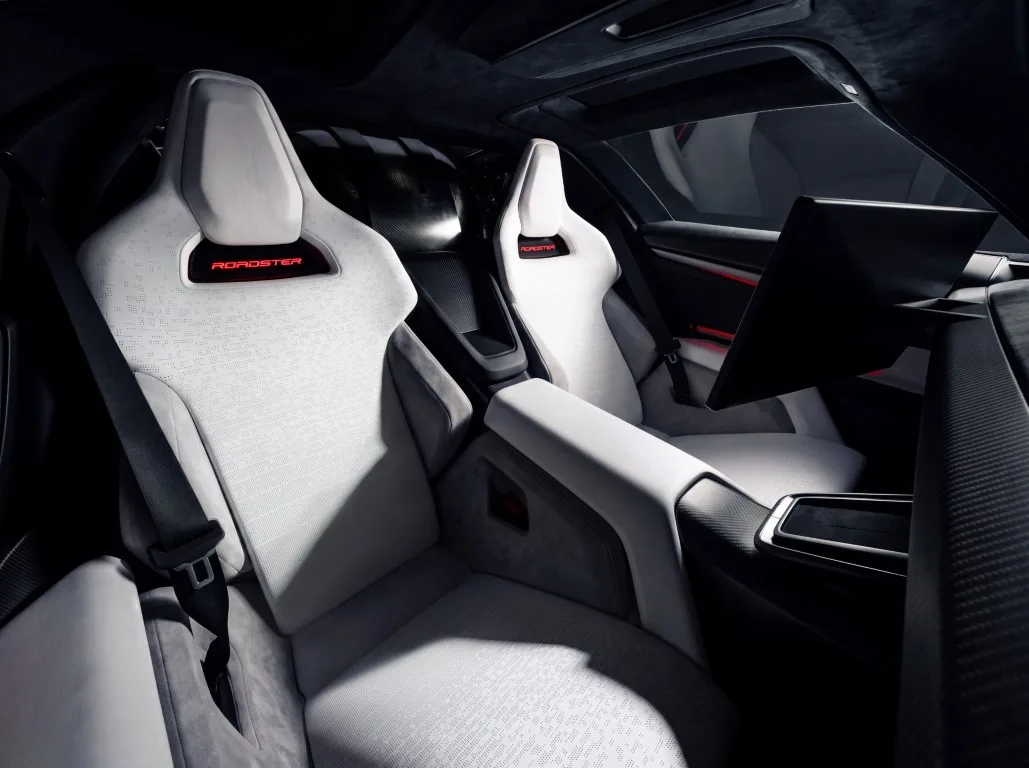
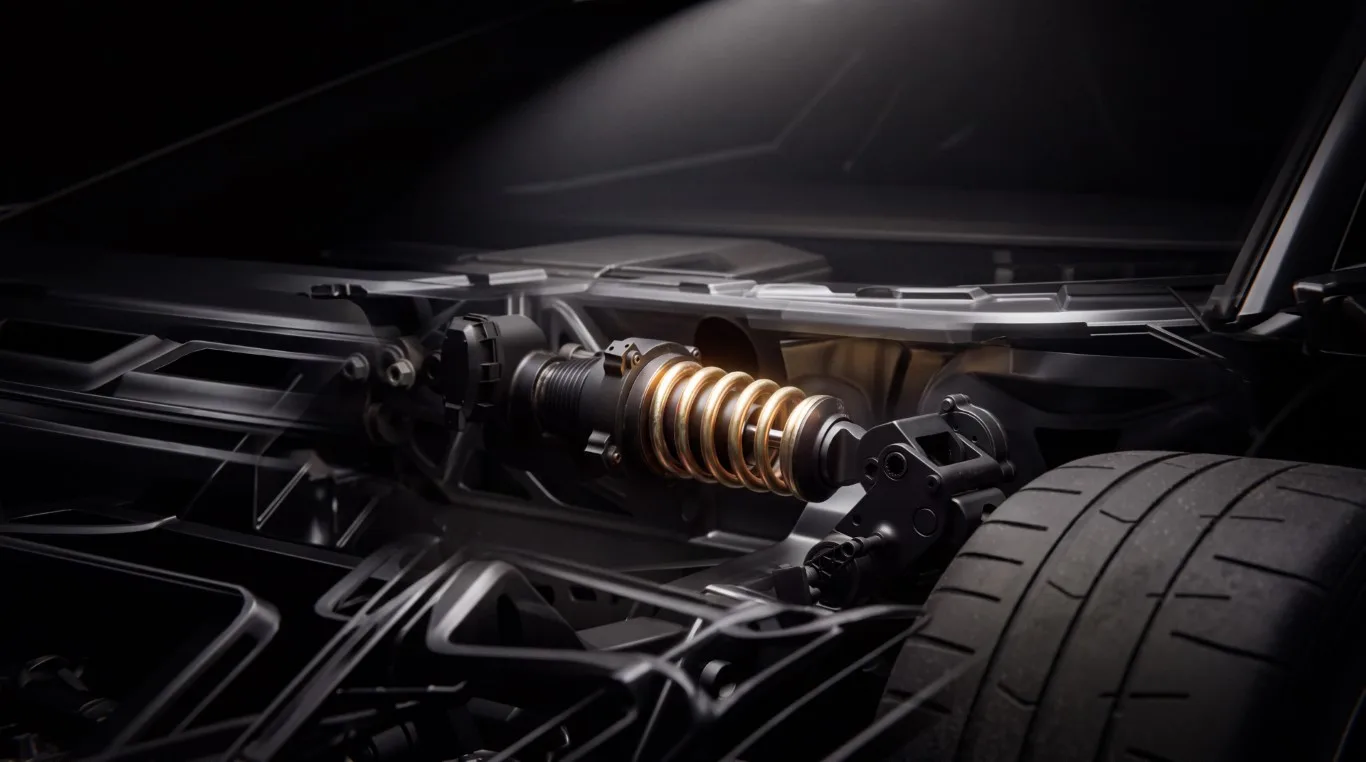
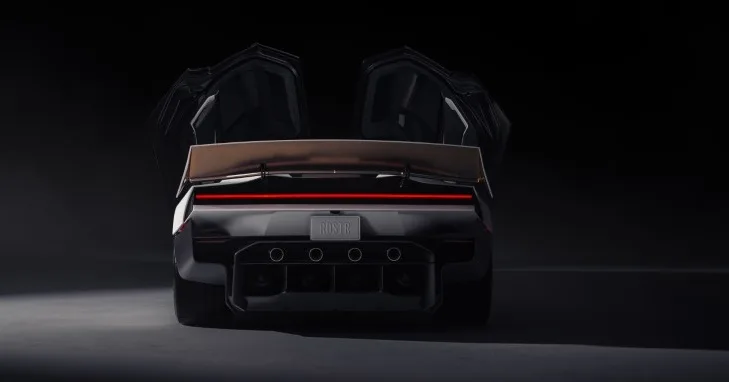
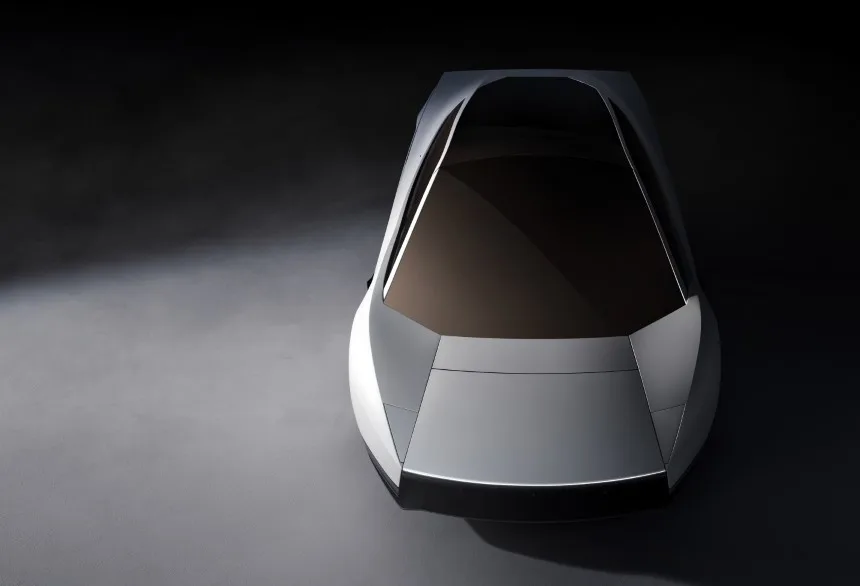
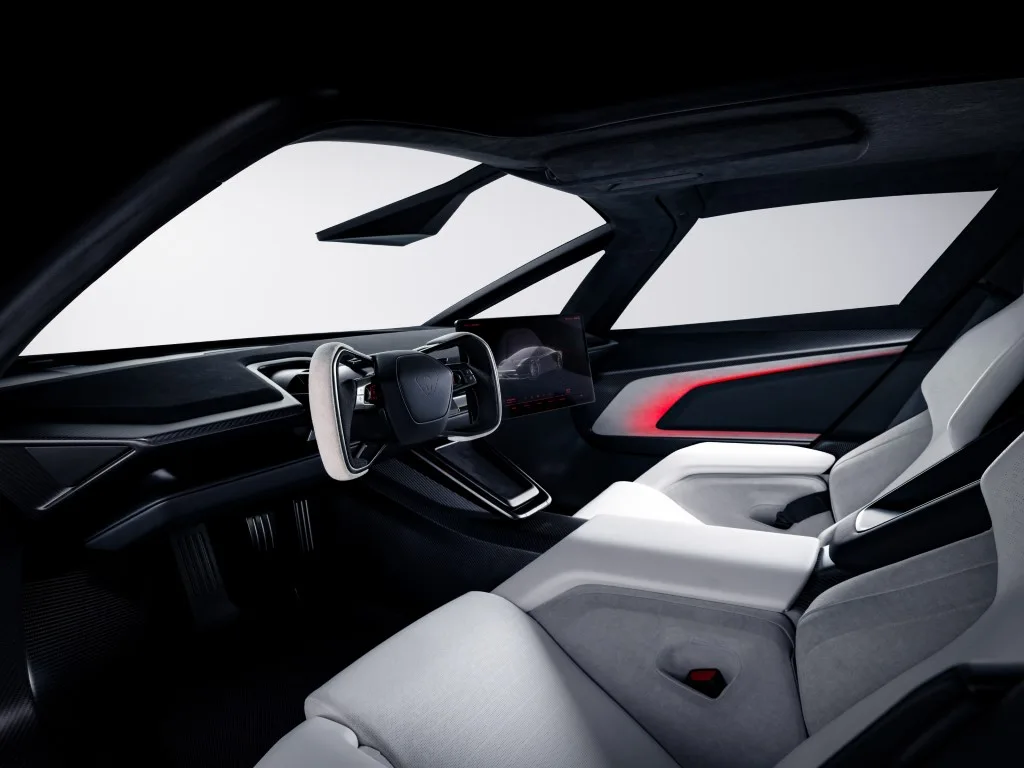
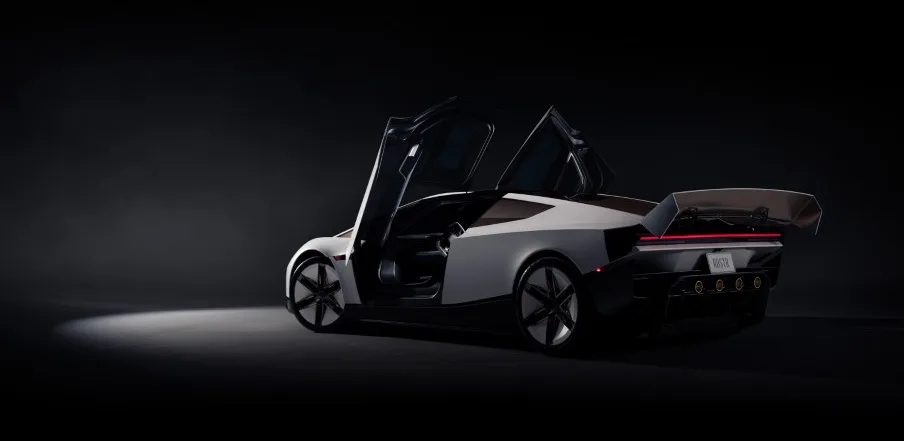
The redesigned cabin features lightweight seats integrated into the chassis and steer-by-wire controls. Active aerodynamics include an adjustable rear wing.
Chief executive Elon Musk said production would begin in 2028, extending a series of delays that have pushed the Roadster well beyond its original 2020 delivery target.
The demonstrations involved prototypes, and the performance claims have yet to be independently verified.