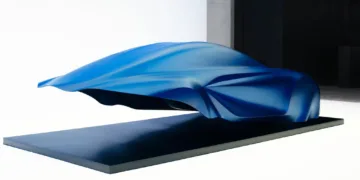





BMW will launch a new compact electric model using Neue Klasse technology in 2028 as it reshapes its global line-up, cuts less profitable variants and considers exporting China-built vehicles to Southeast Asia.
The yet-to-be-named EV will target Europe’s high-volume entry segment, extending Neue Klasse technology into smaller BMWs. It follows the roll-out of the architecture and related systems across models including the iX3 and i3, with the X5 and 7 Series also set to adopt Neue Klasse-derived technology.
BMW said the compact EV would complement MINI’s fully electric range and help reduce fleet-wide CO2 emissions in Europe.
The plan was among several product and production changes outlined at BMW Group’s Capital Market Day 2026 on 29 and 30 September.
For Southeast Asia, BMW is also studying increased exports of vehicles built in China. No models, destinations or timetable have been announced, leaving the proposal at an exploratory stage.
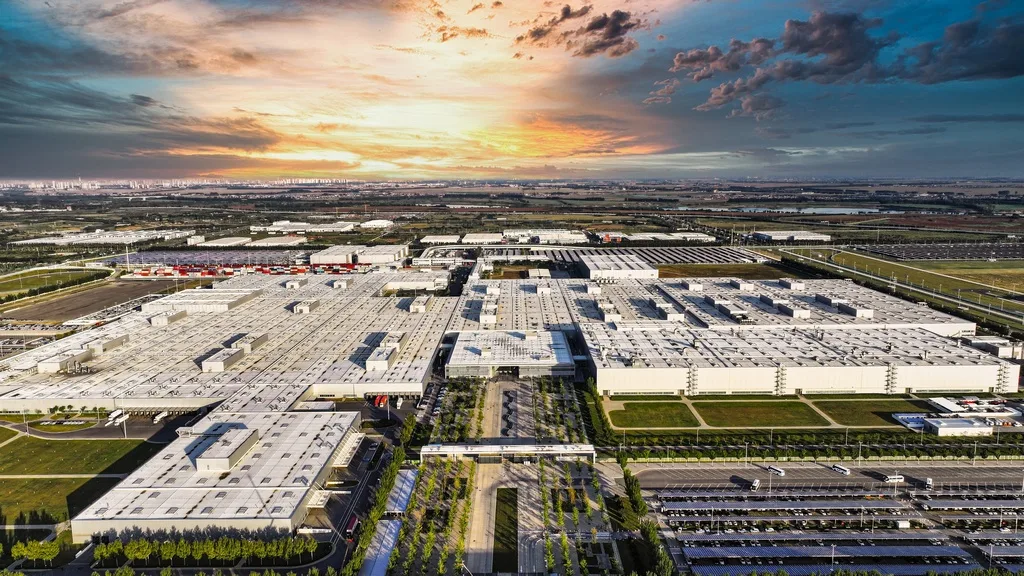
At the same time, BMW is increasing localisation in China as it responds to changing customer preferences and stronger domestic competition. It plans to expand local production in high-volume segments while concentrating imports on higher-margin vehicles.

By 2030, BMW wants at least 95% of the vehicles it manufactures locally in China to be developed specifically around Chinese customer requirements.
That localisation push extends to software and driver assistance. A new Level 2++ system developed with Chinese autonomous-driving specialist Momenta will debut with the China-market iX3.
BMW is separately developing navigation-guided assistance with Qualcomm for Europe, starting in Germany in 2027 before expansion to other markets including the United States.
The product overhaul will also remove models deemed less attractive financially. BMW confirmed that the 2 Series Active Tourer will not receive a successor, while the number of variants across the wider range is under review.
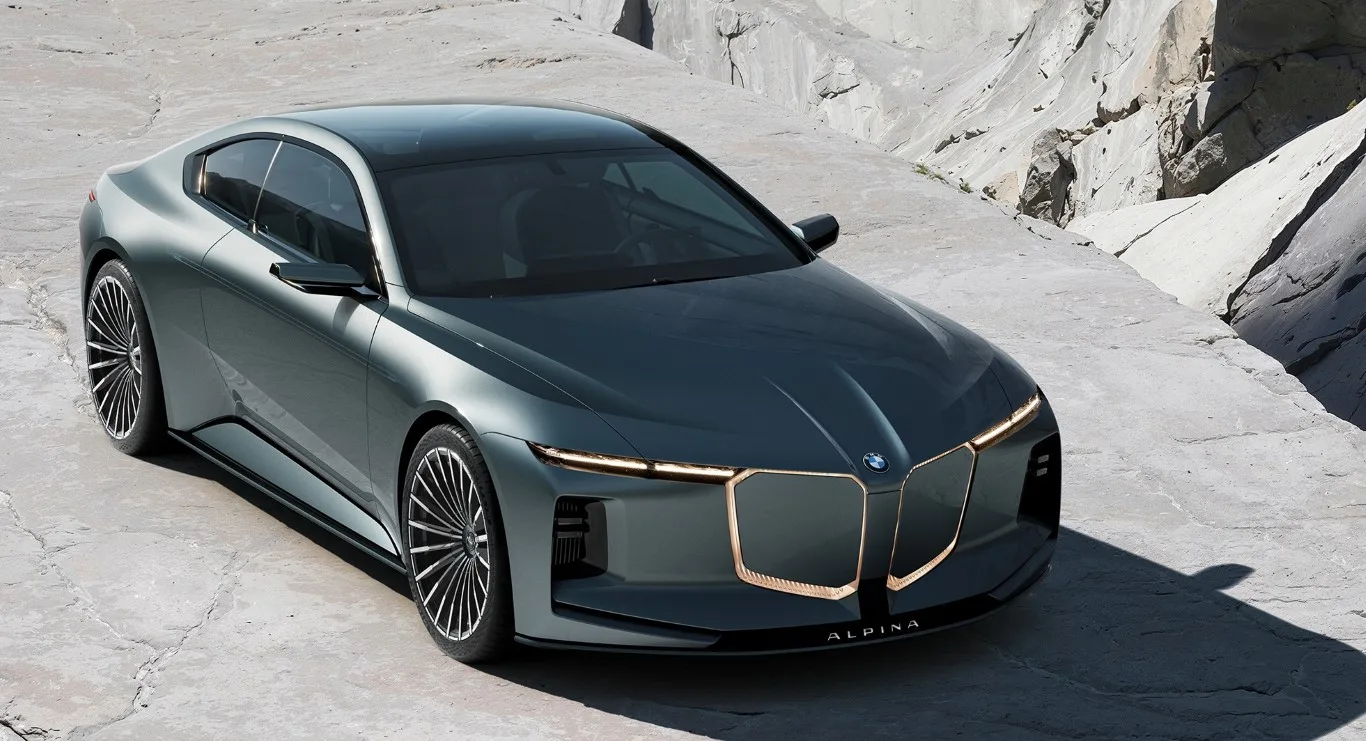
At the upper end of the market, the first BMW Alpina model under BMW Group ownership will arrive in 2027. Inspired by the 7 Series, it will sit between mainstream BMW products and Rolls-Royce.
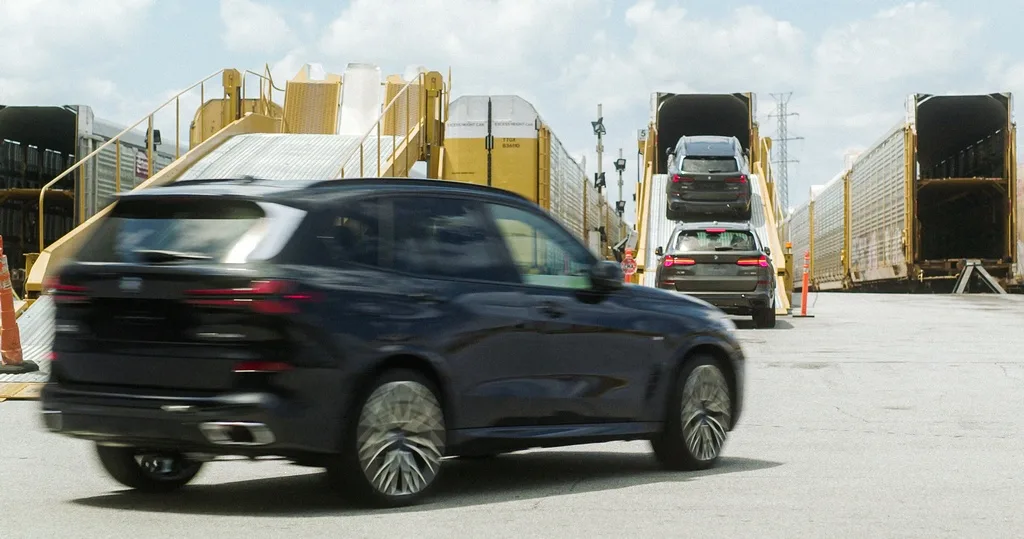
BMW is also considering an additional Sports Activity Vehicle above the X7 for the US. Strong demand for SAVs has pushed its Spartanburg plant in South Carolina to full capacity, prompting the company to examine additional production elsewhere.
The wider restructuring is aimed at improving profitability after tougher trading conditions, particularly in China.
BMW is targeting an automotive EBIT margin of 3% to 5% in 2028 before returning to its longer-term range of 8% to 10% by the start of the next decade.
Automotive free cash flow is targeted to reach at least €7 billion (RM32.4 billion) by then.
Artificial intelligence will also play a larger role across vehicle development, purchasing, manufacturing, sales and aftersales.
In engineering, specialised AI agents are expected to assist work ranging from technical requirements to testing and vehicle release, while engineers retain final oversight.
BMW is already working with French AI company Mistral on crash simulations, combining engineering data with specialised AI models to shorten parts of the development process.
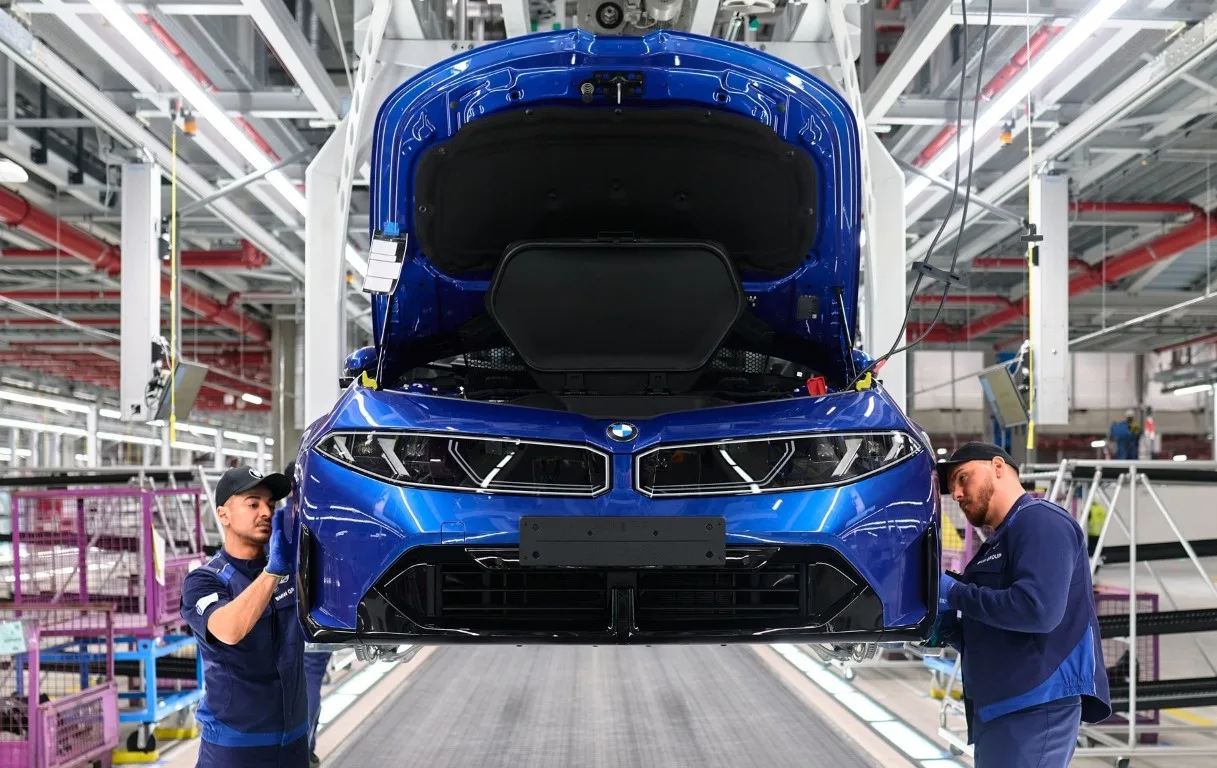
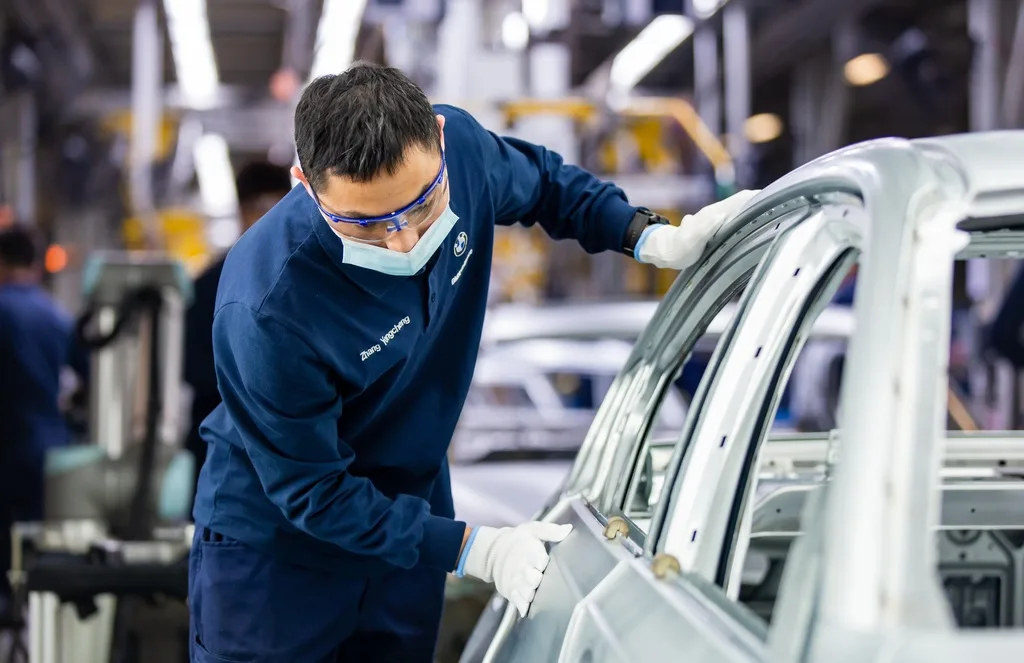
Its factories already use digital twins, automated quality inspection and autonomous transport systems. BMW now wants AI agents and self-learning robots to take on more production tasks.
The same approach extends to vehicle electronics. BMW describes the next stage after the software-defined vehicle as the “AI-defined vehicle”, with assistance, infotainment and comfort functions increasingly operating through a common electronic architecture.
Neue Klasse provides the technical base through technologies including a zonal electrical architecture, sixth-generation electric drivetrain, Heart of Joy vehicle-control system and Panoramic iDrive.
BMW said European orders for the iX3 have already exceeded 100,000.
Cost reductions will run alongside the product changes. By mid-2027, BMW plans to cut the number of corporate divisions and associated management positions by 20%, with similar reductions at organisational levels below them.
Further decisions are expected by spring 2027.
The strategy points to a more region-specific BMW line-up: Europe gets another compact EV, the US could gain an SAV above the X7, and China will receive more locally developed and manufactured vehicles.
Southeast Asia could also become an export destination for those China-built BMWs, although no specific models or markets have yet been confirmed.