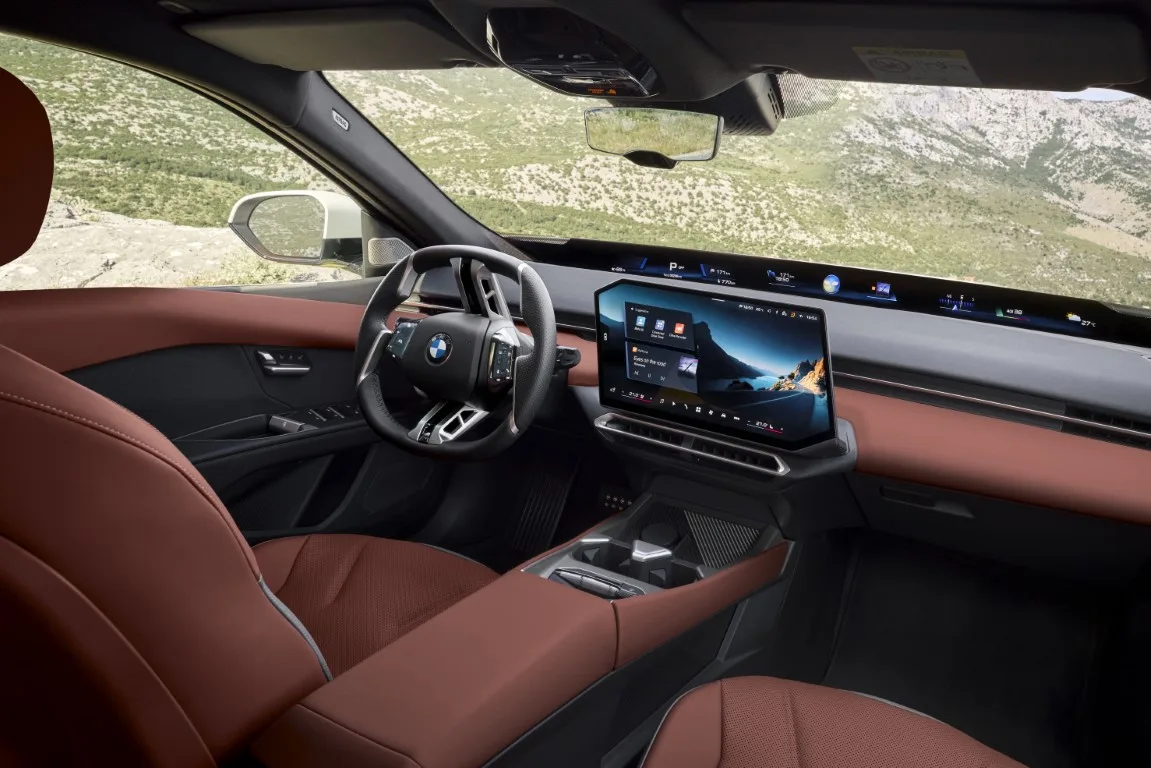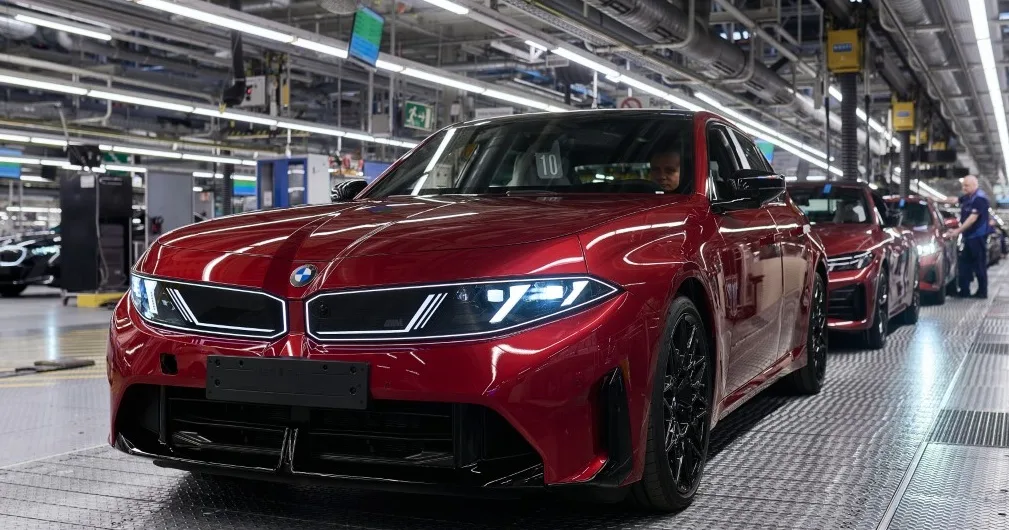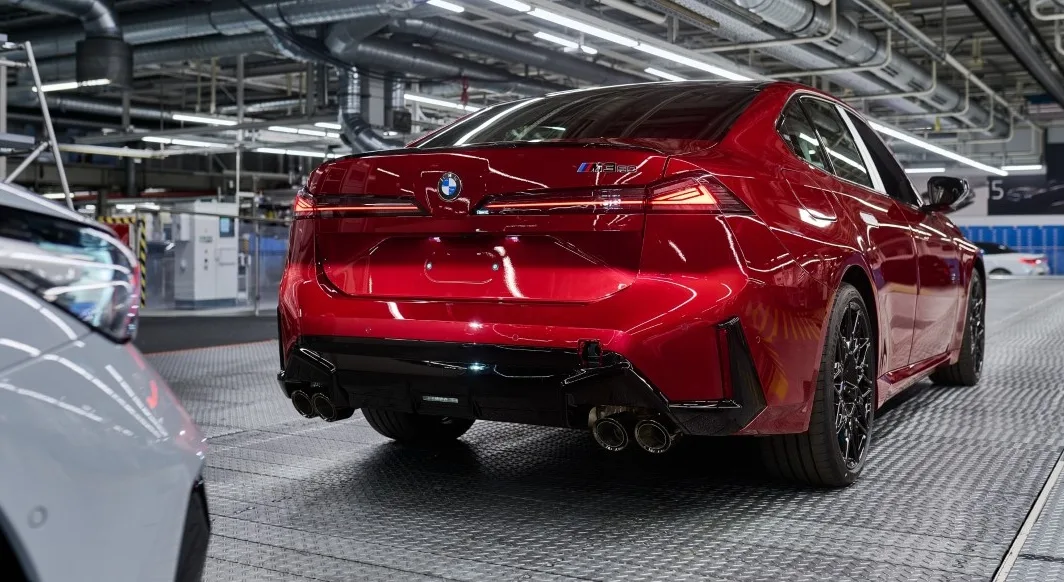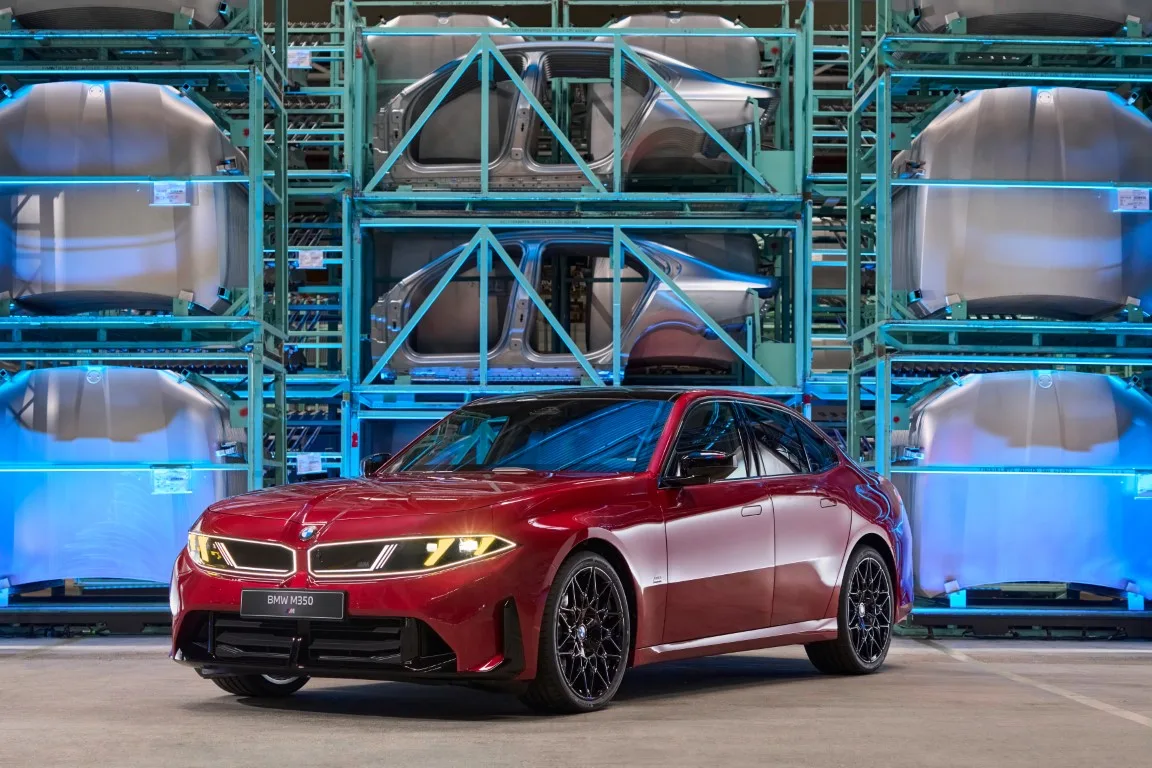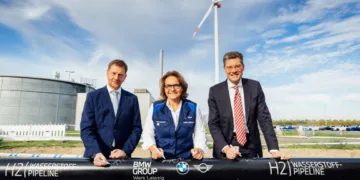






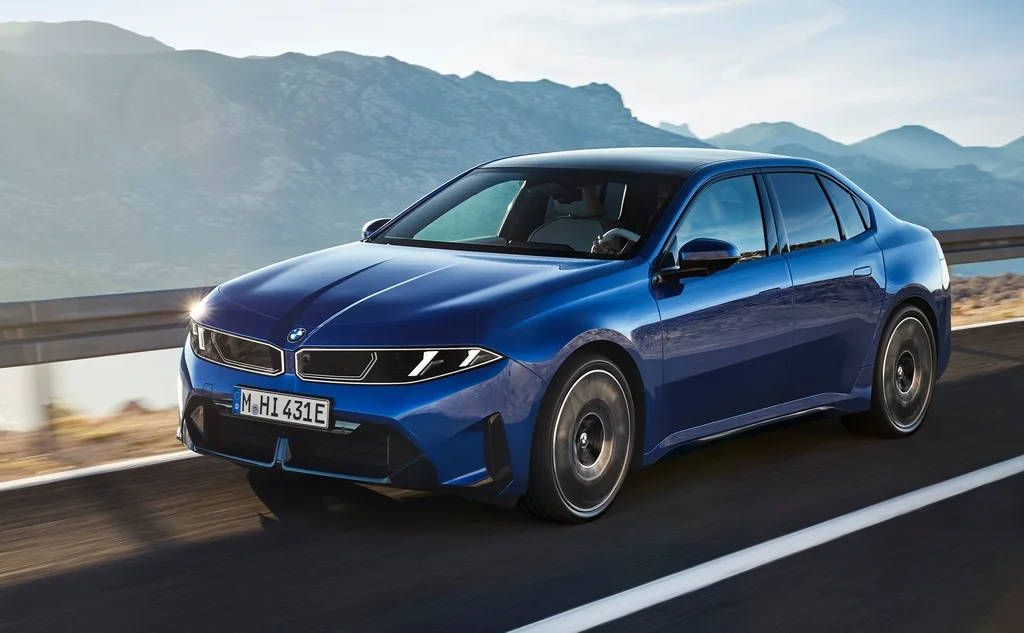
BMW has begun production of the new electric i3 in Munich as part of a €2 billion (RM9.25 billion) investment covering the eighth-generation 3 Series, battery manufacturing and upgrades to its German plants.
The Neue Klasse-based i3 is being built at BMW’s revamped Munich plant, which has been converted into an electric-only production site. Its sixth-generation high-voltage batteries will come from the new Irlbach-Straßkirchen plant in Lower Bavaria from October.
BMW has invested about €1 billion (RM4.63 billion) in its Munich and Dingolfing vehicle plants, with another roughly €1 billion (RM4.63 billion) going into Irlbach-Straßkirchen.
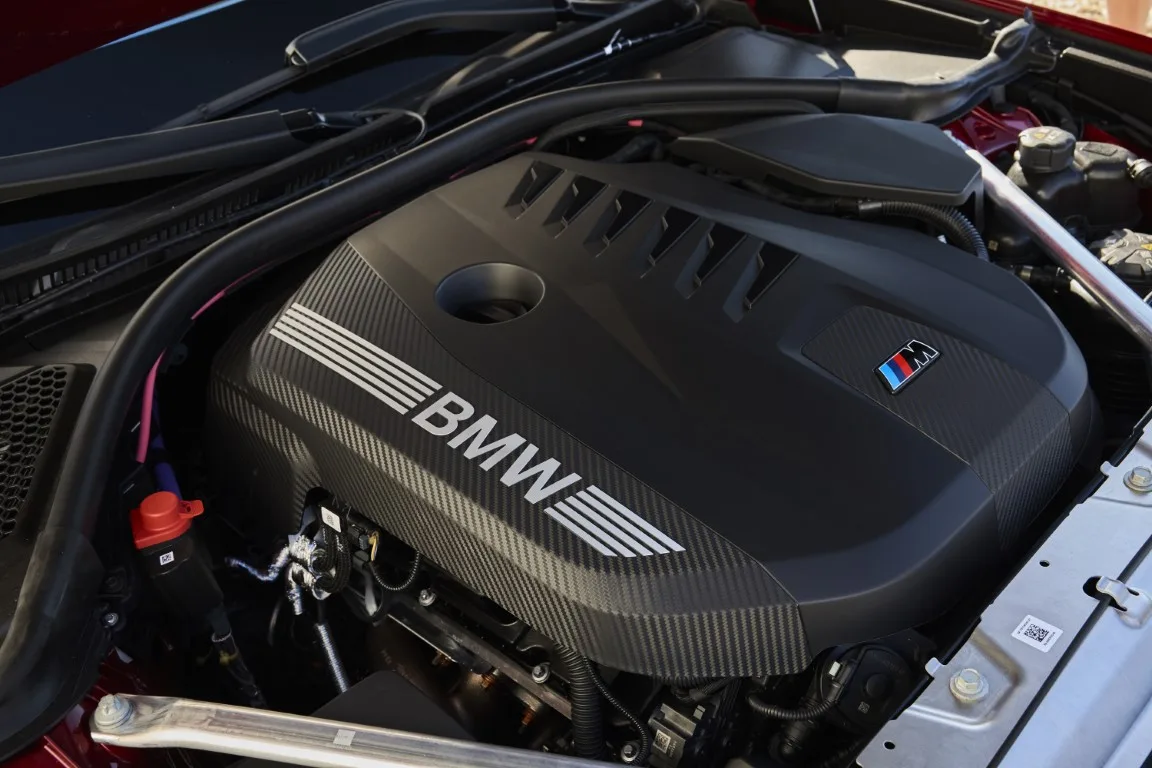
Dingolfing will build the combustion-engined and plug-in hybrid versions of the new 3 Series. A new body-production line has been installed there, while the cars will share existing paint and assembly facilities with other BMW models.

The arrangement reflects BMW’s multi-powertrain strategy: Munich is centred on Neue Klasse EV production, while Dingolfing retains flexibility for combustion and plug-in hybrid models.
The programme will extend beyond Germany. BMW said the i3 and 3 Series will later be built at San Luis Potosí in Mexico, while Shenyang will produce a 3 Series version adapted for China.
Irlbach-Straßkirchen will assemble BMW’s Gen6 high-voltage batteries for Munich and other German vehicle plants.
The new cylindrical cells offer 20% higher volumetric energy density than BMW’s previous Gen5 prismatic cells, while the cell-to-pack design removes conventional modules and integrates the cells directly into the battery pack.
BMW said this reduces weight and cost while improving pack-level energy density.
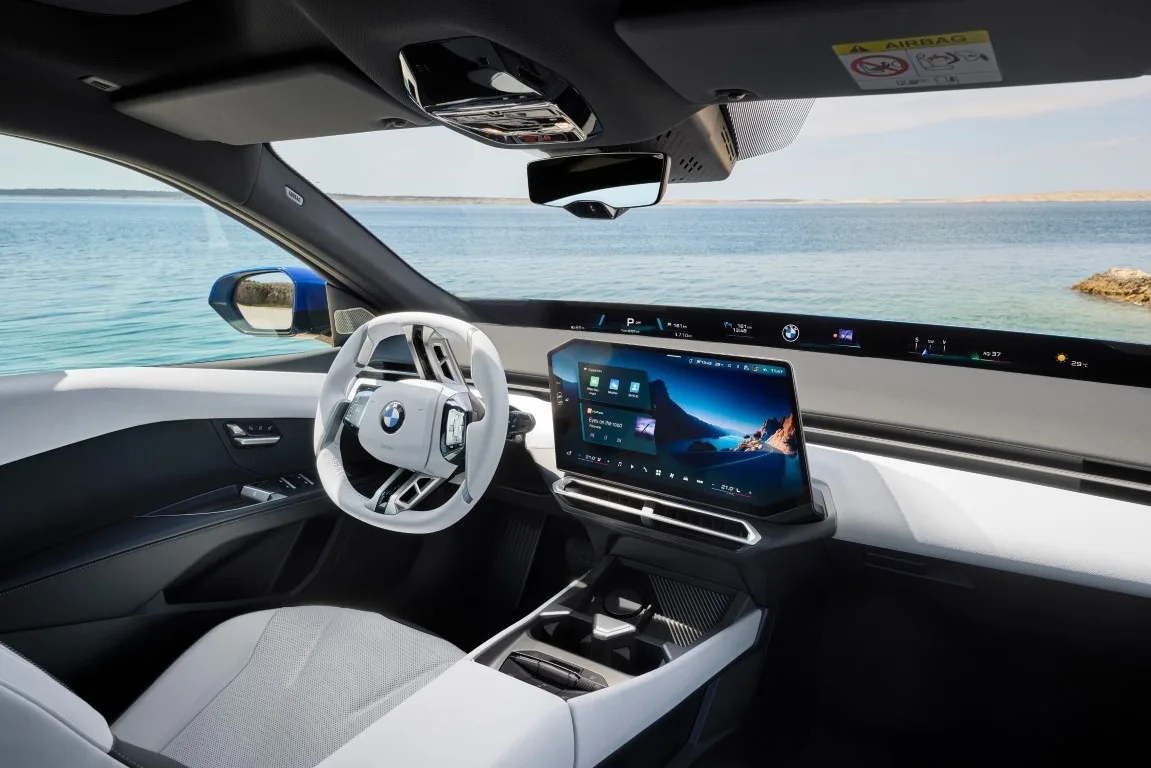
The Gen6 electrical system also moves to 800V architecture. In the US-spec i3 50 xDrive, BMW quotes DC charging at up to 400 kW and preliminary EPA range of up 753 km, with 334 km of range added in 10 minutes at maximum charging power. Bidirectional charging is supported.
BMW is locating battery assembly close to vehicle production under its “local for local” approach to reduce transport distances.
The new i3 also uses a Gen6 electric drive produced at BMW Group Plant Steyr in Austria. Steyr manufactures the rotor, stator, inverter and transmission, while the electric-motor housing comes from BMW’s Landshut aluminium foundry.
Around 760 supplier locations will support new 3 Series production in Munich and Dingolfing. More than 70% are in Europe and over 30% are in Germany.
The 3 Series has been one of BMW’s core production programmes since 1975. About 18 million have been made, including around 15 million in Germany.
BMW produces more than one million vehicles a year at its German plants, which the company said represents roughly a quarter of the country’s car production.
The eighth-generation 3 Series also expands Neue Klasse technology deeper into BMW’s core range. The company plans to introduce around 40 new or updated models incorporating Neue Klasse technologies by the end of 2027.