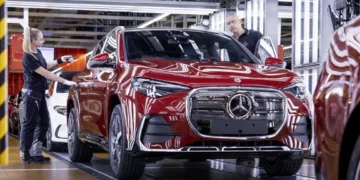








Mercedes-Benz has unveiled the first fully electric C-Class, and this is not a cautious hedge.
The company is presenting it as a proper core-model C-Class for the EV era — a meaningful decision, because the C-Class badge still does considerable work for Mercedes-Benz globally.
For many buyers, this is the brand’s traditional compact executive saloon, now reworked into a battery-electric model with familiar premium cues and far more ambitious tech underneath.
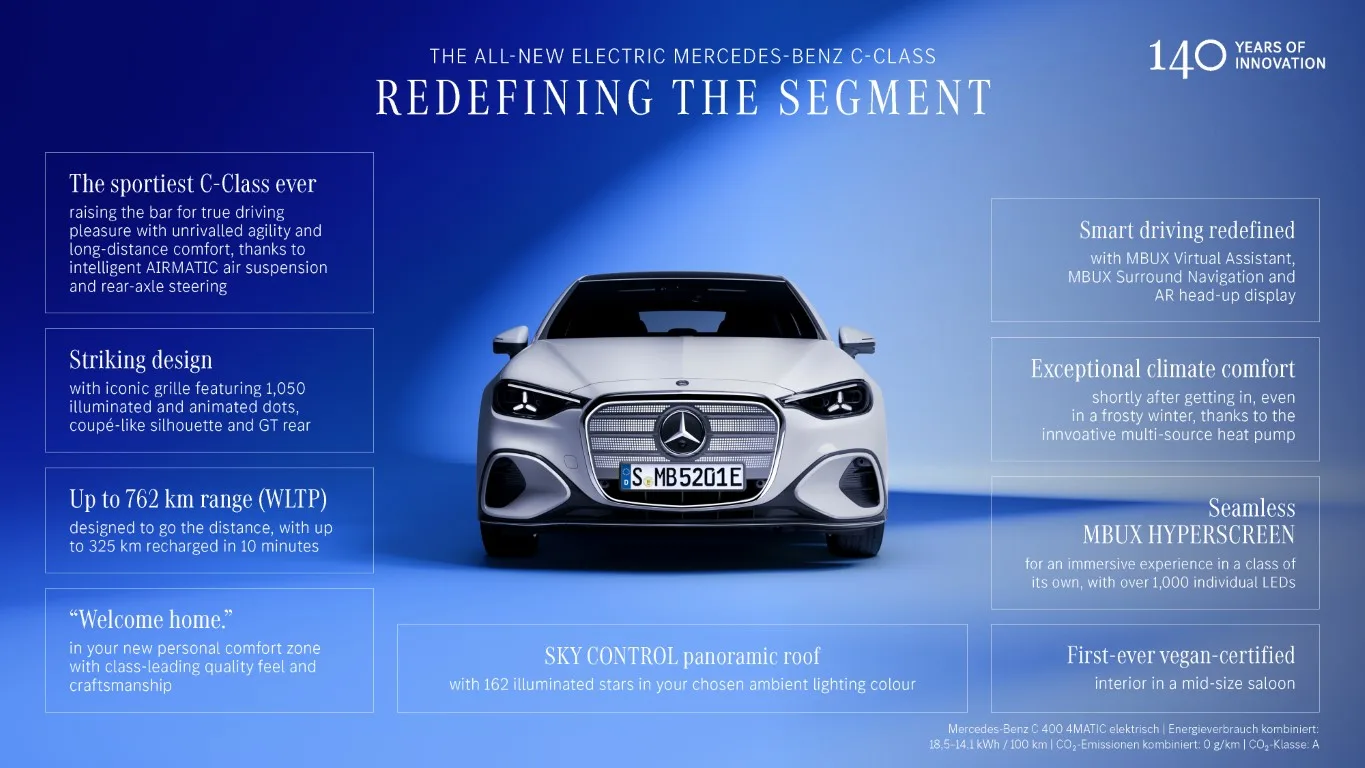
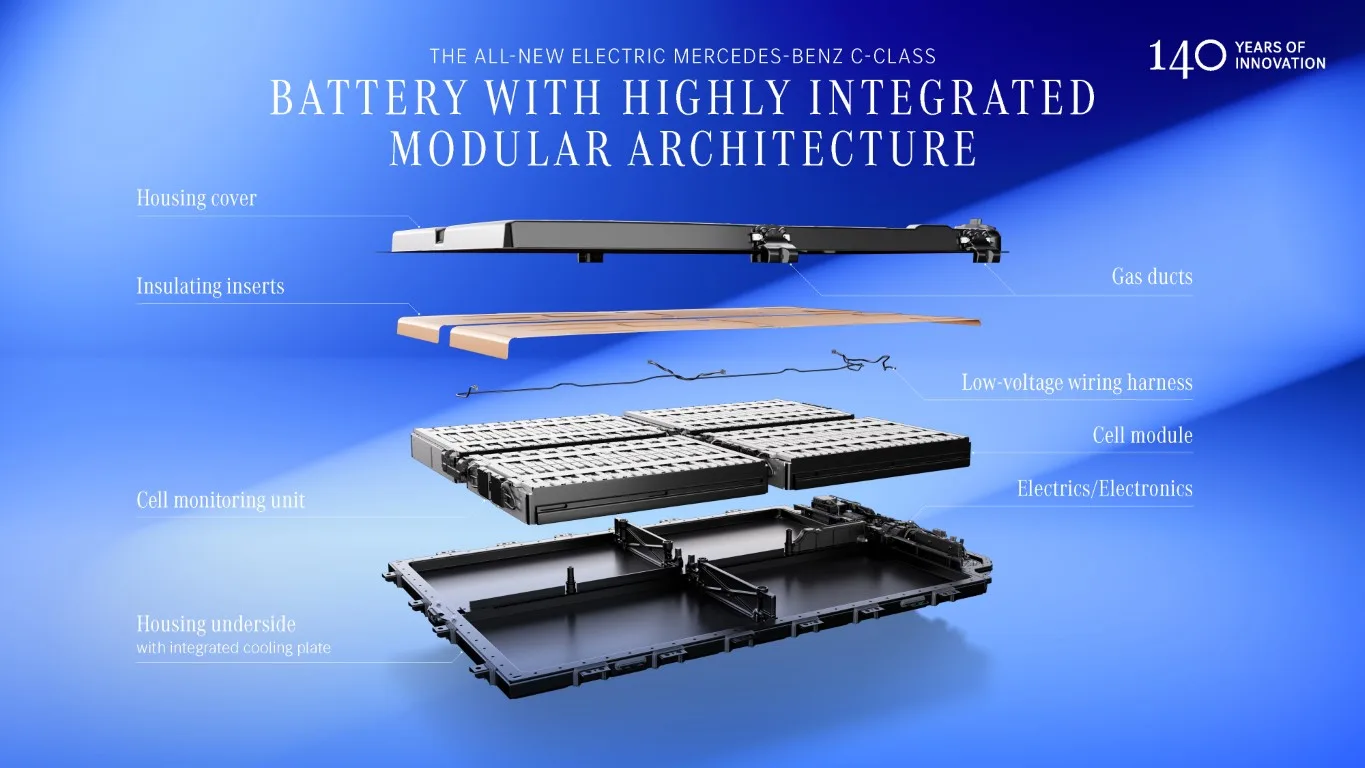
The launch model is the C 400 4Matic electric, with 360kW, 0-100kph in 4.0 seconds, and up to 762km of WLTP range from a 94kWh usable battery.
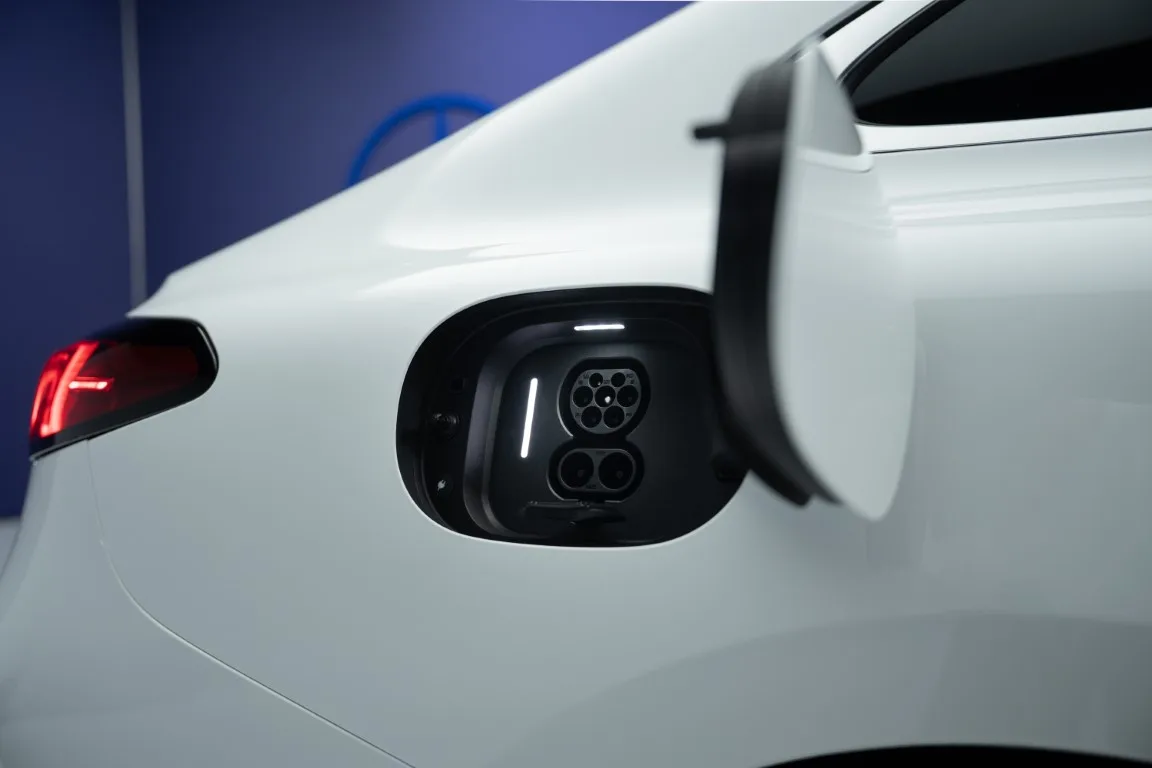
It runs an 800-volt electrical architecture and, under the right conditions, can add up to 325km of WLTP range in 10 minutes at DC fast chargers, with peak charging of up to 330kW.
More variants will follow next year, including a rear-wheel-drive version expected to stretch range to around 800km WLTP.
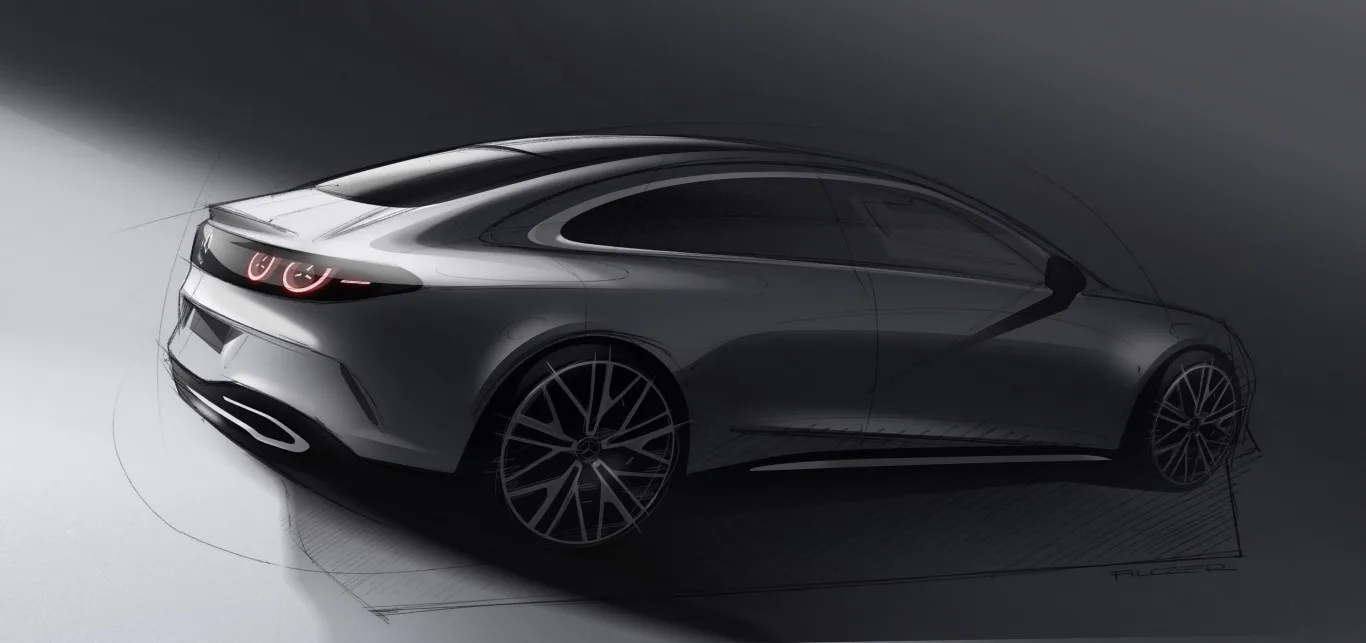
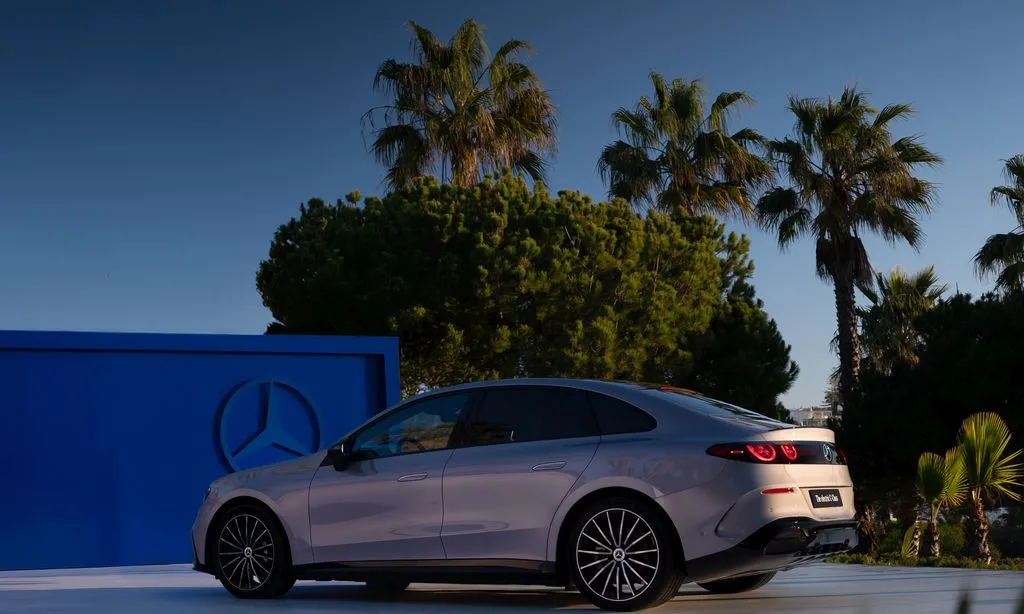
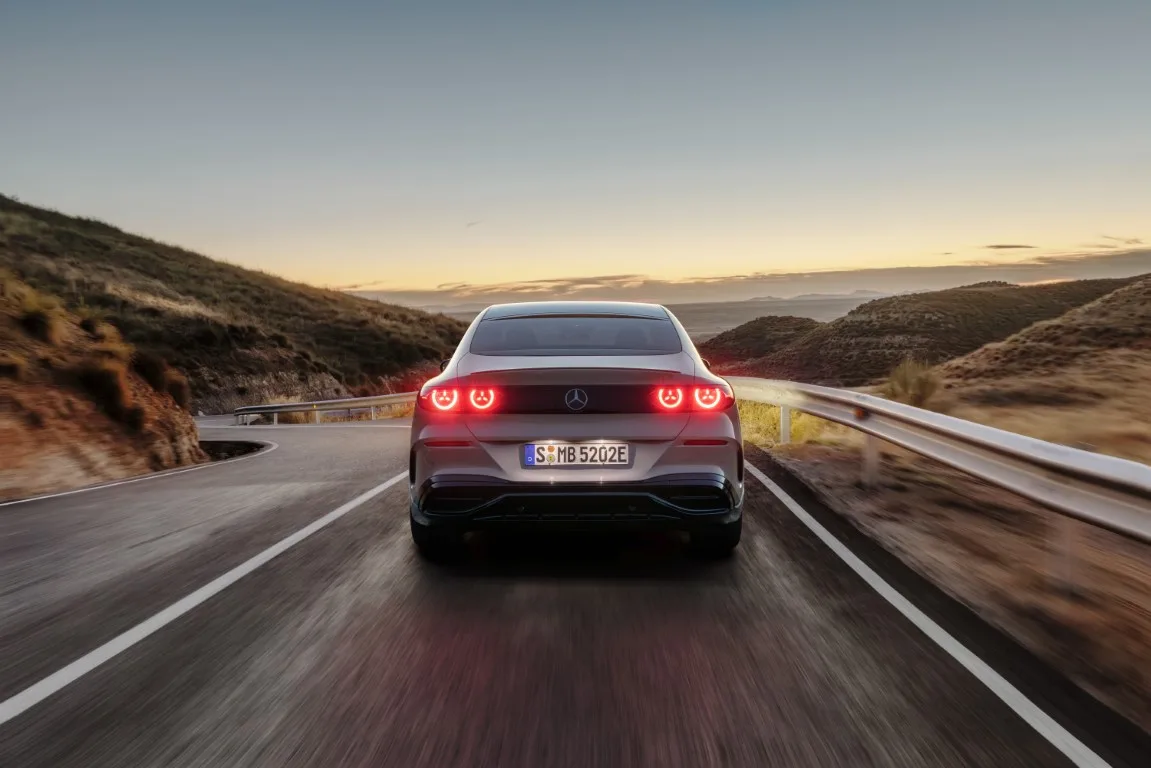
Much of the efficiency work begins with the shape. Mercedes-Benz quotes a drag coefficient from 0.22, helped by a low nose, smooth underbody, flush detailing and a fastback-style rear.
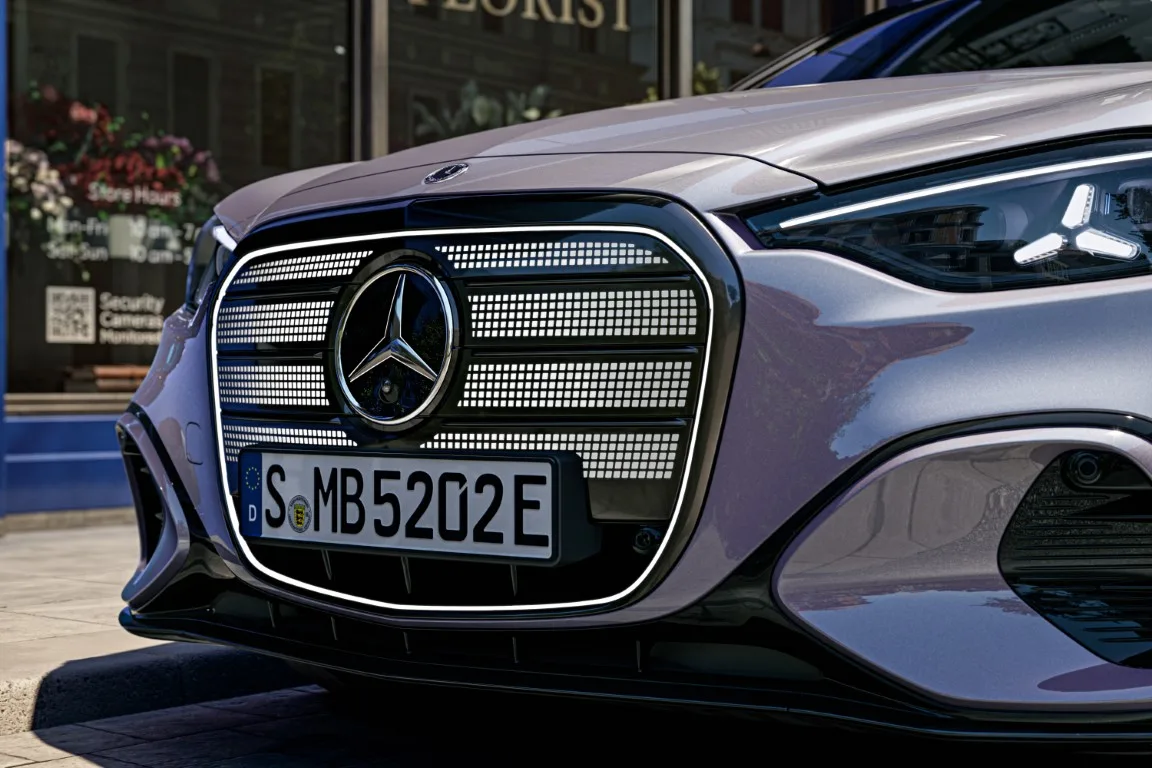
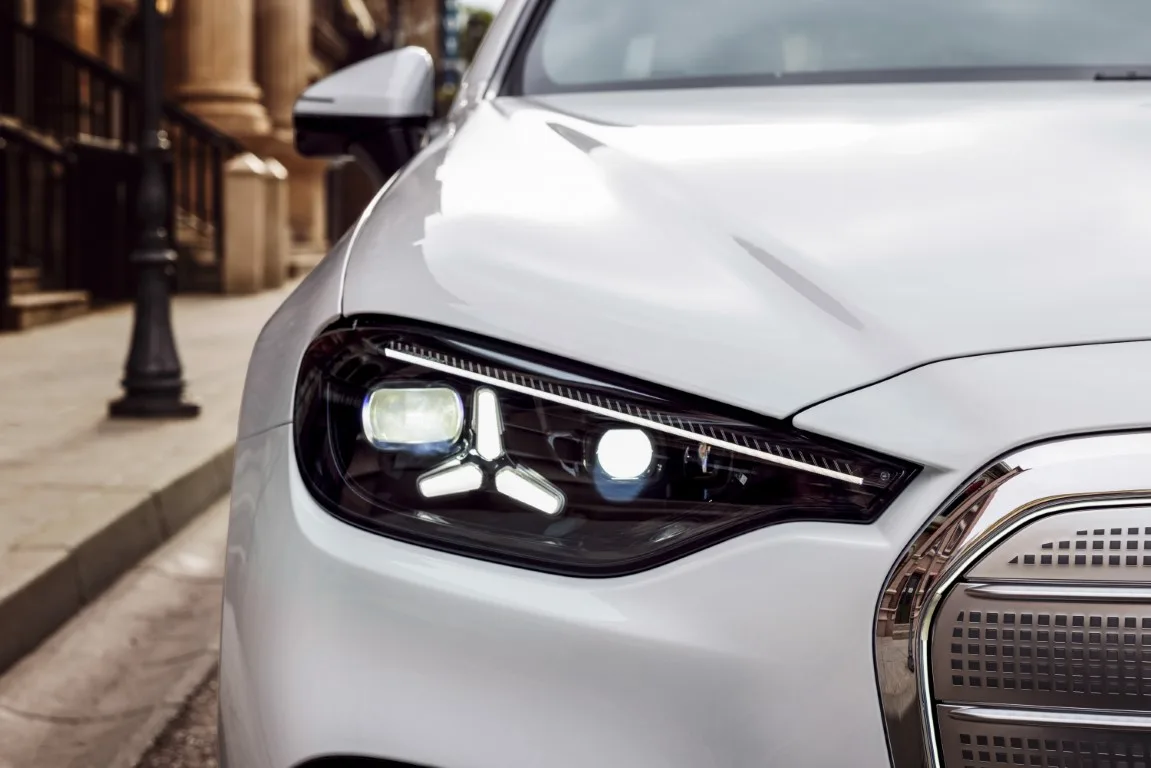
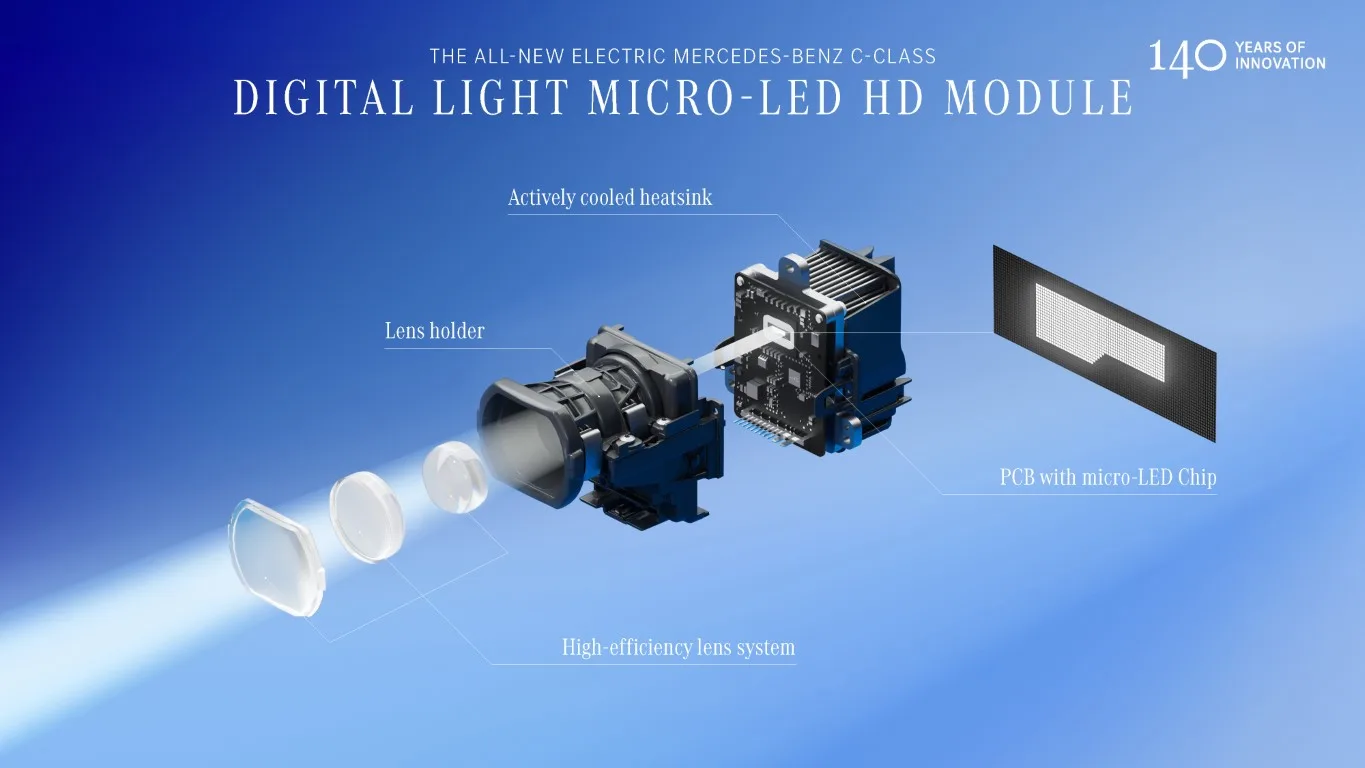
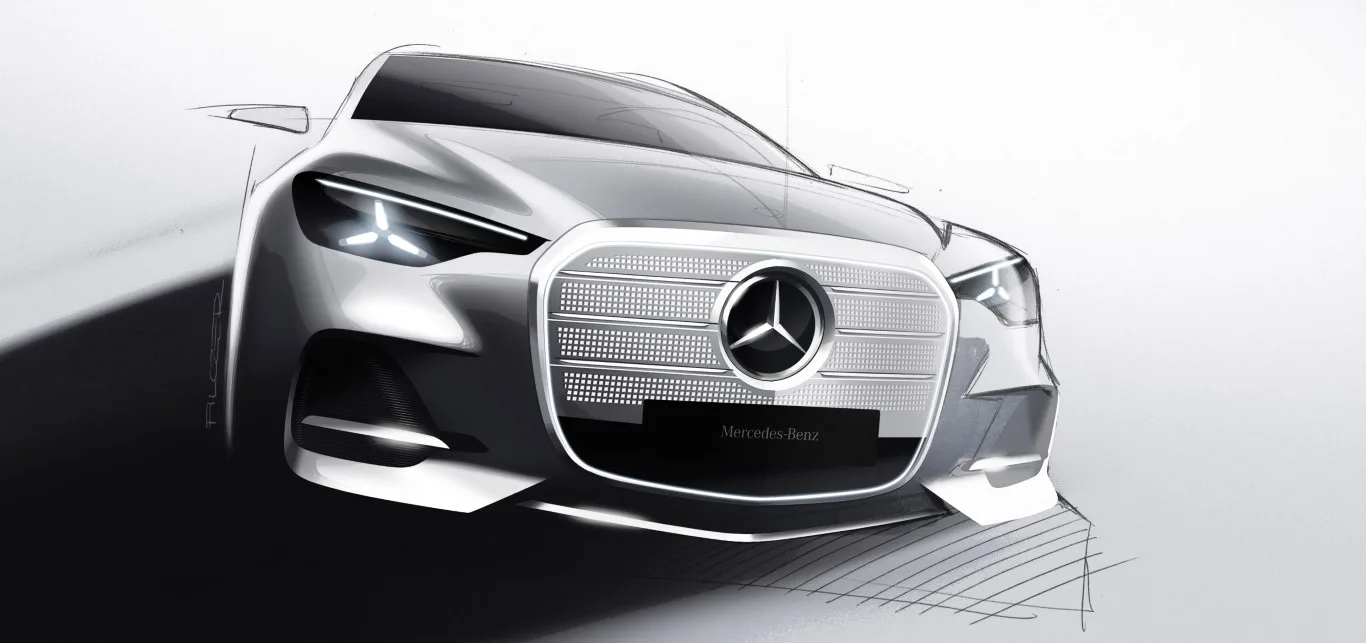
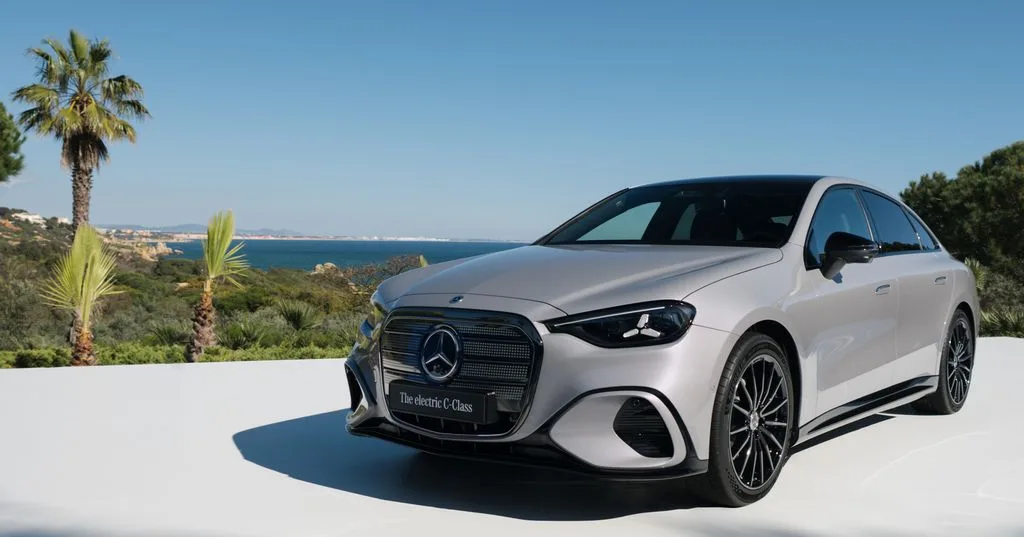
Visually, it looks less like a conservative three-box saloon and more like a sleek electric four-door with a coupé-like roofline. Up front, an illuminated grille carries the central star and star-themed lighting signatures, while the rear uses four round star-design taillights to reinforce the point.
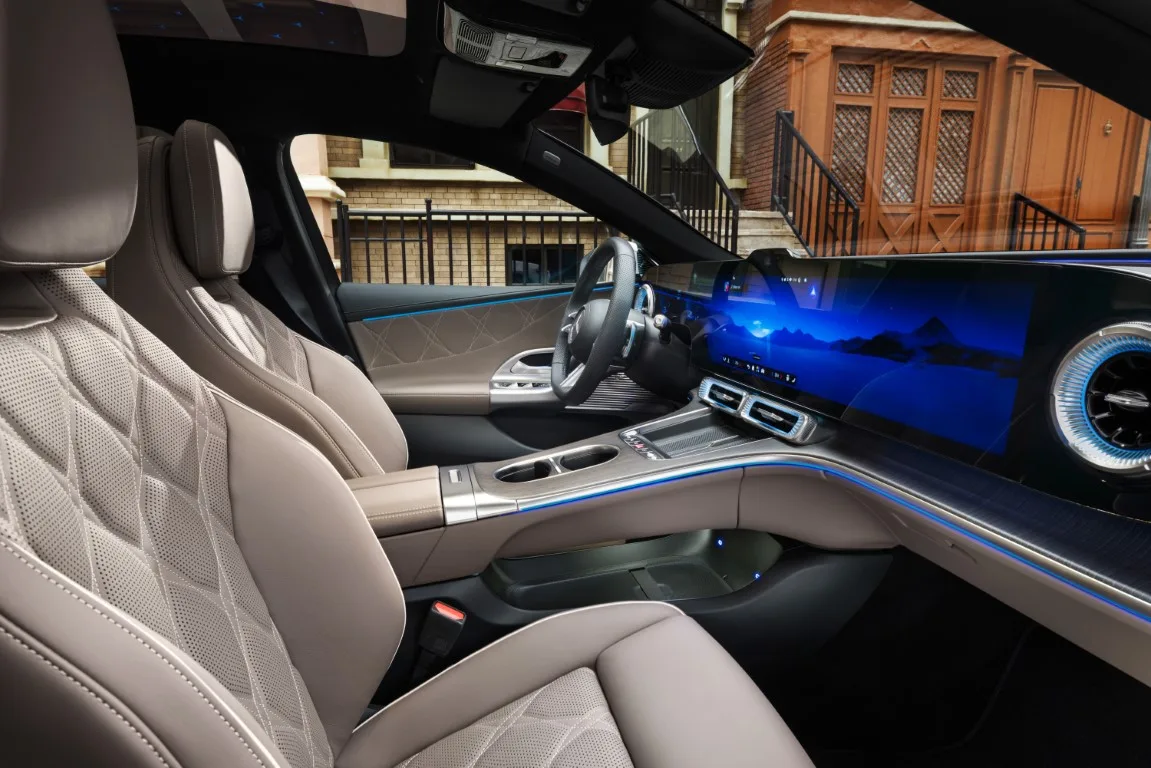
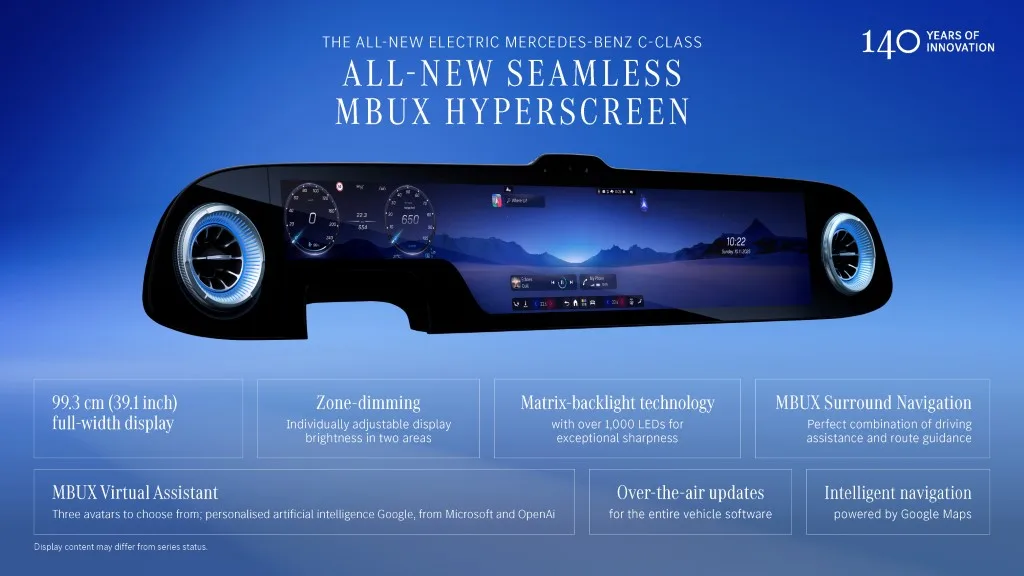
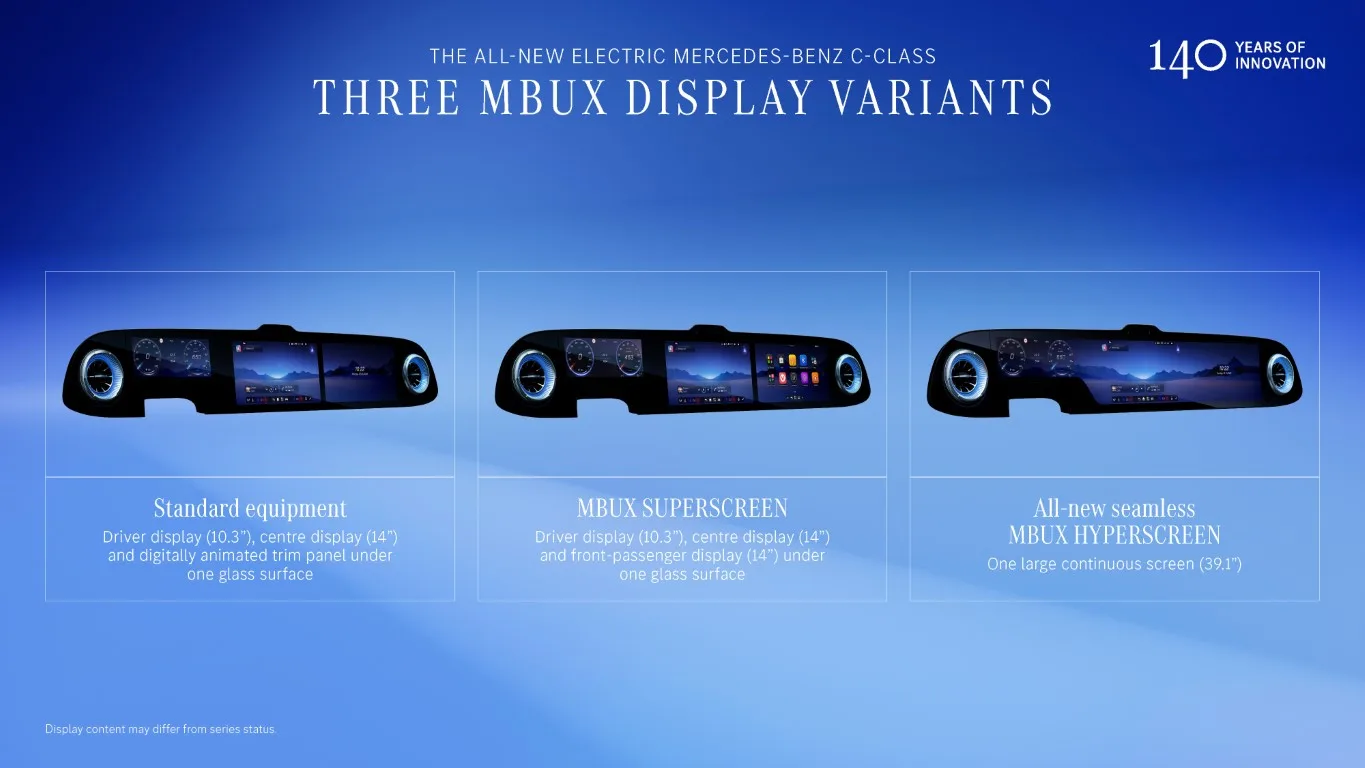
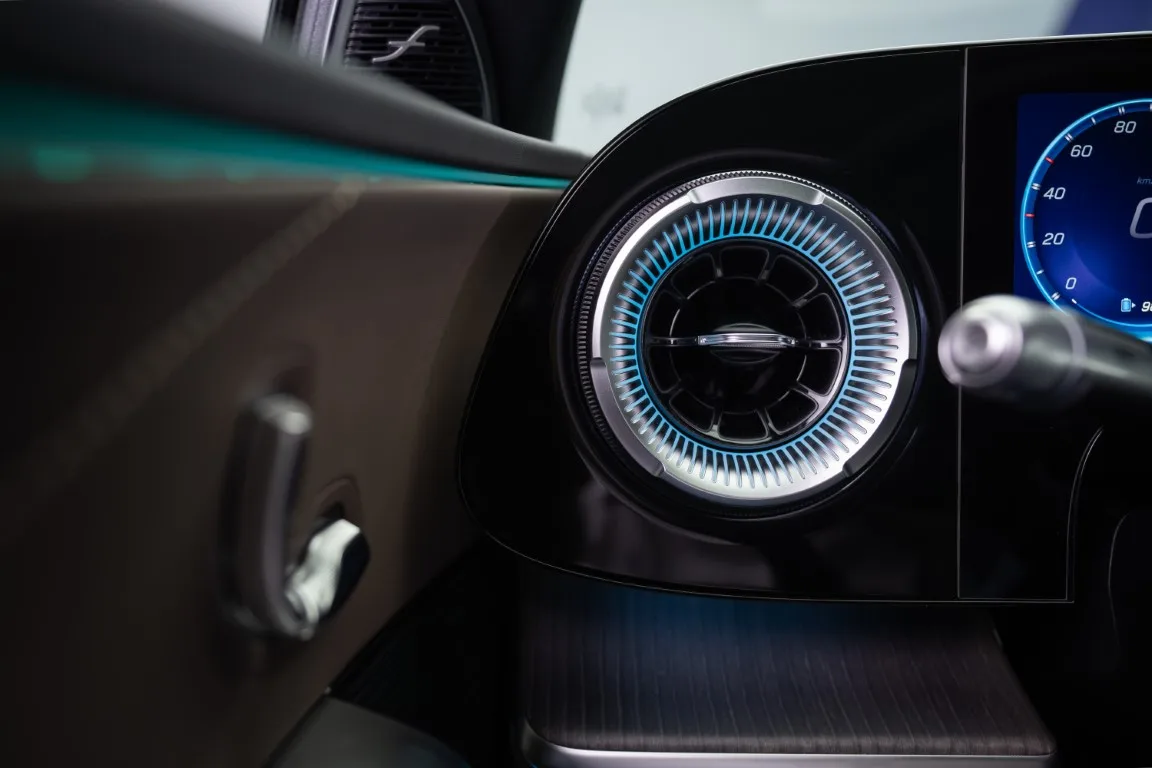
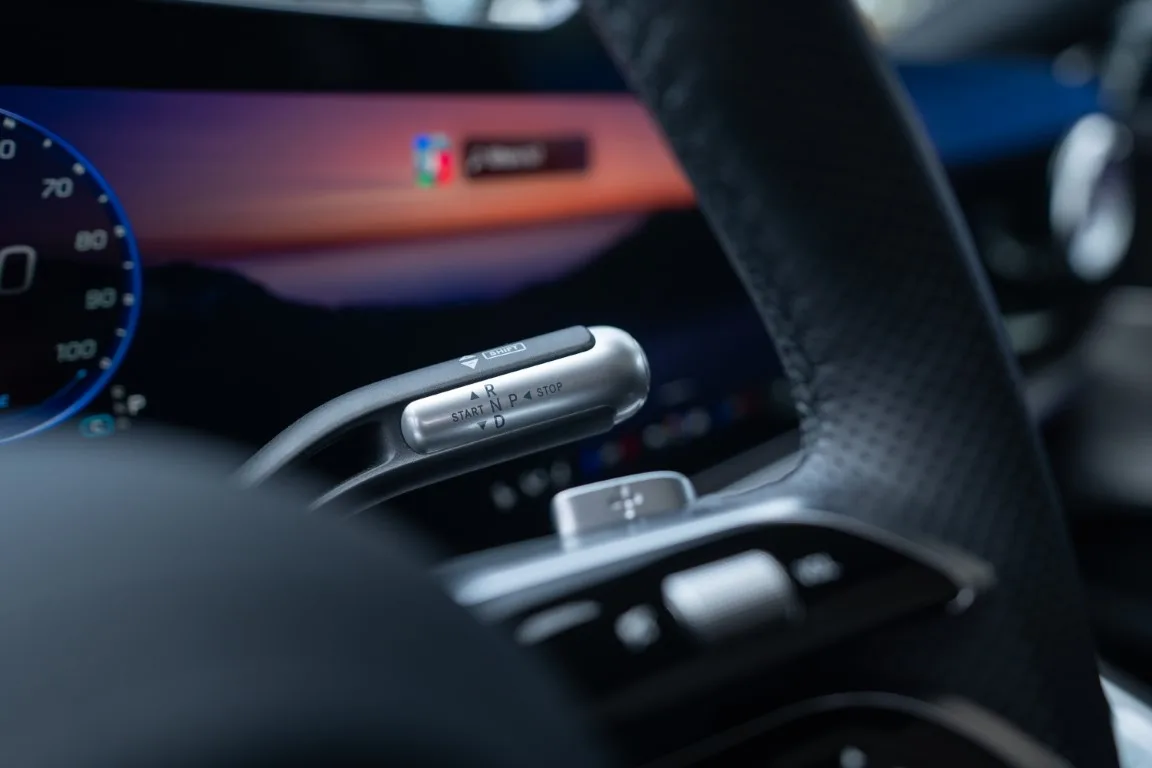
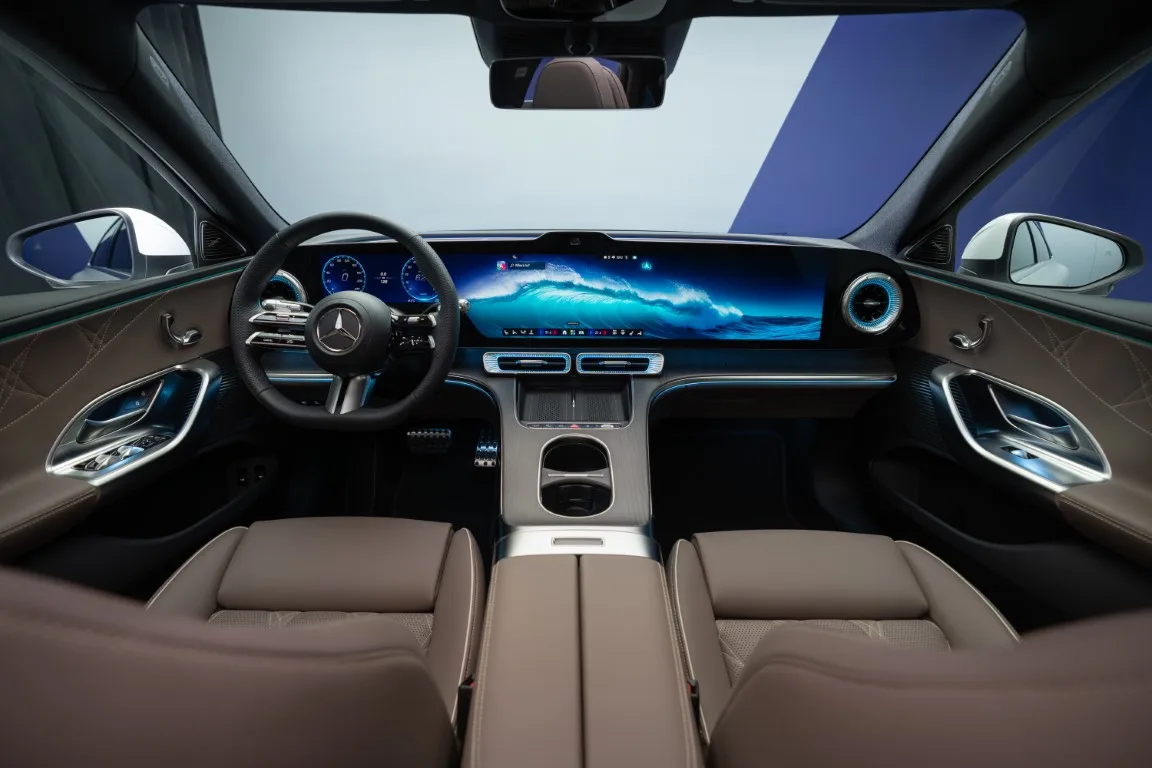
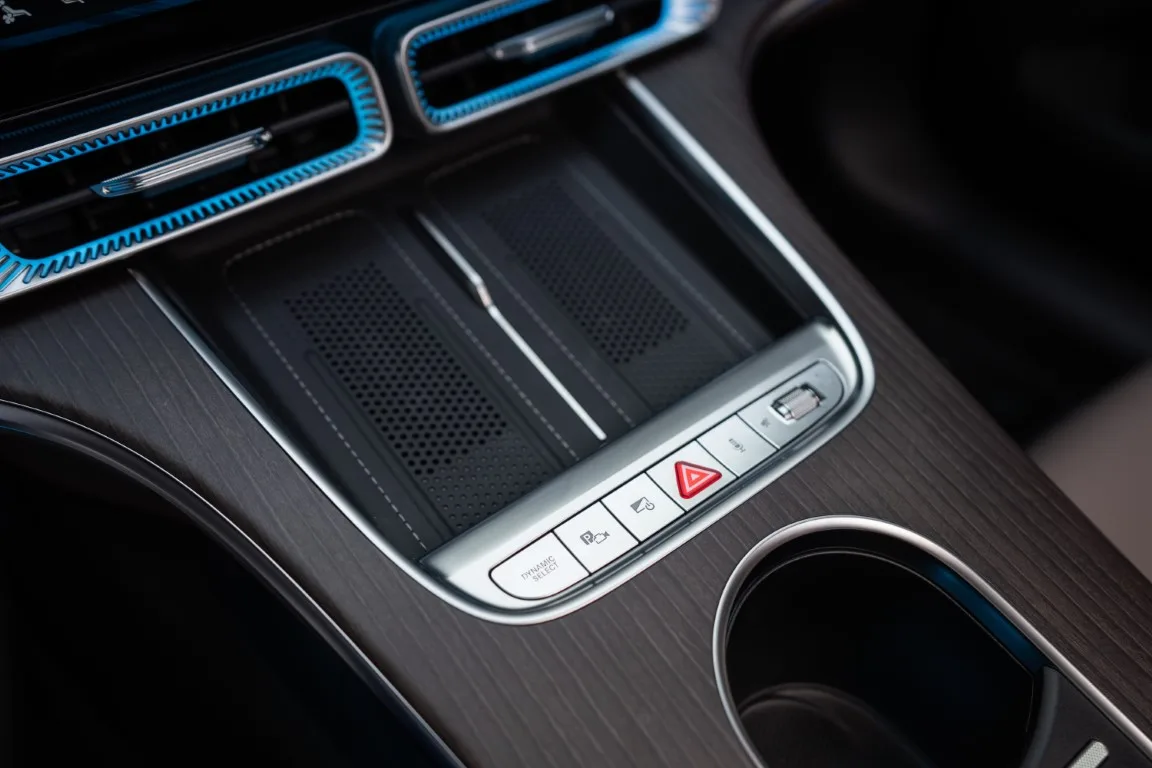
Inside, Mercedes-Benz has gone big on screens without entirely abandoning tactility. The optional 39.1-inch MBUX Hyperscreen stretches across the cabin, and a three-screen Superscreen setup is also offered. There are still physical controls where they count — a volume roller and switchgear on the steering wheel and centre console.
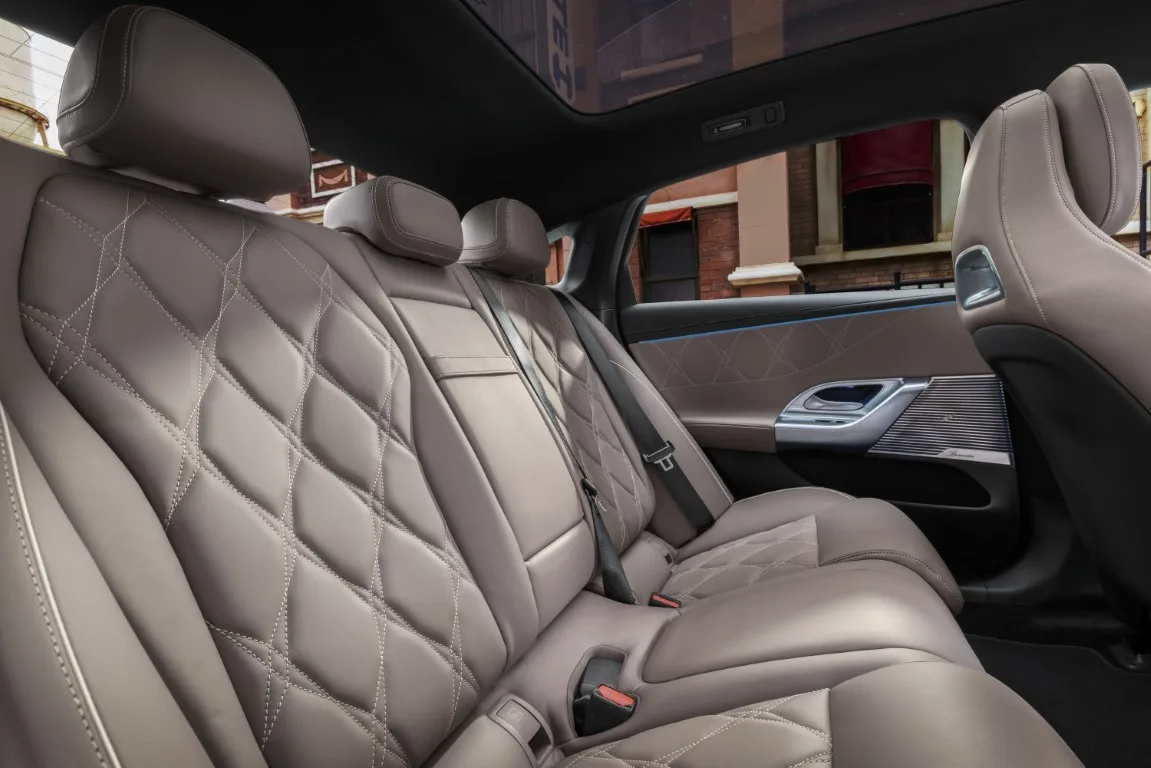
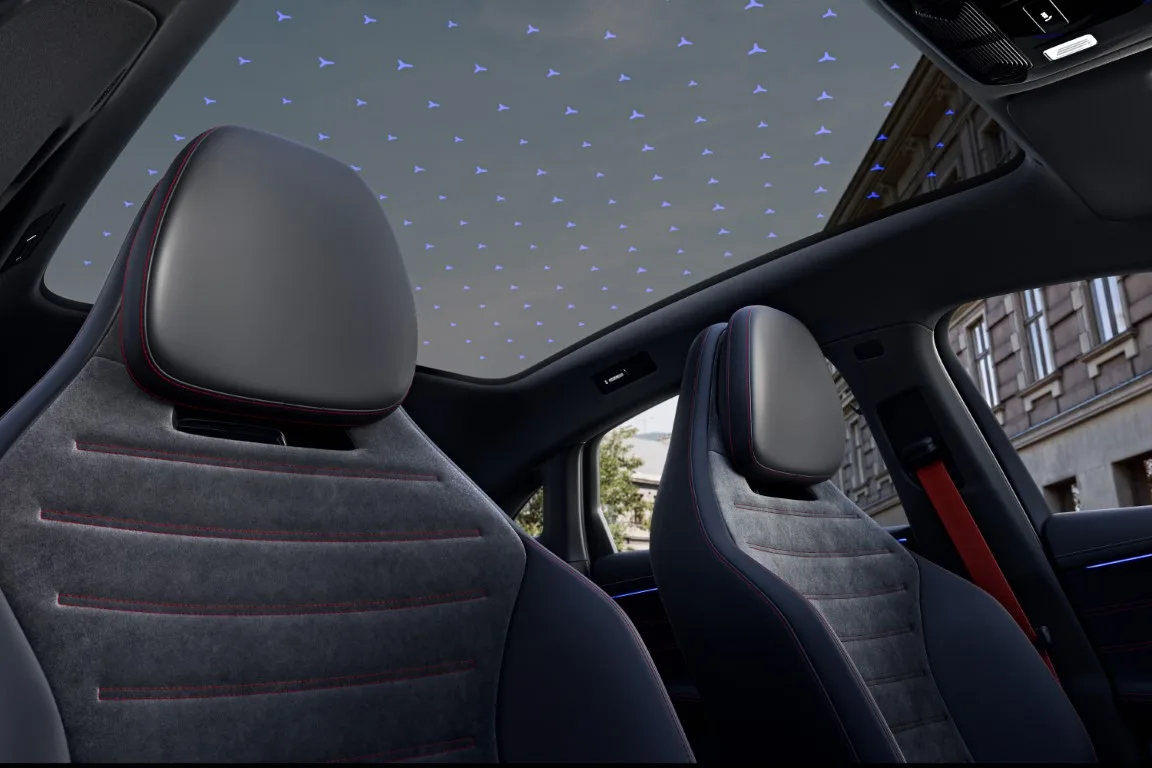
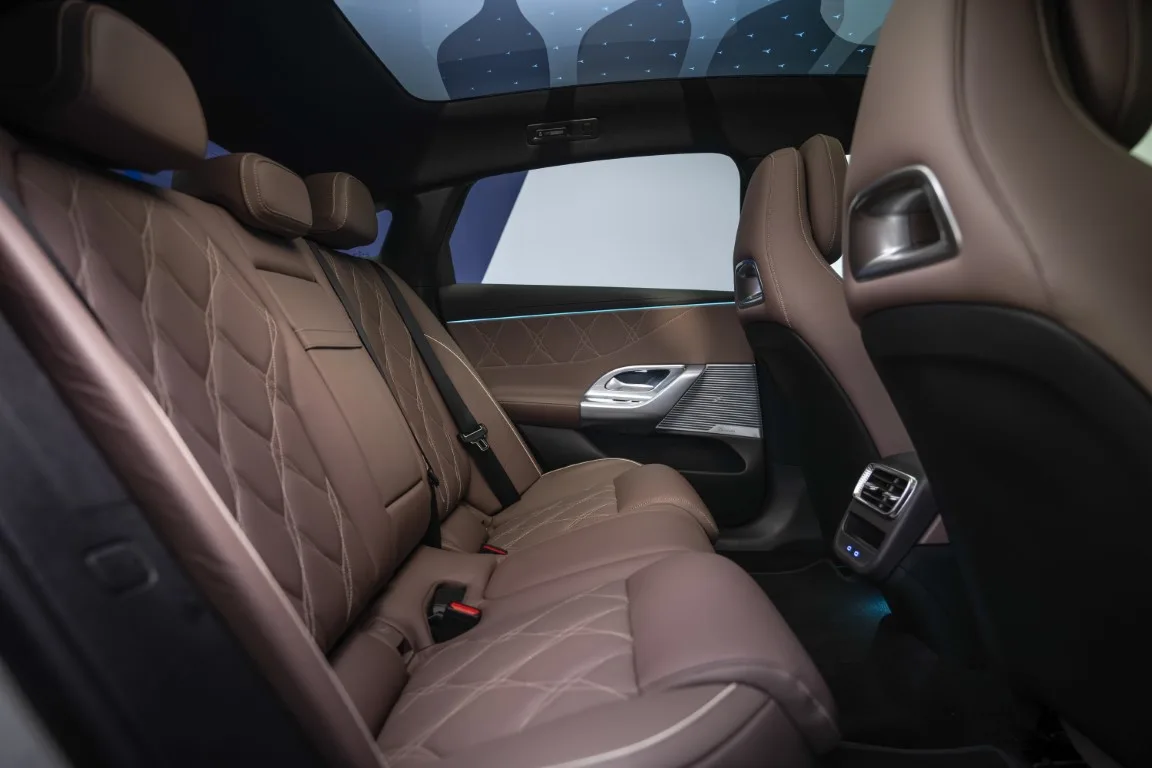
The available high-end seats bring massage, ventilation, lumbar support and even 4D sound transducers in the backrests. These all set up the car to be a long-distance luxury product, not a gadget.
Space could be one of the car’s stronger points. Because this EV sits on a dedicated electric architecture, the wheelbase is 97mm longer than that of the combustion C-Class saloon, freeing up more legroom up front and improving headroom throughout.
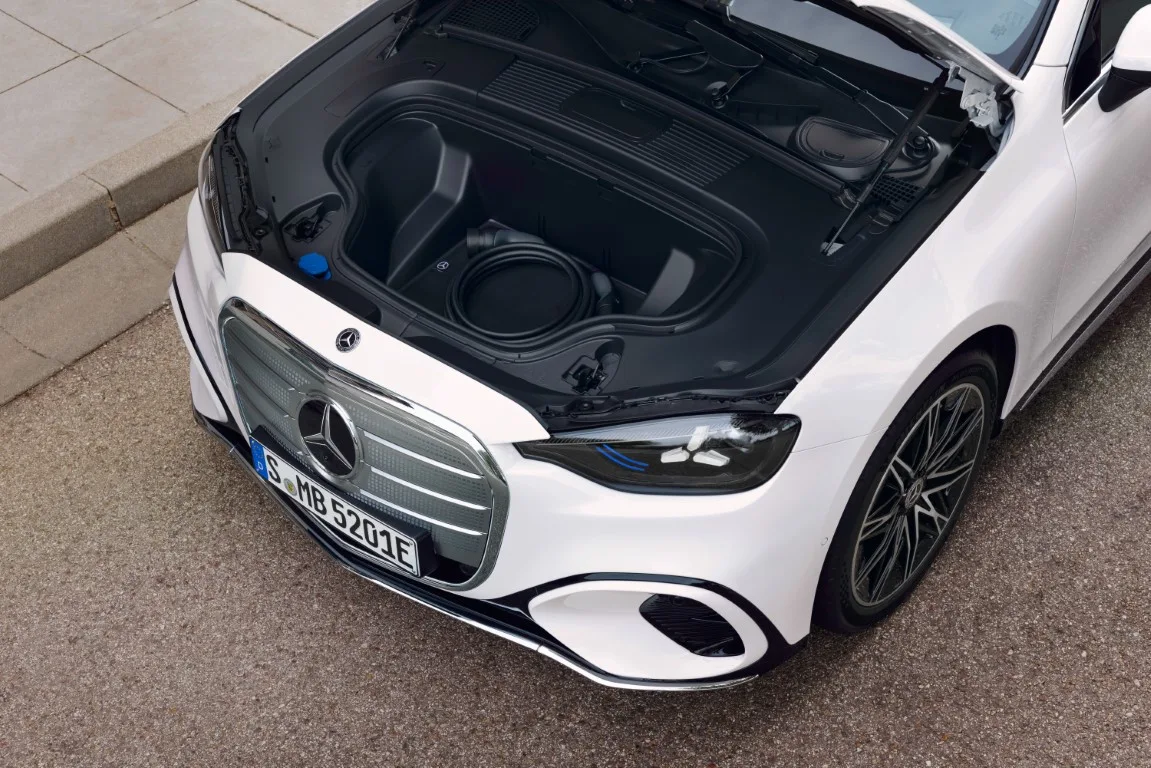
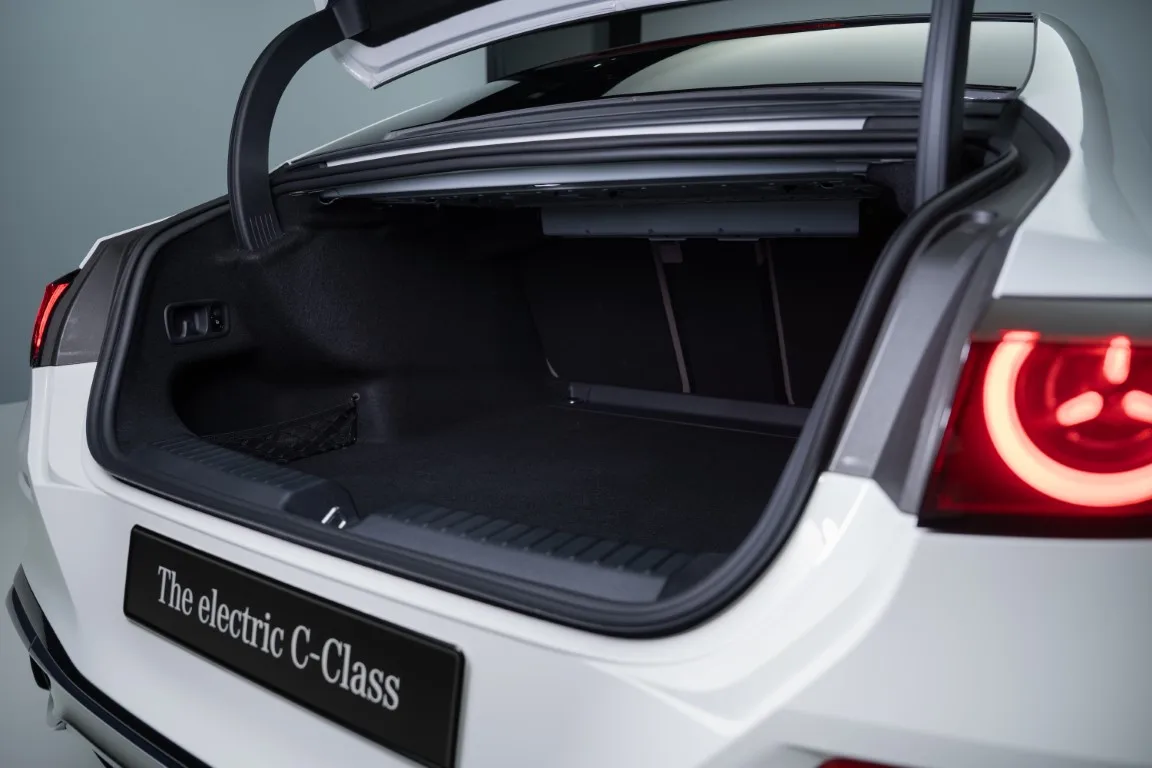
Boot space is 470 litres, with a 101-litre frunk on top of that. Towing capacity reaches 1.8 tonnes braked — a number that most electric saloons in this segment cannot match.
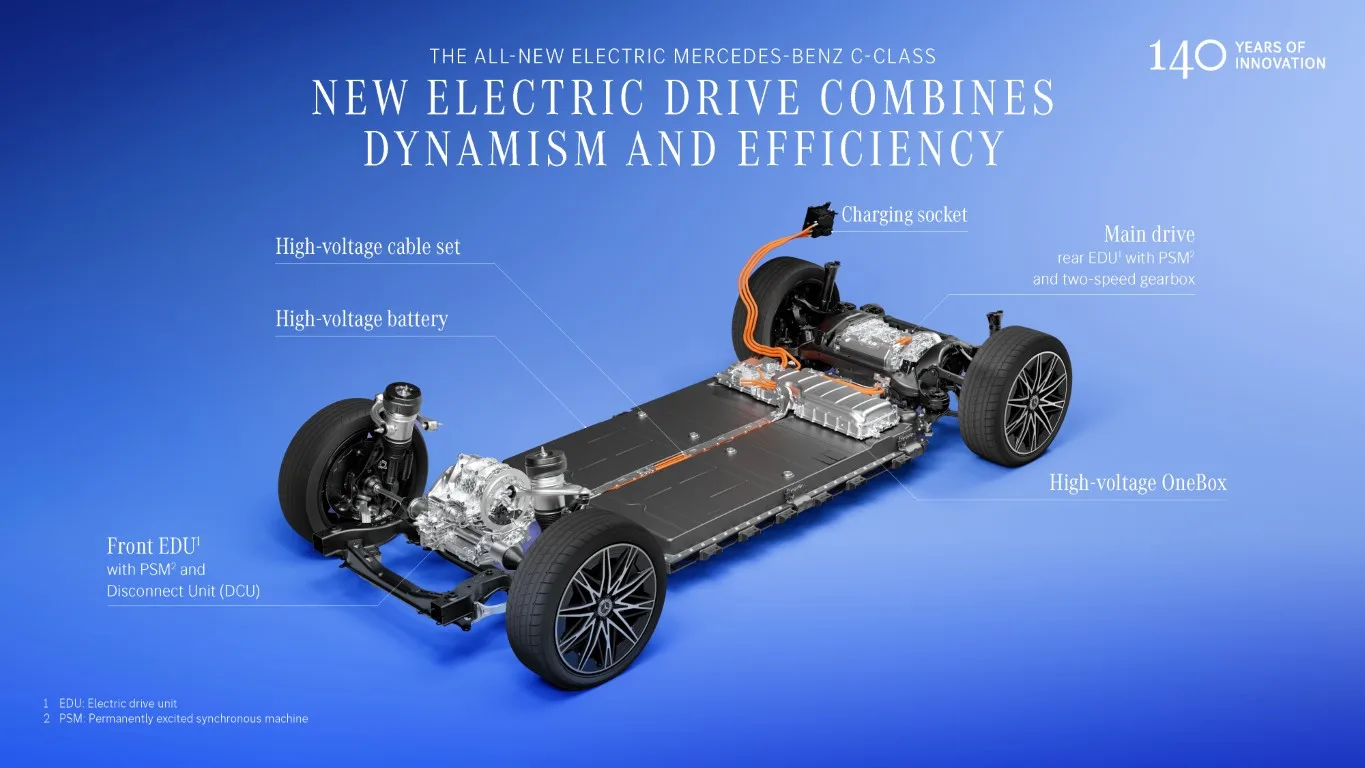
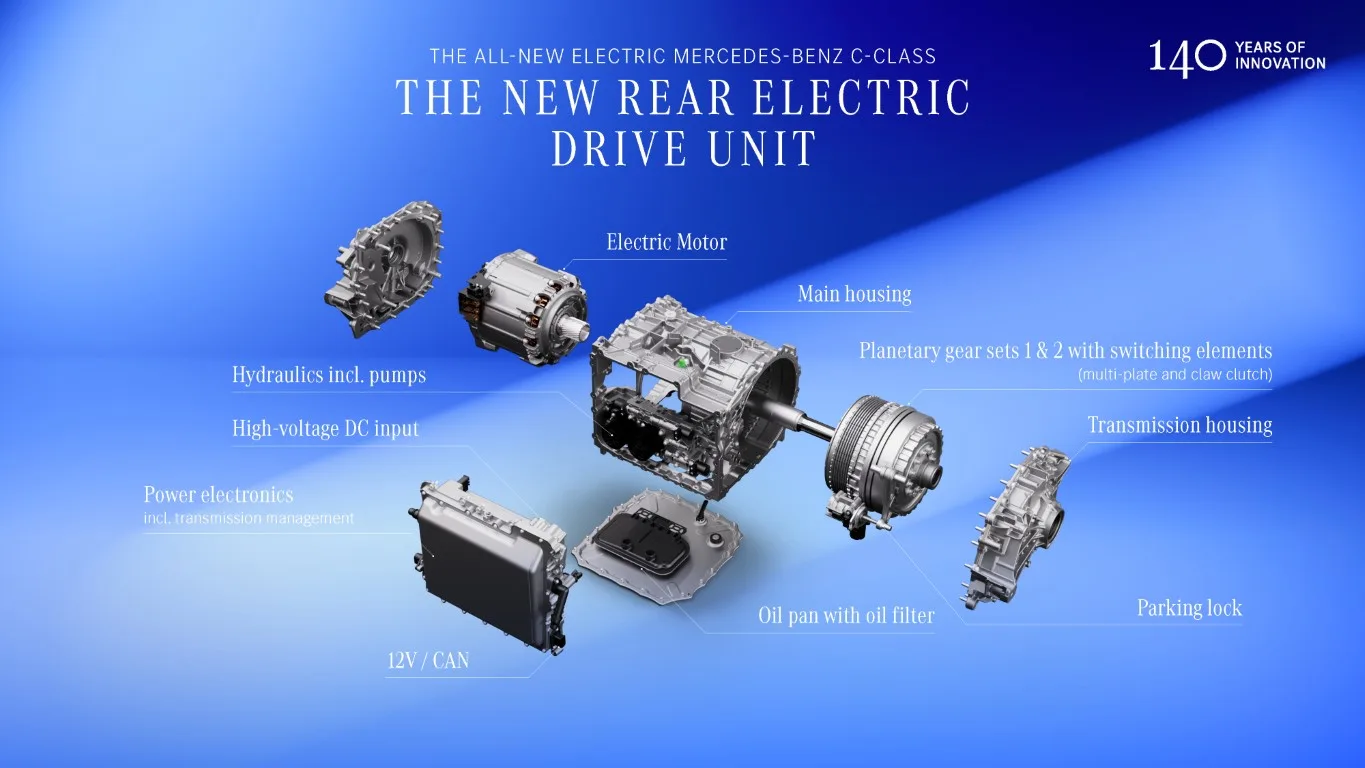
The drivetrain tries to cover a lot of ground. The rear-mounted permanently excited synchronous motor is paired with a two-speed transmission, intended to deliver strong low-speed response and better motorway efficiency.
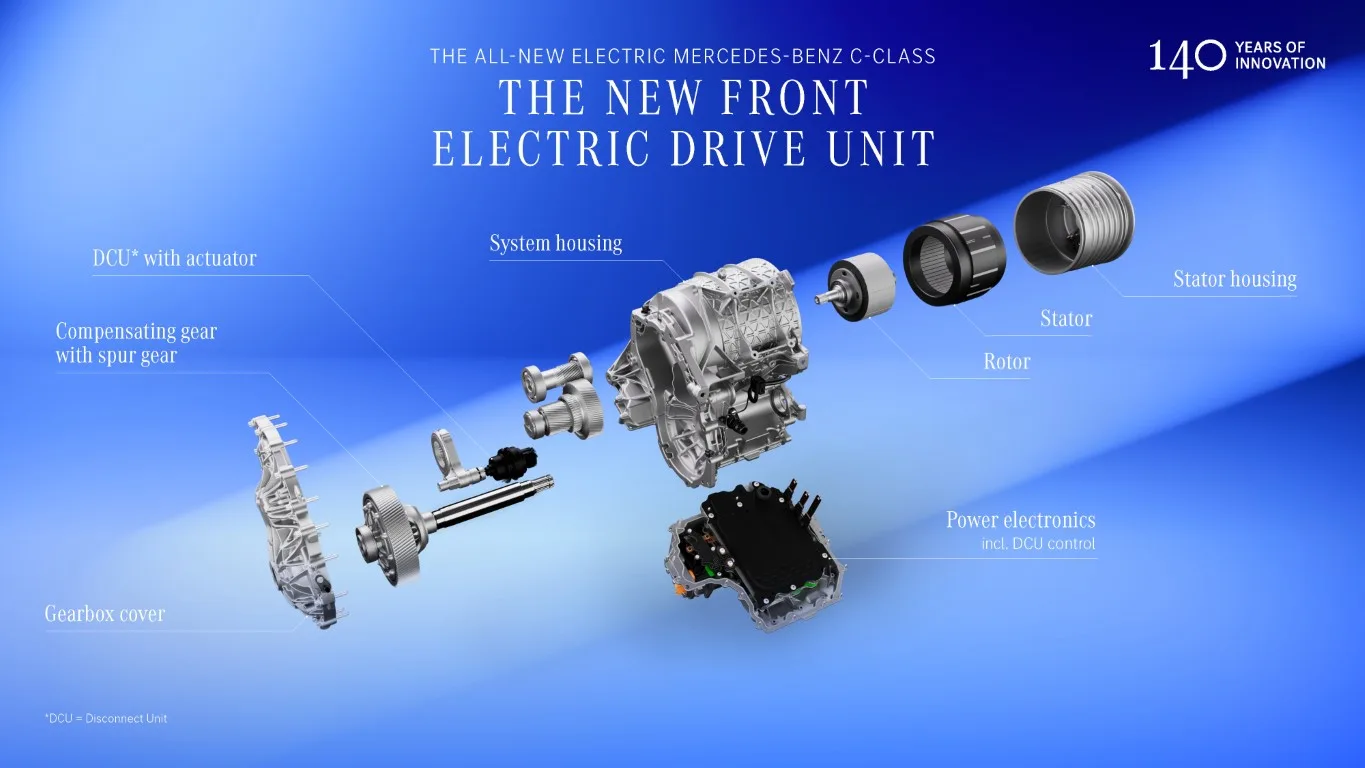
All-wheel-drive versions add a front motor that disconnects when not needed to cut drag losses. Optional chassis hardware includes Airmatic air suspension and 4.5-degree rear-axle steering, bringing the turning circle down to 11.2 metres.
Predictive damping draws on Car-to-X data and Google Maps information to prepare for road conditions ahead.
The thermal management is genuinely considered. A new multi-source heat pump draws from the drive unit, battery and ambient air, helping the cabin warm faster while drawing far less energy than a conventional heater.
One-box braking supports recuperation of up to 300kW, and in many situations the car can brake electrically all the way to a standstill.
BMW is moving in parallel. Earlier this month, BMW confirmed that series production of its new i3 begins in August 2026 at its Munich plant — the opening chapter of the Neue Klasse rollout.
Mercedes-Benz is not arriving ahead of the competition; it is arriving alongside it.
The software layer is substantial. MB.OS underpins over-the-air updates, navigation, charging and assistance systems.
The latest MBUX setup combines ChatGPT-4o, Microsoft Bing and Google Gemini for its voice assistant, while navigation runs on Google Maps with integrated charging route optimisation.
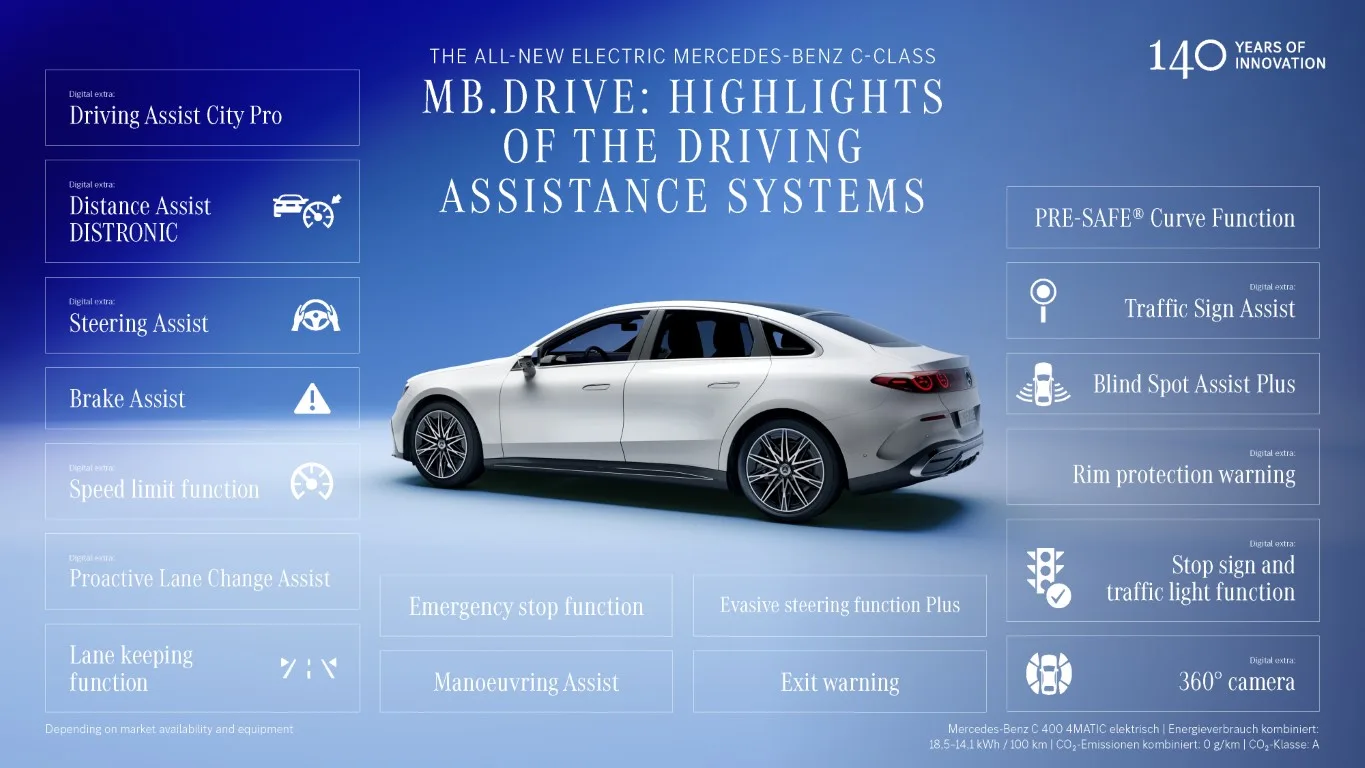
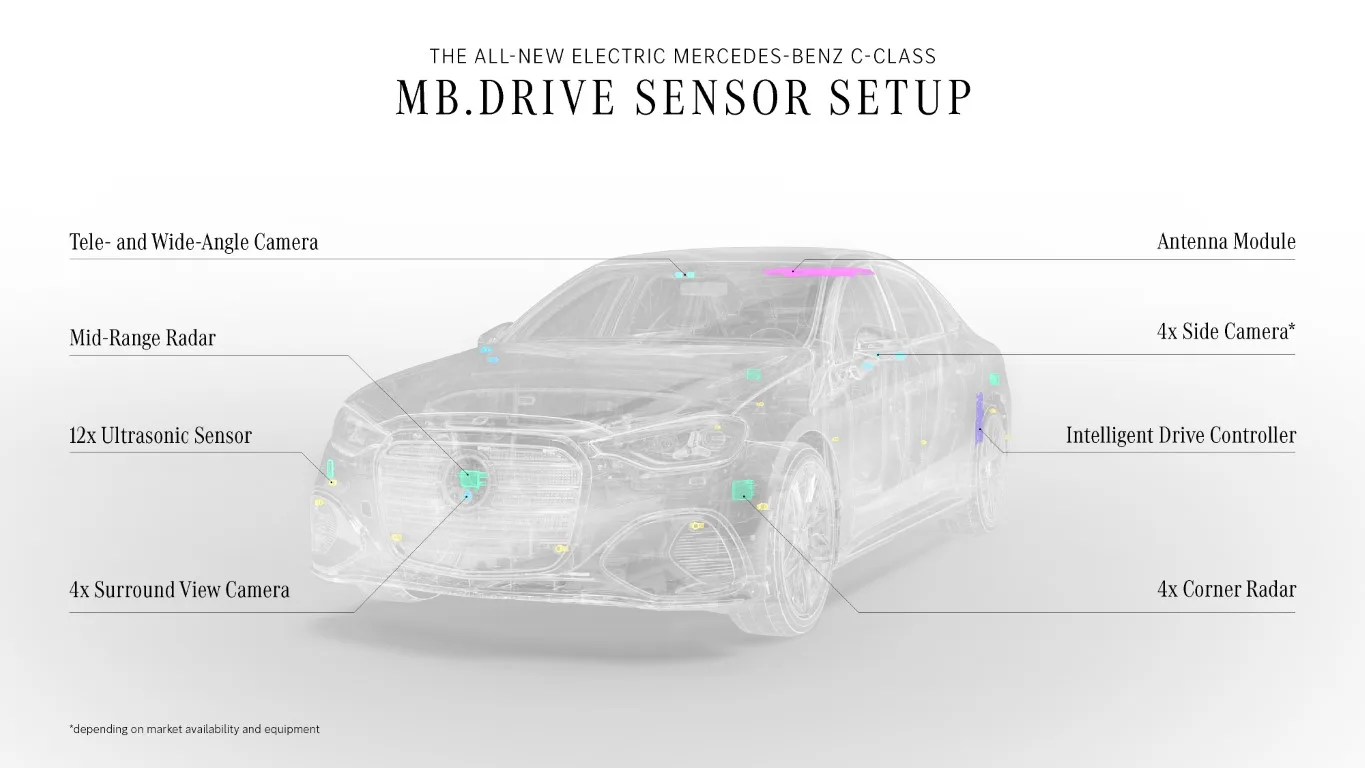
Augmented-reality navigation and the MB.DRIVE assistance suite round things out, though some functions will depend on local regulations. The market launch starts in the United States, with further rollout to follow.
The intention is straightforward: make this electric C-Class feel like a C-Class first, and an EV second.
Quick, polished, comfortable enough that existing buyers do not feel short-changed.
That gap between the spec sheet and the school run is where every electric car either earns its badge or doesn’t.
On paper, the case is strong. And it arrives just as BMW begins making its counter-argument in metal.