




Kia plans to push harder on digital tech inside its next-generation models, but it does not intend to ditch buttons for everything.
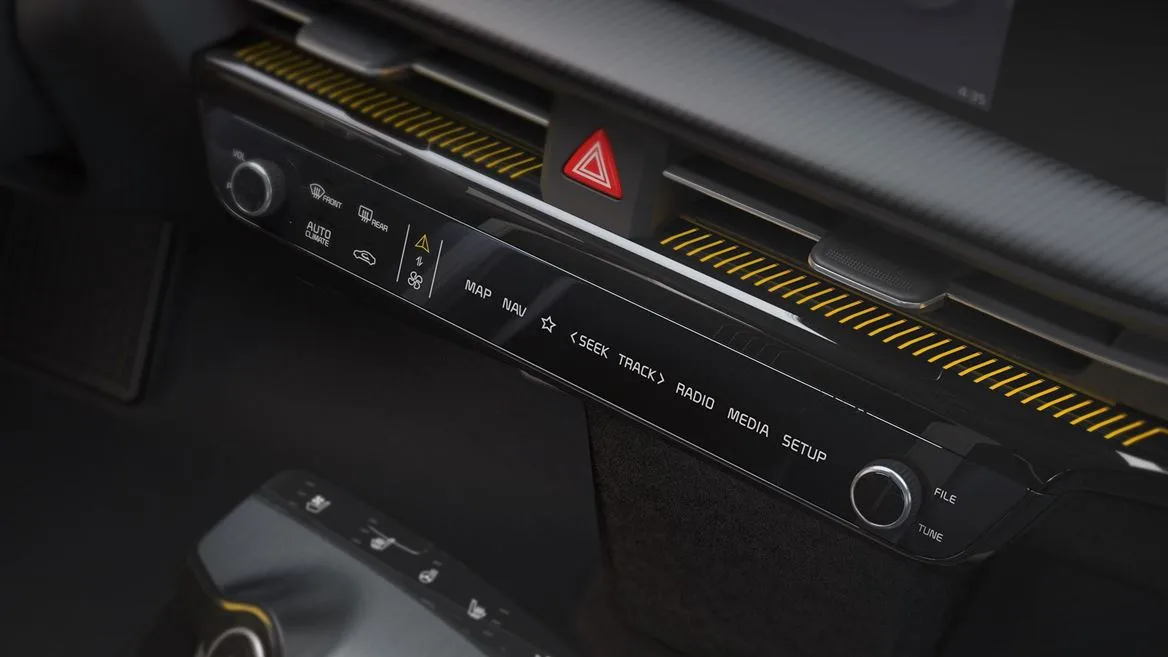
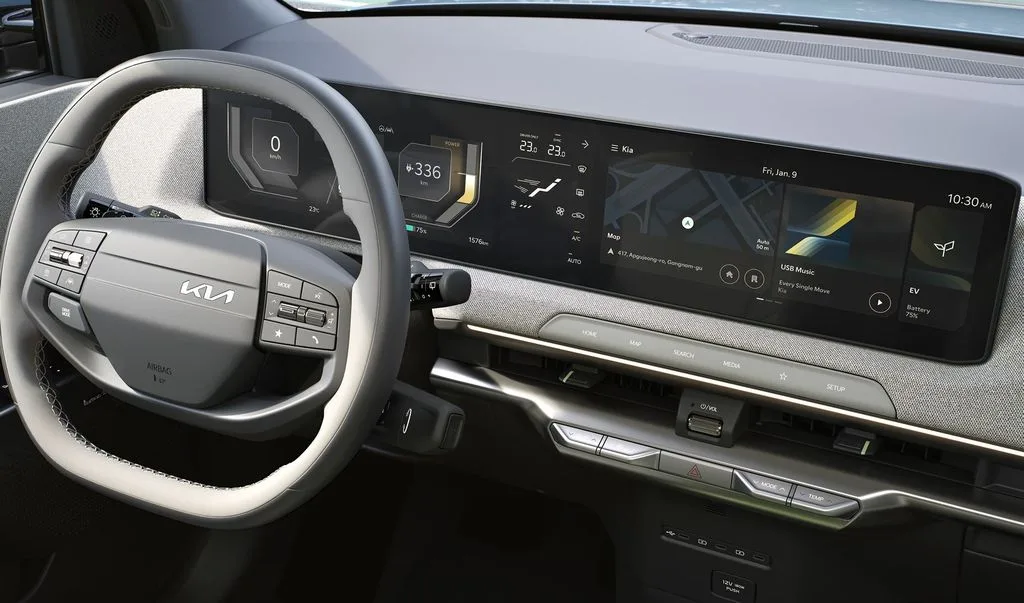
According to UK’s Autocar, Kia’s current cars are already heavily reliant on screens for infotainment and climate control, yet still keep physical switchgear for key functions.
That approach is different from a growing wave of Chinese rivals whose cabins are designed to look almost button-free.
Kia interior design chief Jochen Paesen said the goal is not to chase minimalism for its own sake. The brand is looking to raise the “digital and experiential component”, he said, but only if the basics remain quick and foolproof.
“We never really went away completely for buttons,” Paesen said, arguing that some functions must be found instantly, without the risk of fumbling through menus. Those controls, he added, stay physical because “you don’t want to mess up”.

The bigger point, Paesen suggested, is restraint. He acknowledged China’s pace and willingness to try bold ideas, but warned against piling in features just because they exist.
“It’s really important that you don’t just add more and more features and bells and whistles,” the ex-BMW designer told Autocar, stressing that technology must feel useful, not noisy.
For Kia, selling globally complicates any one-size-fits-all approach. Paesen said the company’s market research across regions keeps leading back to a simple conclusion: people may differ in how tech-savvy they are, but their needs are broadly similar. If a driver must “go down three steps” in a menu to reach a common function, he said, “that’s bad for everybody”.
Kia’s next challenge, he argued, is making cars feel less like gadgets that require training and more like tools that reduce steps and friction.
It wants the next wave of cabins to feel less like a touchscreen test and more like a welcoming space, mixing smarter screens with the right physical controls.