








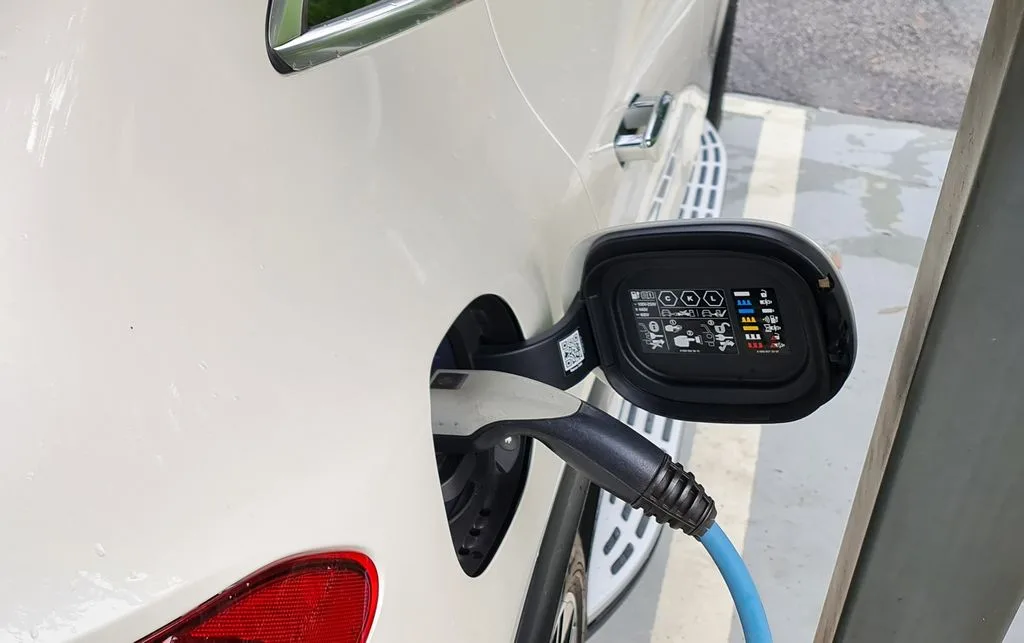
If you are thinking of installing a home wallbox for your electric vehicle, Tenaga Nasional Berhad (TNB) has a stark message: check your house wiring before you plug in.
In an official letter dated Aug 6 to the Malaysia Zero Emission Vehicle Association (MyZEVA) and the Malaysia Electric Vehicle Owners Club (MyEVOC), TNB said it has been getting more reports of fuses blowing and sudden power trips in homes when EVs are charged.
The pattern indicated high-powered chargers are being added to already busy household circuits, and the supply simply could not cope.
Most landed and terraced houses still run on a single-phase 5kW connection. That is usually enough for lights, fans, air-conditioners and kitchen appliances. Add a 7kW wallbox on top, and something has to give.
According to TNB, anyone on 5kW single phase who wants a 7kW charger must first apply to upgrade to a three-phase supply so the system can safely carry the extra current. The same condition applies to chargers up to 22kW.
While many charge point operators note that single-phase systems can technically support 7kW charging, TNB’s stance is that Malaysia’s typical 5kW single-phase domestic supply does not provide enough headroom for such chargers when combined with normal household loads.
As a result, the utility company now requires owners to upgrade to three-phase before installing 7kW to 22kW wallboxes.
Skip that step and you risk tripping the supply every time you try to charge.
It is not hard to imagine the scene: it is late at night, the EV is almost empty, you start a charge and the whole house goes dark.
TNB said the point of the upgrade is to avoid exactly that sort of nuisance blackout, as well as to protect wiring, chargers and the wider network as EV numbers grow.
The company also wanted EV clubs to help spread the word, saying many drivers still treat home chargers as simple plug-and-play gadgets rather than major electrical installations that draw as much power as several big appliances combined.
To guide owners and contractors, TNB pointed to two references. One is its Electricity Supply Application Handbook (ESAH) version 3.1 on the TNB website, which explains how to apply for more capacity and what technical conditions apply. The other is the Energy Commission’s “Guide on Electric Vehicle Charging System (EVCS)”, which sets out safety standards, wiring rules and the roles of both consumers and licensed electricians.
In short, before you mount that shiny new charger on the wall, you are expected to plan the load, get the supply upgraded if needed, and have the work done properly. It is one more step, but it also means your car – and your lights – can stay on through the night.