








Mercedes-Benz Vans has announced that all forthcoming vans will be built on its modular, flexible and scalable Van Architecture.
From 2026, the company will launch an all-electric line based on the Van Electric Architecture (VAN.EA), with combustion-engine models following under the Van Combustion Architecture (VAN.CA).
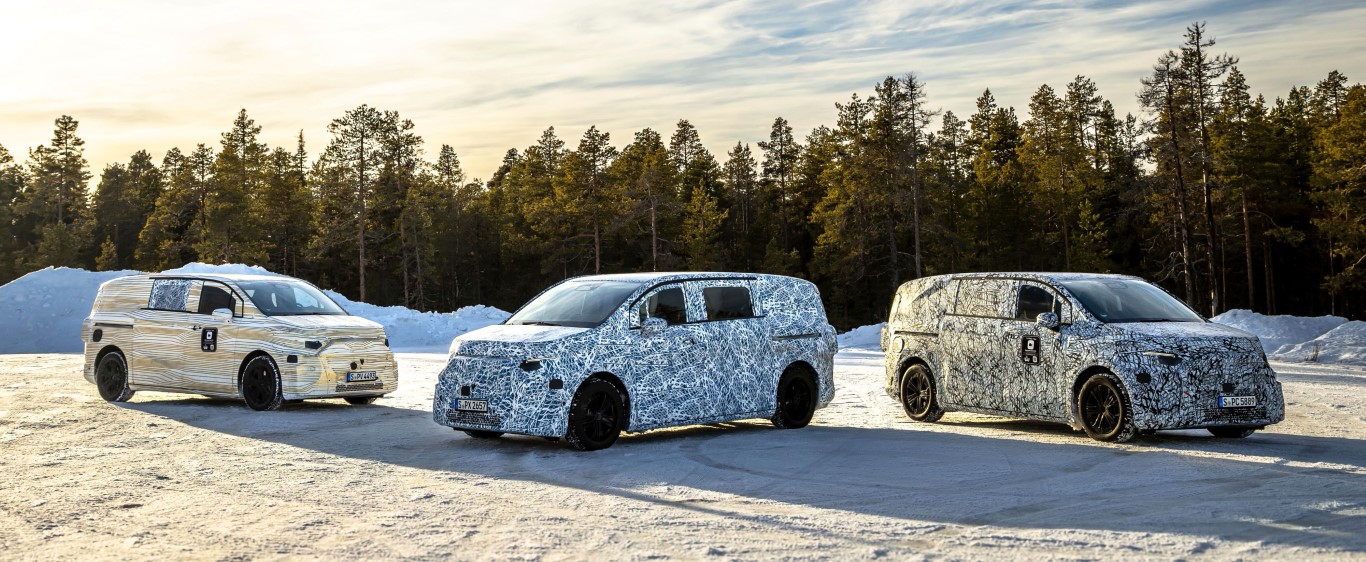
The new architecture enables a clear distinction between privately positioned luxury vans – ranging from high-quality family vehicles and VIP shuttles to opulent limousines – and premium commercial transporters.
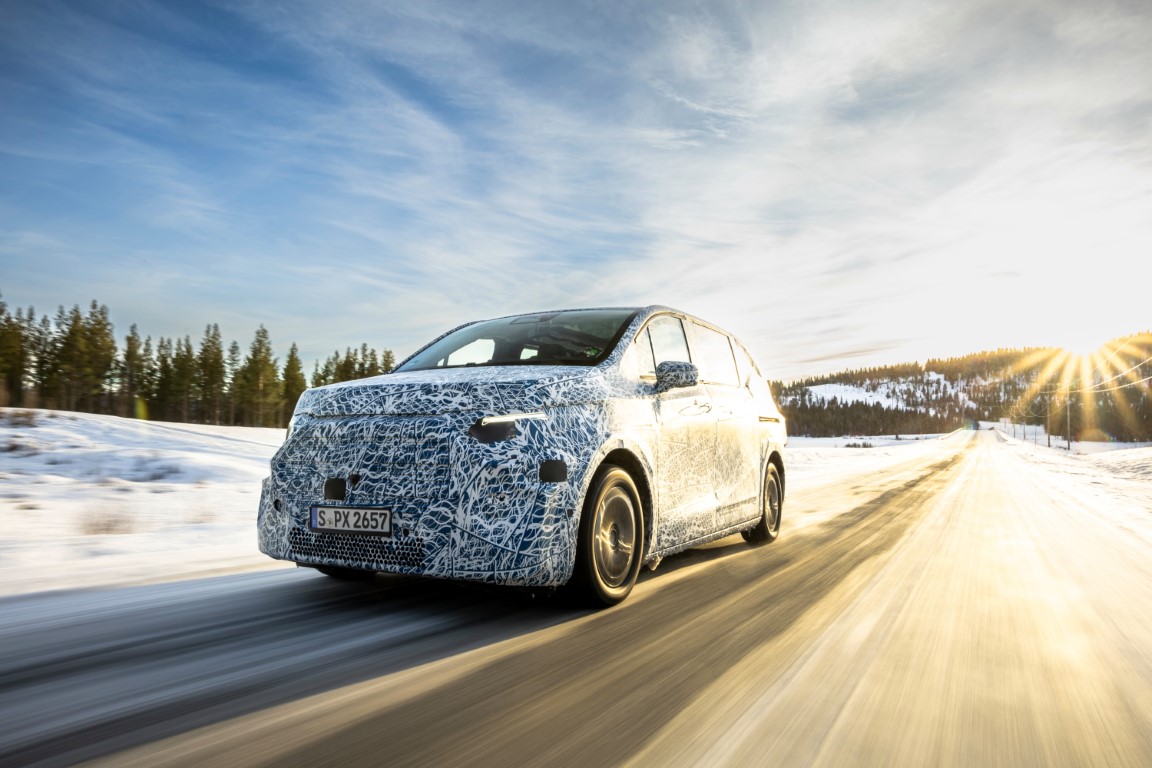
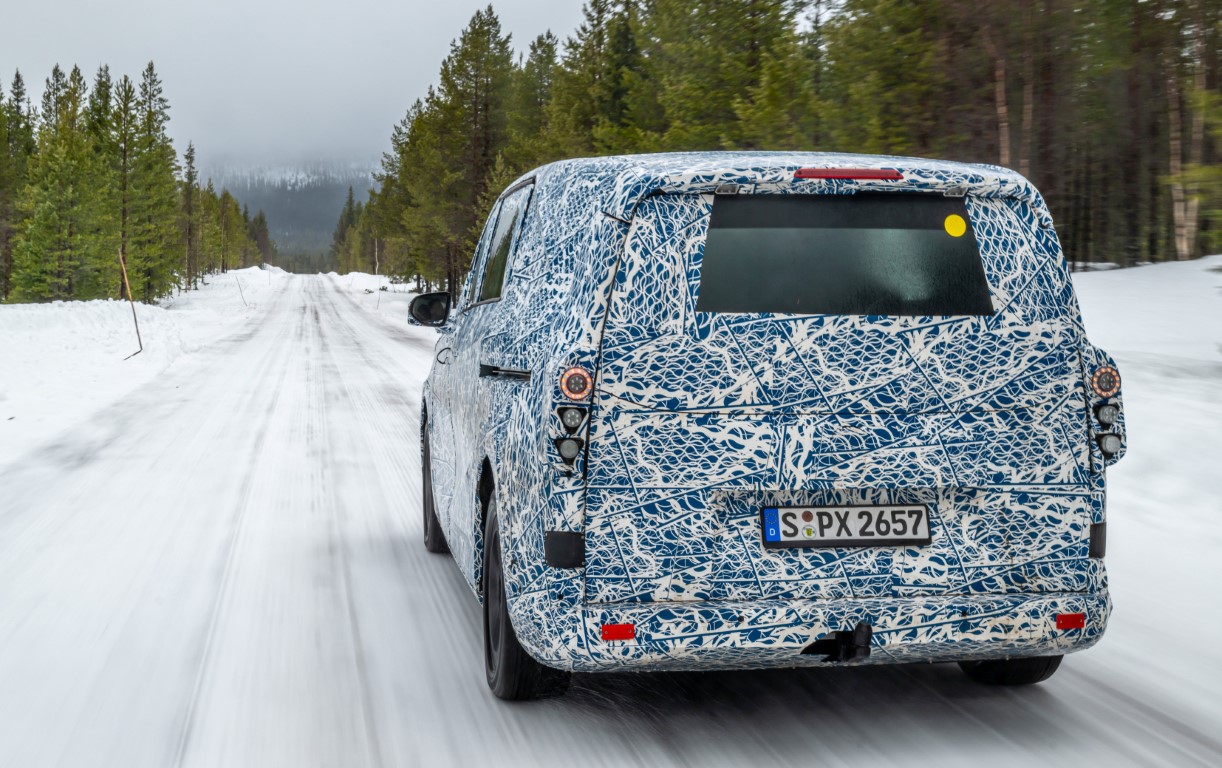
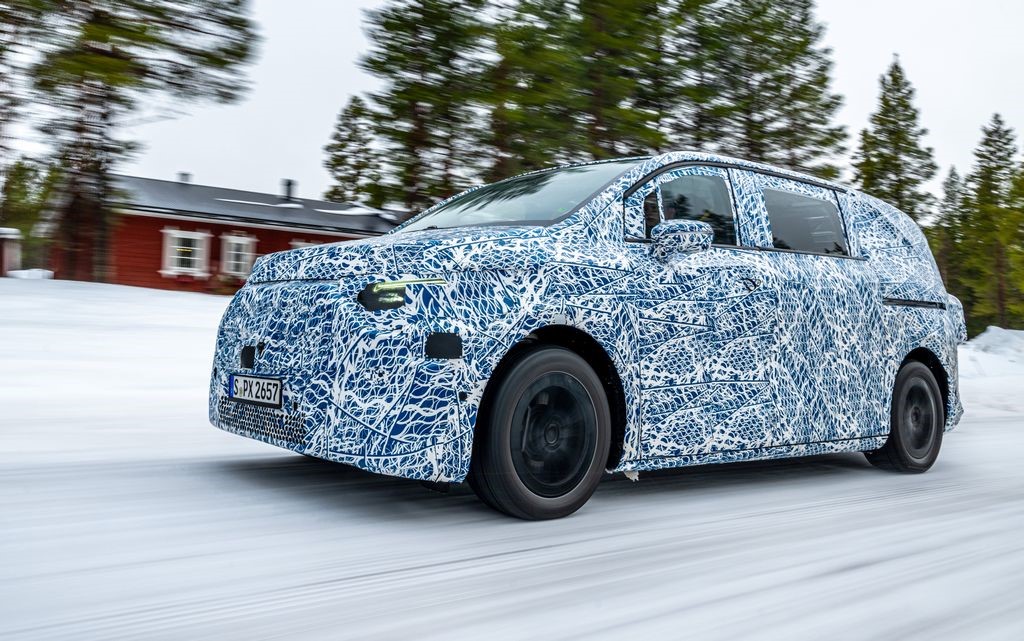
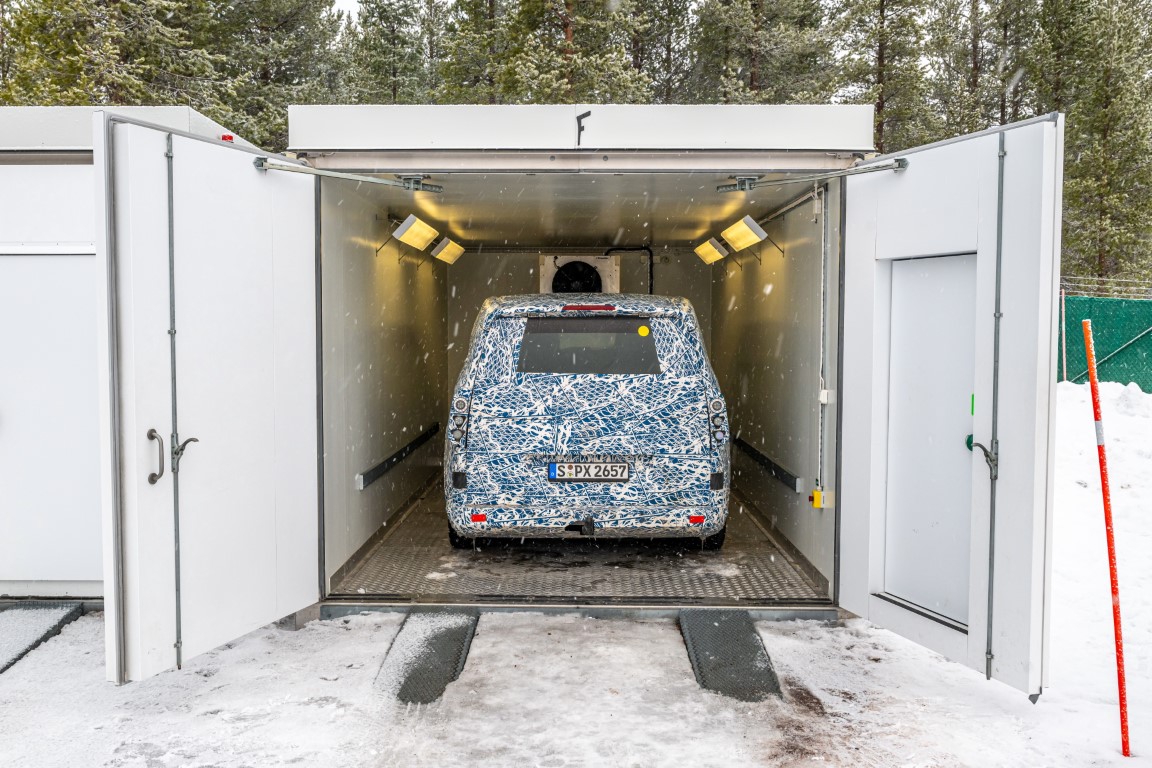
To ensure durability in extreme climates, Mercedes-Benz is subjecting its future multipurpose vehicles to rigorous winter testing in Arjeplog, Sweden, near the Arctic Circle.
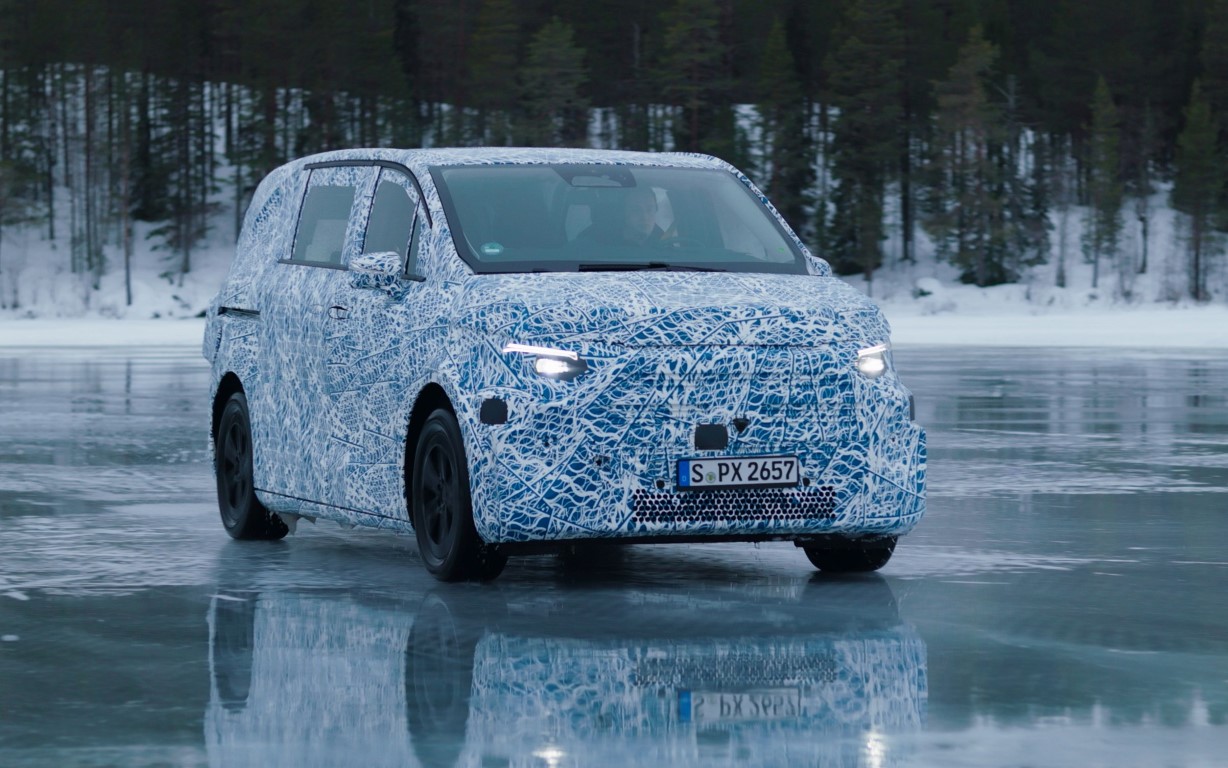
These trials assess vehicle dynamics, safety systems such as ESP, and the efficiency of the interior ventilation and heating systems.
Test drives across various climate zones have been crucial in evaluating performance under conditions with up to a 90 percent reduction in grip compared to dry asphalt, which severely impacts acceleration, braking and manoeuvring.
Digitalisation plays a key role in this development phase. The Mission Control Centre has enabled real-time data optimisation during the tests, significantly reducing the overall testing period while advancing product maturity.
The vehicles are fitted with innovative suspension systems, rear-axle steering for improved handling and a reduced turning circle, and the new Electric Architecture permits models with 4Matic all-wheel drive, ensuring high performance in adverse weather.
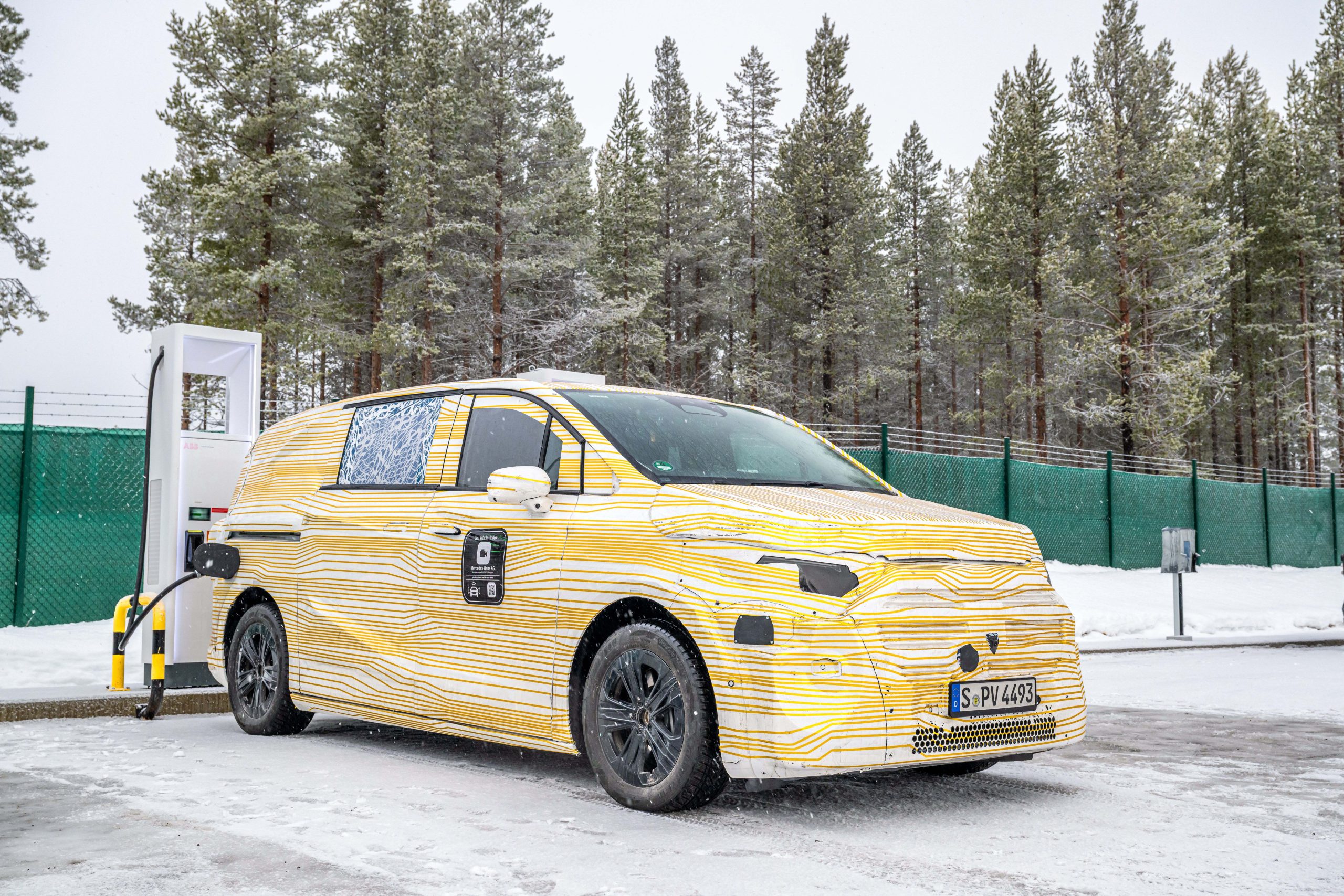
In addition, the vans will feature the latest Mercedes-Benz Operating System (MB.OS), an 800-volt DC charging system, and a 22-kW AC charger.
Enhanced thermal management measures include pre-journey cooling in specialised cold chambers and optimisation of charging behaviour.
Initial test results indicate that even in ice and snow, the vehicles excel in demanding conditions.