







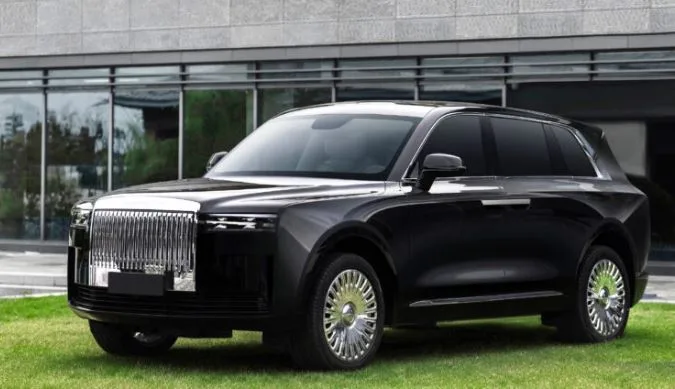
China’s Dreame Technology, a Xiaomi-ecosystem appliance maker, has unveiled its second vehicle: a full-size, ultra-luxury electric SUV styled in the vein of the Rolls-Royce Cullinan, targeted for a 2027 launch.
Dreame’s auto push is split into two units: Dreame Automotive for hypercars and Starry Automotive for ultra-luxury SUVs. The SUV follows September’s reveal of a Bugatti-inspired sports car and will headline the Starry brand.
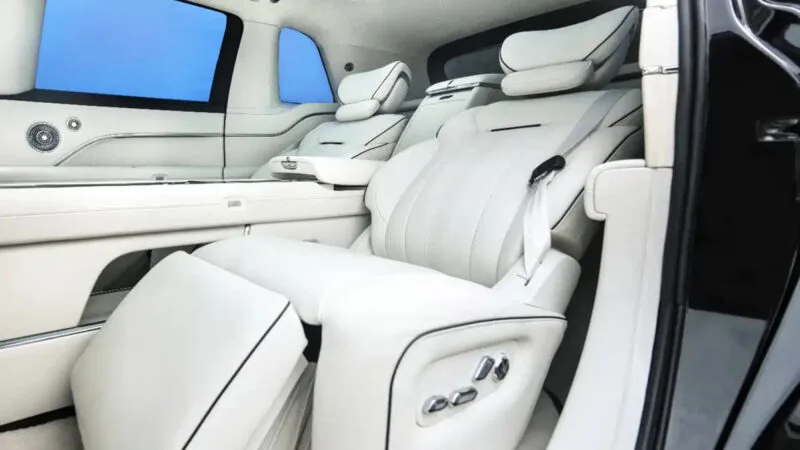
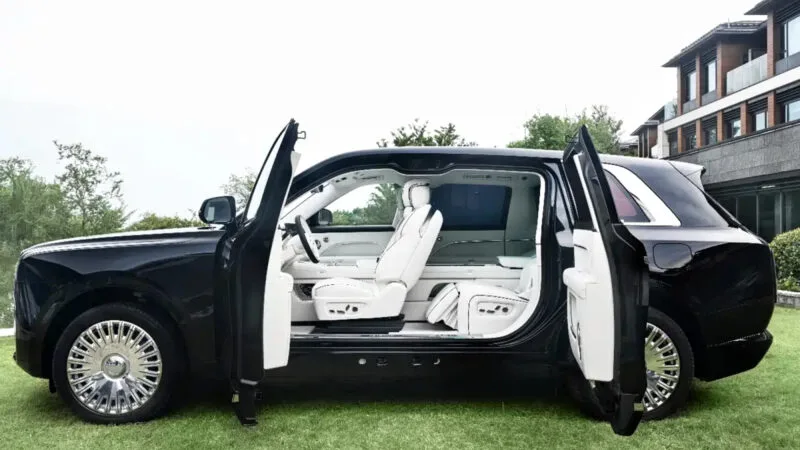
Key design and package points include coach doors, the removal of B-pillars and a large chrome grille. The cabin sits on a 3.2-metre wheelbase and features second-row captain’s chairs that recline to 145 degrees, with claimed rear legroom of 1.2 metres.
Planned hardware comprises four independent electric motors, rear-wheel steering up to 24 degrees that enables a turning circle of under five metres, and an adaptive chassis.
Energy storage is based on Cell-to-Pack 4.0 with a stated 100 kWh battery, while a range-extender option is under evaluation. A suite of sensors — LiDAR, cameras and millimetre-wave radar—will feed real-time suspension and vehicle-control adjustments.
Dreame said it has assembled close to 1,000 automotive specialists by combining intelligent-hardware talent with experienced vehicle engineers.
The company pointed to its high-speed motor expertise — i ts Z50 vacuum spins at up to 200,000 rpm—as a transferable foundation for EV systems.
Manufacturing is planned for Brandenburg, Germany, near Tesla’s Berlin Gigafactory, as part of a “China-based R&D, Germany-located production, global sales” strategy.
Dreame is pursuing financing with BNP Paribas and has floated a plant capacity larger than Tesla Berlin’s, although the project awaits final approval.
Market positioning targets the top tier, with Bentley and Rolls-Royce in the competitive set. Dreame argued that deep electrification and AI integration would differentiate its SUV from legacy ultra-luxury offerings.
Both the SUV and Dreame’s companion sports car are slated for a 2027 global debut. The sports car is claimed to achieve 0–100kph in under 1.8 seconds with a drag coefficient of 0.185 in a “Super Track Mode,” and is due for a CES Las Vegas showing in January.
The move extends a mixed track record of consumer-tech firms entering autos: Dyson exited its EV project in 2019, while Xiaomi’s car business has gained early traction. Dreame’s bet centres on marrying luxury packaging with advanced electrified hardware and software.