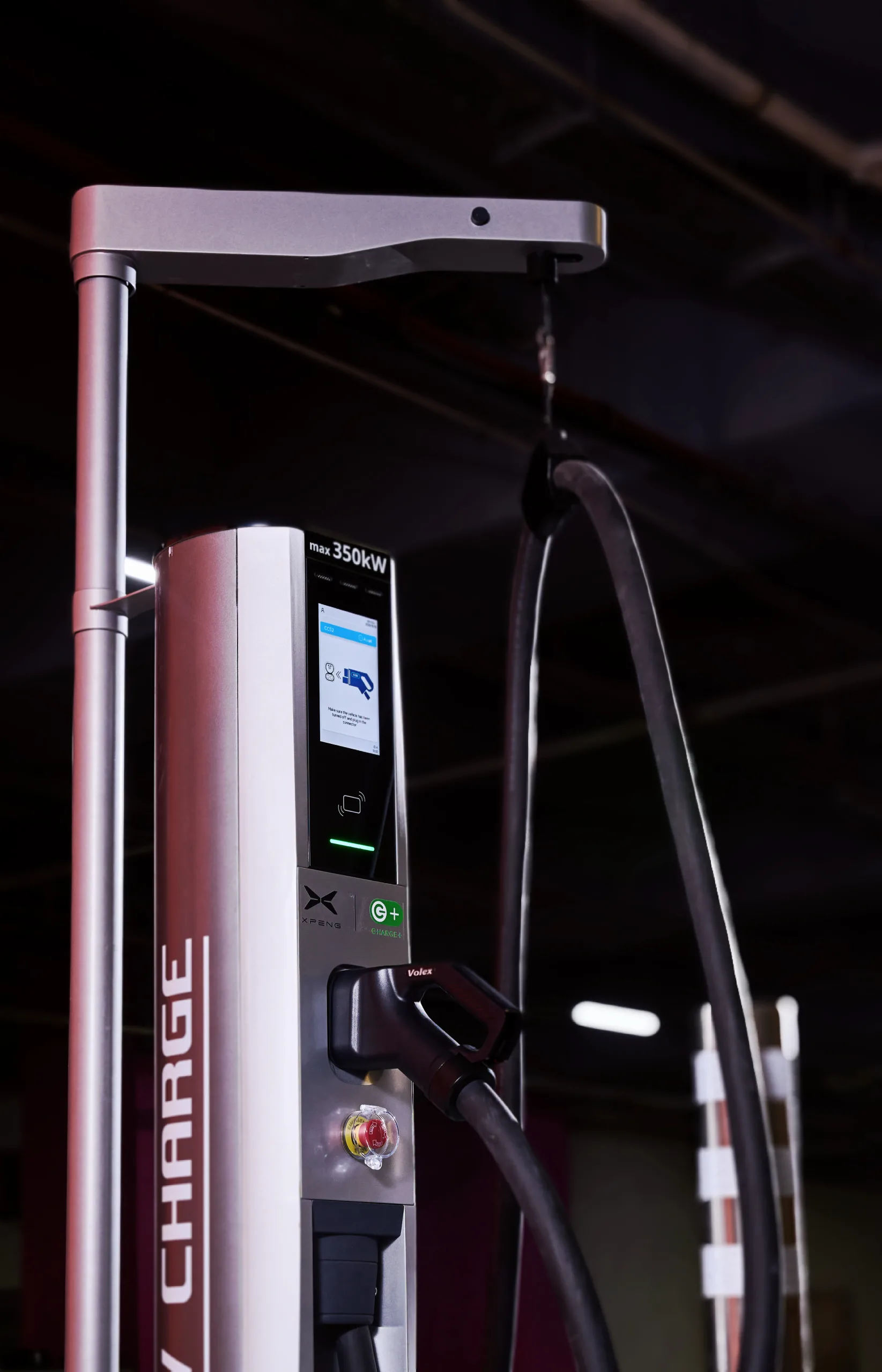





XPeng has formed a regional partnership with Charge Plus to give its customers access to more than 3,800 charging points across Singapore, Malaysia and Thailand, taking the Chinese carmaker’s global interoperable network to about 2.4 million points.
The tie-up makes XPeng the first Chinese EV upstart to integrate with Charge Plus in Southeast Asia.
It links key north–south expressway corridors and urban hubs, leveraging Charge Plus’s position as Singapore’s largest public charging operator with over 30% market share.
The operator also backs a 5,000-kilometre cross-border highway plan spanning Singapore, Malaysia, Thailand, Cambodia and Vietnam.
Initial co-branded sites are live in major cities.
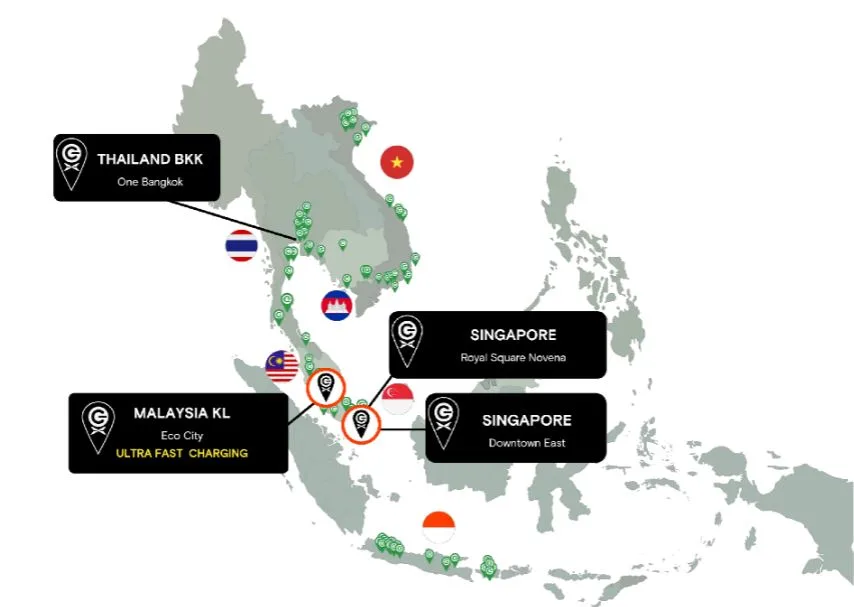
XPeng owners will receive exclusive charging discounts for up to three years at Charge Plus public chargers and at the new joint hubs.
The network includes high-power units rated up to 350 kW. XPeng vehicles will show real-time charger availability on the in-car display and offer one-tap navigation to stations.
The rollout aligns with the charging capabilities of XPeng’s newer models, led by the G6 on an 800-volt platform. XPeng cites a 5C “Supercharging AI Battery” that can add 10–80% in about 12 minutes at up to 451 kW, positioning the system ahead of typical rival times.
(Official efficiency figures vary by market and specification; XPeng communicates WLTP consumption in the high-teens kWh/100km range.)
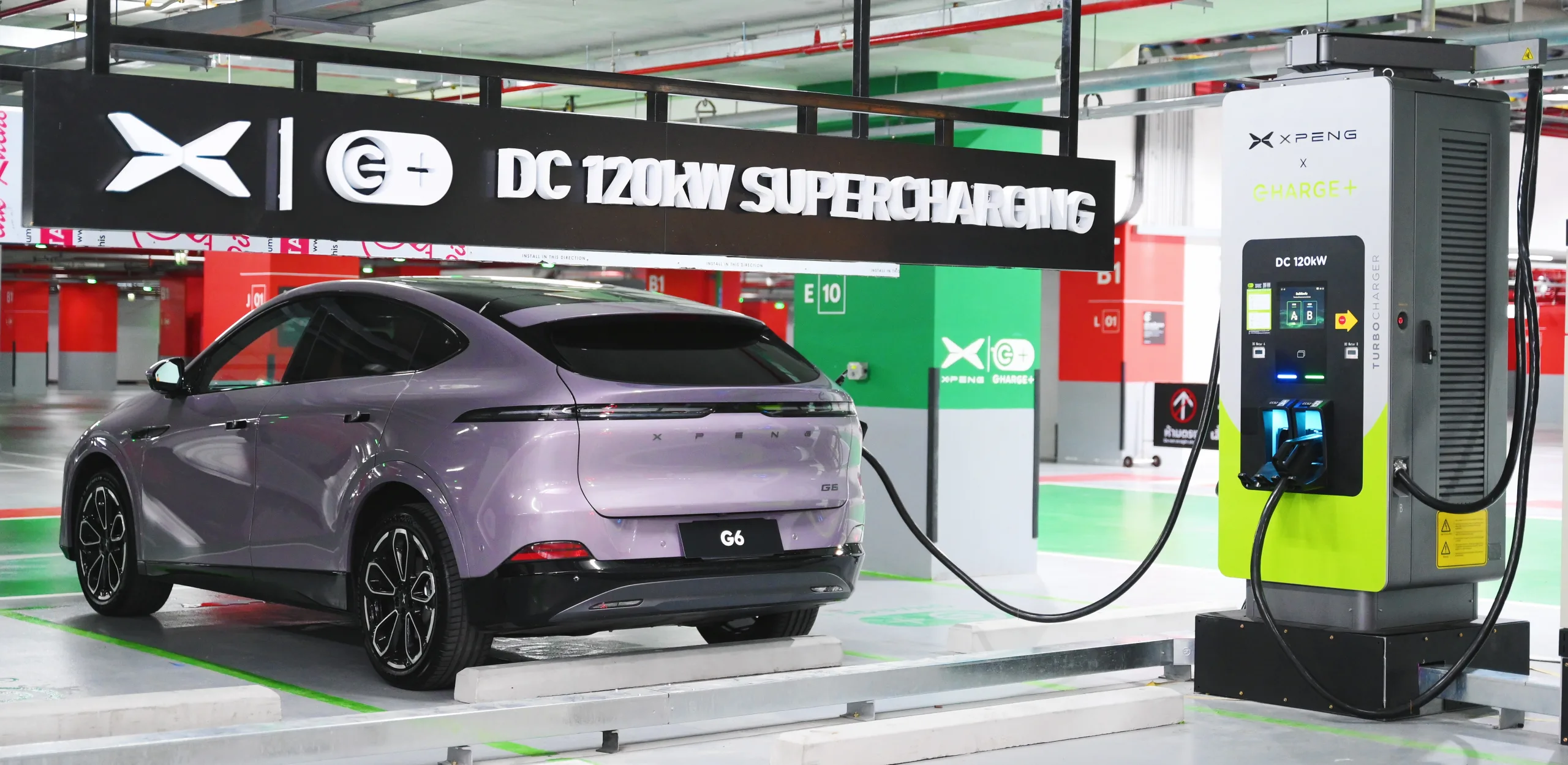
By December 2025, XPeng plans to unify access and payment via its mobile app, enabling a “drive in, charge and go” experience with integrated billing across partner networks in the three markets.
The company said the software layer is central to reducing friction for owners as it expands in Asia-Pacific.
Founded in 2014 and listed in New York and Hong Kong, Guangzhou-based XPeng runs R&D operations in China, the United States and Europe, with manufacturing centred on Zhaoqing and Guangzhou.
The Charge Plus alliance is a key pillar of its international growth plan, aimed at easing range anxiety and improving long-distance usability for tech-forward buyers.