




Another Chinese non-car player is pulling a Xiaomi.
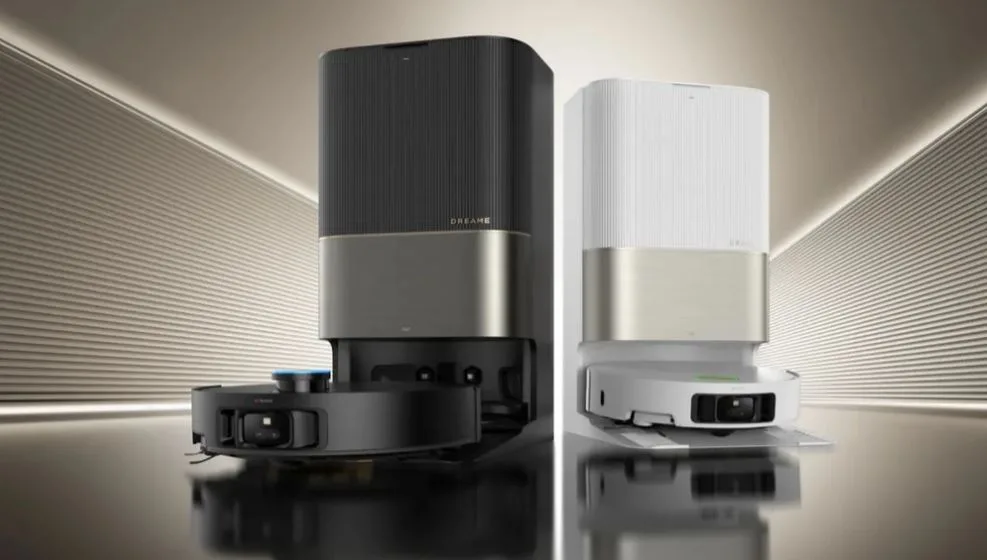
Dreame Technology, the robotic vacuum maker, is leaping into luxury autos with a two-brand plan.
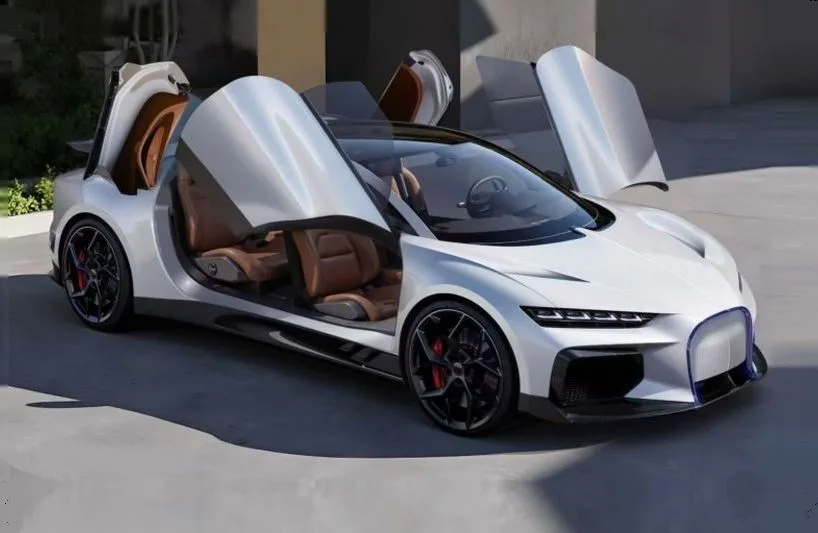
Dreame Automotive aims to develop an all-electric hypercar pitched as the “world’s fastest” by 2027, while Starry Automotive targets ultra-luxury SUVs to rival Bentley and Rolls-Royce.
A prototype of the Bugatti Veyron beater is slated for CES 2026 in early January. Financing has been lined up with BNP Paribas as Dreame evaluates a factory site near Tesla’s Gigafactory Berlin, a move that would make it the first Chinese car brand to build in Germany if it goes ahead.
Design is running on a consumer-tech cadence: weekly internal votes have reached 38 rounds, accelerating decision-making and styling convergence.
On the engineering side, Dreame cited it has 6,379 patent filings by end-2024, with nearly half classed as invention patents spanning sensor fusion, motor control and HMI.

It would leaned on home-appliance know-how, highlighting 200,000 rpm compact motor expertise and the repurposing of vision systems, AI path-planning and spatial modelling from robot cleaners. An onboard AI companion is planned to learn driver habits and integrate with smartphones and smart-home ecosystems.
The product roadmap covers pure-EV and range-extender powertrains for the hypercar, plus long-wheelbase SUVs mapped to a tiered pricing ladder against Chinese premium rivals.
Headcount has approached 1,000 as Dreame blends consumer-tech veterans with automotive specialists.
Corporate build-out continues with Starry Automotive registered in Shanghai’s Lingang area (a special economic zone) with 1 billion yuan (RM591mil) capital; founder Yu Hao is the controlling shareholder. Dreame, founded in 2017, also served in its early years as an OEM supplier to Xiaomi.
Recent renders circulating in Chinese media place the fledgling hypercar squarely in Bugatti territory, prompting comparisons with the Chiron for stance and surfacing.
The likeness raises originality questions, but the strategy is clear: a headline-grabbing hypercar builds brand equity, while the SUV arm carries volume and cashflow during scale-up.
Pairing range-extender and full battery-electric options broadens appeal and eases charging anxieties in early ramp.
The stakes are high. European localisation could blunt tariffs and logistics costs and signal credibility to luxury buyers, yet it also invites regulatory scrutiny and exacting quality benchmarks.
Funding demands and the realities of low-volume hypercar engineering remain tough hurdles.
Even so, Dreame is sticking to its trajectory: consumer-electronics speed meets luxury-car stakes, with Berlin in view and Bugatti as the benchmark.