








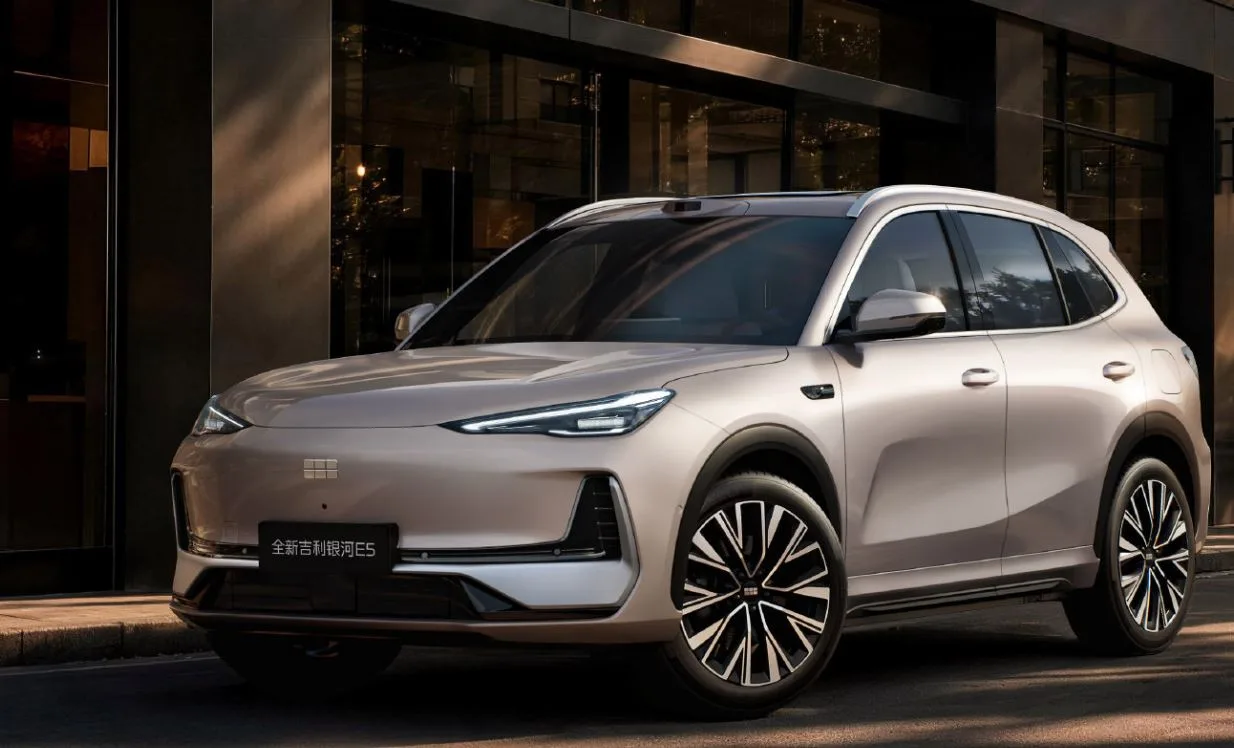
Geely has released official images of the extensively updated Galaxy E5 electric SUV ahead of its global launch on 23 September.
The model, known overseas as the Geely EX5 or E5 depending on market, receives substantial changes beneath its familiar-looking body.
Geely has confirmed a full-stack 800V electrical architecture supporting peak 6C charging, upgrading from the lower-voltage system used by the current Galaxy E5.
It also switches to a native rear-wheel-drive layout with Geely’s new Thunder 16-in-1 integrated electric drive system.
Another major upgrade is the addition of roof-mounted lidar. This works with Geely’s Qianli Haohan H5 driver-assistance system, marking a sizeable step up from the equipment offered on the existing model.
Geely has also confirmed a new-generation Aegis Short Blade battery and said its next-generation AI-based charging technology would be introduced alongside the car on Sept 23.

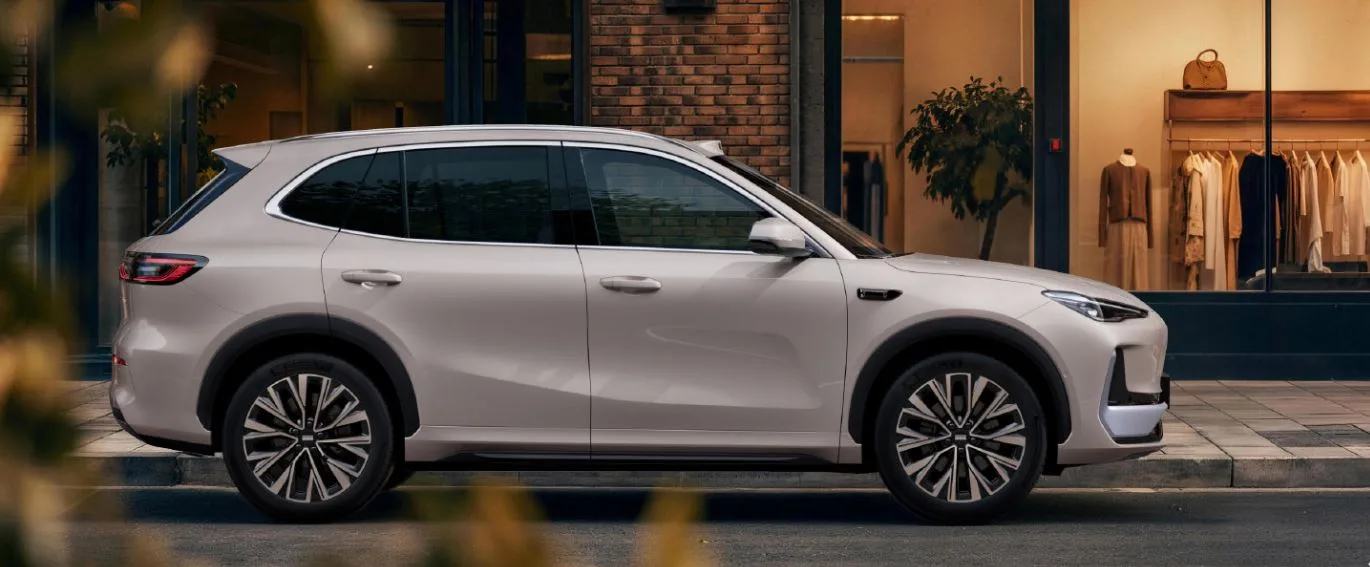
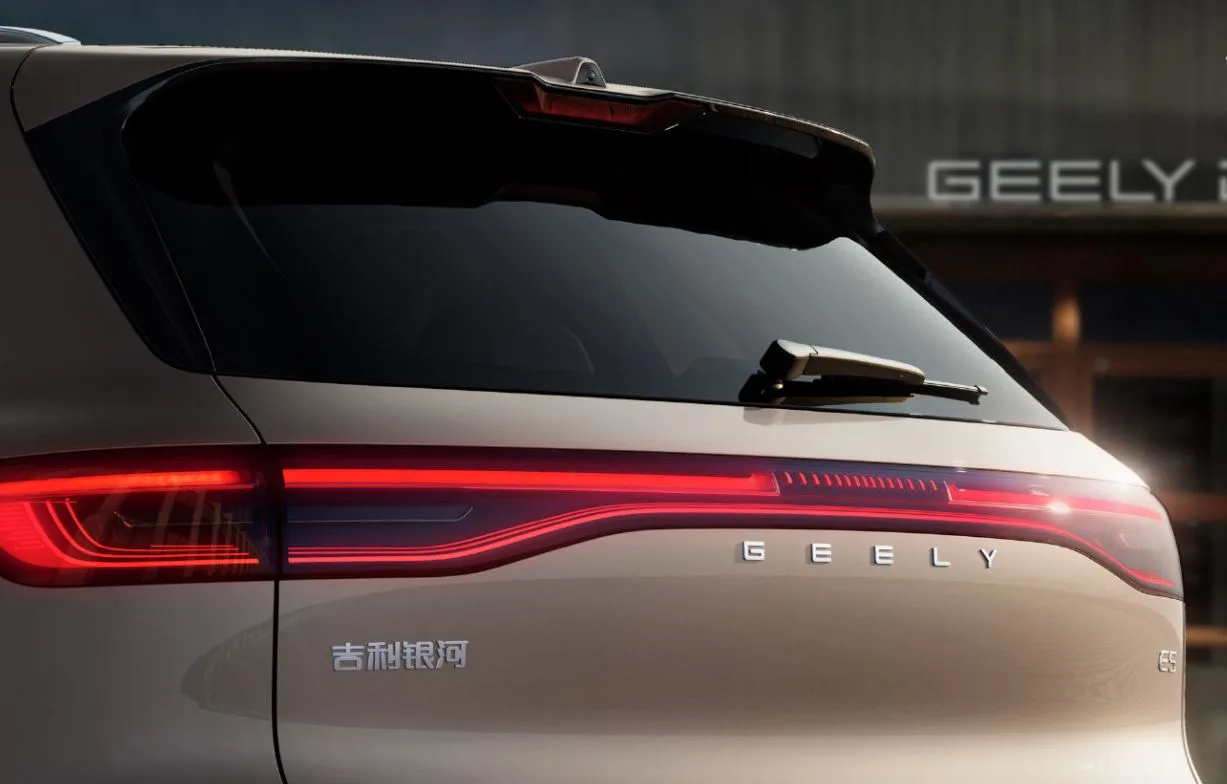
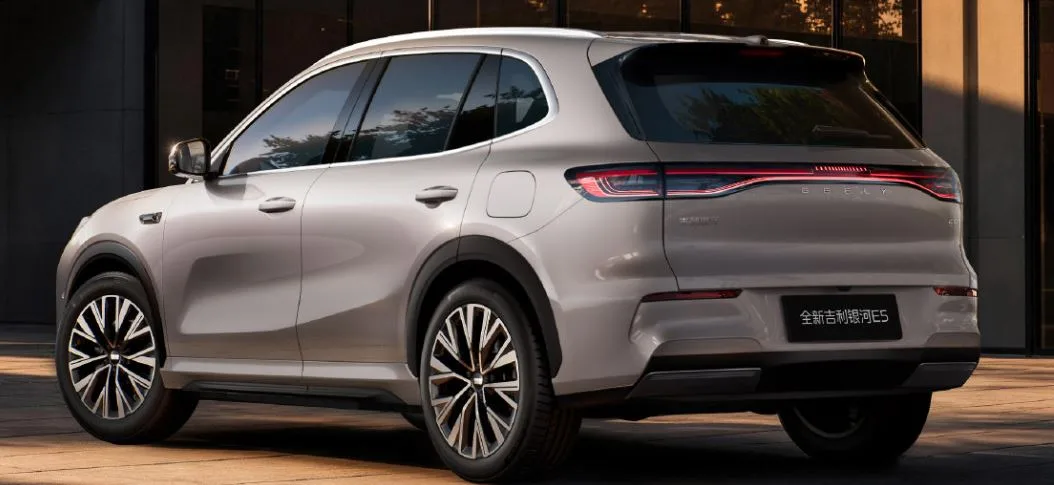
Exterior changes are comparatively restrained. The official images show a revised front bumper, conventional door handles in place of the current flush units and the lidar unit mounted above the windscreen.
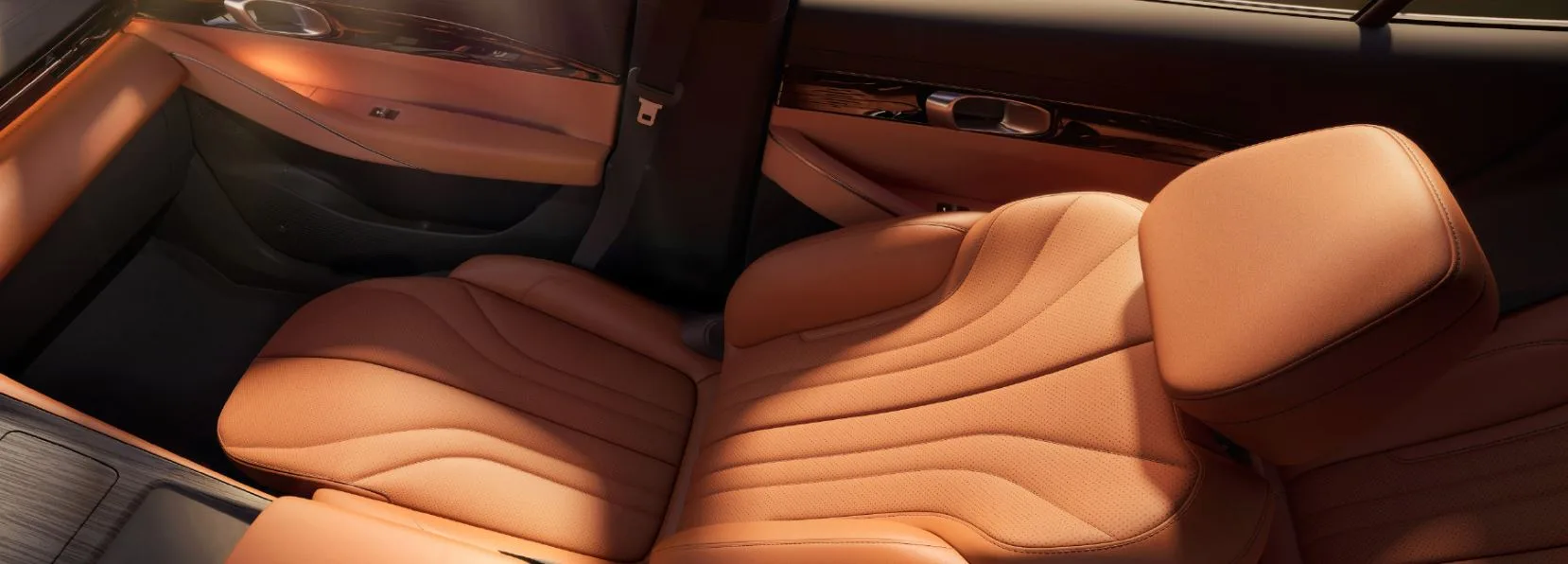
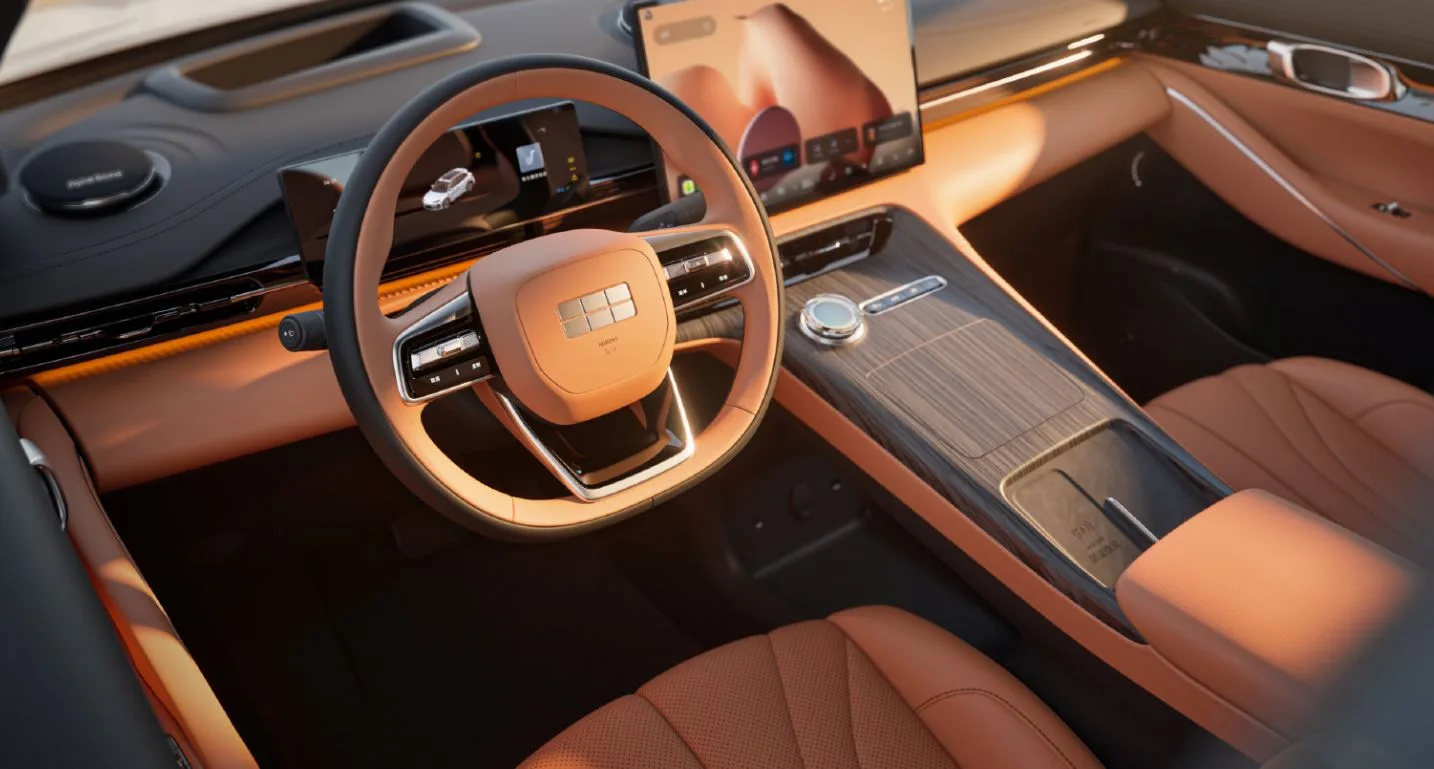
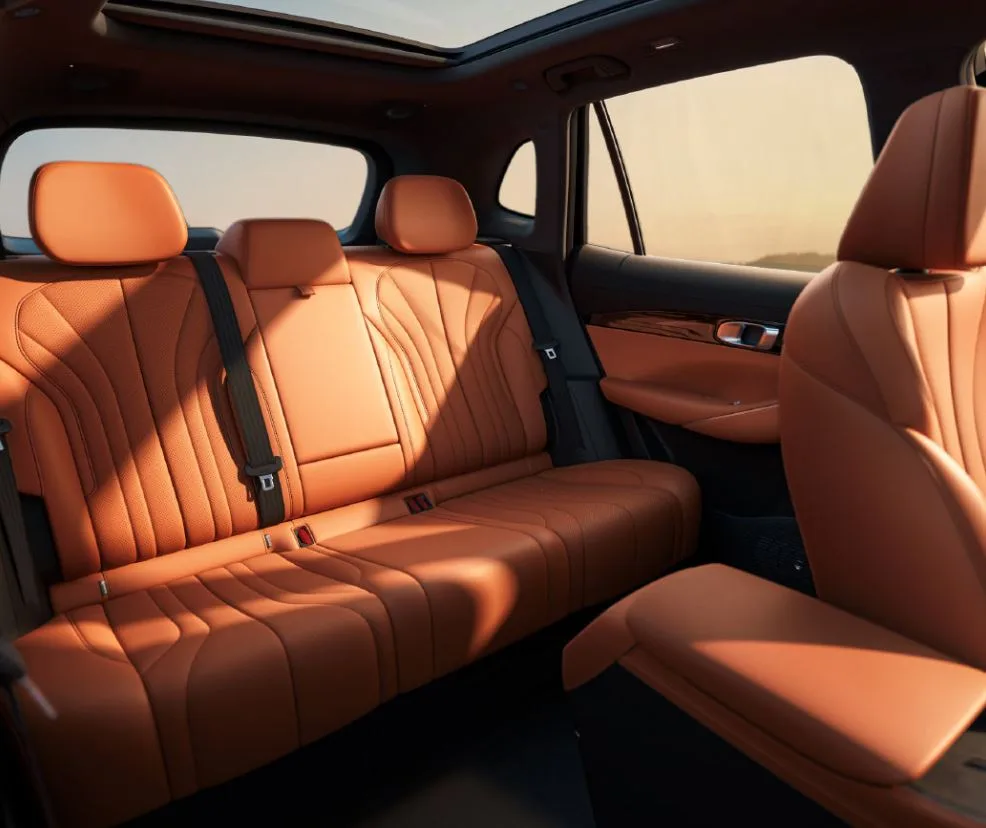
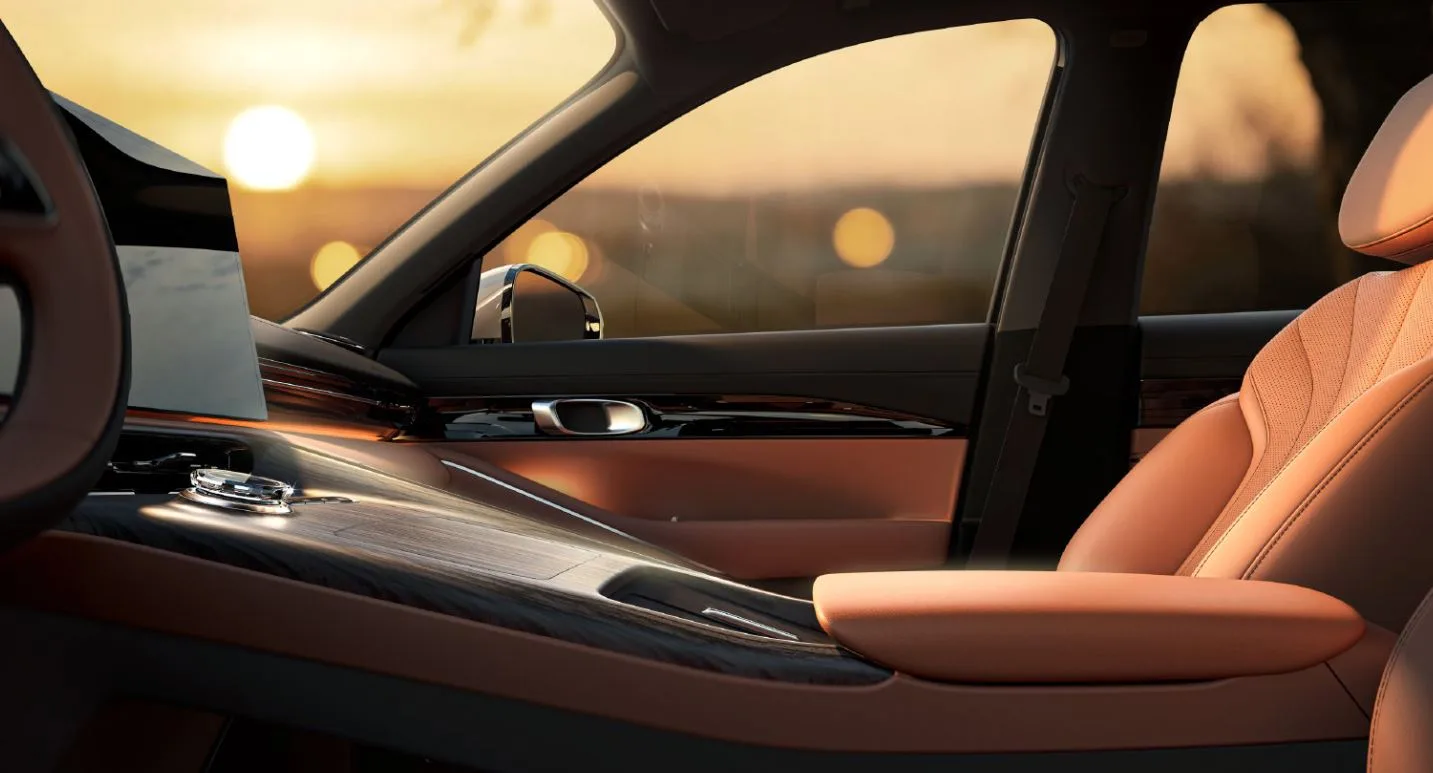
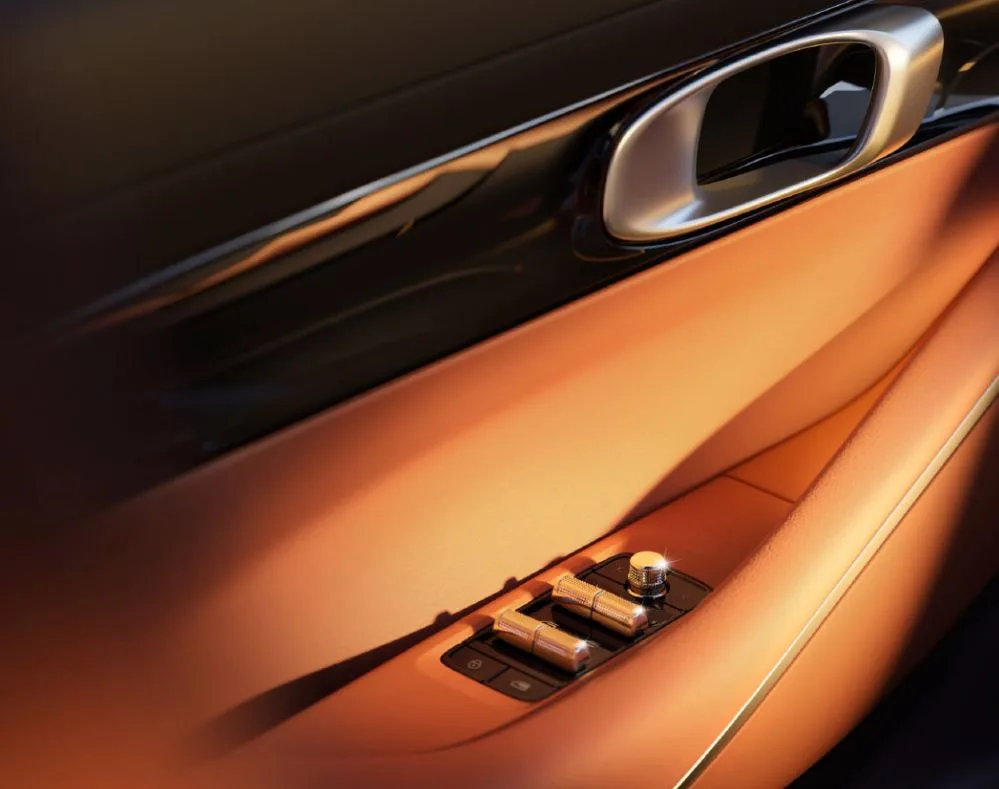
Inside, the basic dashboard layout remains recognisable, with a large central display, digital instrument panel and a redesigned three-spoke steering wheel.
The Galaxy E5 is particularly relevant to Malaysia because it is the development sibling of the Proton e.MAS 7.
Proton and Geely jointly developed the Malaysian model, with Proton making additional engineering and localisation changes for local conditions.


What this could mean for Proton’s roadmap
There is currently no confirmation that the new Galaxy E5’s 800V architecture, rear-wheel-drive system, 6C charging or lidar package would be adopted by the e.MAS 7.
The new Galaxy E5 also raises questions about where Proton takes the e.MAS range next.
Geely is bringing 800V electrical architecture, peak 6C charging, lidar-based driver assistance and a native rear-drive EV chassis to the same model line that spawned the Proton e.MAS 7.
That does not mean those upgrades are heading to the Malaysian model, but it raises the technical benchmark within Geely’s mainstream EV portfolio.
The current e.MAS 7 uses a 160kW front-mounted motor and supports up to 80kW or 100kW DC charging, depending on variant.
Proton has already shown that it is prepared to update the model during its life cycle, with the locally assembled 2026 Premium gaining additional ADAS functions.
The new E5 therefore gives Proton several possible directions for future EV development. Faster charging and more advanced driver-assistance hardware could eventually filter into an updated e.MAS 7, a higher-spec derivative or a later model. None of those routes has been confirmed.
More significant is that Geely now has the hardware needed to offer considerably higher charging performance and lidar-based assistance in a compact electric SUV.
Given the close engineering relationship between Proton and Geely, those technologies are relevant to Proton’s longer-term EV plans, although there is currently no confirmation that the Malaysian carmaker will adopt them.
For Malaysia, the question is therefore less about whether the technology is available within the wider Geely group and more about whether — and when — it fits Proton’s product, localisation and pricing plans.