






The government is considering new incentives for buyers of affordable electric vehicles (EVs), alongside assistance for charging facilities and support for locally assembled models.
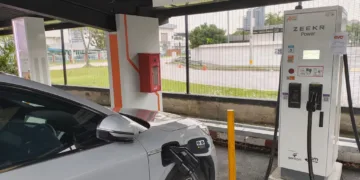
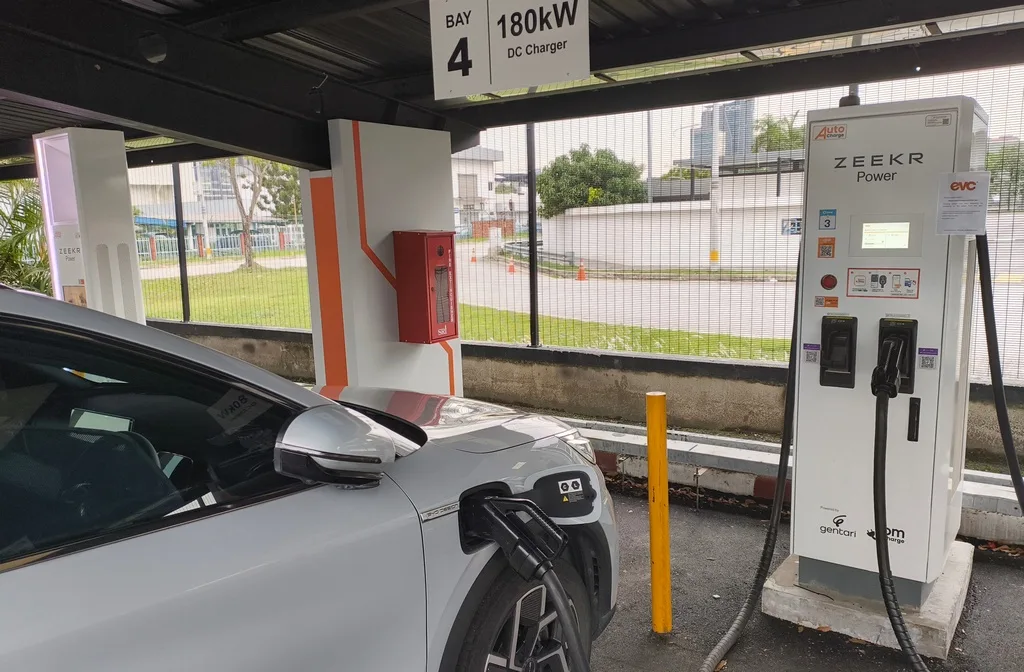
The proposals also include expanding public charging infrastructure, potentially addressing two major considerations for prospective EV owners: vehicle prices and access to charging.
Transport Minister Anthony Loke disclosed the measures in a parliamentary reply dated Nov 2, responding to Bukit Bintang MP Fong Kui Lun.
The ministry said the government was examining ways to make EV ownership accessible to a wider section of the population.
Any new assistance would have to be targeted at those who need it, support Malaysia’s domestic EV industry and produce measurable reductions in transport expenses.
This would involve looking beyond vehicle purchase prices to include the overall cost of EV ownership and usage.
The ministry also distinguished EV incentives from the targeted RON95 petrol subsidy scheme.
While the petrol subsidy is intended to channel fuel assistance to eligible motorists, EV policies are centred on taxation, local industrial development and charging infrastructure.
Existing measures include personal income tax relief of up to RM2,500 for qualifying home EV charging expenses until the Year of Assessment 2027, as well as incentives for local EV assembly and manufacturing.
The government also cited the MARiiCas programme, which previously offered eligible electric motorcycle buyers rebates of up to RM2,400.
However, the new EV incentives remain proposals rather than approved subsidies.
The parliamentary reply stated that final decisions would be announced through Budget 2027, although the budget had already been tabled on Oct 9 without introducing new direct purchase rebates for electric cars.