
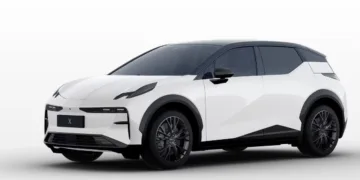


Hyundai Motor Group is moving quickly to turn its electric vehicles into rolling energy assets, not just daily transport, as it rolls out Vehicle-to-Everything (V2X) services across three major regions.
The group’s latest push covers Vehicle-to-Grid (V2G) services in Korea and Europe as well as Vehicle-to-Home (V2H) capability in the United States, positioning Hyundai and Kia EVs as tools for storing, supplying and even selling electricity back to homes and power networks.
“V2G services are expected to provide EV customers with a new mobility experience related to their energy life. Through the domestic and overseas V2G services, we aim to strengthen the competitiveness of EVs while also playing a pivotal role in leading the eco-friendly mobility market and future energy market,” said Hyundai Motor Group executive vice president of future strategy division Hokeun Chung.
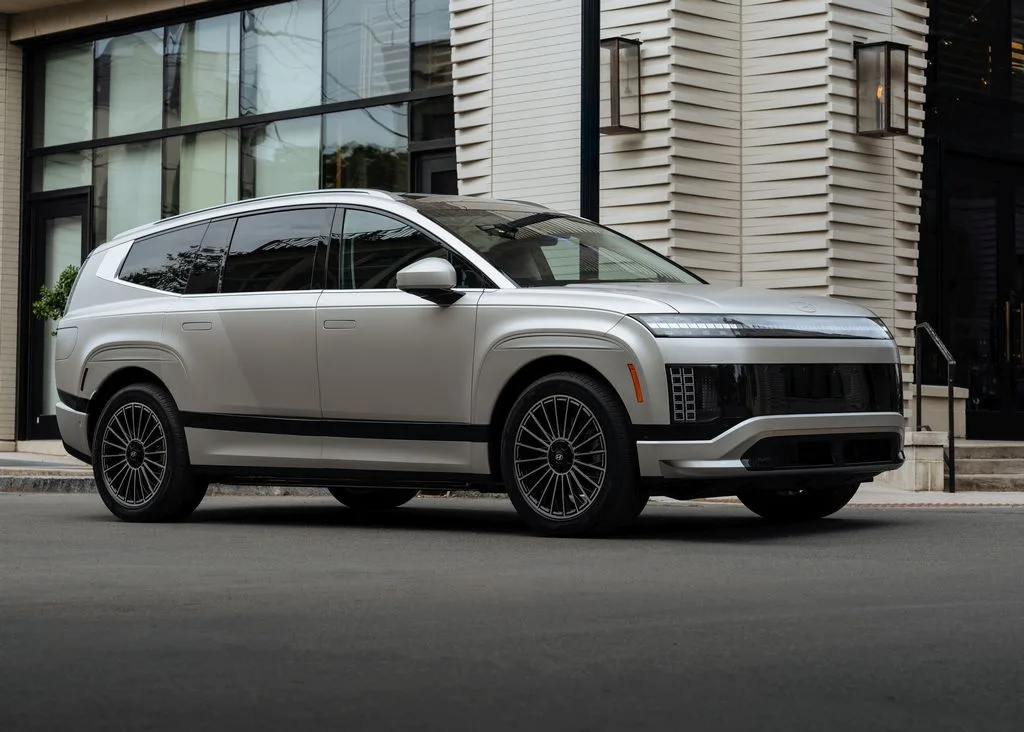
In Korea, the Group plans to launch the country’s first V2G pilot on Jeju Island by the end of 2025, using the Kia EV9 and Hyundai Ioniq 9.
Jeju’s growing renewable output has created periods of oversupply, and the project is designed to use parked EVs as flexible storage that can push electricity back to the grid when needed.
It is a full public–private effort.
Hyundai Motor Group leads the technology validation and daily operations. Jeju Special Self-Governing Province works on the policy and regulatory side. Korea Electric Power Corporation (KEPCO) handles integration with the distribution grid, while Hyundai Engineering studies charger-station operations and potential future services.
Drivers will be able to charge when prices are low and discharge when prices spike through Jeju’s real-time energy market, easing grid stress while trimming their own bills. If the trial goes to plan, the Group intends to expand V2G nationwide with government and city partners.
In Europe, Hyundai Motor Group will introduce a commercial V2G service in the Netherlands, building on its existing smart charging (V1G) offer.
Customer sign-ups are scheduled to start at the end of 2025.
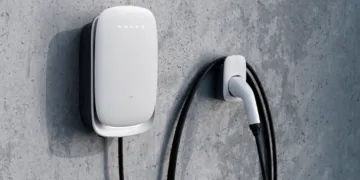
Using bidirectional chargers compatible with Hyundai and Kia models, the system will automatically charge cars during cheap-tariff periods and sell power back to the grid when prices climb, a potentially attractive move in a market with high and volatile electricity costs.
The service will initially support the EV9 and Ioniq 9, with more models to follow, and is expected to roll out to other European countries over time.
In the US, Hyundai Motor Group is focusing on V2H.
Kia’s V2H service, introduced in February 2025 for the EV9, already allows owners to run home appliances from their car during power cuts or peak-demand hours.
Hyundai will add V2H on the Ioniq 9, while Kia plans to extend the feature to the EV6, giving households a mobile backup battery that can be charged off-peak and used when grid prices or outages bite.