


Global battery electric vehicle sales are forecast to rise from 17.8 million units in 2024 to about 32.6 million by 2031, according to Frost & Sullivan.
The research firm said growth is likely to pick up after 2027, as carmakers bring out lower-cost EVs and governments tighten emissions rules.
The forecast is not just about selling more EVs. It is about whether carmakers can bring prices down far enough for mainstream buyers.
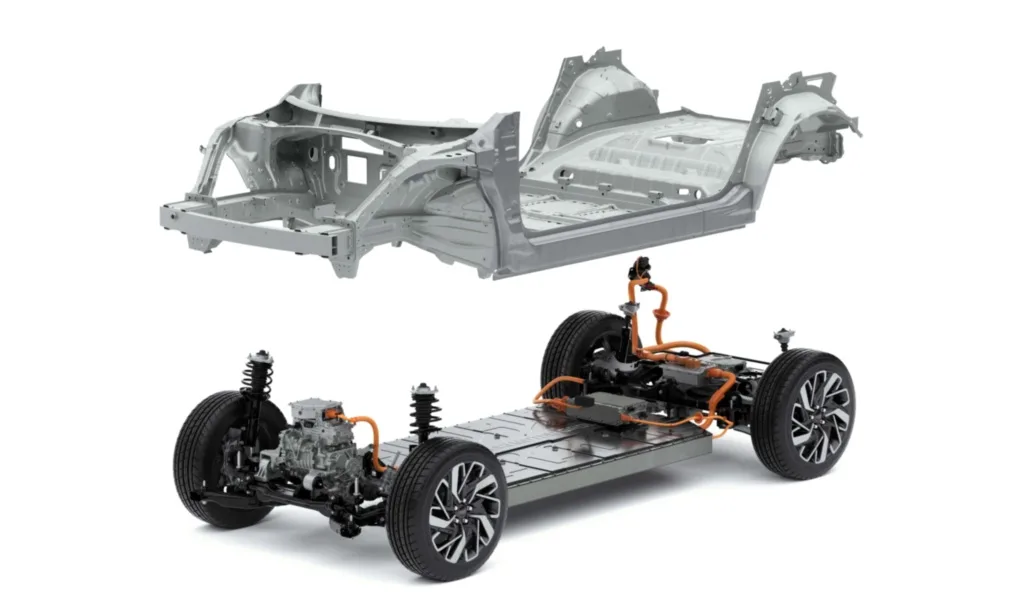
Frost & Sullivan’s report, “OEM Strategies on Next Generation Electric Vehicles, Global, 2025–2031”, said manufacturers are moving more work onto modular and universal platforms. These architectures allow one set of underpinnings to support different body styles, segments and battery chemistries.
That cuts development cost. It also shortens the time needed to create new models, which is becoming more important as Chinese EV makers push harder in global markets.
Battery cost remains the main pressure point.
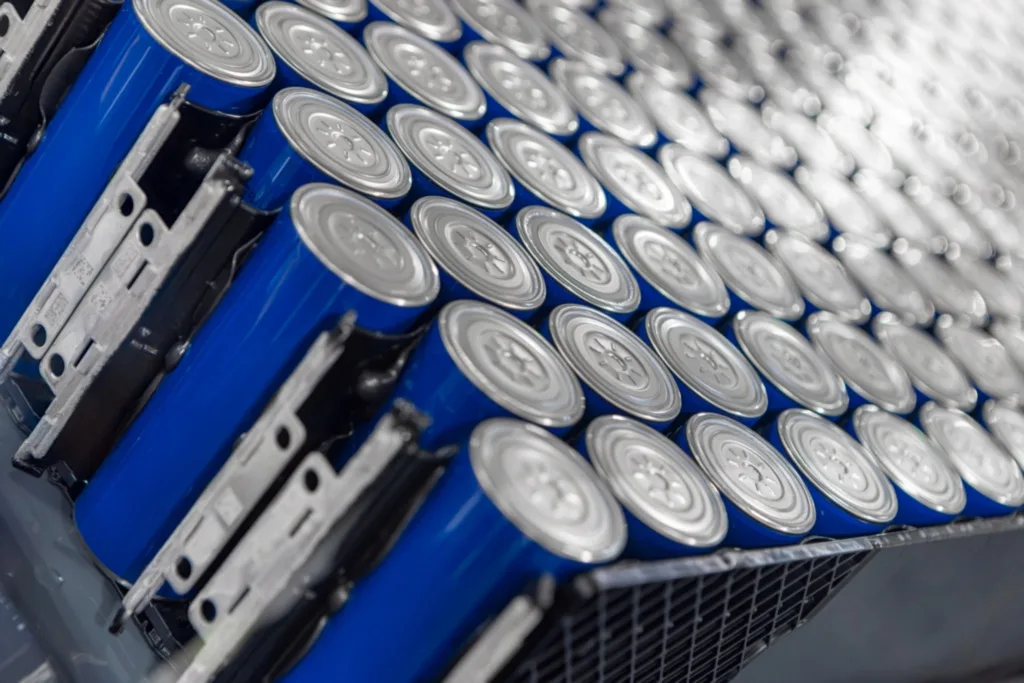
Carmakers are therefore looking beyond today’s lithium-ion packs, with sodium-ion and solid-state batteries among the technologies being studied or prepared for future use.
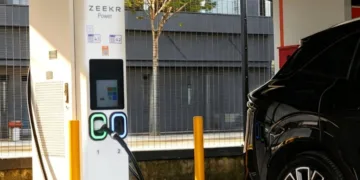
The report also pointed to 800V electrical systems, faster charging, renewable-energy links and stronger charging partnerships as areas of investment.
Supply chain control is another major theme. Frost & Sullivan said more manufacturers are trying to localise production, secure battery materials and bring more of the EV value chain closer to home.
Recent years have shown how quickly semiconductor shortages, raw-material swings, tariffs and geopolitics can disrupt vehicle planning.
The study covers the electrification plans of major carmakers including BMW, BYD, Ford, General Motors, Hyundai, Mercedes-Benz, Nio, Stellantis, Tesla, Toyota, VinFast and Volkswagen.
EV plans alone will not be enough. Carmakers need cheaper platforms, wider battery choices, stronger supply chains and cars that can be improved after they leave the showroom.
For buyers, the payoff should be cheaper EVs and better charging. For carmakers, the message is less comfortable: converted petrol models will not carry the market much further.