





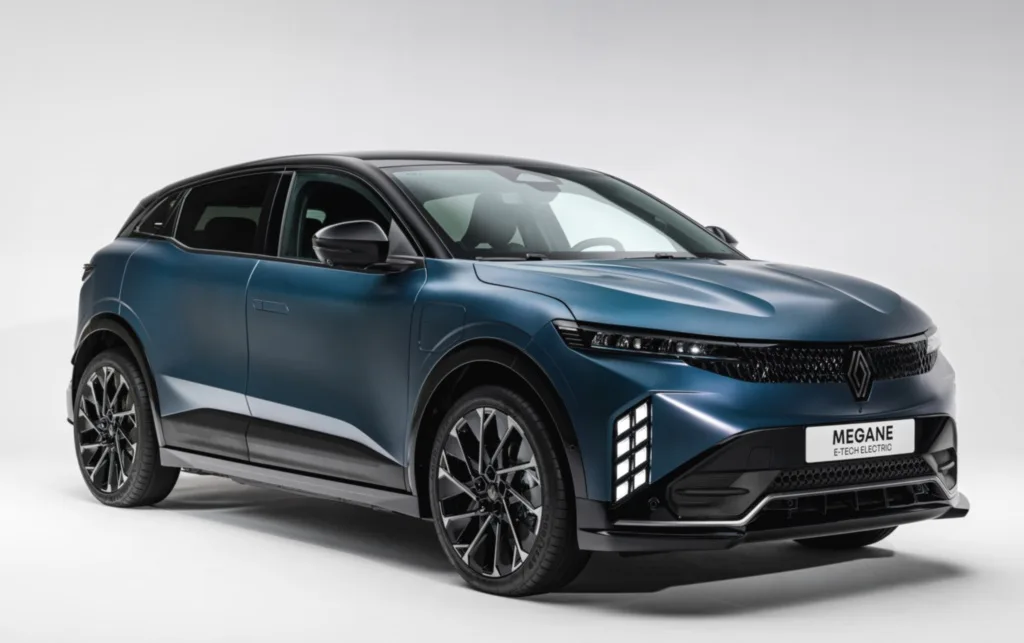
Renault has given the Megane E-Tech electric a mid-life update, and the important changes are under the skin as much as on the nose.
The electric hatchback now gets a new 67kWh usable lithium iron phosphate battery, or LFP for short, lifting WLTP range to up to 500km.
DC fast charging now peaks at 165kW, enough for a 15% to 80% top-up in about 24 minutes.
Renault said more than two in three Megane E-Tech electric buyers are new to electric cars, so this update has a clear job: make the car easier to live with, easier to charge and less confusing to buy.
The range is now built around two trims: techno and esprit Alpine. Both use the same front-mounted electric motor, producing 220hp and 300Nm. Performance is good enough, with 0-100kph done in 7.6 seconds and a top speed of 159kph.
Renault has also kept the Megane’s wound-rotor synchronous motor, which uses no rare earth materials.
The motor is made at Renault Group’s Cléon plant in Normandy, while the vehicle and battery are assembled at Douai in northern France, part of Ampere ElectriCity.
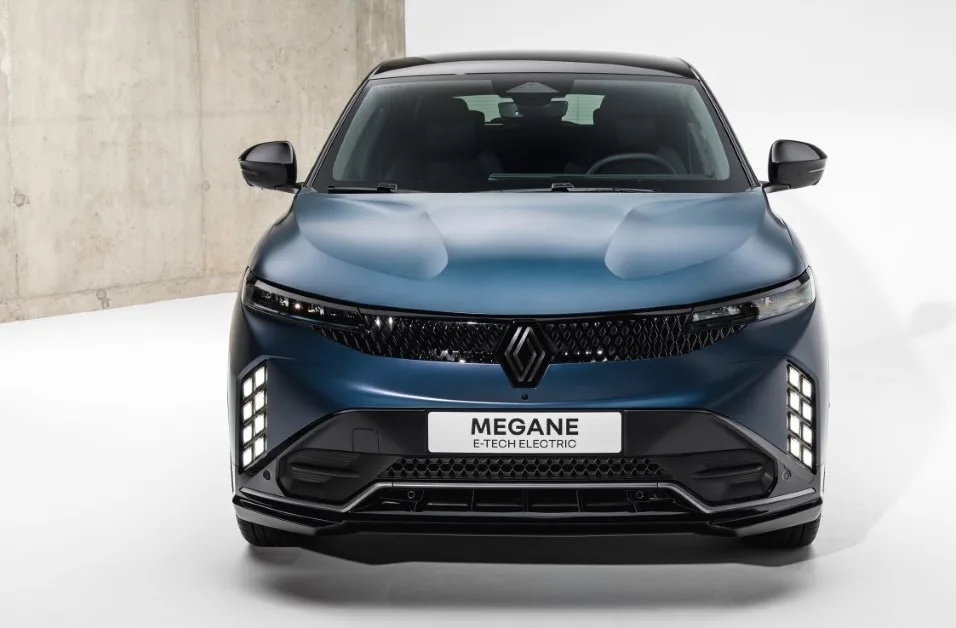
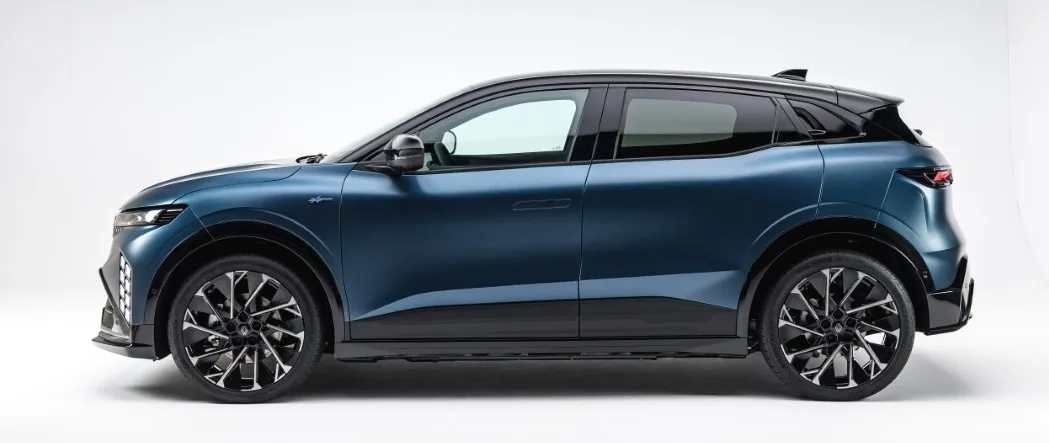
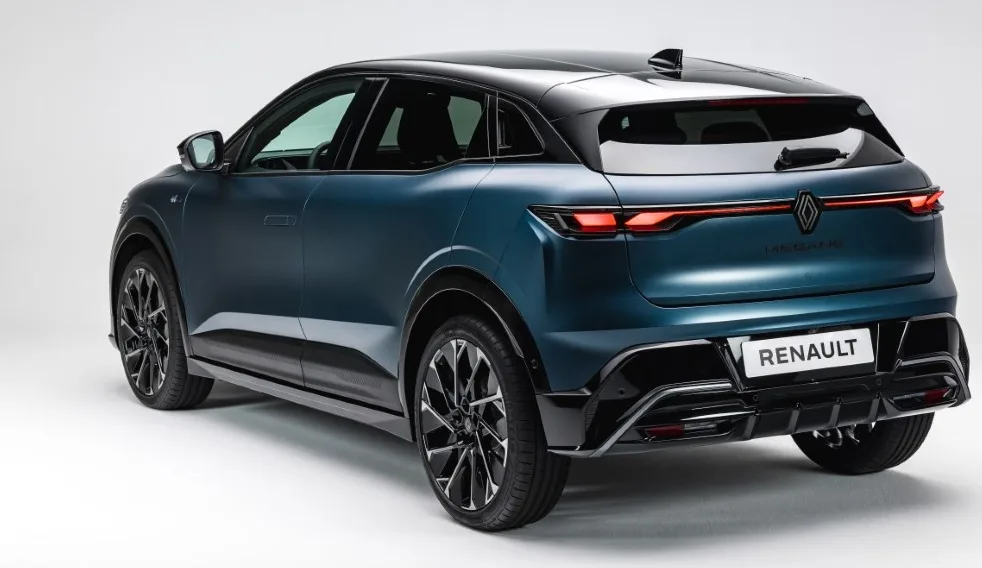
The design changes are concentrated at the front.
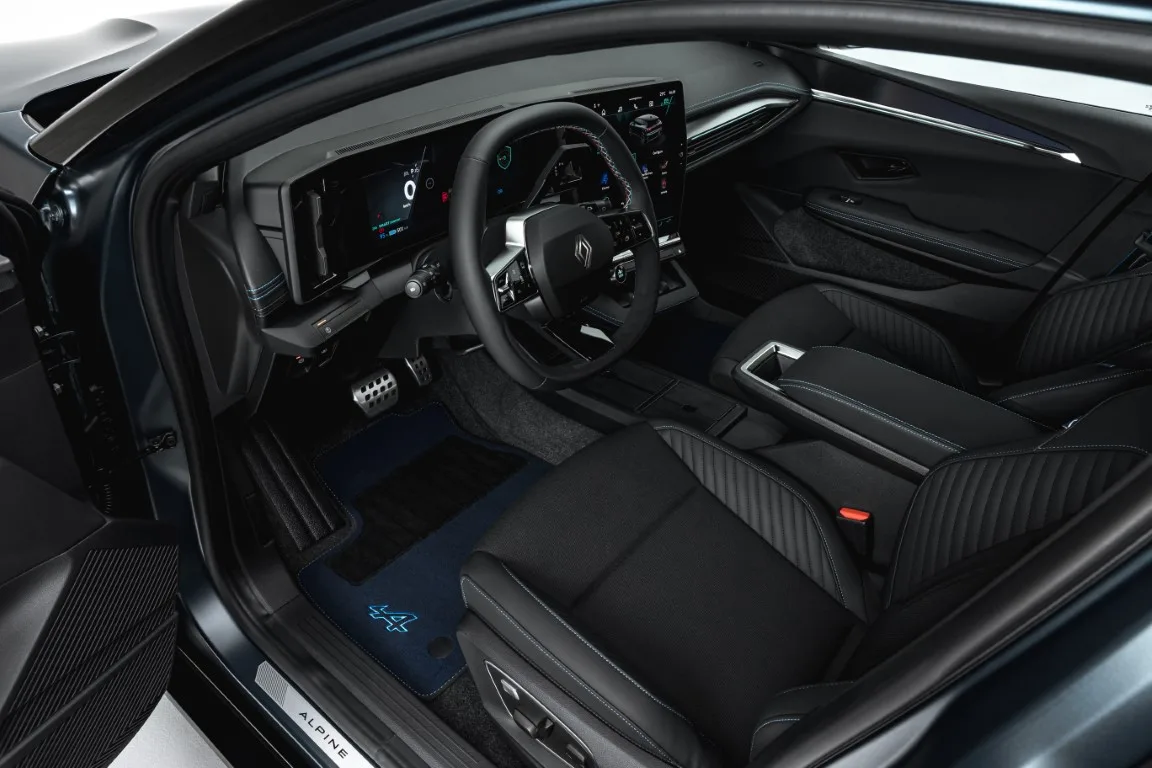
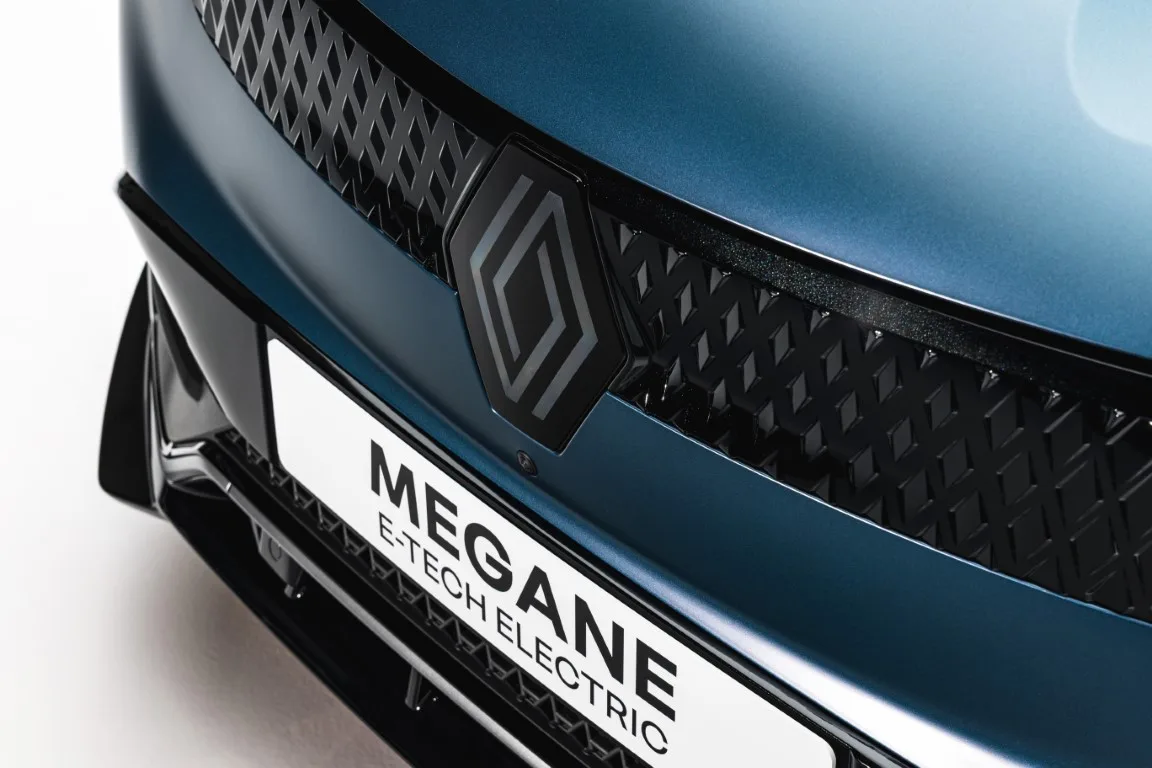
Apart from the headlights, Renault said the front-end components are new. The bumper is more body-coloured than before, the closed grille gets a gloss black diamond pattern, and the previous side air intakes have been replaced by a new light signature made up of eight diamond-shaped elements.
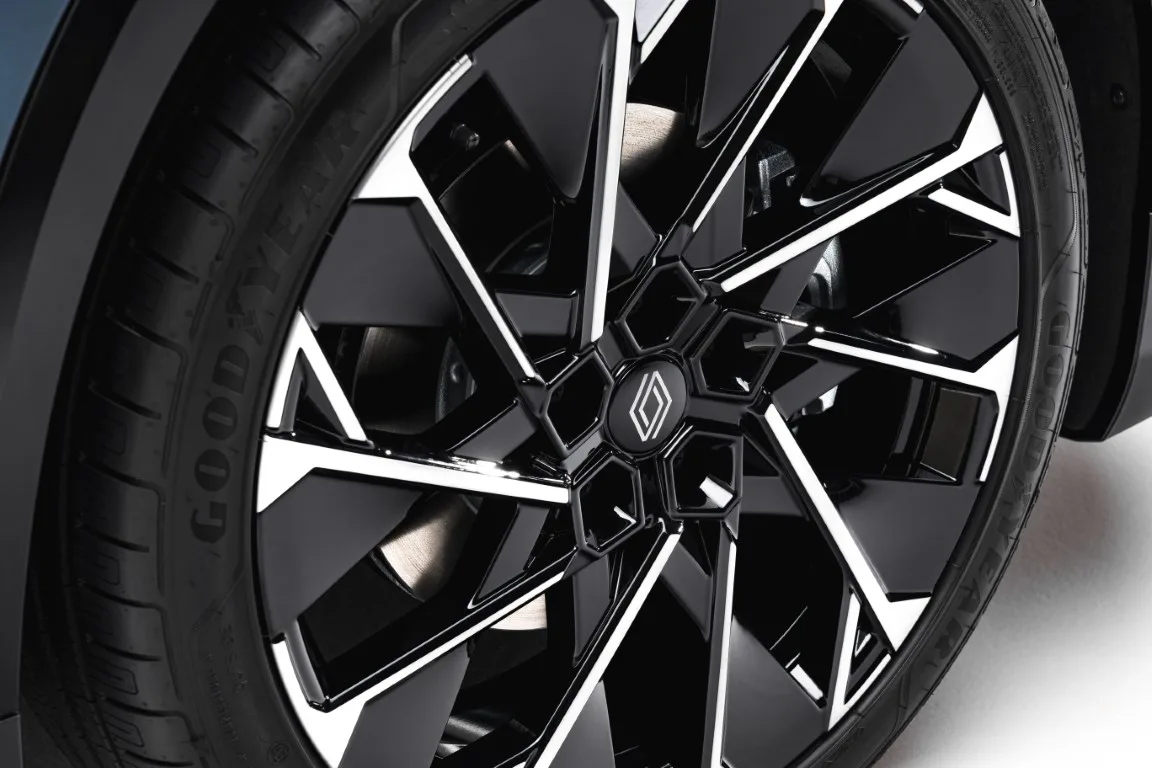
It is still recognisably a Megane E-Tech. The short overhangs, flush door handles, high waistline, sloping roof and large 19- or 20-inch wheels remain. Renault has not turned it into a crossover caricature, thankfully, although the car is now 20mm taller because of the larger battery.
The car measures 4,200mm long, 1,782mm wide and 1,522mm tall, with a 2,685mm wheelbase. Boot space is 440 litres, rising to 1,332 litres with the rear seats folded.
Inside, the screen layout is familiar, but the software is newer.
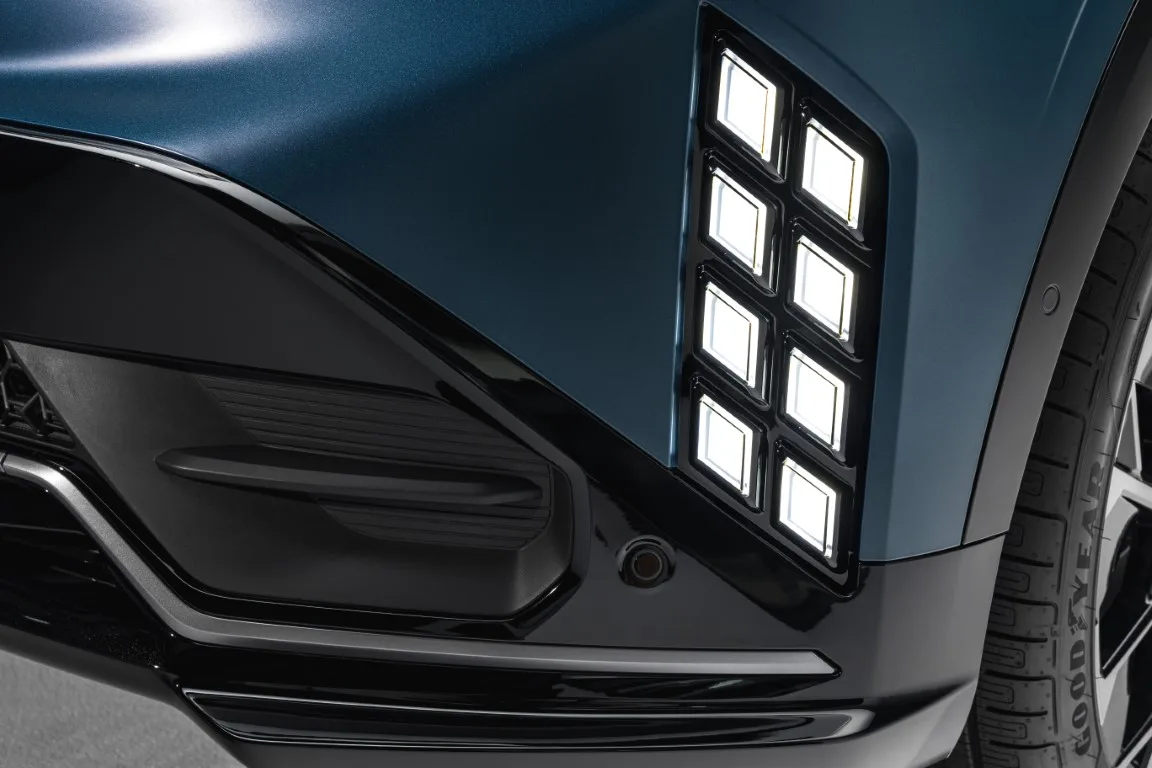
The openR link system combines a 12.3-inch digital instrument display with a 12-inch central touchscreen.
Google built-in remains central to the experience, with Google Maps handling EV route planning and charging stops.
Renault is also adding Google Gemini, giving the voice system a more conversational style. Drivers can now ask more natural questions or request vehicle functions without sticking to rigid command phrases.
The Megane gets an 11kW AC charger, battery pre-conditioning and a heat pump. It also supports vehicle-to-load, allowing external 220V devices of up to 3,700W to be powered through an adaptor. Vehicle-to-grid is offered where markets and energy providers support it.
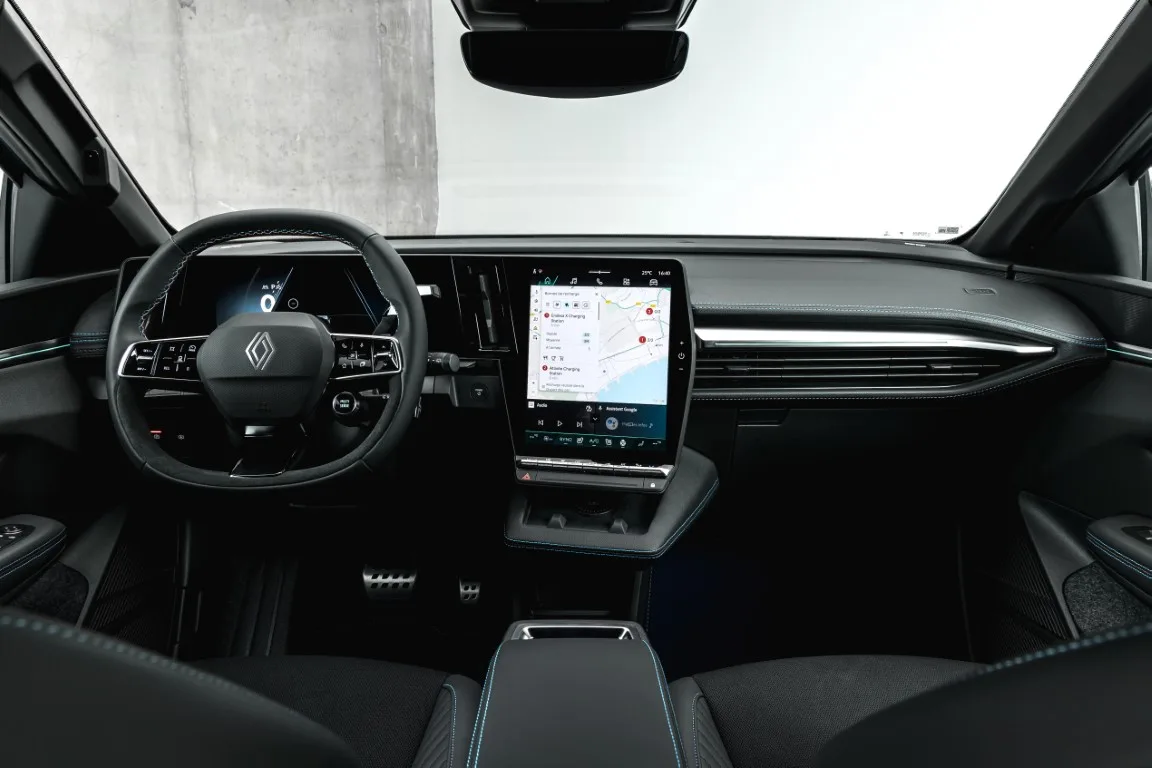
One Pedal driving is available, letting the car slow to a stop using regenerative braking when the driver lifts off the accelerator. There are also four regen levels selectable through steering wheel paddles.
The driver-assist list is long, with more than 30 systems available. These include intelligent adaptive cruise control, emergency stop assist, predictive eco-driving advice, Safety Score, Safety Coach and Safety Monitor.
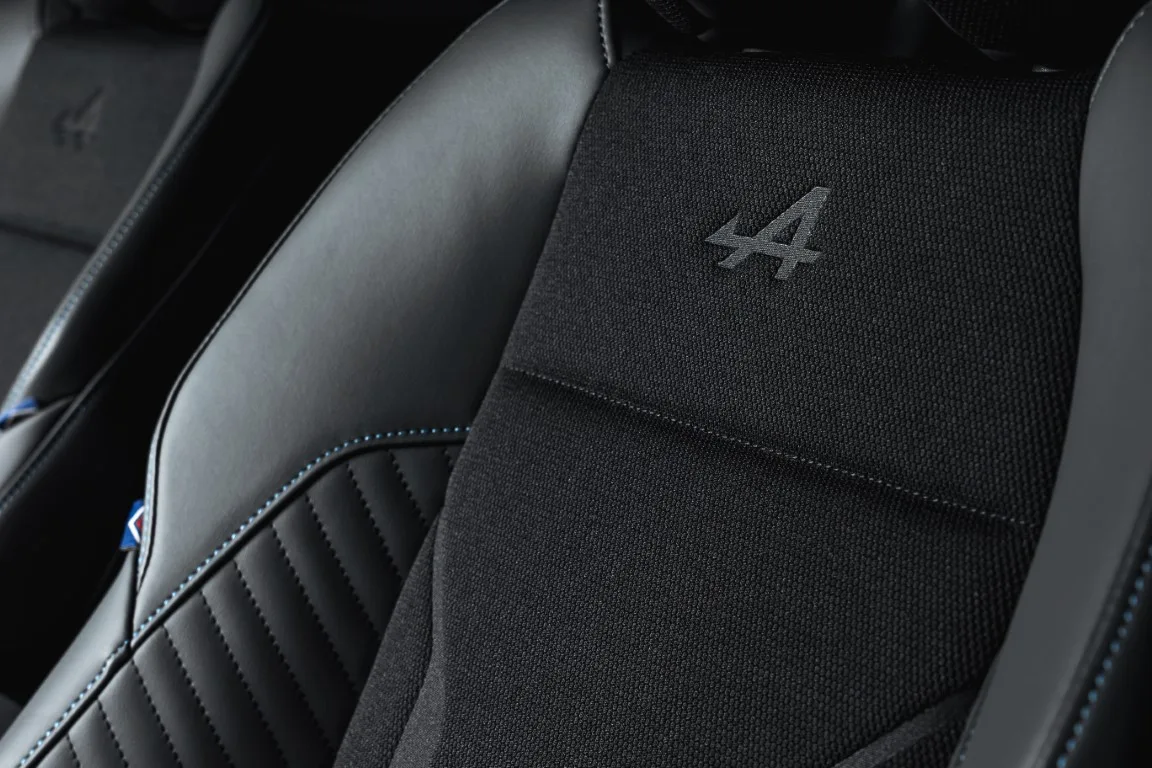
The techno trim gets 19-inch wheels, the 12-inch openR link system, Google built-in, heat pump, battery pre-conditioning and the 220hp motor. Esprit Alpine adds 20-inch wheels, power massage seats, Harman Kardon audio and a broader driver assistance package.