






Chinese carmakers are still spending on petrol engines, but not in the old way.
The focus is now on hybrids, plug-in hybrids and range-extender electric vehicles that can travel far, use less fuel and work in markets where public charging is still uneven.
Nikkei Chinese’s examples centred on three Chinese groups: Chery for efficiency claims, Geely for AI-managed hybrids and Changan for high-pressure fuel injection.
Together, they point to a tougher contest for Japanese brands, which have long used efficient combustion engines and hybrids as a core advantage.
The export logic is hard to miss. In many countries, charging coverage remains patchy and buyers still value long range, quick refuelling and lower running costs.
That gives electrified combustion models a longer commercial life, even as China continues to push hard into full electric vehicles.
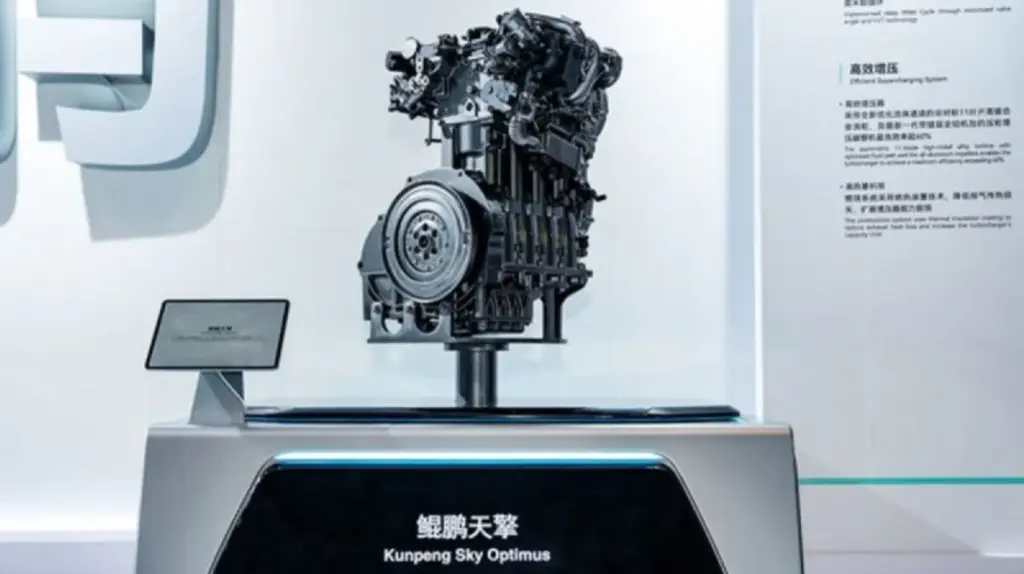
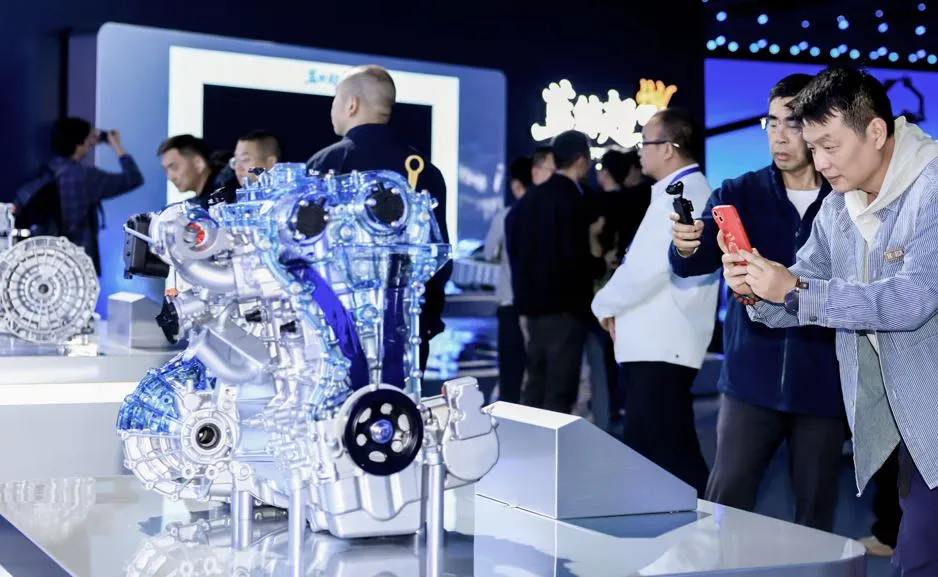
Nikkei Chinese reported that Chery’s Kunpeng Tianqing hybrid engine has reached a claimed thermal efficiency of 48.57 per cent, the highest figure publicly claimed by any automaker.
The number shows how much fuel energy becomes drive rather than waste heat. A higher figure usually points to better fuel economy, although real-world results still depend on vehicle weight, driving conditions and system tuning.
Chery appears to be building this engine for more than one drivetrain route, from regular hybrids to plug-in hybrids and range-extender EVs.
That gives it a shared powertrain base for export markets where a full EV range may be too early, too costly or too dependent on public charging.
The company’s scale makes the move more important. Nikkei Chinese reported that Chery sold 2.8 million vehicles in 2025, with petrol-powered models still making up about 70 per cent of total volume. It also exported 1.34 million units, more than any other Chinese automaker.
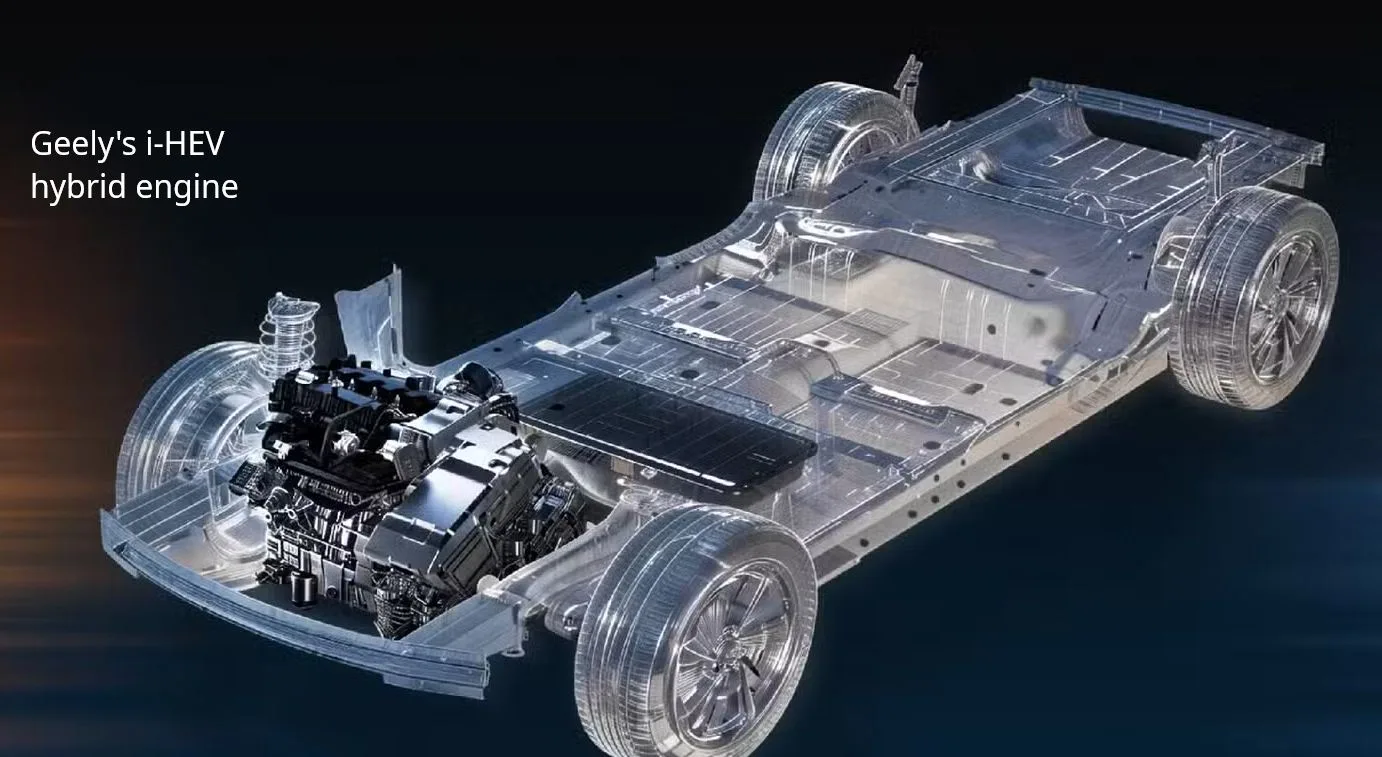
Geely is taking a different route. Its i-HEV system combines a 48.41 per cent thermal-efficiency engine with artificial intelligence-based energy management, allowing the powertrain to adjust energy use according to altitude, temperature and humidity.
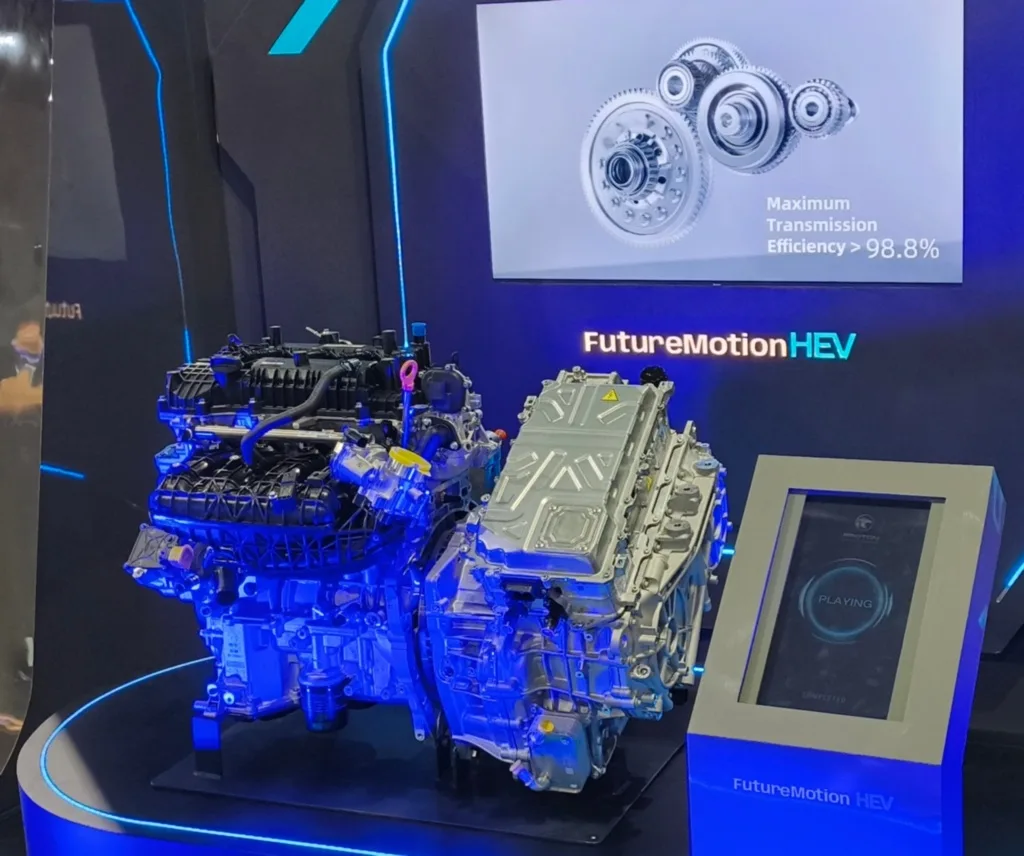
There is a Malaysian connection. Proton’s hybrid electric vehicle powertrain shown at KLIMS 2026 is derived from Geely’s i-HEV system, but Proton is localising it under its FutureMotion HEV banner.
The dedicated hybrid engine and dedicated hybrid transmission are also planned for assembly at Tanjung Malim, giving Proton a local route into the same China-led hybrid push.
Changan’s BlueCore hybrid system puts more emphasis on combustion hardware. It uses 500-bar high-pressure direct injection, paired with electric drive and intelligent control.
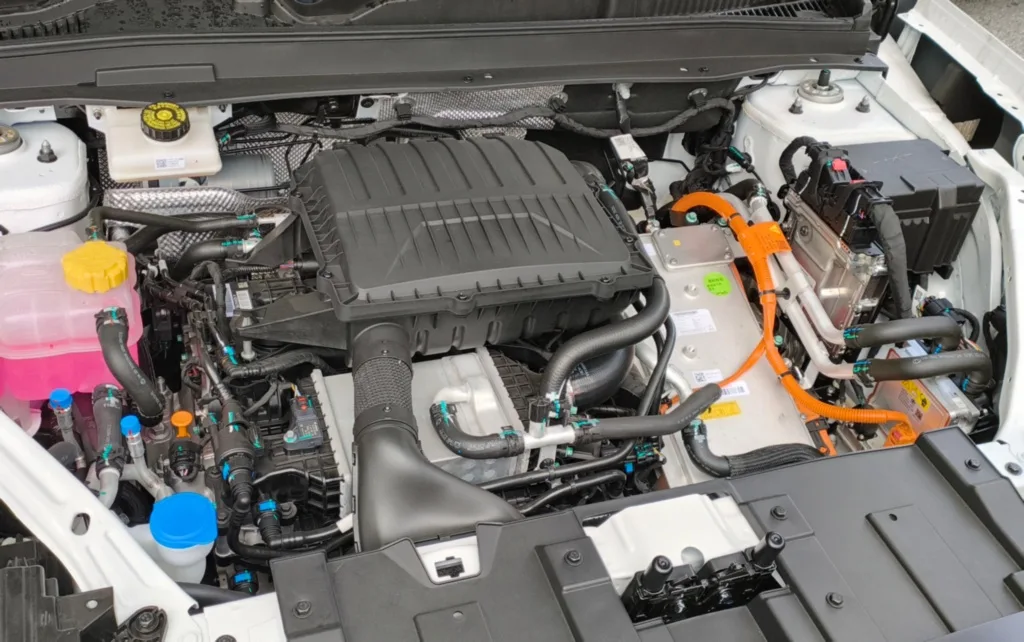
Changan has described it as a way to reduce fuel use in models that do not need external charging.
Japan is still ahead in the broader non-EV market, where Nikkei Chinese put Japanese brands at about 30 per cent share against China’s roughly 20 per cent.
The uncomfortable part for Japan is where the pressure is landing. China already has scale in batteries, motors and EV manufacturing.
If Chinese brands can pair efficient engines with lower costs and stronger software control, Japan’s long-standing hybrid advantage looks harder to defend.