



CATL is pushing for EV batteries that are easier to trace, repair, reuse and strip for materials when their time in a car is done.
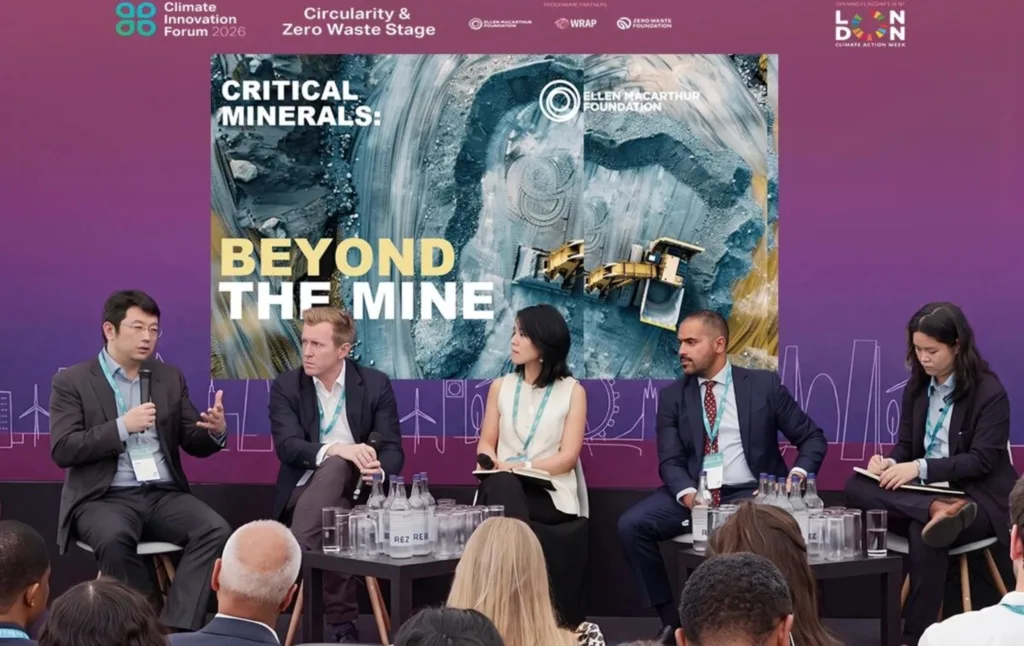
The Chinese battery giant said it has joined the Ellen MacArthur Foundation, BMW, Renault, Volvo, Google and Xiaomi to launch the Global Energy Circular Economy Alliance in London.
The announcement was made on June 22 during London Climate Action Week, alongside the start of work on a Battery Circular Design Guide.
No extra range. No faster charging claim. No new factory. CATL and its partners are working on the duller, harder part of the EV business: what happens to the battery after years on the road.
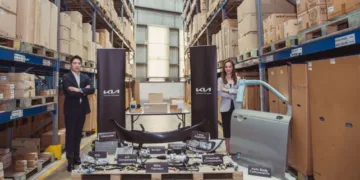
The alliance will look at battery records, state of health, degradation data and recycling responsibility. The guide will go deeper into design: how to make packs easier to dismantle, diagnose, repair, remanufacture and recycle.
As more EVs age, those details will affect used-car values, fleet resale prices and recycling costs. Without them, a battery is just an expensive box of unknowns.
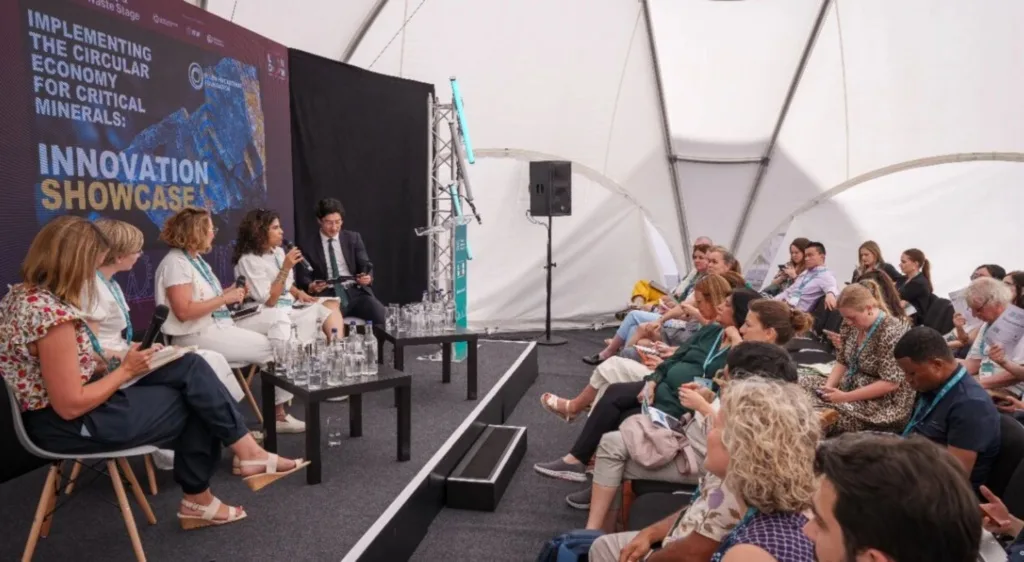
The Ellen MacArthur Foundation will act as the collaboration platform, while the companies involved bring different pieces of the battery and mobility chain.
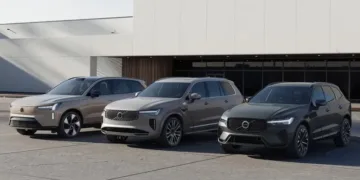
CATL makes batteries. BMW, Renault and Volvo build vehicles. Xiaomi now has its own EV business. Google brings data and digital systems into the wider discussion.
The guide is expected to cover passenger cars, commercial vehicles and other transport uses, with the full version due in 2027.
This is a guide, not a binding global regulation. Even so, common criteria from major battery, car and technology companies could still shape how future EV batteries are designed, valued, reused and recycled.
CATL also used the announcement to set out its own circular economy credentials.
The company said it became the first new energy technology company to achieve carbon neutrality across core operations in 2025, with all of its battery plants operating as zero-carbon factories.
It also claimed its carbon emission intensity has fallen 77% compared with 2022.
On recycling, CATL said its subsidiary Brunp processed 210,000 tonnes of used batteries and battery materials in 2025.
The company claimed nickel, cobalt and manganese recovery rates of 99.6%, with about 80% of recycled materials going back into CATL battery production.
Separately, CATL and Octopus Energy also announced plans during London Climate Action Week to form a joint venture for a heavy-duty electric truck battery-swapping network in Europe.