


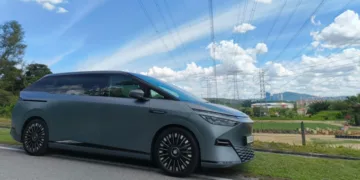



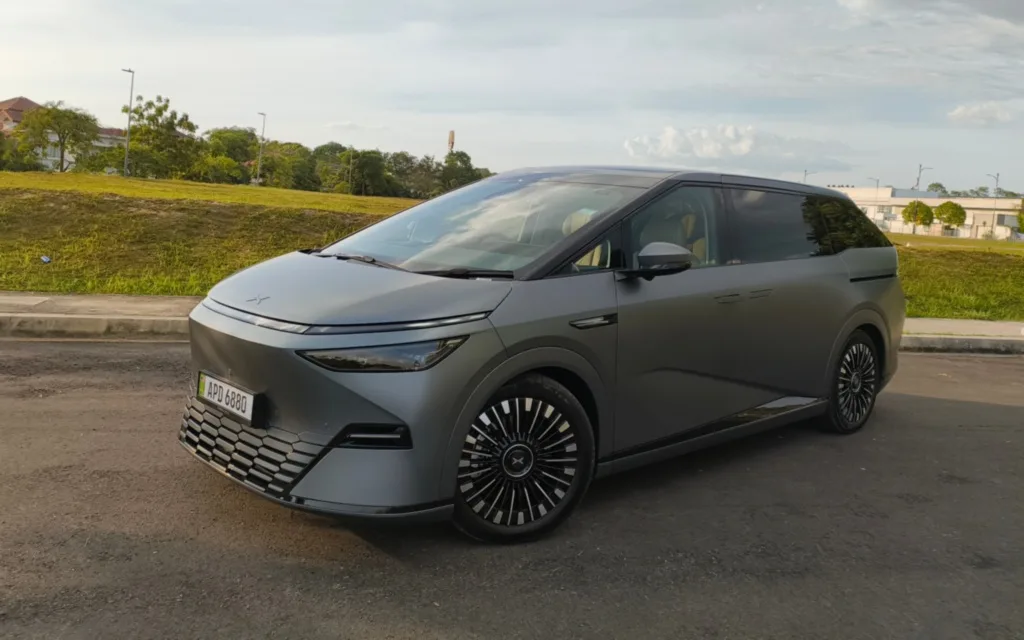
Malaysia is rarely kind to a vehicle measuring more than 5.2 metres long.
Mall ramps are tight, housing roads are narrow and many parking bays were painted when cars were smaller.
A luxury MPV can look grand outside a hotel, then become hard work once it reaches a basement car park.
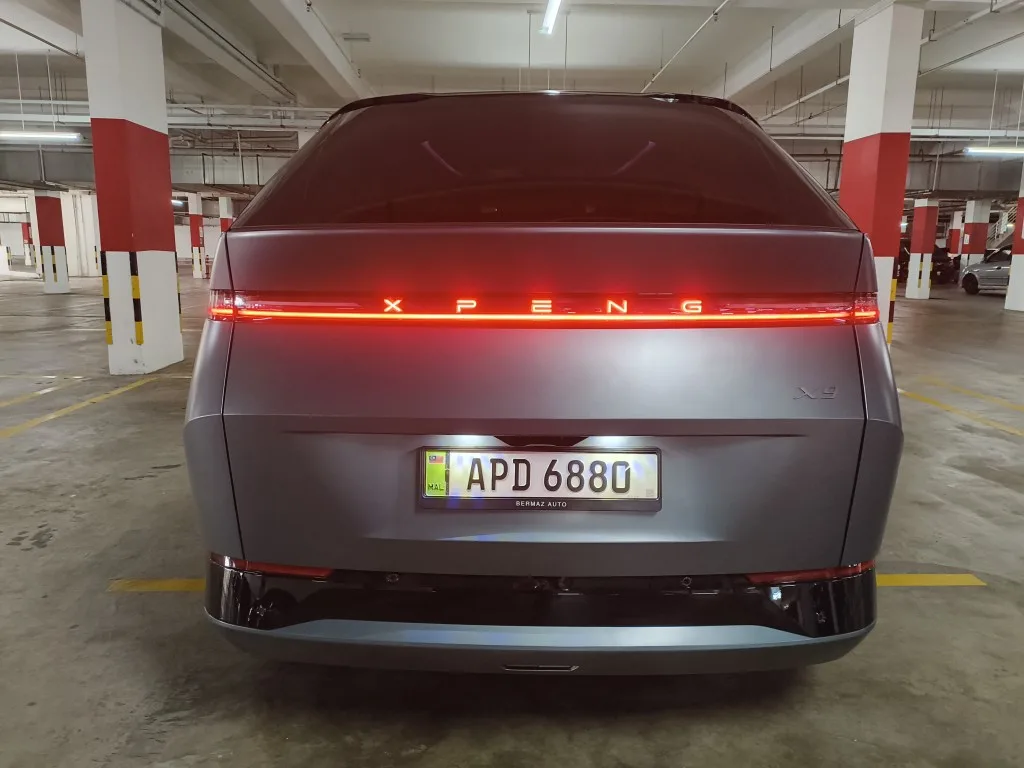
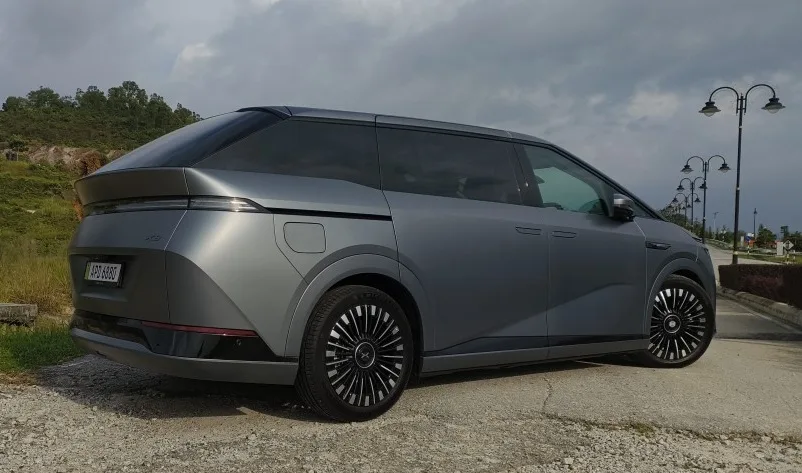
The XPeng X9 cannot hide its size. It is 5,293 mm long, 1,988 mm wide and 1,785 mm tall, with a 3,160 mm wheelbase. Yet it is less intimidating from behind the wheel than those figures imply.
The version tested here is the X9 Long Range 2WD Pro Plus, priced at RM315,073 (on-the-road without insurance), including the 2026 EV road tax.
It sits above the Standard Range 2WD Pro and Long Range 2WD Pro as the range-topping Malaysian variant. A facelift is expected, although its local arrival timing remains unclear.
Easier in town
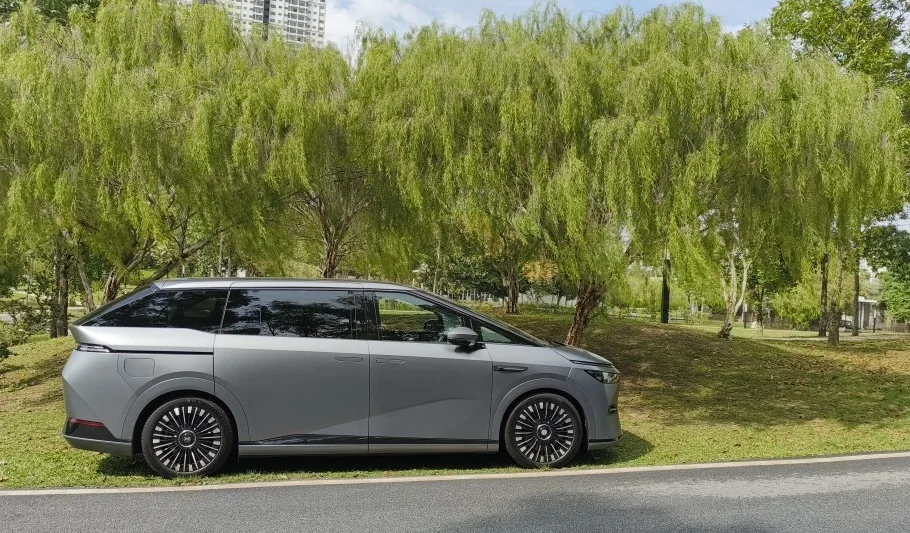
Rear-wheel steering is the main reason the X9 copes so well in tight spaces.
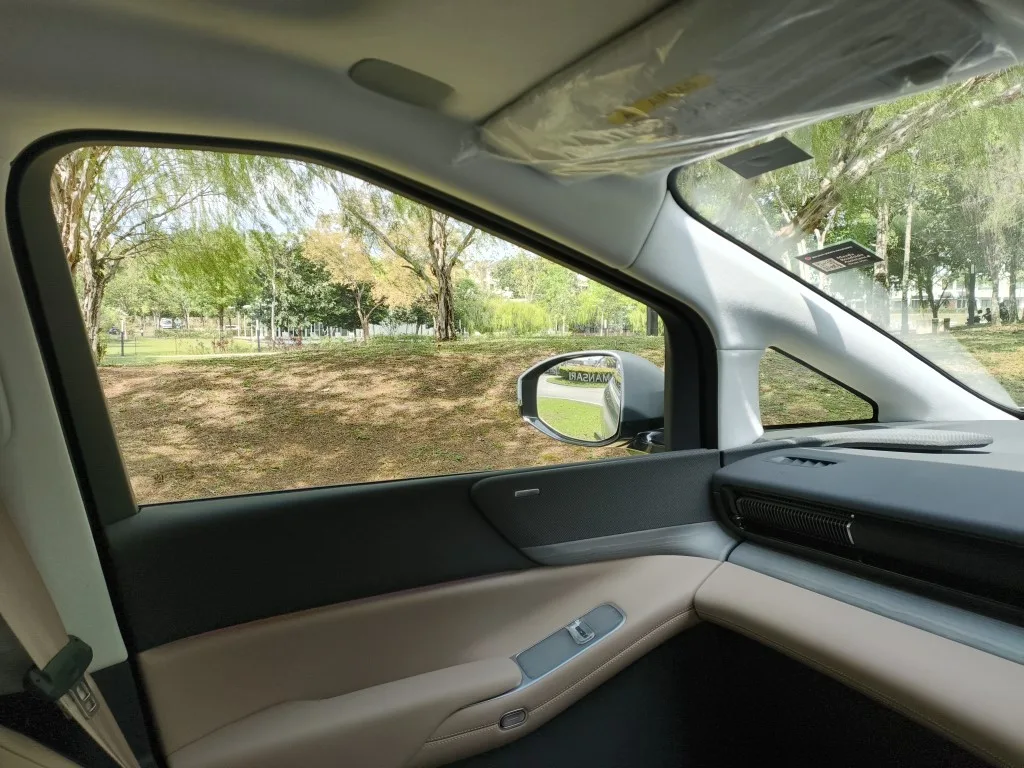
At lower speeds, the rear wheels turn slightly in the opposite direction to the fronts, reducing the room needed for U-turns and helping the X9 negotiate narrow ramps. Their movement is easy to spot through the side mirror.
A clear 360-degree camera system and parking assistance help the driver place the car more accurately. Older parking bays still require care, but the X9 feels less cumbersome than its footprint indicates.
That ability will count for buyers used to Alphard-style luxury MPVs. School runs, shopping centres and urban traffic leave little room for a vehicle that demands constant correction from the driver.
Room for seven
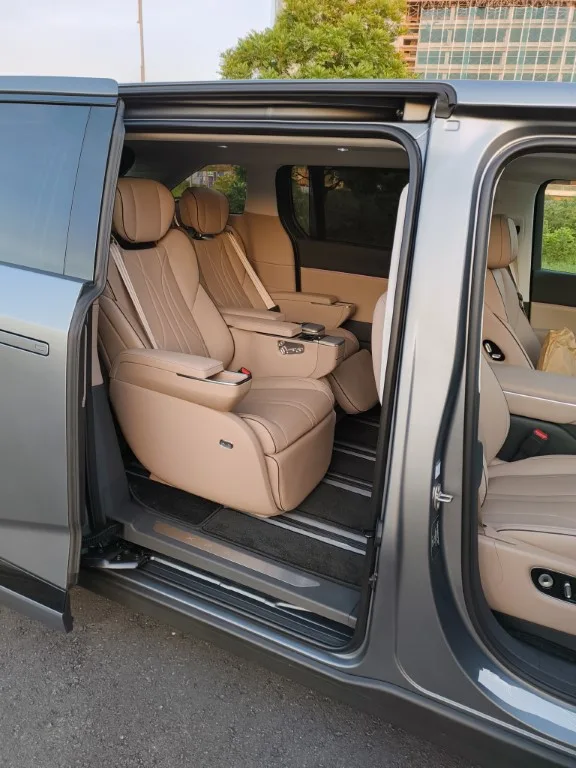
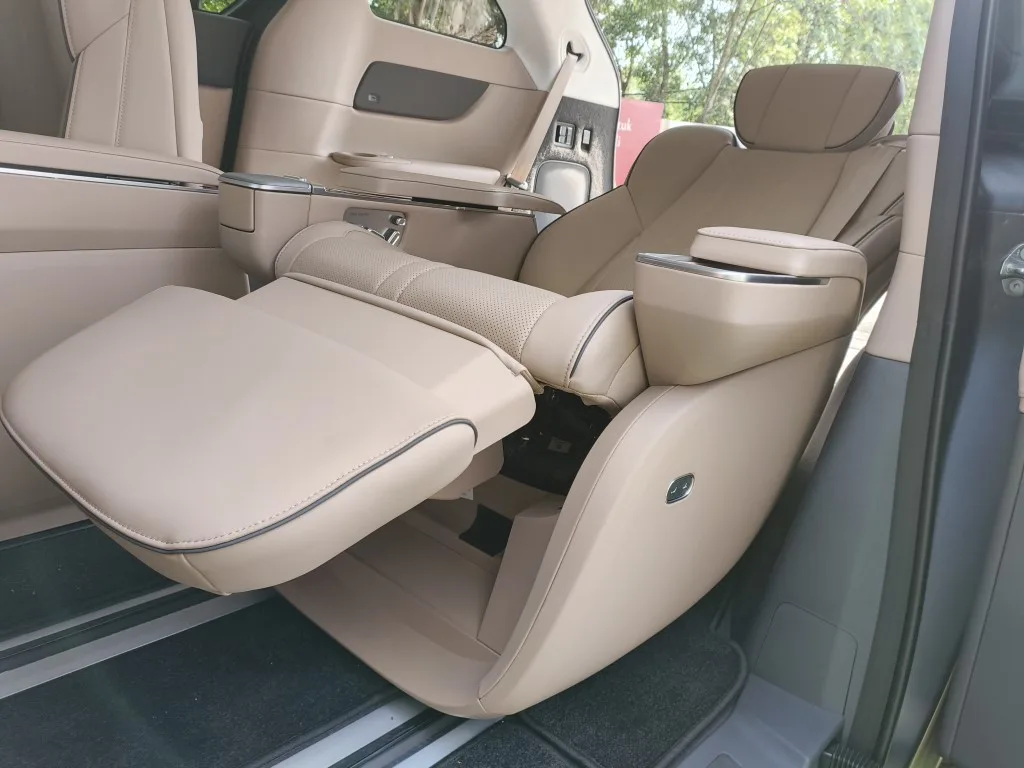
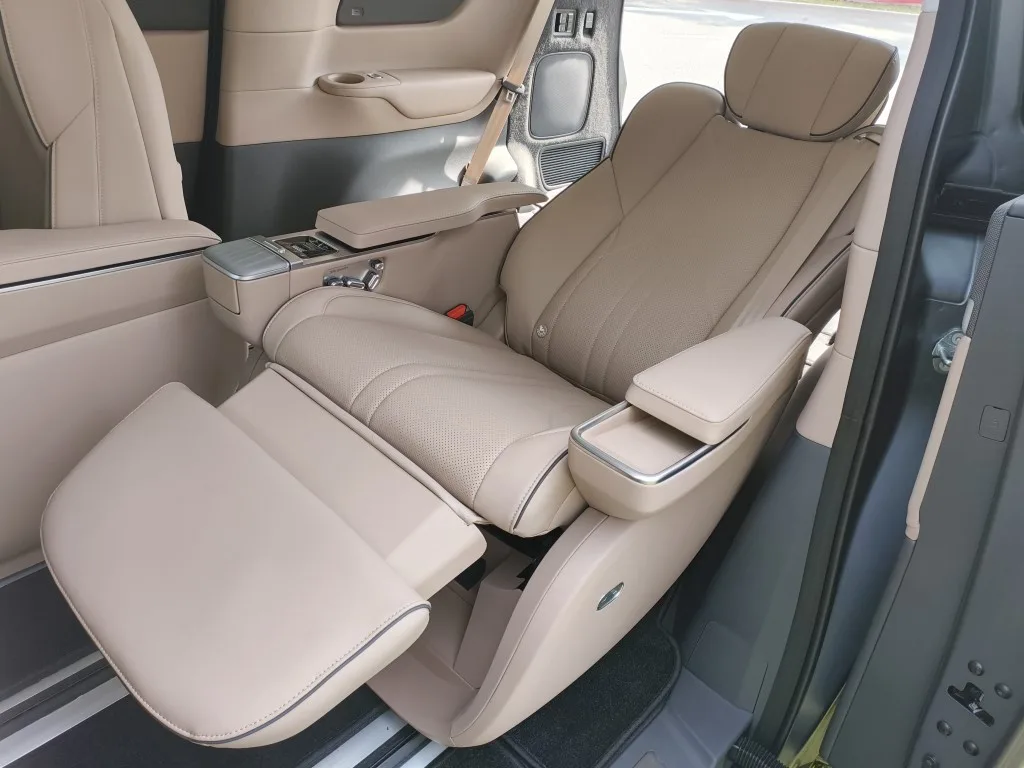
Second-row passengers get broad powered captain chairs with heating, ventilation, massage and zero-gravity recline.
Sliding the front passenger seat forward and raising the leg rest creates enough room to stretch out on a long journey.
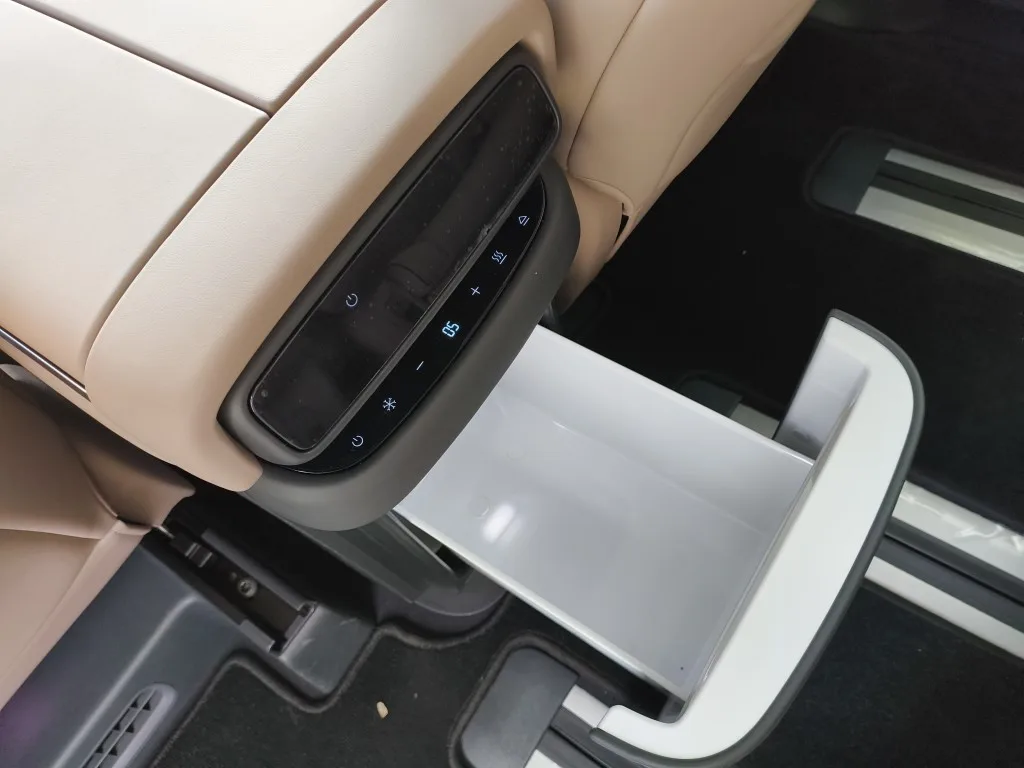
The 10.8-litre fridge can cool or warm its contents between 0°C and 50°C. It sounds excessive on the specification sheet, but keeping drinks cold in Malaysian weather soon makes it worthwhile.
A button on either captain chair moves it forward electrically, opening a clear path to the third row.
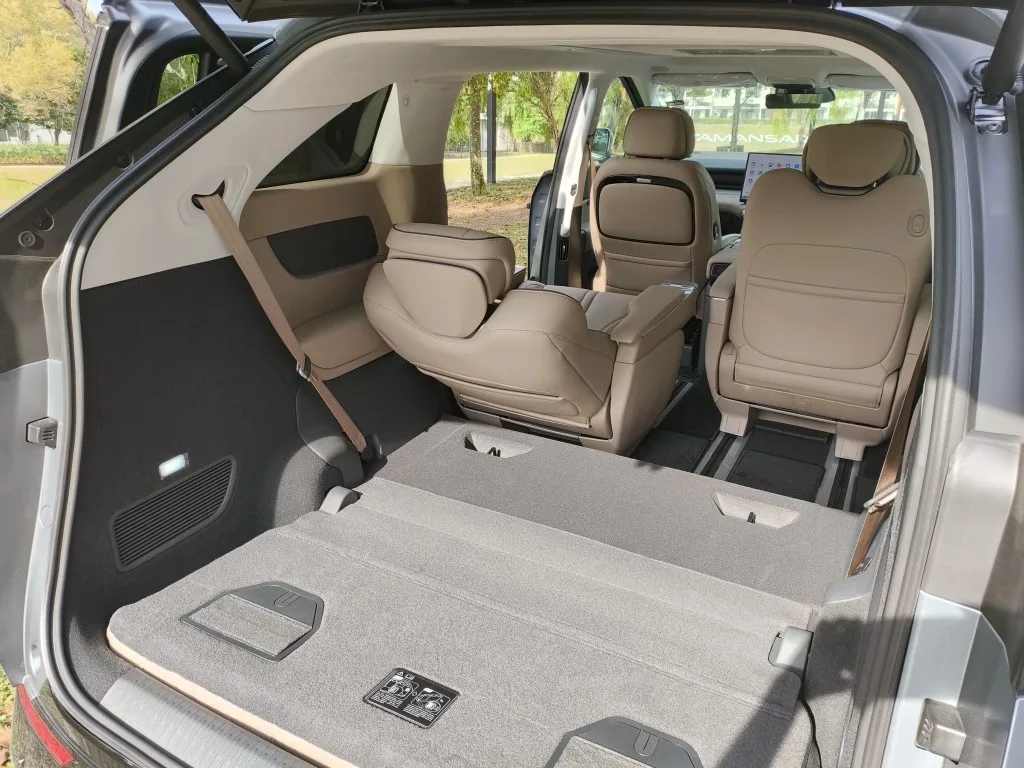
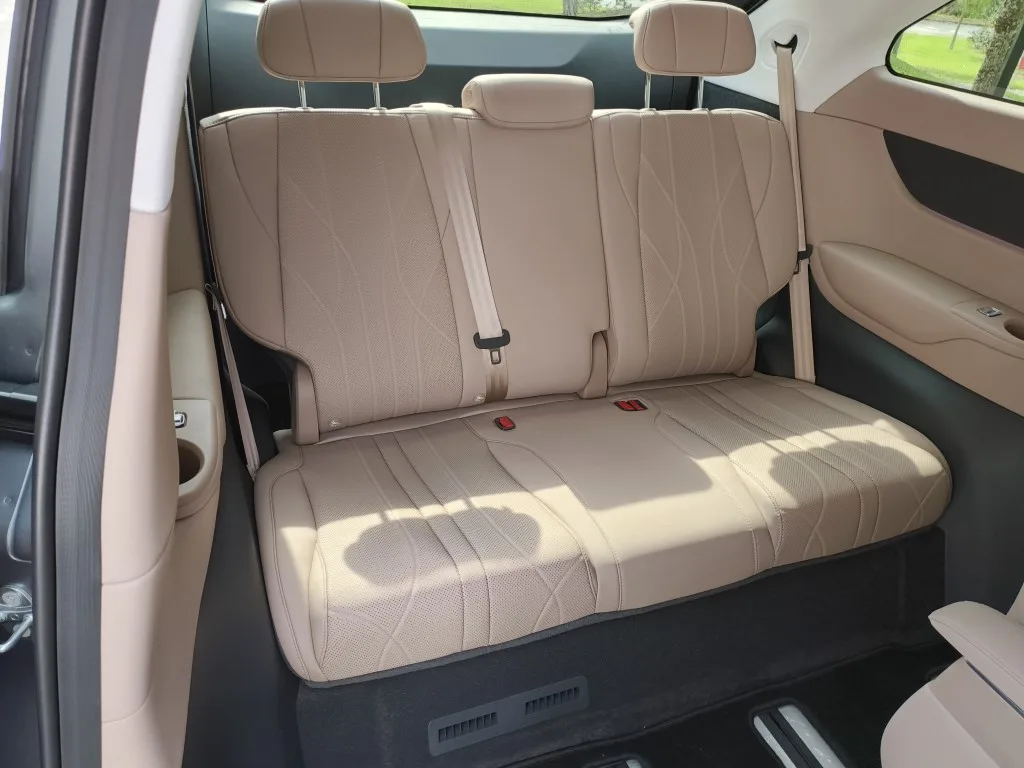
Adults have usable headroom and legroom, while powered backrests and headrests give the last row more attention than it receives in many seven-seaters. Two adults fit comfortably; three would be a squeeze.
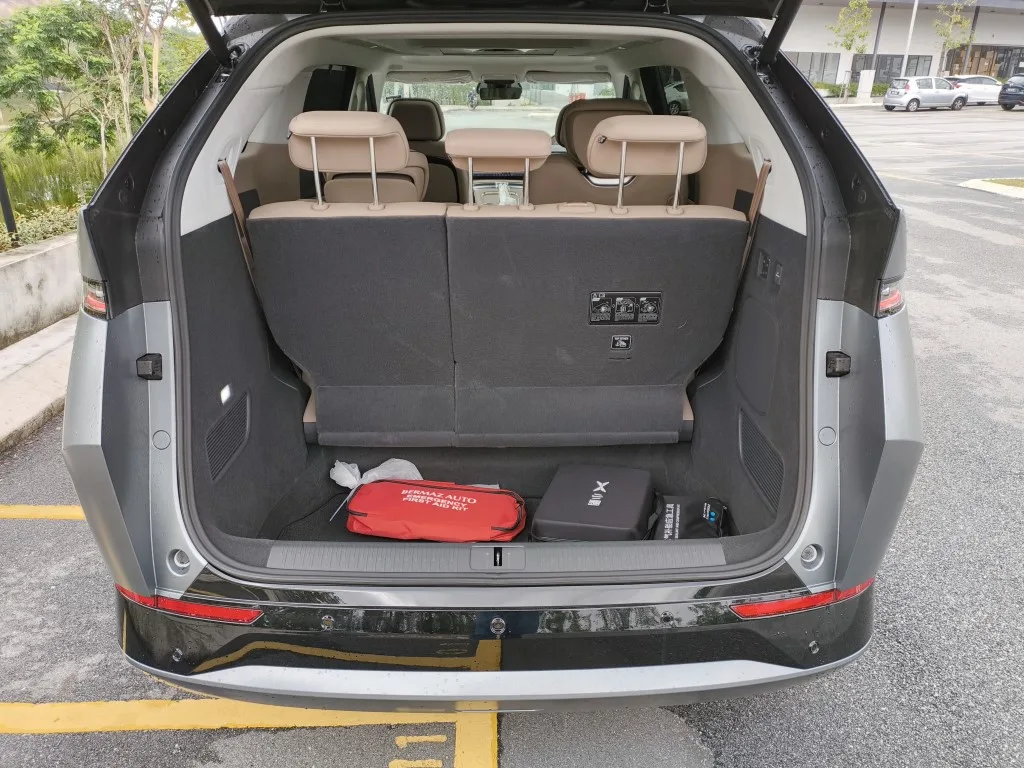
Luggage space remains useful with every seat raised. XPeng quotes 755 litres, expanding to 2,554 litres when the third row folds into the recessed load area.
Passenger first
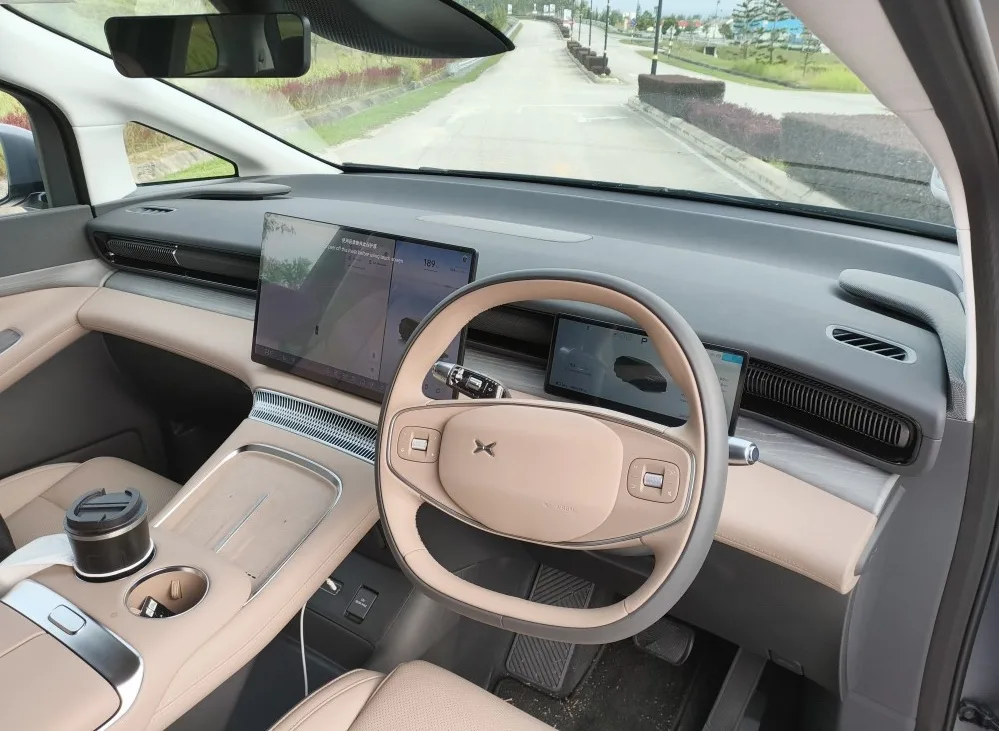
Nappa leather, suede-like trim, wood-effect inserts and soft surfaces keep the cabin from feeling dominated by its screens.
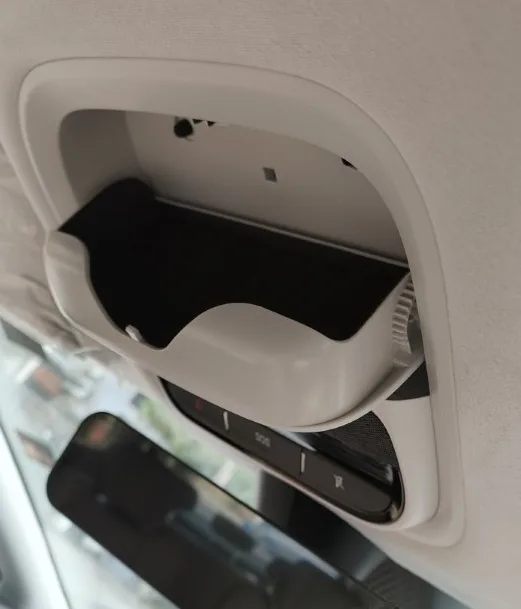
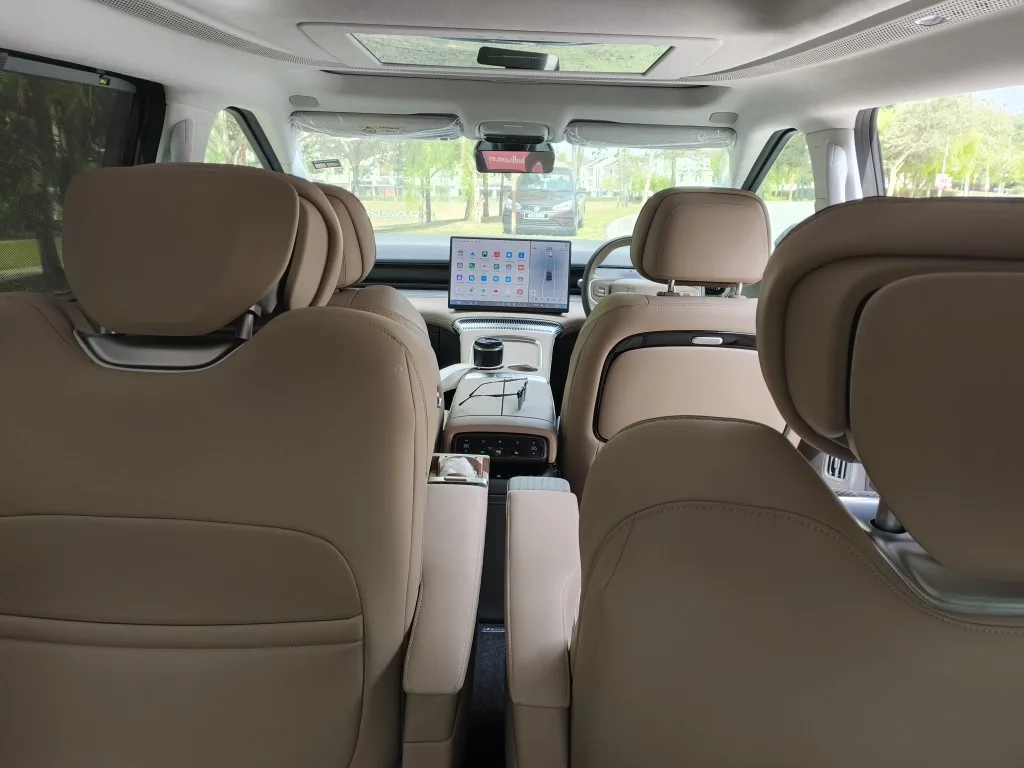
A 17.3-inch central touchscreen handles most functions, while rear passengers get a 21.4-inch ceiling display. Lowering it blocks the view through the rear window, so the mirror automatically switches to a camera feed.
The front air vents are less successful.
XPeng uses concealed vents, with airflow direction adjusted on the touchscreen. The clean layout comes at the expense of immediacy, especially when the cabin is hot and the air needs redirecting quickly.
Steering-wheel controls can adjust airflow and temperature, reducing the need to reach for the screen. Conventional vent controls would still be quicker.
The air suspension is best left in its more relaxed settings. It delivers a cushioned, settled ride, while the electric drivetrain removes the vibration and low-speed grumble associated with petrol or diesel MPVs.
Sport mode controls body movement more tightly but adds a firmer edge. Passengers are better served by the softer settings.
Road noise is well contained and the driver is not left managing a vague or awkwardly placed vehicle. The steering is light enough in town, while the rear-wheel steering gives the front end a more manageable feel.

Efficiency and pace
The test car recorded 17.4 kWh/100 km over 300km of mixed city and highway driving.
For a seven-seat electric MPV weighing more than 2.5 tonnes, the result is respectable. The test covered ordinary urban use rather than a controlled economy run.
The Long Range variants use a 101.5 kWh nickel manganese cobalt battery. XPeng quotes up to 590 km under the Worldwide Harmonised Light Vehicles Test Procedure.
Power comes from a single front-mounted motor producing 235 kW, or 320 PS, and 450 Nm.
The X9 reaches 100 kph from rest in 7.7 seconds. The figure is brisk for something this large, but the smooth response is more useful in daily driving.
Acceleration is quiet and progressive, with enough pace for joining highways or overtaking without disturbing passengers. Its height and weight become more apparent when hurried; driven smoothly, the X9 settles into its role.
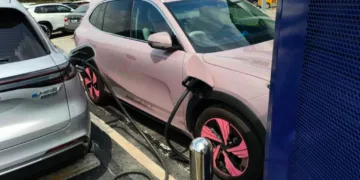
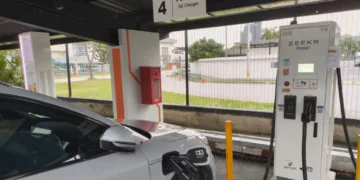
The 800-volt electrical system supports DC charging at up to 317 kW. XPeng claims a 10% to 80% charge can take about 20 minutes when connected to suitable high-output equipment.
Actual charging speed will depend on the station, battery temperature and prevailing conditions. Chargers capable of delivering the X9’s peak rate also remain limited, so long journeys still require planning.
Ownership matters
Powered sliding doors, seats, headrests and a folding third row make it easier to rearrange the cabin.
The longer-term worry is how those motors, switches and mechanisms will cope with years of heat, rain, children and frequent use. A short road test cannot answer that.
Resale value is another unknown for buyers accustomed to established Japanese luxury MPVs. XPeng must build confidence in both its local support and the durability of a vehicle packed with powered equipment.
The screens, fridge and fragrance system attract attention first. After several days, the space and comfort leave the stronger impression.
The second row is relaxing, the third row can carry adults and the boot remains useful with all seven seats in place. Good cameras and rear-wheel steering also spare the driver much of the effort expected from a 5.3-metre MPV.
The gist
The X9 is expensive, very large and dependent on charging infrastructure. Yet it gives passengers the space of a giant MPV without making the driver fight its size.
What’s Hot
- Excellent second-row comfort
- Adult-friendly third row and large boot
- Rear-wheel steering helps in tight spaces
What’s Not
- Touchscreen-controlled front vents irritate
- Long-term durability remains unproven
- Its size still shows in older car parks