




Multi-purpose vehicles (MPVs) are the boring answer that keeps winning. When you need to move seven adults plus luggage without turning the trip into a negotiation, sports utility vehicles (SUVs) stop being the default and start being the compromise.
The Denza D9 is made for this job. It’s awkward timing, mainly if you’ve been watching the old sticker price and waiting. Denza Malaysia is still clearing leftover 2025 stock, but newly imported 2026 units arrived after the end of tax and duty exemptions for fully imported EVs.
Prices rose by about 15%: the 2026 D9 Premium AWD is RM355,000 (up from RM309,000) and the 2026 D9 Advanced FWD is RM299,000 (up from RM259,000).
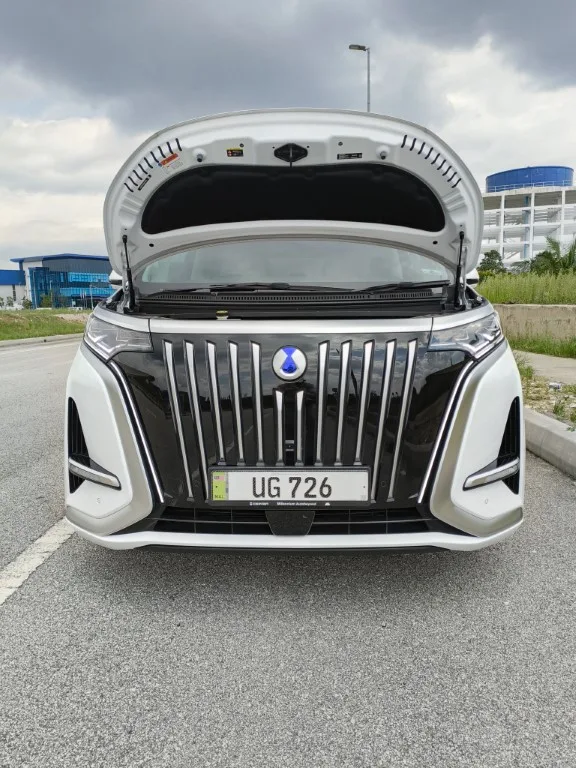
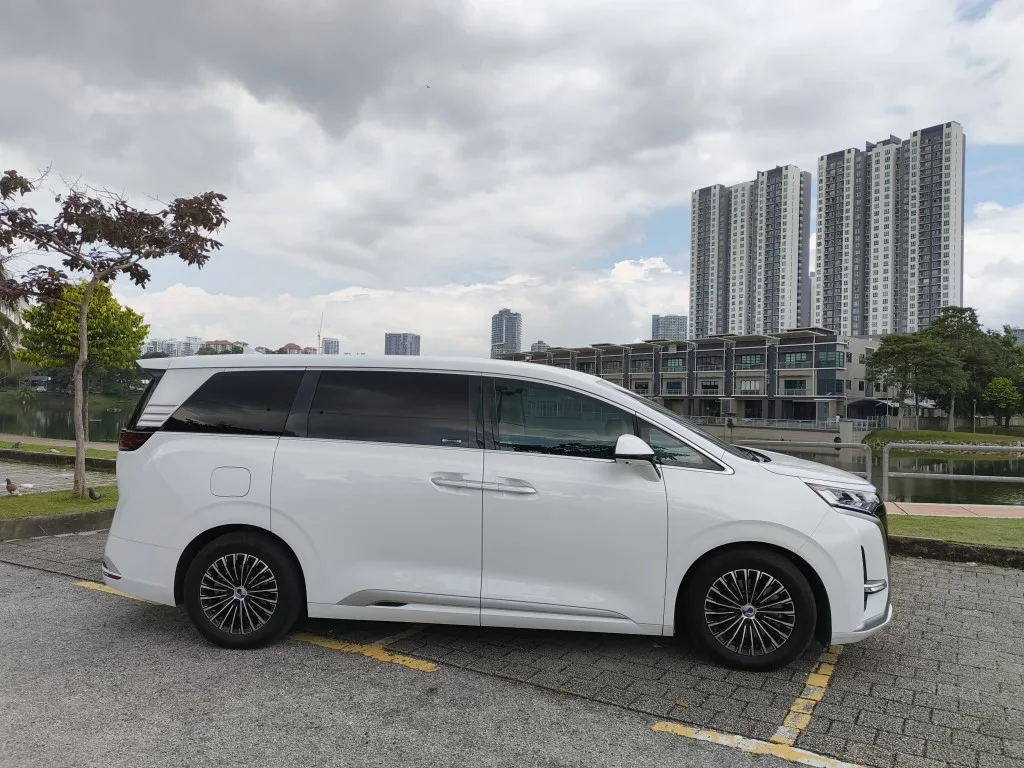
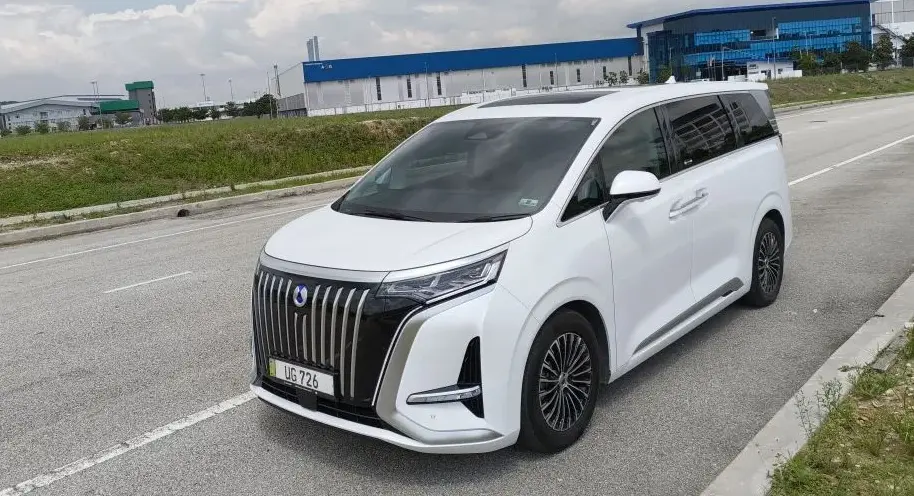
Before you even get to the fancy seats, the D9 wears the “big MPV” look proudly. It’s tall, broad, and a bit boxy in the way luxury vans tend to be, with enough chrome and smart surfacing to stop it looking like a hotel shuttle.
The 18-inch multi-spoke wheels can appear slightly undersized against all that sheetmetal, but they also tell you what Denza prioritises: comfort, efficiency and day-to-day durability over posing.

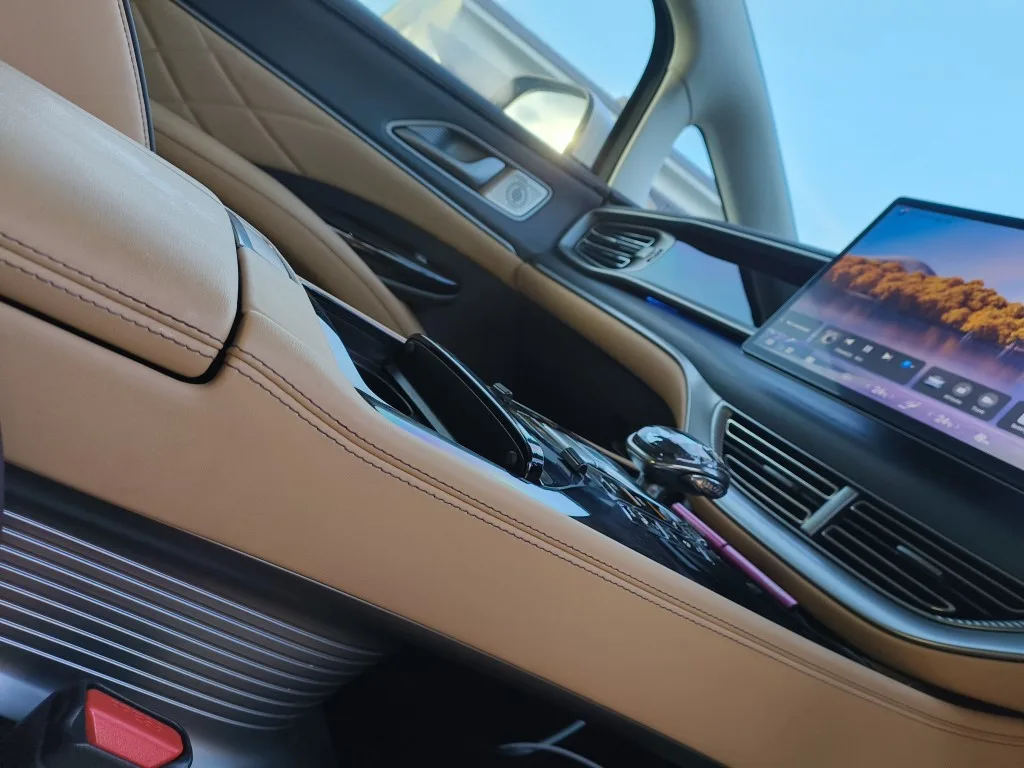
Inside, the first impression is clean and modern rather than old-school plush. The dashboard has that current BYD-family vibe: large screens, tidy surfaces, and a cabin that feels designed around storage and charging as much as show.
It’s a properly bright space too thanks to the dual panoramic roof, although only the front panel opens, and the rear side window shades are manually drawn.
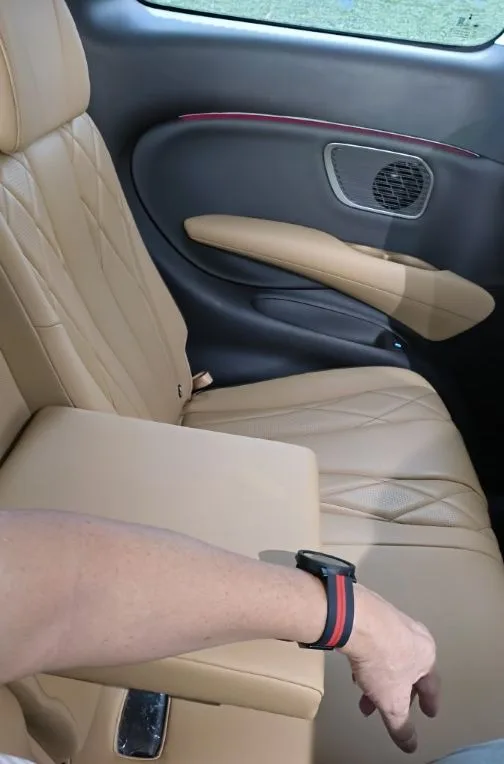
The second row is where the cabin really starts to look like a luxury product instead of just a big one.
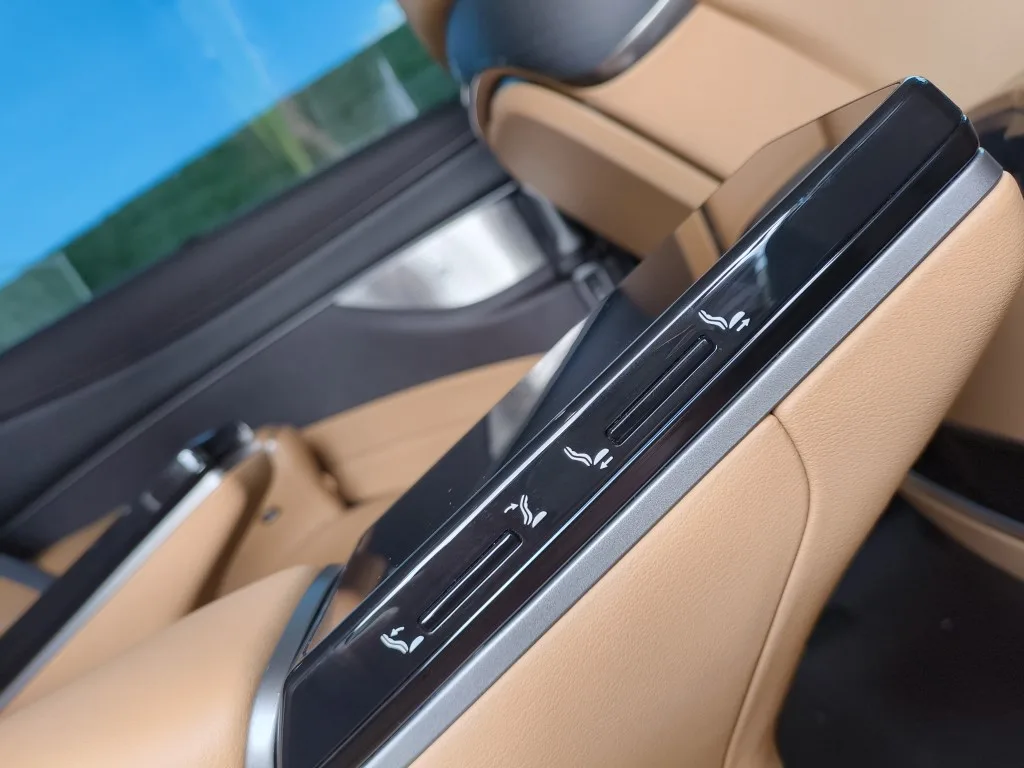
The captain chairs fill your view, the gap between them makes moving to the third row easy, and the little details are the sort you notice mid-trip, not in a showroom. That side-mounted wireless charger built into the seat frame is a good example. It’s unusual, but it’s handy.

Driving impressions
The D9 uses mechanical adaptive suspension (DiSus-C), not air suspension.
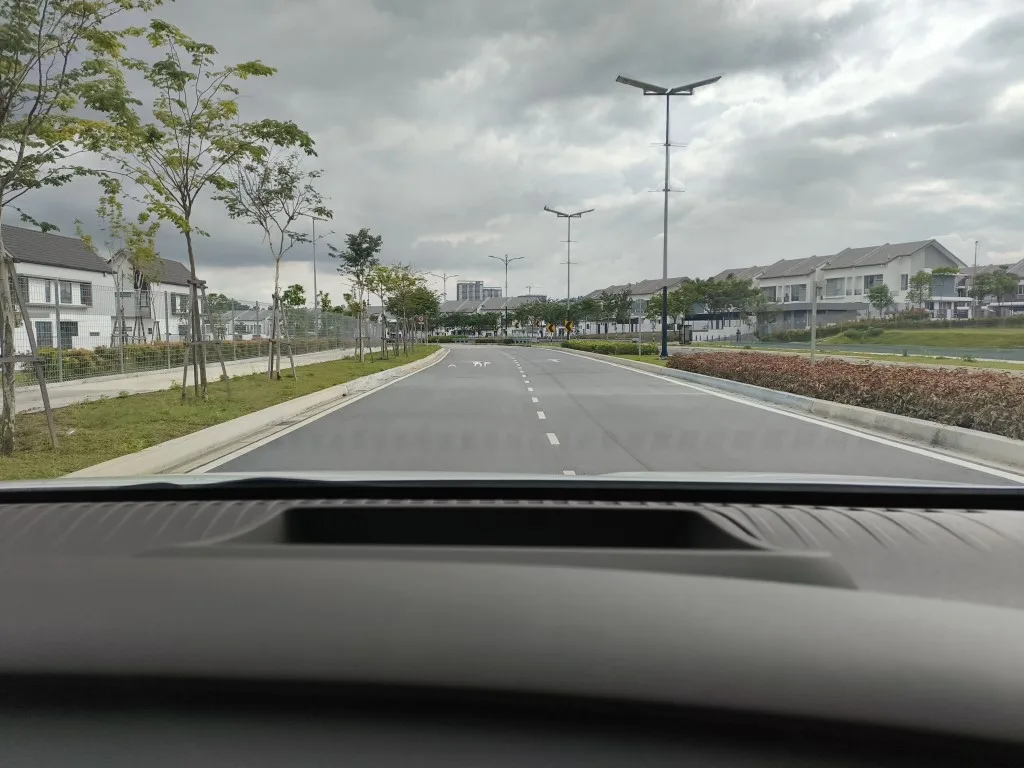
On normal roads, it rides comfortably and stays calm, and it keeps its body nicely in check when you brake hard from speed.
The reality check comes on rougher surfaces. Rumble strips, patchy tarmac and sharp joins send a firmer thump through the cabin, and you feel it through the seat base.
There’s a practical reason Denza sticks with DiSus-C.

Mechanical adaptive damping is usually simpler to own than air suspension hardware. At RM355K, Denza gives you a lot of kit, but not the extra layer of cushion you get in the priciest luxury movers.
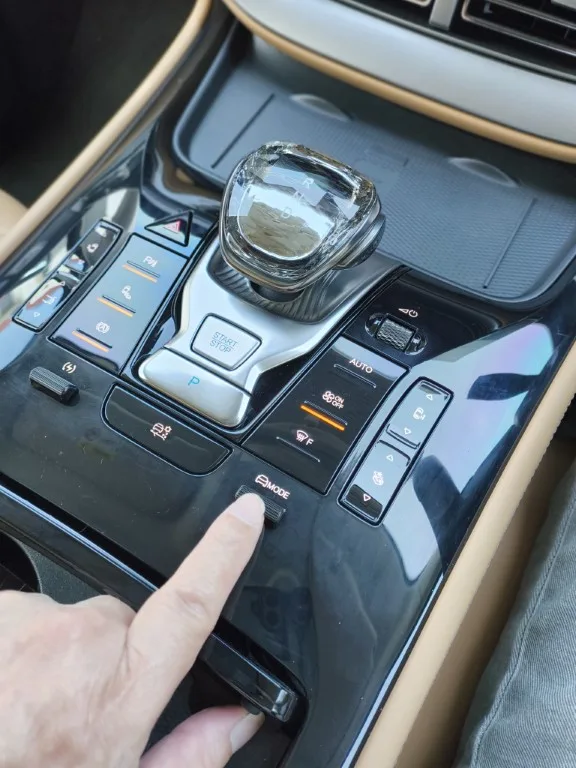
Power delivery stays smooth, and the drive modes are simple: Eco, Normal and Sport. Eco and Normal feel close in daily use. Sport is where the dual-motor shove is easier to notice, and it pulls with the kind of effortlessness that suits highway overtakes.
The D9 also uses a driver-monitoring camera in the A-pillar, watching for fatigue or distraction. If you don’t want it on, there’s a shutter.

Cabin and practicality
This is a 5.25-metre machine, and that extra length over an Alphard or Vellfire buys you a third row adults won’t resent.
All three rows get air-con vents, USB-C ports and cup holders. Rear airflow is strong enough that the third row doesn’t feel neglected on long drives. The second and third rows sit on the same level, but the boot floor is stepped, so it isn’t perfectly flat when the third row folds.
Second-row comfort is the main selling point. The captain seats are ventilated, have massage, and include memory functions. They recline close to flat, and there’s a “Boss Key” function that lets the driver or second-row passengers move the front passenger seat (only) forward for more legroom.

The fridge box between the front seats and second row is a great feature when you actually use the car as intended. It can chill or heat, it won’t open fully if the seats are too close, and it comes with a warning: use the heater between 35°C and 50°C, and avoid fizzy drinks unless you like cleaning.
The tech gets the basics right. Your phone connects wirelessly, charging options are everywhere, and the Dynaudio system sounds delightful with streaming music and video audio. There are three wireless charging pads. One is up front, and each captain seat has a side-mounted wireless charger built into the seat frame like a phone holster.
Denza also keeps physical shortcut buttons on the centre console for drive modes, brake regeneration, and opening the sliding doors and tailgate. It’s the kind of thing you notice most when you’re in a hurry.

What’s missing? A ceiling-mounted rear screen would make the back rows feel more complete.
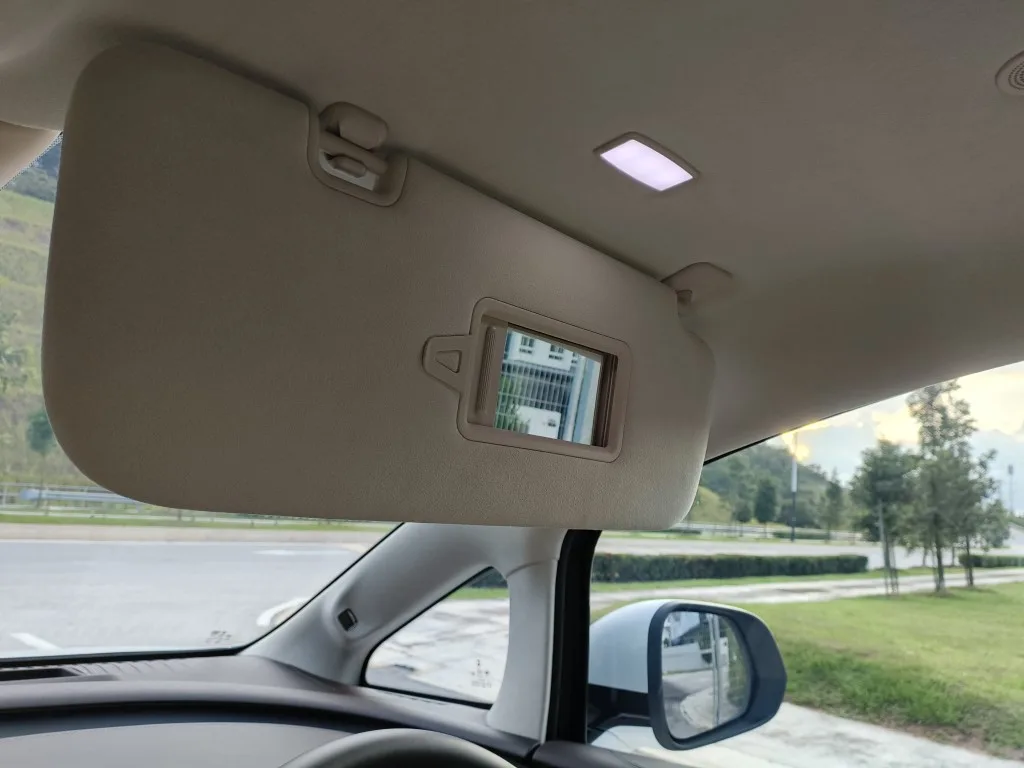
The digital rear-view camera mirror helps when the cabin is full. Switch it on and it feels slightly “zoomed out”, so you need to re-learn spacing for a while.
Verdict
The Denza D9 Premium AWD is a passenger-led MPV. It gives you real adult space in all three rows, strong rear air-conditioning, and second-row comfort that suits long journeys.
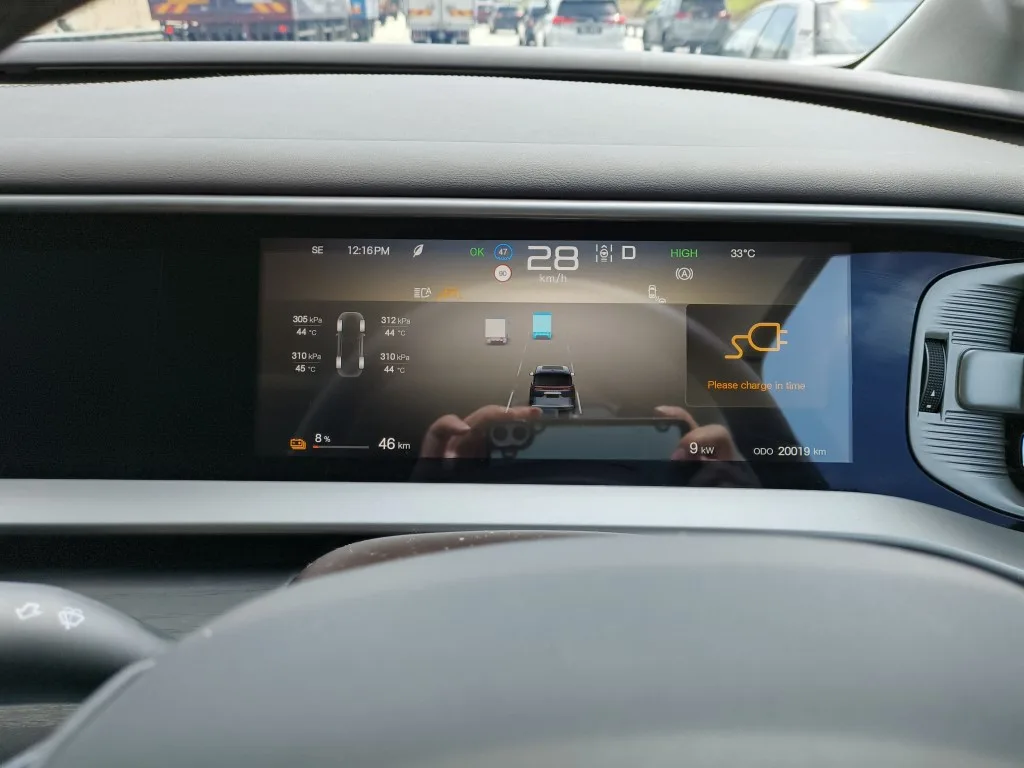
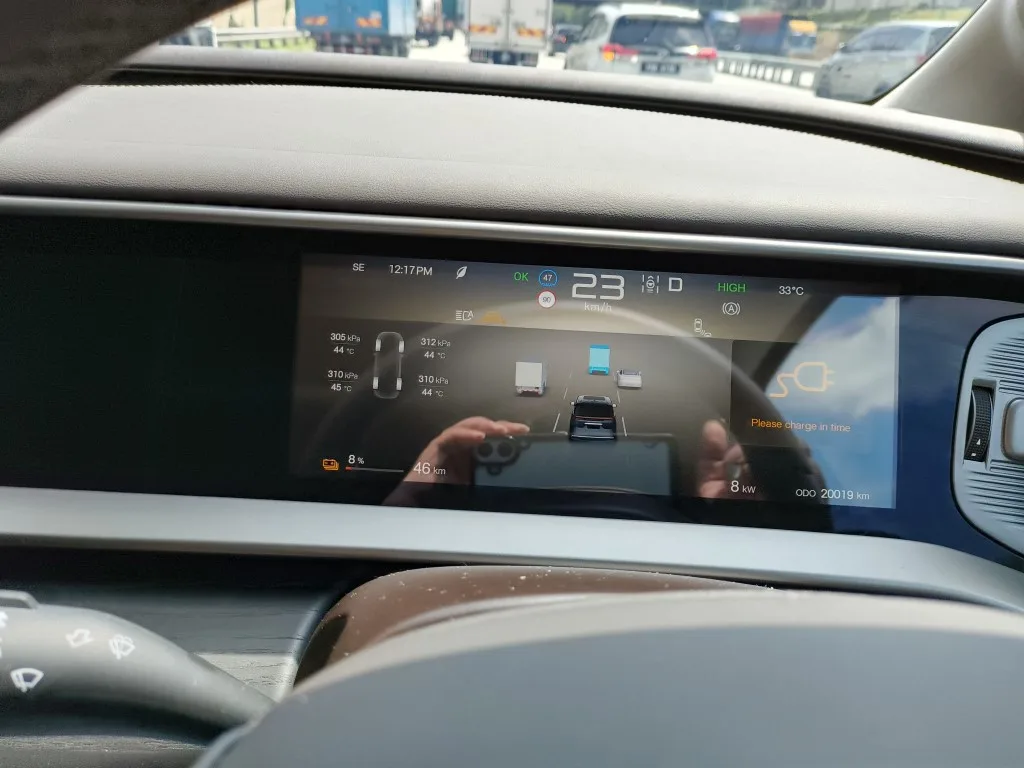
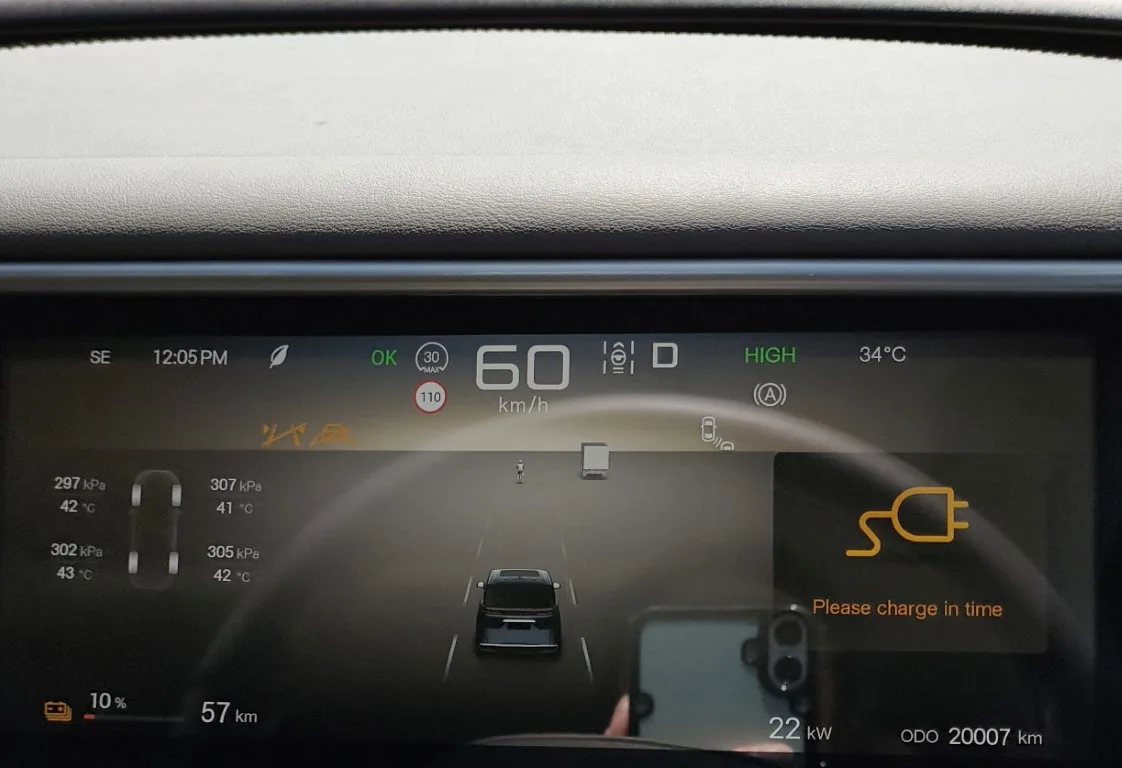
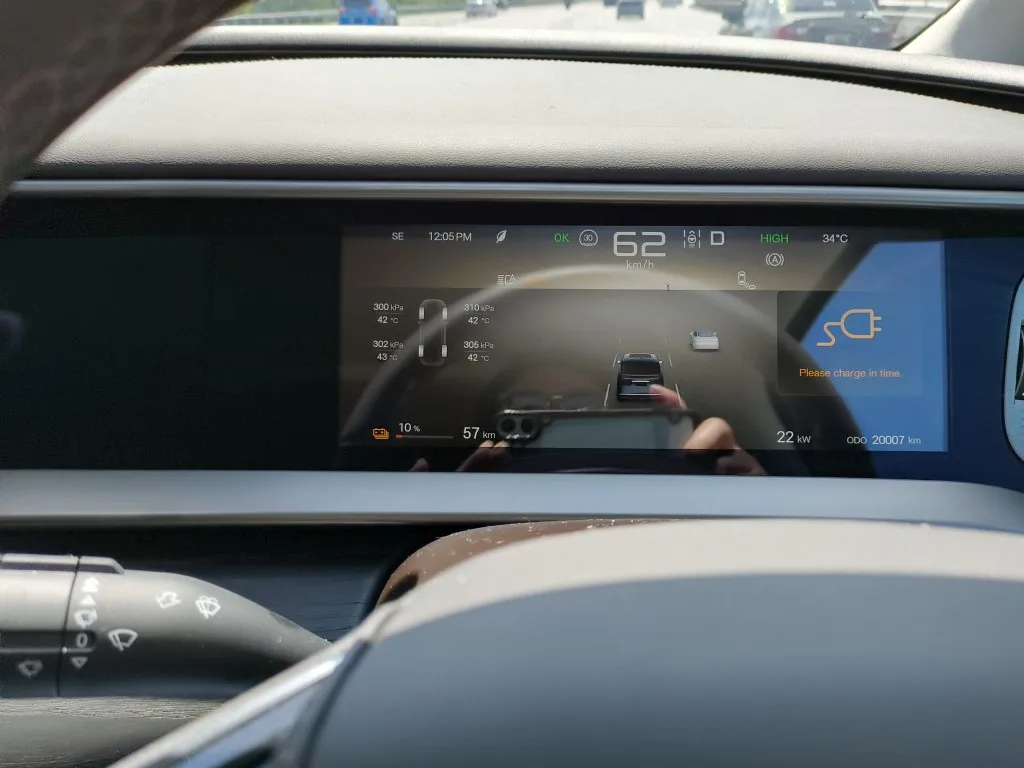
The seven-seater also works well as an EV cruiser, with a big battery and decent efficiency for something this size (around 23.8kWh/100km in mixed use).

On broken tarmac, you’re reminded it isn’t on air: the ride firms up and the cabin doesn’t fully blot out the road.
But in the Malaysian context, RM355,000 is still the “cheap” side of luxury MPV money when a Toyota Alphard or Vellfire sits north of RM500,000.
You’re buying space, kit and electric shove for far less than the established badges charge, and that is still the D9’s biggest trick.


What’s Hot
- Proper adult-friendly third row with strong rear air-conditioning
- Second-row comfort kit is serious: ventilation, massage, memory, fridge box
- Physical shortcut buttons and a strong-sounding Dynaudio system
What’s Not
- Ride still can’t match air-suspension luxury MPVs on rough surfaces
- Rear passengers miss out on built-in screen entertainment
- Digital rear-view camera’s wide-angle view takes time to judge distances