






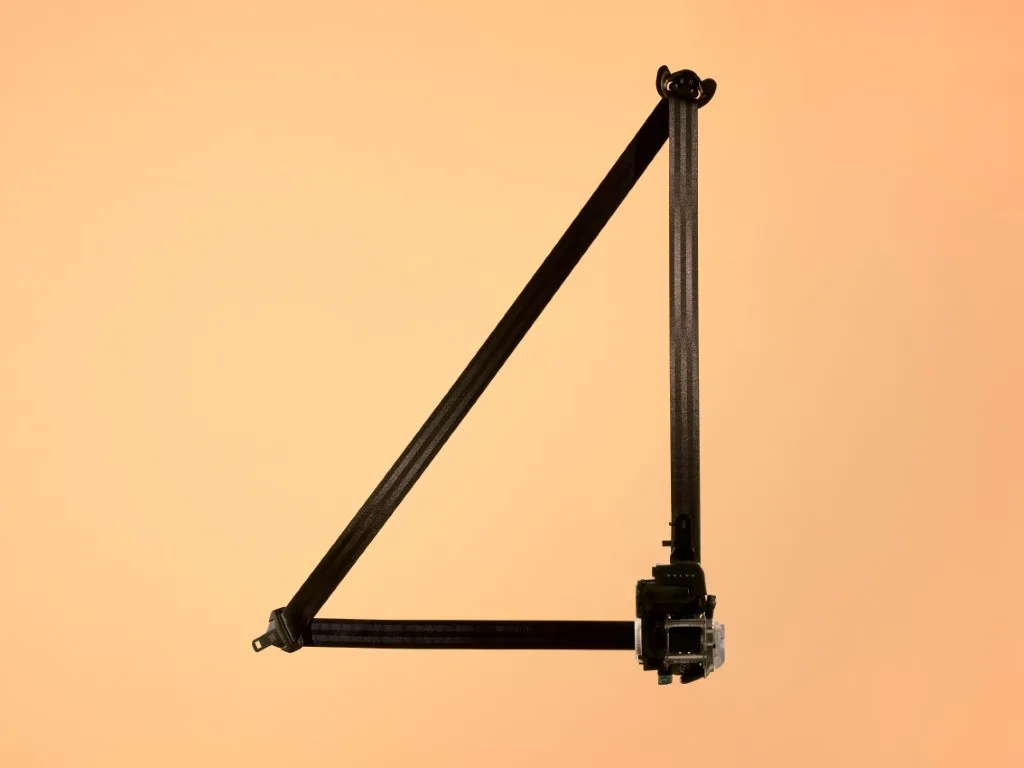
Volvo Cars today unveiled a world-first multi-adaptive safety belt designed to enhance occupant protection by adjusting in real time to crash variables and individual characteristics.
Slated to debut on the fully electric EX60 in 2026, the system draws on data from the vehicle’s interior and exterior sensors to tailor belt load limits according to each occupant’s height, weight, body shape and seating position.
In higher-severity collisions, a larger occupant will experience increased belt tension to mitigate head-injury risk, while a smaller occupant in a milder crash will receive reduced tension to lower the likelihood of rib fractures.
The innovation is achieved by expanding the traditional three-stage load-limiting profiles to eleven, enabling a far greater array of belt settings for various crash scenarios.
On detecting crash parameters — such as direction, speed and passenger posture — the vehicle’s electronic control unit selects the most suitable profile in less than a blink, relaying instructions to the belt mechanism.
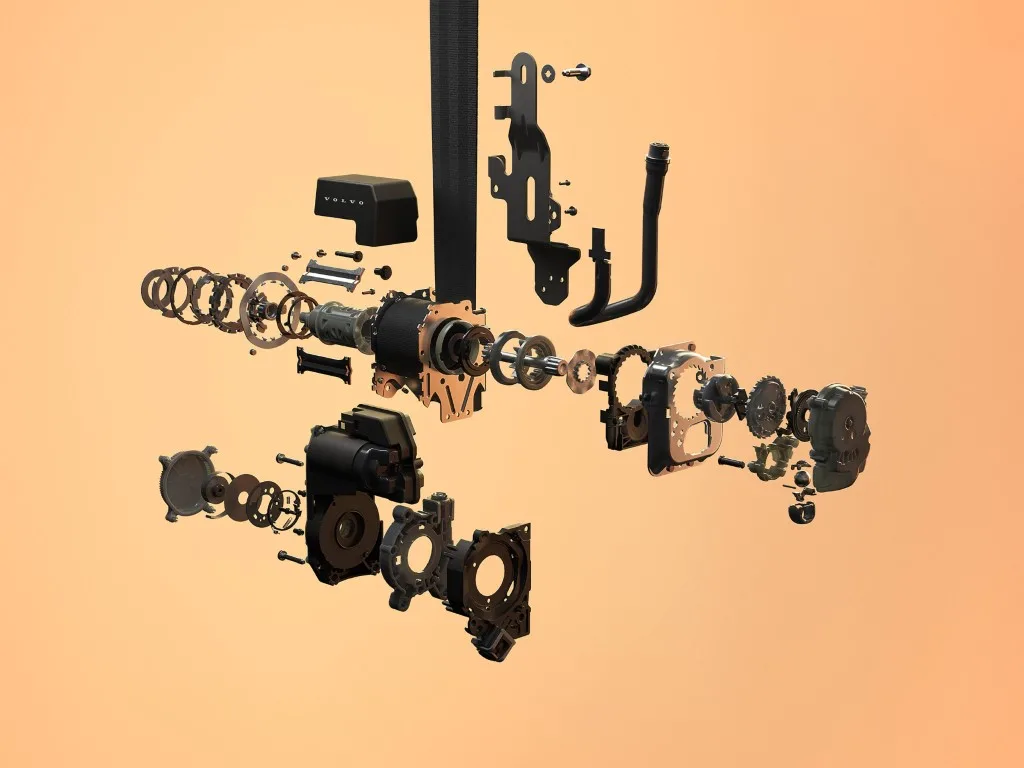
Over-the-air software updates will allow Volvo Cars to refine performance continuously, incorporating new data and insights into occupant responses and crash dynamics.
Åsa Haglund, head of the Volvo Cars Safety Centre, described the multi-adaptive belt as “another milestone” in automotive safety, building on the modern three-point safety belt introduced by Volvo in 1959.
That original design is credited with saving more than a million lives, and this next-generation system seeks to further that legacy by leveraging real-world data drawn from a database of over 80,000 accident-involved occupants.
The new belt forms part of a broader safety ecosystem, working in concert with airbags, occupant-detection sensors and driver-assistance systems to deliver harmonised protection and minimise secondary injuries.
Development and evaluation have been conducted at the Volvo Cars Safety Centre crash laboratory, which this year celebrates its 25th anniversary.
The facility enables engineers to recreate a vast range of traffic accidents and carry out tests that exceed statutory requirements for real-world safety.
Since data gathered over five decades underpins Volvo Cars’ safety innovations, the multi-adaptive belt reflects the company’s ambition to harness real-time sensor information and advanced algorithms to save lives.
By integrating this technology into a family-oriented electric SUV, Volvo Cars aims to set new benchmarks in occupant protection.