





Honda Motor is rolling back its electric vehicle (EV) ambitions, shifting focus to hybrid models as global demand trends change.
It announced at a business briefing in Tokyo today that it has reduced its planned investment in EVs and related software by 30%, from 10 trillion yen to 7 trillion yen (from RM297bil to RM208bil) by fiscal year 2031.
This move reflects broader industry challenges, including slower EV market growth and shifting regulations.
Citing increasing demand for hybrids, Honda will prioritise hybrid electric vehicles (HEVs) over EVs for the near term.
The automaker now expects EVs to account for about 20% of its global sales by 2030 — down from its original 30% target. Instead, Honda aims to sell 2.2 million to 2.3 million HEVs by 2030, up from 868,000 sold in the previous year.

CEO Toshihiro Mibe said the EV market has become difficult to predict. He said the company would therefore alter its strategy to focus on models with greater current market demand, particularly hybrids, while maintaining long-term plans for full electrification by 2040.
Honda plans to introduce 13 new hybrid models globally between 2027 and 2031. These will include a new hybrid system for larger vehicles with strong performance and towing capabilities, mainly targeting markets like North America.
The automaker is also enhancing its proprietary two-motor e:HEV system to increase fuel efficiency and driving pleasure.
As part of this corporate course correction, Honda has paused a major C$15 billion (RM46bil) EV production project in Ontario, Canada, originally planned to set up a full EV value chain.
Despite the delay, Honda said it still uphold its long-term vision of carbon neutrality and aims to fully transition to zero-emission vehicles by 2040.
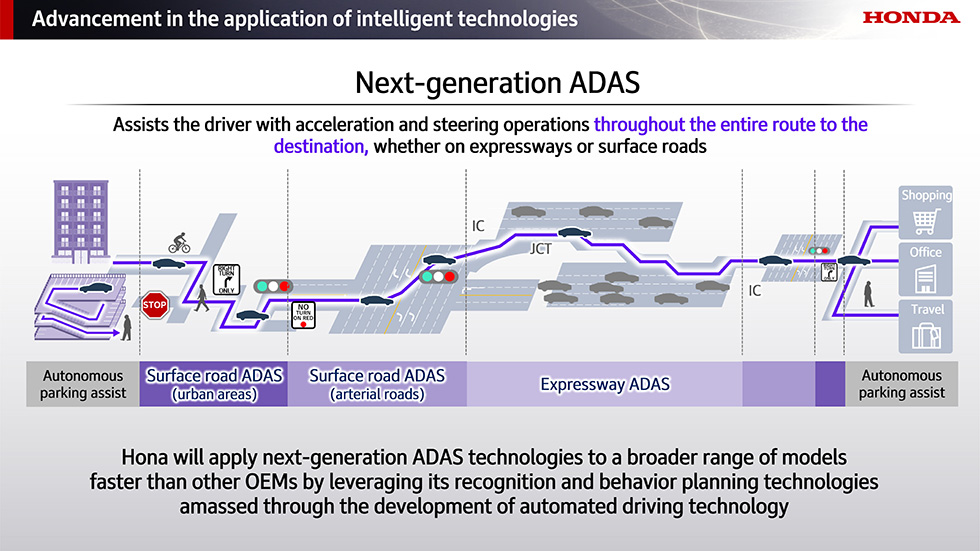
Honda also said it would continue developing next-generation Advanced Driver Assistance Systems (ADAS), integrating these into both EVs and hybrids.
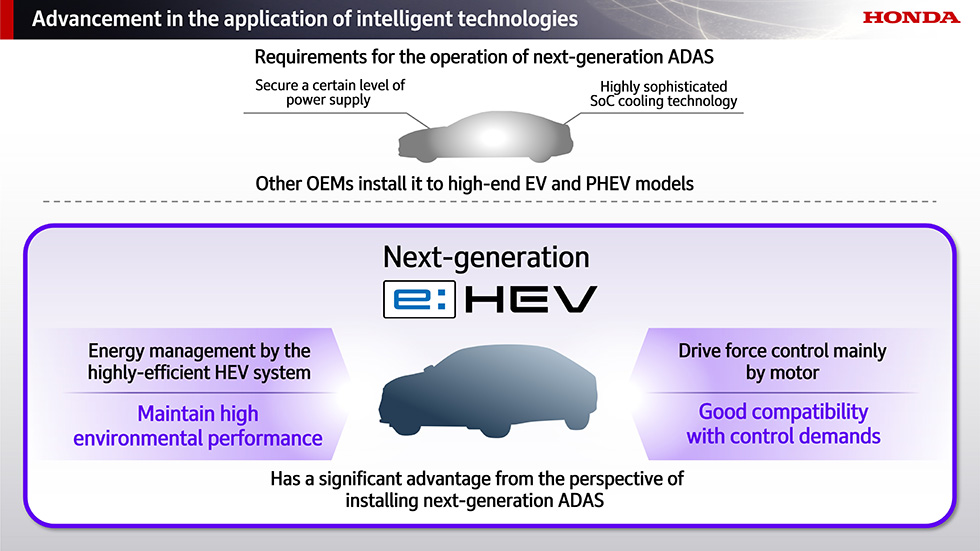
The company said these intelligent technologies, paired with hybrid drivetrains, can deliver a compelling mix of performance, affordability, and environmental benefits.
To ensure supply flexibility, Honda is also strengthening its production and procurement systems, enabling it to adjust output between EVs and HEVs based on demand.
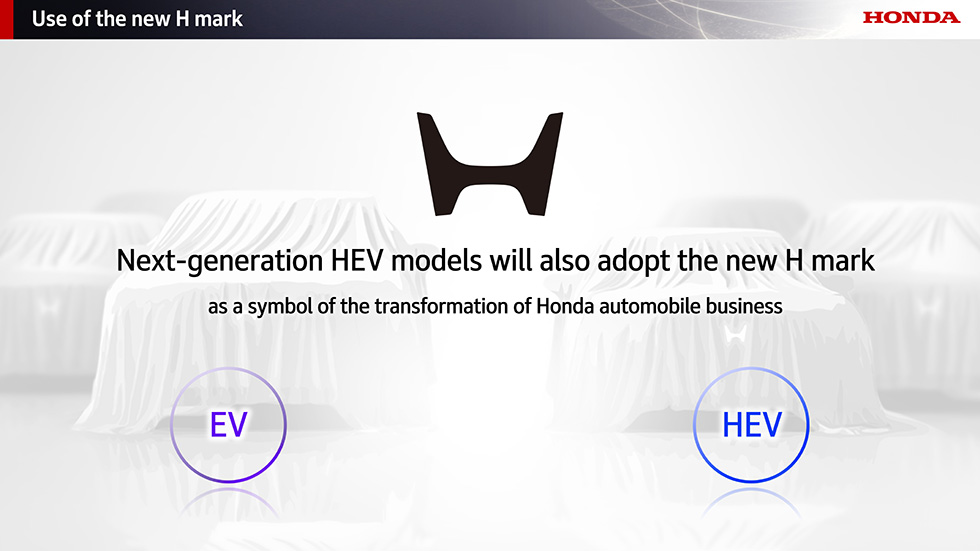
As a symbol of the transformation of the Honda auto business, a new “H mark” has been designed for use on EV models and major HEV models to be introduced from 2027.
The company’s latest move is similar to what other automakers like Nissan and Jaguar Land Rover are doing as they cut back on EV investments.
In Malaysia, Honda had just launched the e:N1 last week. The electric version of the HR-V – its first EV in the country – is selling for RM149,900.