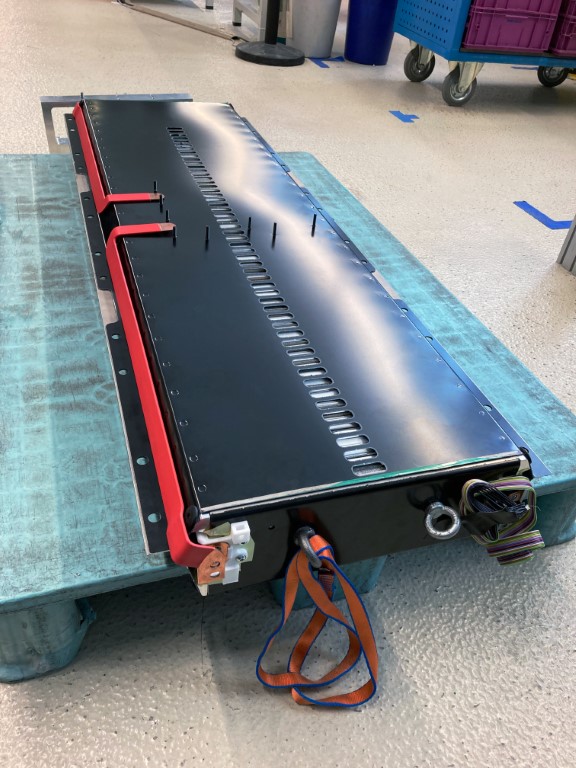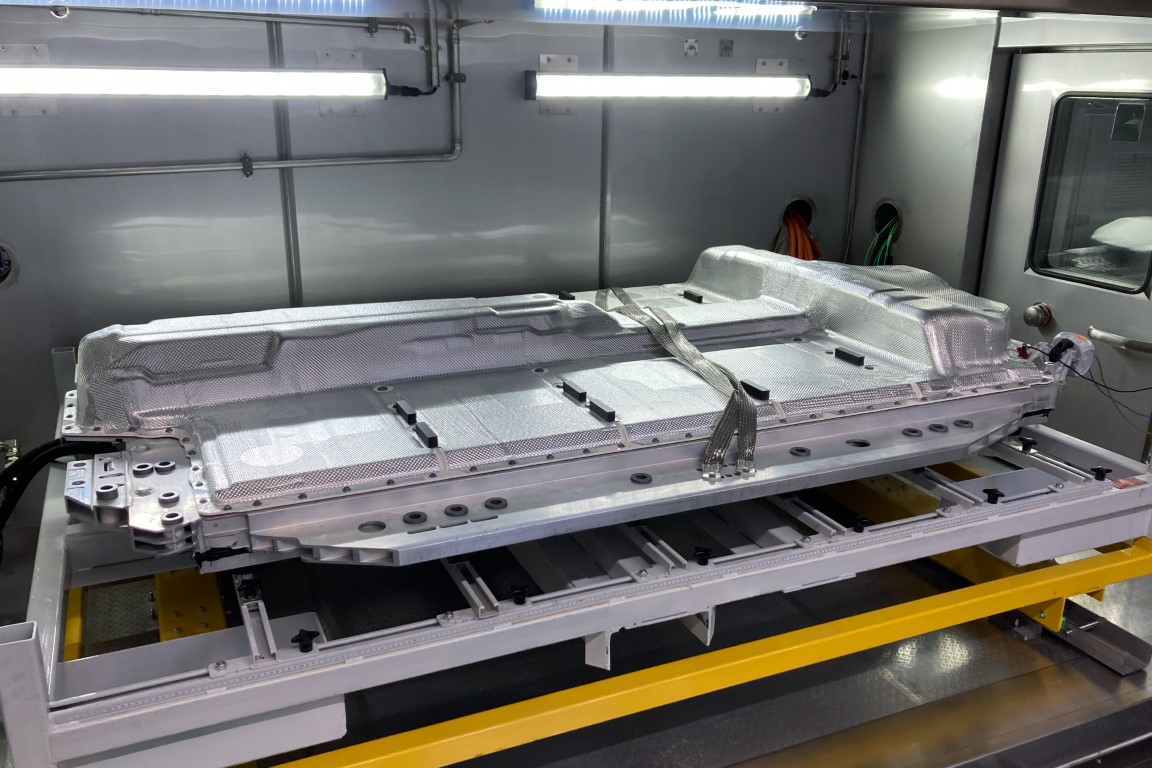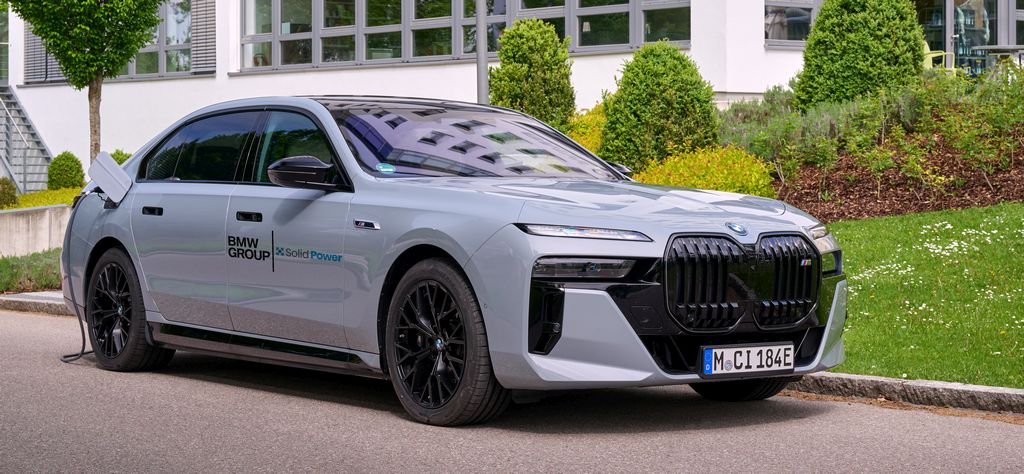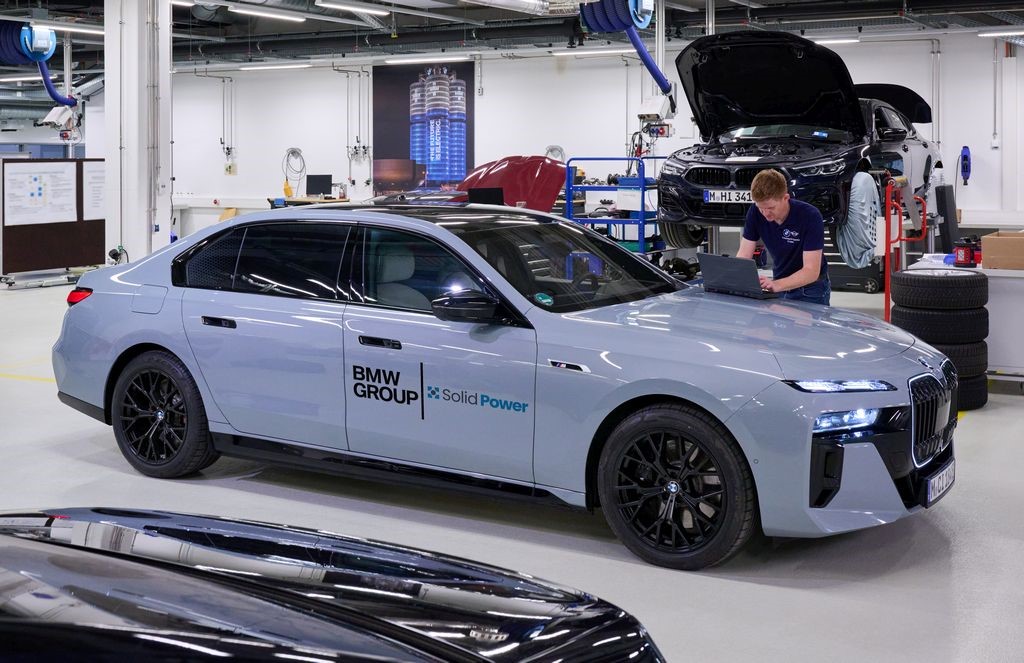





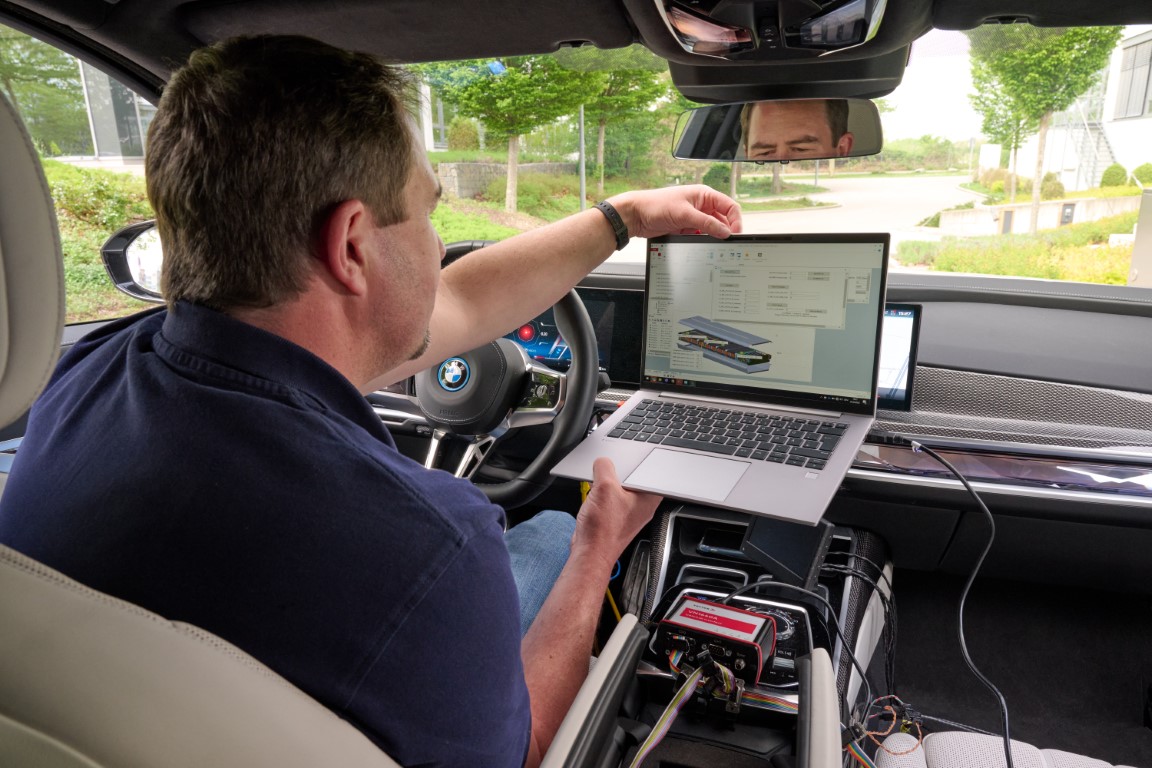
BMW Group has integrated large-format, pure all-solid-state battery (ASSB) cells from Solid Power into a test version of its i7 sedan, which is undergoing trials in Munich.
ASSB technology, using a sulphide-based electrolyte, promises higher energy density in a more compact storage system than conventional lithium-ion batteries, potentially extending vehicle range without significant weight gain.
The join effort builds on a technology transfer agreement signed in 2022, following an initial “Joint Development Agreement” established in 2016 and BMW’s equity investment in Solid Power in May 2021.
In late 2022, the partners agreed to deepen their cooperation further, under which BMW will operate a solid-cell prototype line at its Cell Manufacturing Competence Center (CMCC) in Parsdorf under a research and development licence, supported by Solid Power’s expertise.
Solid Power president and chief executive officer John Van Scoter said the trials marked “the first demonstration of truly all-solid-state battery cells in a vehicle.”
Martin Schuster, Vice President of Battery Cell and Cell Module at BMW Group, said the test i7 was evidence of BMW’s “technology-open mindset,” enabling the automaker to refine new battery architectures alongside established Gen5 prismatic-cell module designs.
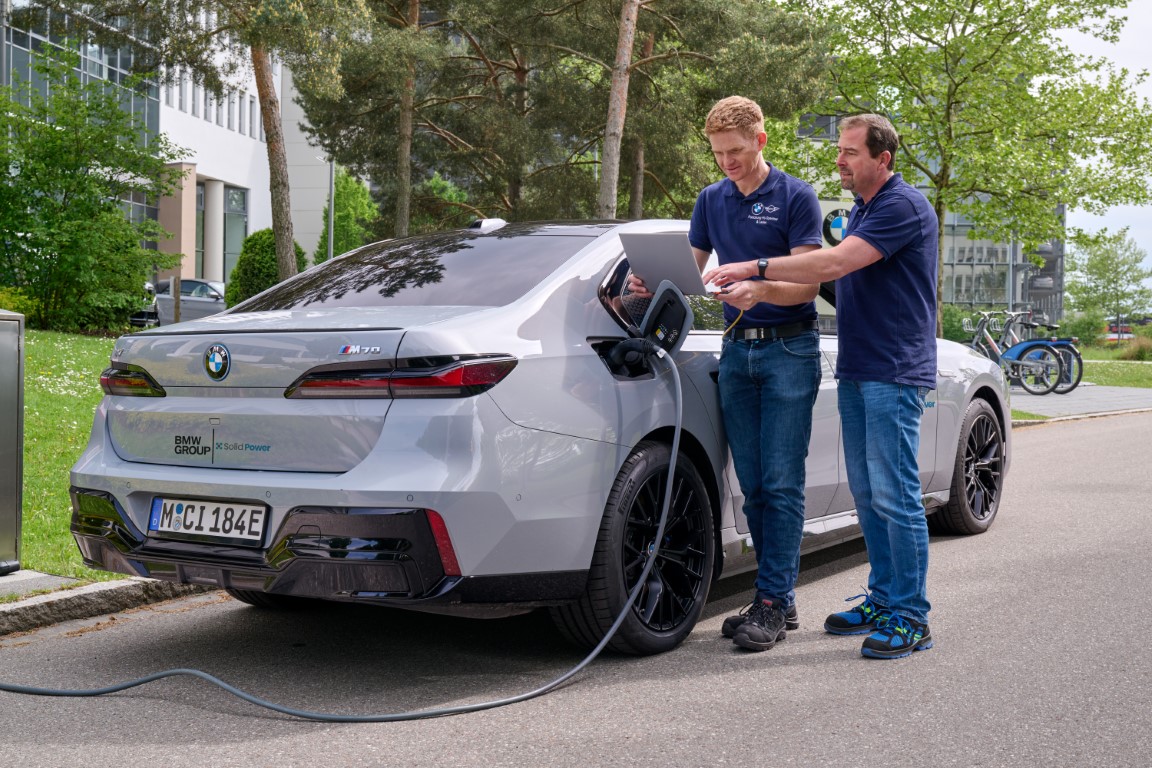
The prototype battery pack combines proven Gen5 construction principles with novel module concepts to accommodate Solid Power’s ASSB cells.
The current test programme will examine key parameters such as cell swelling management, operating pressure control and temperature regulation under real-world driving conditions.
Findings over the coming months will inform further development steps required to render ASSB technology commercially viable within a competitive overall storage system.
Since 2008, BMW has been expanding its battery-cell technology expertise, consolidating research and development at its Battery Cell Competence Center in Munich.
The Battery Cell Competence Center oversees the full value chain from laboratory research to cell design and production capability.
BMW’s wider battery strategy involves collaboration with around 300 partners — including established firms, start-ups and academic institutions — to accelerate innovation and maintain access to leading-edge battery research globally.
By testing Solid Power’s large-format ASSB cells in a production-based vehicle, BMW aims to validate the technology’s potential to deliver higher energy density and improved safety characteristics.