


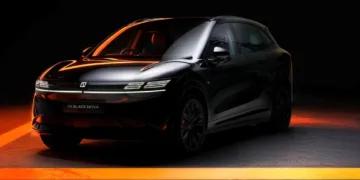




Xiaomi EV today unveiled its first sport-utility vehicle, the Xiaomi YU7, marking the company’s entry into the high-performance luxury SUV segment.
Pronounced “YU” (/yü/), the model’s name derives from the Chinese term for “riding the wind.”
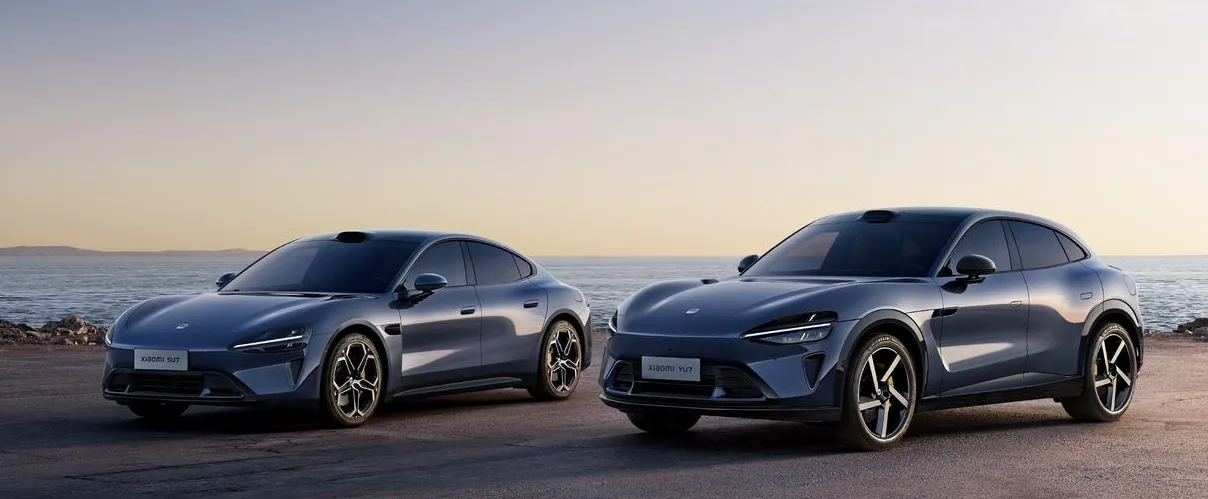
Introduced as a completely new design rather than a stretched variant of the Xiaomi SU7 sedan, the YU7 combines an evolved design language with bespoke styling, premium comfort and advanced intelligent technology.
According to Xiaomi’s press release, the YU7 will ship initially with three variants — Standard, Pro and Max — with pricing details to be announced in due course.
The YU7 measures 4,999 mm in length, 1,996 mm in width and 1,600 mm in height, riding on a 3,000 mm wheelbase.
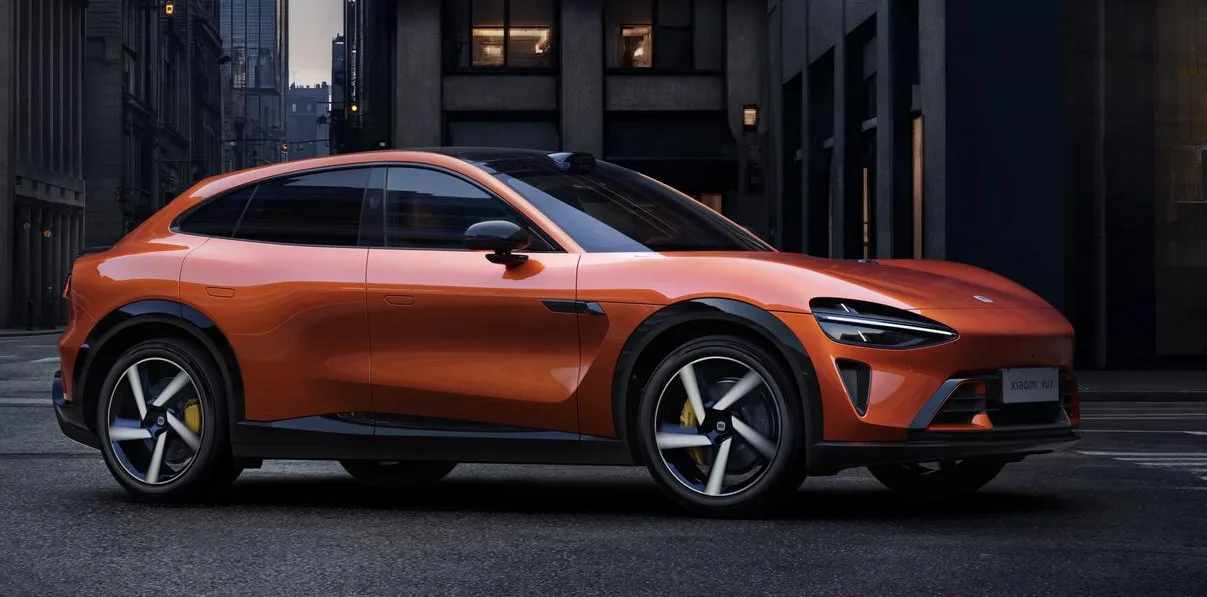
Proportions of the Tesla Model Y fighter follow a 3:1 wheel-to-body ratio, a 2.1:1 wheel-to-height ratio and a 1.25:1 width-to-height ratio, creating a classic low-slung stance for a high-performance SUV.
A clamshell aluminium bonnet measuring 1,960 × 1,587 mm represents the largest in a mass-produced vehicle; beneath lies a 141 L electric front trunk offering up to eight opening modes.
Optional 275 mm rear tyres fill sporty wheel arches, reinforcing the model’s athletic appearance.
The front fascia retains Xiaomi’s signature “waterdrop” headlight motif, reimagined with a hollowed-out design.
Upper sections of the daytime running lights incorporate air channels feeding into bonnet vents, enhancing both aggression and illumination via 180° ultra-wide-angle lighting.
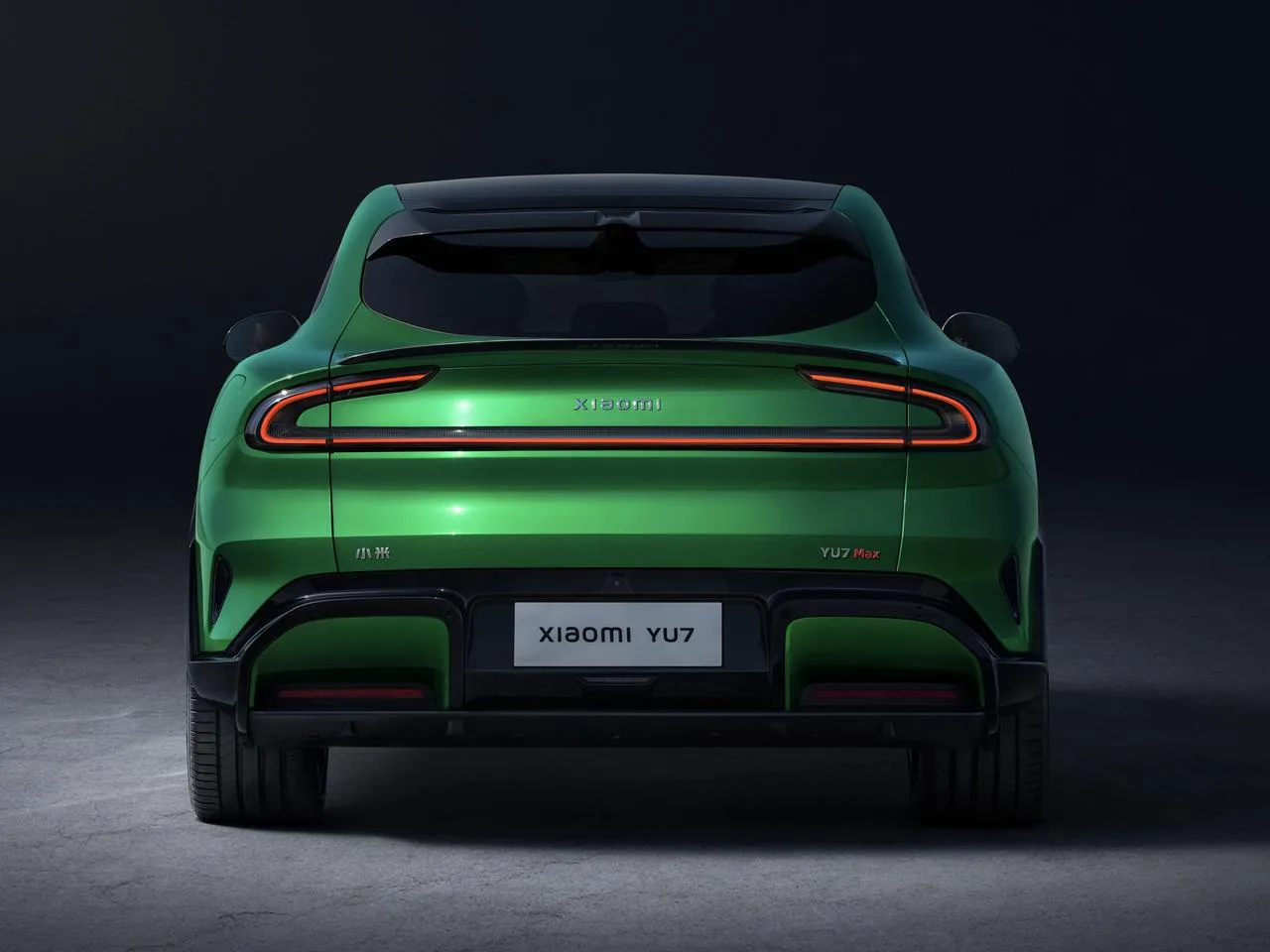
At the rear, a redesigned halo light cluster with downward-angled corners contributes to a more muscular profile.
Xiaomi has opted for ultra-red lighting (wavelengths over 632 nm) for heightened nighttime visibility. Flush electric door handles remain recessed when the vehicle is in motion and deploy automatically as the user approaches, aided by ambient lighting for an enhanced entry experience.
Aerodynamically, the YU7 employs multi-duct architecture inherited from the SU7, featuring 10 through-flow air channels and 19 optimised vents. A hollowed spoiler and seamless clamshell bonnet deliver drag reduction gains, while an active grille system with 100 adjustable louvers further improves flow management.
Through refinements across more than 40 airflow zones, the vehicle achieves a drag coefficient of 0.245, translating to a 59 km improvement in CLTC range over pre-optimisation figures. These enhancements position the YU7 as a segment leader in range among sports SUVs.
Xiaomi offers three launch colours: Emerald Green, Titanium Silver and Lava Orange.
The Emerald Green finish employs a dual-layer process with a yellow-green metallic base and a translucent pearl coat, using ultra-fine aluminium flakes to evoke a gemstone-like effect. Titanium Silver utilises larger aluminium flakes to maximise brilliance, emphasising contrast between shadows and highlights. Lava Orange, carried over from the SU7, uses a two-coat process for dramatic tonal shifts under different lighting conditions.
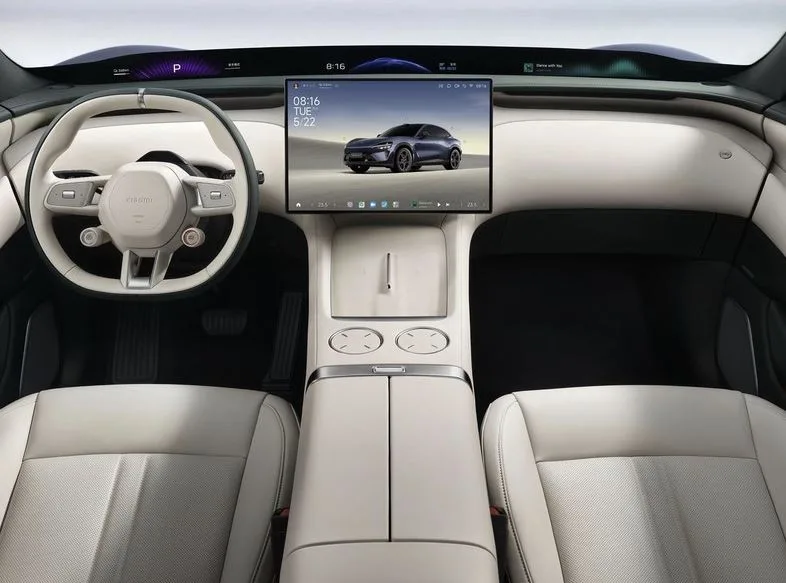
Inside, the YU7 realises a “Dual-Zone Surround Luxury Cabin” philosophy, blending technology, comfort and space.
The model introduces the Xiaomi HyperVision Panoramic Display, a triple Mini LED array projecting information onto the lower windshield for a 1.1 m ultra-wide, 108 PPD ecosystem with 1,200 nits peak brightness. Coatings and distortion-correction algorithms yield under 1 per cent reflectance and distortion.
The system adapts to driver and passenger needs, offering speed, navigation, media controls, time zones, weather and customisable layout options.
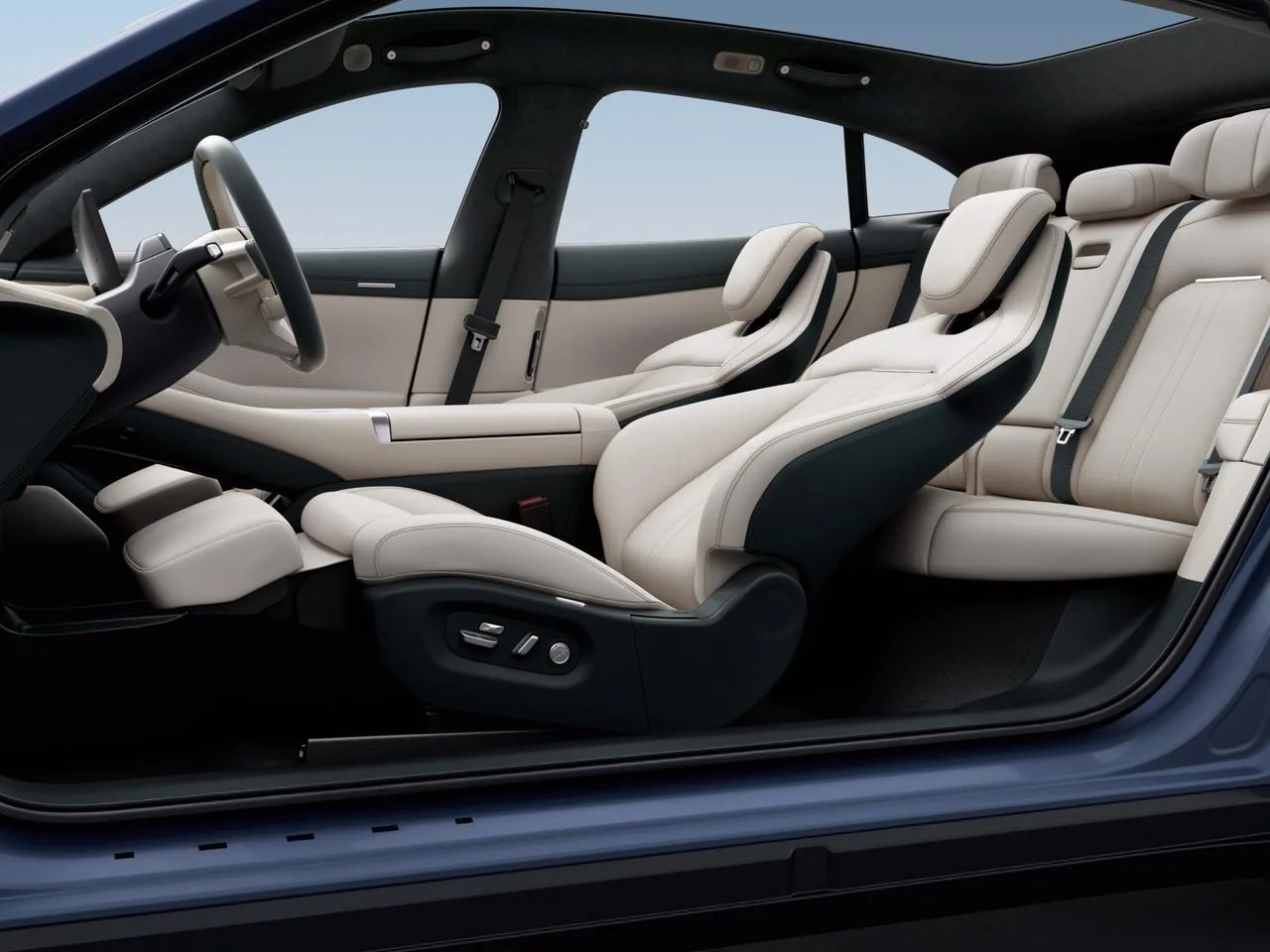
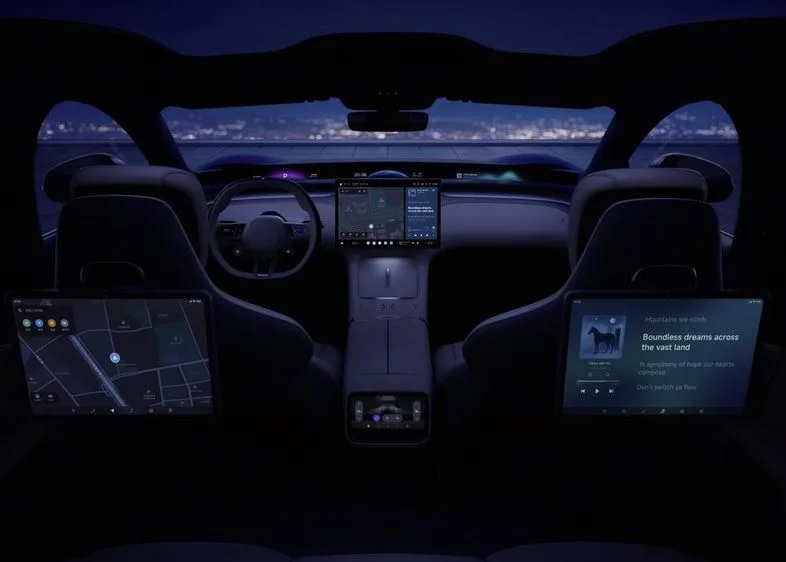
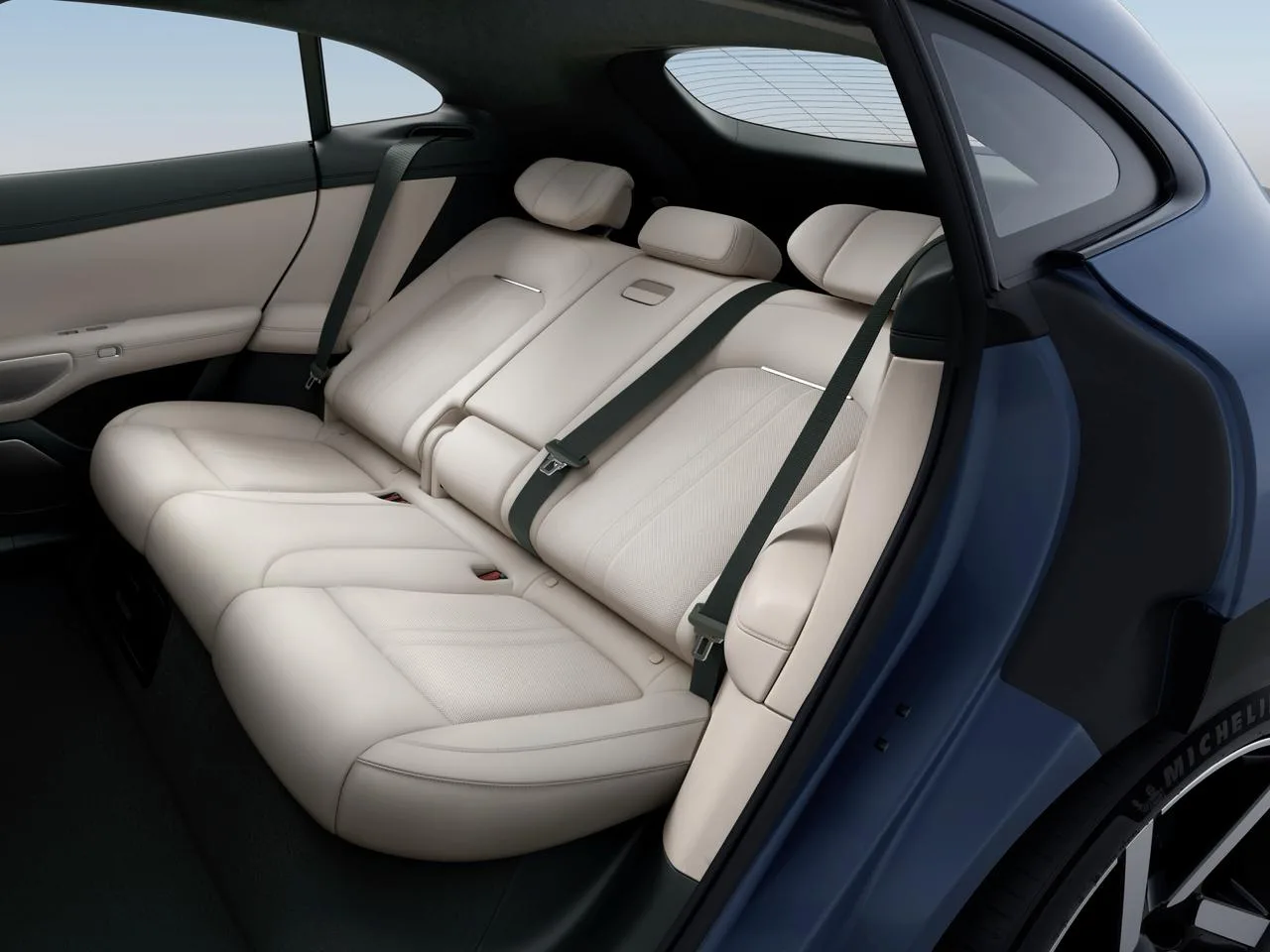
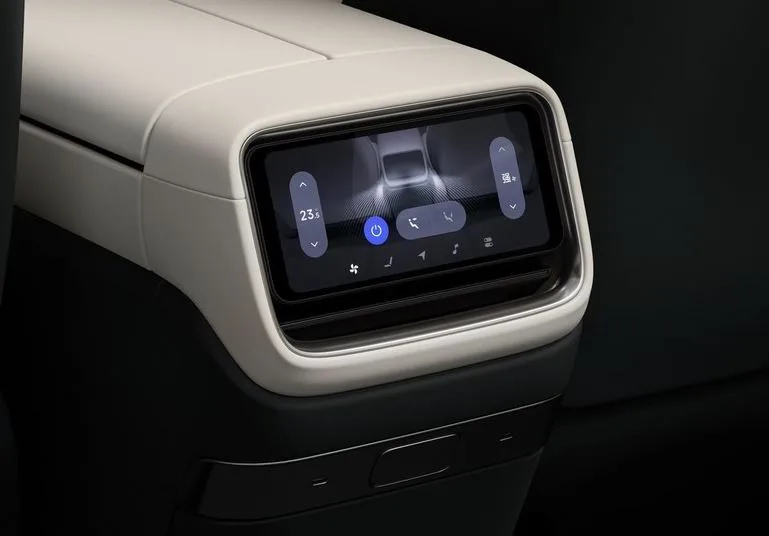
A remote control panel empowers rear occupants to manage climate, navigation and entertainment. Dual zero-gravity front seats provide one-touch reclining and a 10-point massage.
The driver’s seat features a 12-layer structure with memory foam and pressure-relieving foams. Rear seats recline from 100° to 135°, offering lounge-style comfort.
Cabin dimensions are optimised using an 188 cm anthropometric model, delivering 100 mm of front headroom, 77 mm rear headroom and 73 mm of rear legroom, surpassing many competitors.
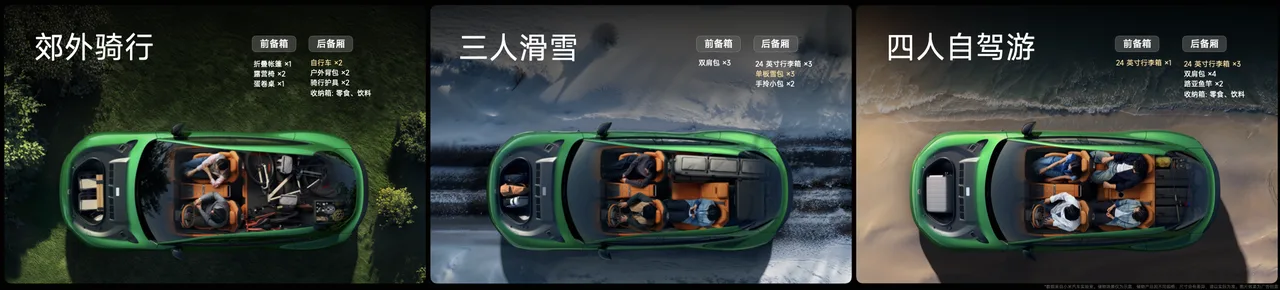
The CTB integrated battery and reduced floor thickness contribute to vertical space efficiency. Total storage capacity reaches 1,970l, comprising a 141l front trunk, a 678l main cargo area expandable to 1,758l with seats folded, plus 71l of interior storage.
The front trunk or frunk can accommodate a 24-inch suitcase, while the rear area fits three more 24-inch suitcases and additional luggage.
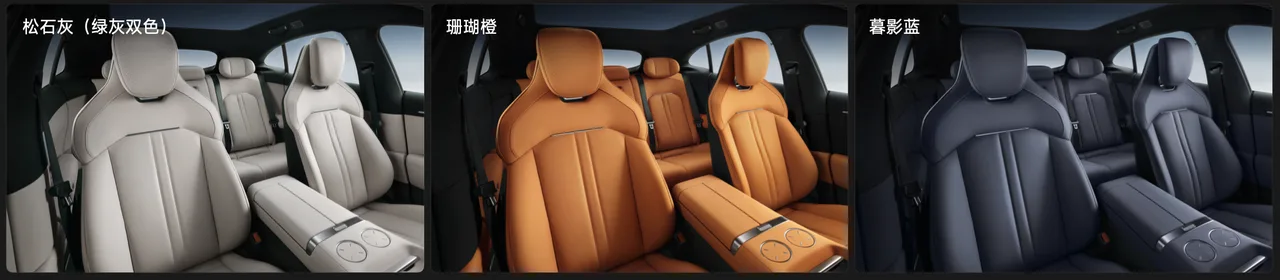
All high-contact cabin surfaces feature OEKO-TEX Class 1-certified soft-touch materials, ensuring hypoallergenic safety. Seats are upholstered in pebbled Nappa leather.
Three interior colour options include Pine Grey, Coral Orange and Twilight Blue. A 1.7 m² panoramic sunroof enhances openness.
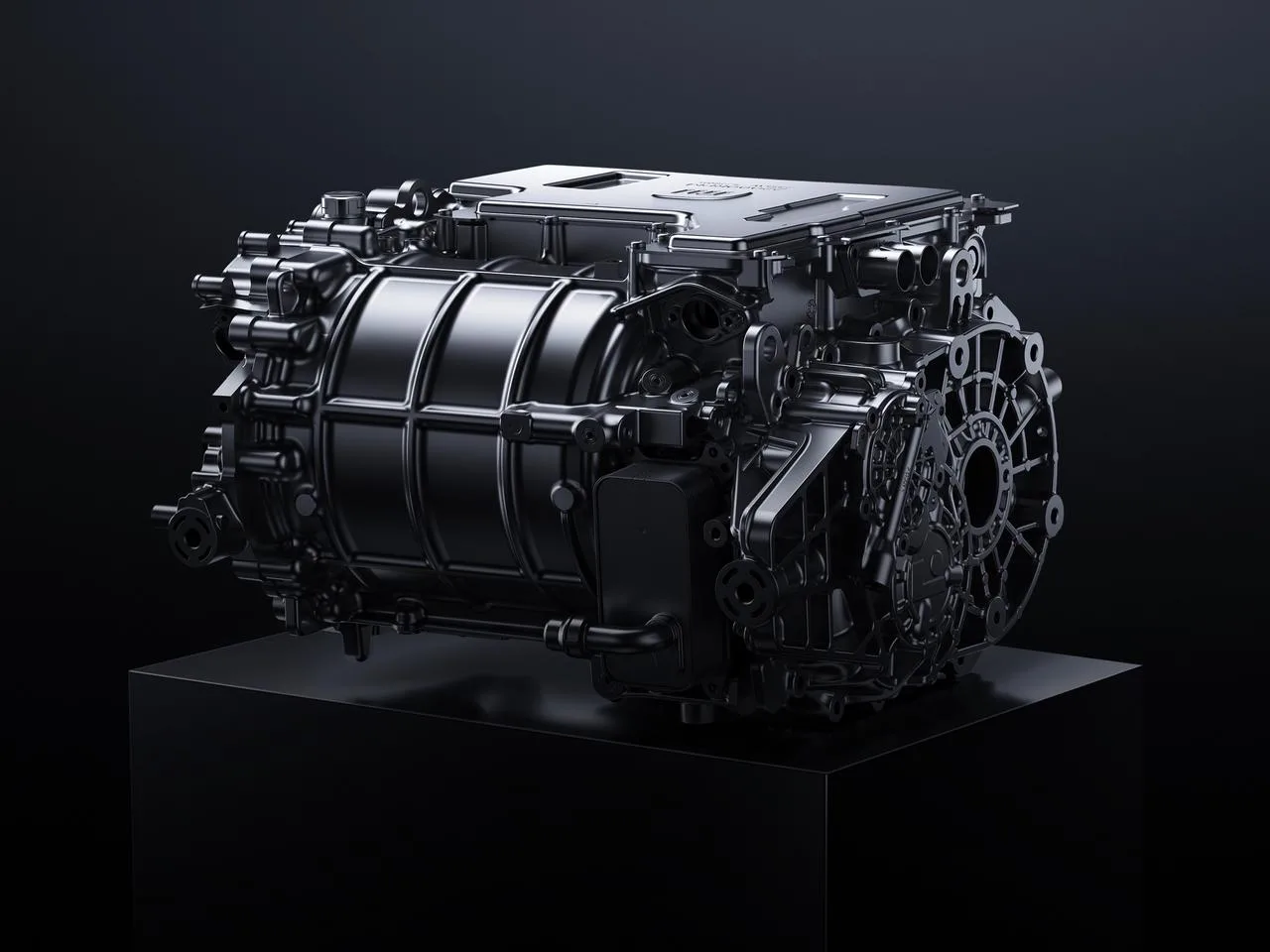
Power comes from the Xiaomi HyperEngine V6s Plus dual-motor system. The flagship version produces 690 PS (508 kW), 528 Nm of torque, a 0–100kph time of 3.23 seconds and a top speed of 253kph.
Segmented magnetic steel technology reduces losses, boosting CLTC range by 4km. Braking is handled by Brembo four-piston fixed calipers, achieving 100–0kph in 33.9 m.
The chassis comprises front double wishbones, rear five-link independent suspension, closed dual-chamber air springs with continuous damper control, and an adjustable ride height ranging 75 mm, reaching a maximum ground clearance of 222 mm. The stem radius of 5.7 m enables three-lane turns.
Standard variants use a 96.3 kWh battery, delivering 835km CLTC range (around 650km, WLTP) — the longest for an EV SUV under 100 kWh.
The Pro and Max four-wheel-drive models, with 96.3 kWh and 101.7 kWh batteries respectively, achieve 760km and 770km CLTC ranges (around 580km and 590km respectively on WLTP standard), ranking top in their categories.
All variants use an 800 V silicon carbide platform with peak voltage of 897 V, enabling 10–80 per cent charging in 12 minutes and a 620km charge in 15 minutes.
Safety structure centres on an armoured steel-aluminium hybrid body on the Xiaomi Modena Platform. The front crumple zone extends 659 mm.
The underbody features a Hyper Die-Casting Floor from the SU7 for rear collision resistance up to 90 km/h. A 1,500 MPa high-strength crossbeam protects the battery.
A bulletproof coating used in the SU7 Ultra enhances underfloor durability.
Xiaomi’s co-developed 2,200 MPa ultra-high-strength steel appears in door anti-collision beams and A- and B-pillar expansion tubes, increasing load capacities by over 35 per cent and energy absorption by up to 40.2 per cent. High-strength steel and aluminium account for 90.2 per cent of the body, yielding a torsional rigidity of 47,610 N·m/deg.
The YU7 has passed over 50 passive safety tests under C-NCAP and C-IASI standards.
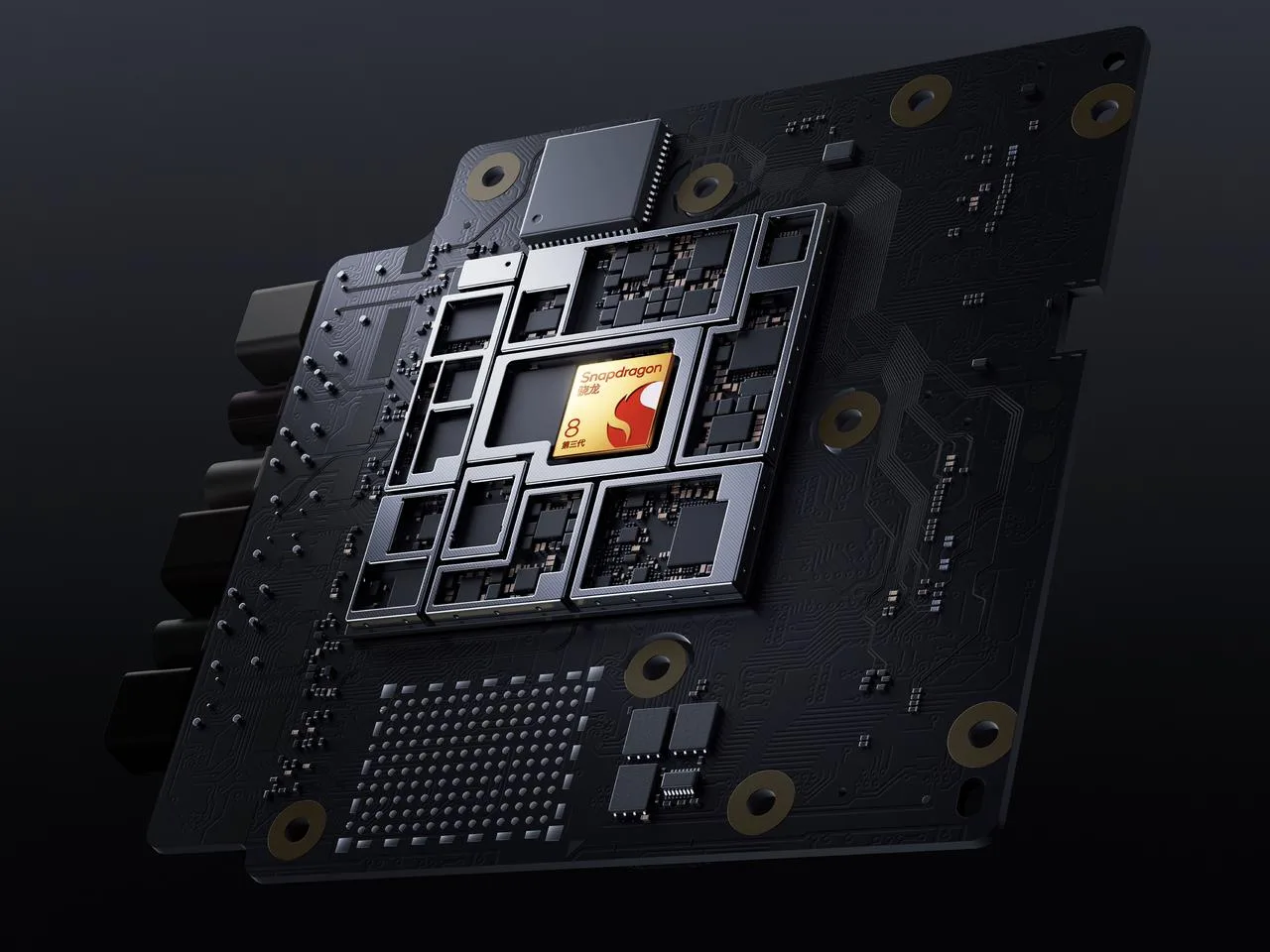
Electronics adopt a “Four-in-One Domain Control Module” integrating driver assistance, digital cockpit, central control and telematics into a single unit.
Consolidation reduces controller count by 75 per cent and overall weight by 47 per cent. Improved energy efficiency adds 16km of range, with Sentinel Mode reducing power consumption by 40 per cent, adding over 5 km of range.