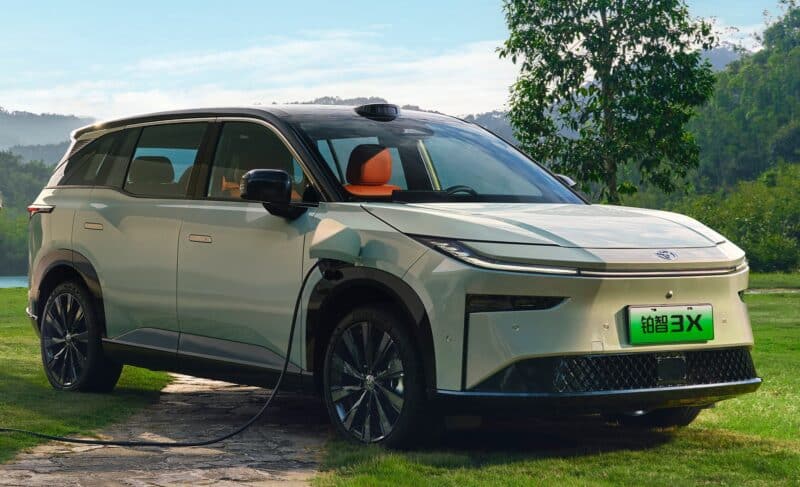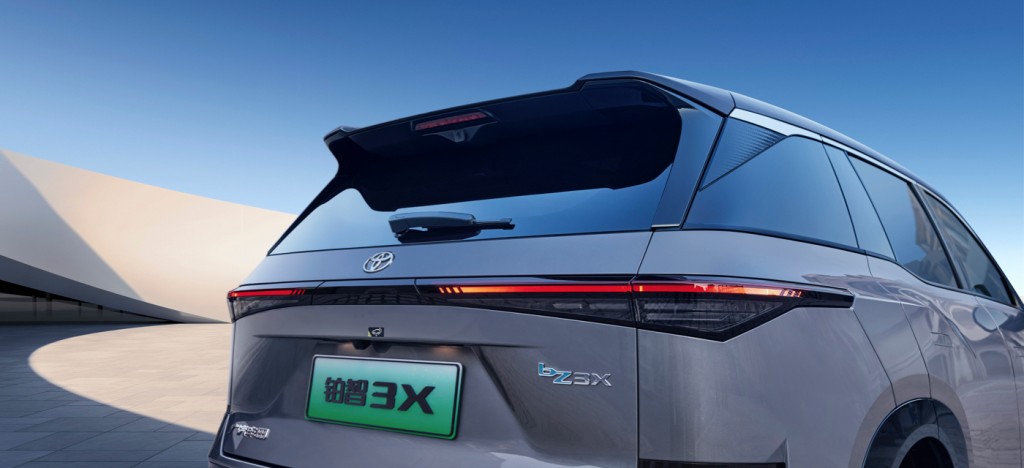



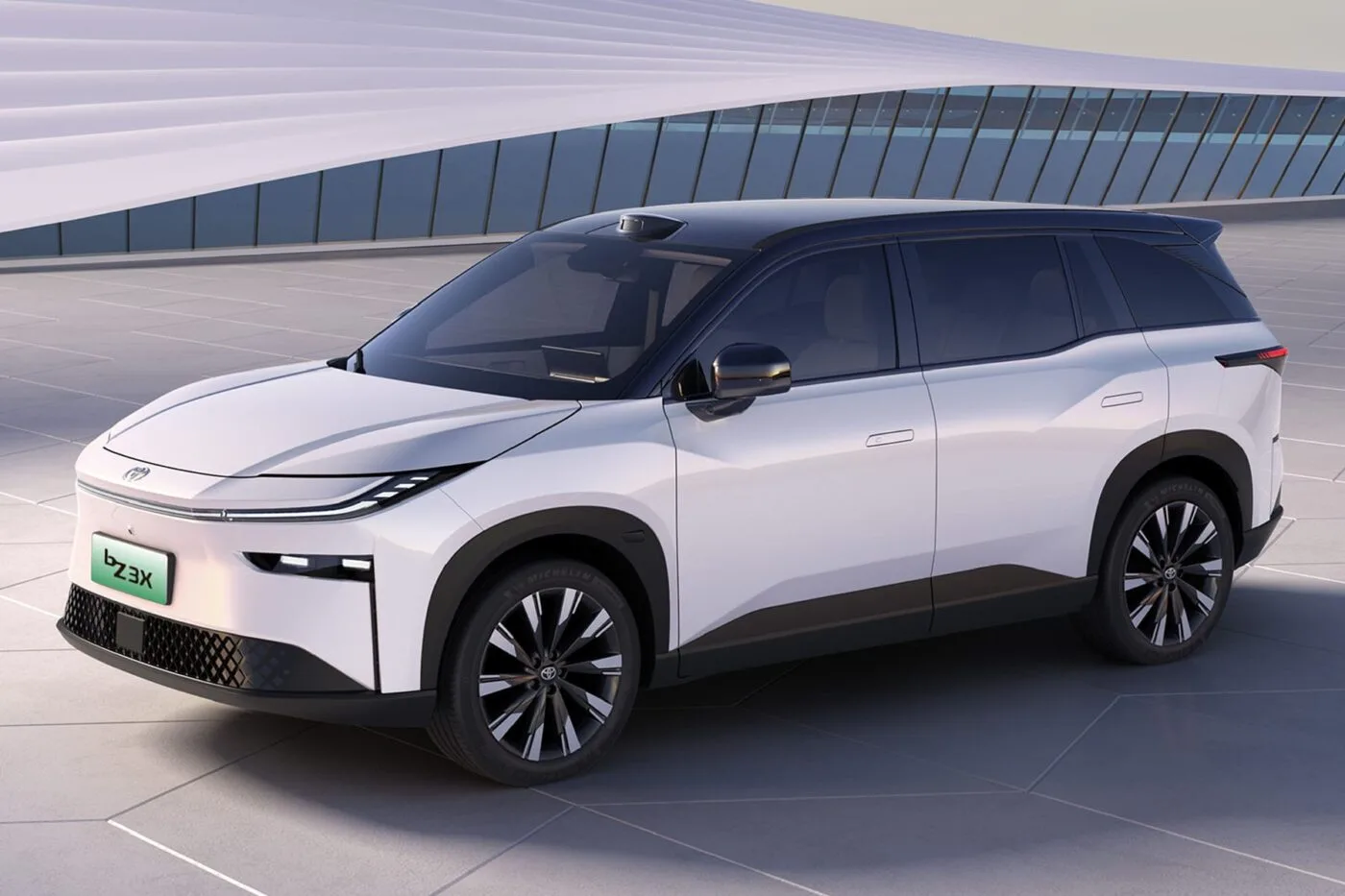
Toyota is stepping up efforts to capture a larger share of China’s booming electric vehicle market with the launch of its most affordable EV to date, the bZ3X.
Developed in partnership with Guangzhou Automobile Group (GAC), the bZ3X made its debut on March 6, sparking unprecedented demand that saw over 10,000 orders placed within the first hour of its release.
The company hype was that demand for the bZ3X was so strong its server crashed.
Positioned as Toyota’s third all-electric model under the bZ brand, the bZ3X is aimed directly at low-cost competitors like BYD. Priced from roughly 109,800 yuan (around RM67,000) for the base version, the electric SUV is available in two variants.
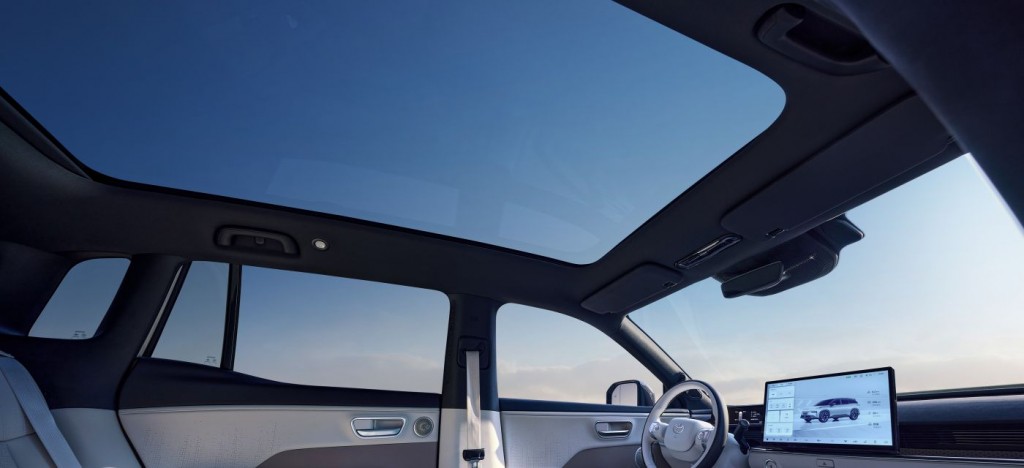
The entry-level model offers standard Toyota Pilot driver assistance, while the more advanced version integrates Toyota’s Momenta 5.0 Intelligent Driving System.
This smart driving model, powered by an NVIDIA Drive AGX Orin X chip and equipped with lidar technology, delivers 25 driver-assist features including Navigate on Autopilot and remote parking, eliminating the need for HD maps.
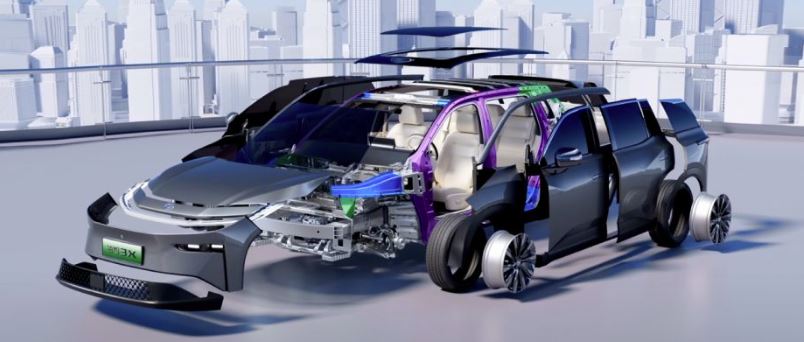
The bZ3X is built on a platform derived from the GAC Aion V, sharing dimensions and drivetrain characteristics with the model while differentiating itself through a varied battery lineup.
Buyers can select from three battery options – 50.03 kWh, 58.4 kWh, and 67.92 kWh – which provide ranges of approximately 430 km, 520 km, and 610 km respectively under CLTC testing conditions. The range-top “610 Max” trim, featuring the largest battery, targets those who need longer travel distances between charges.
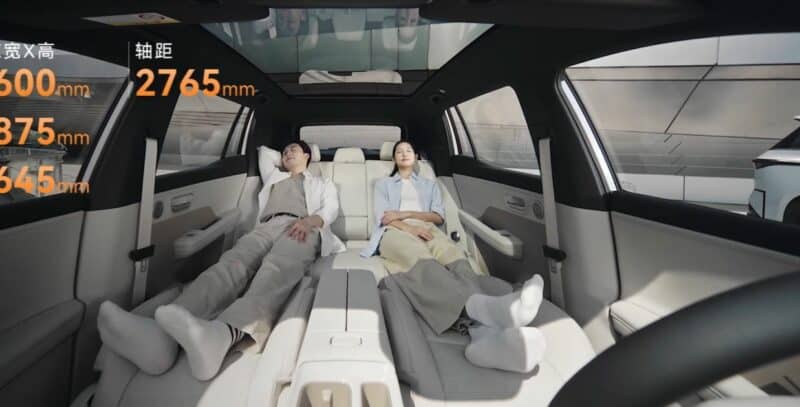
In terms of design, the bZ3X offers a sleek, modern profile with dimensions that are competitive with rivals such as BYD’s electric SUVs.
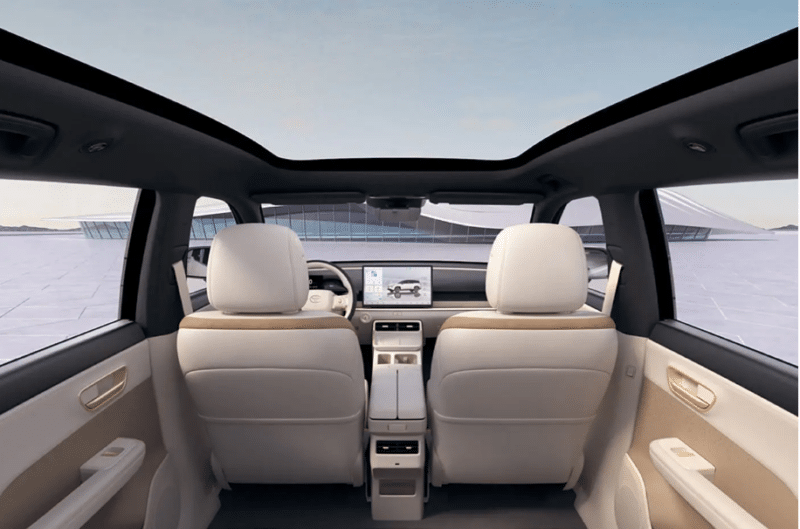
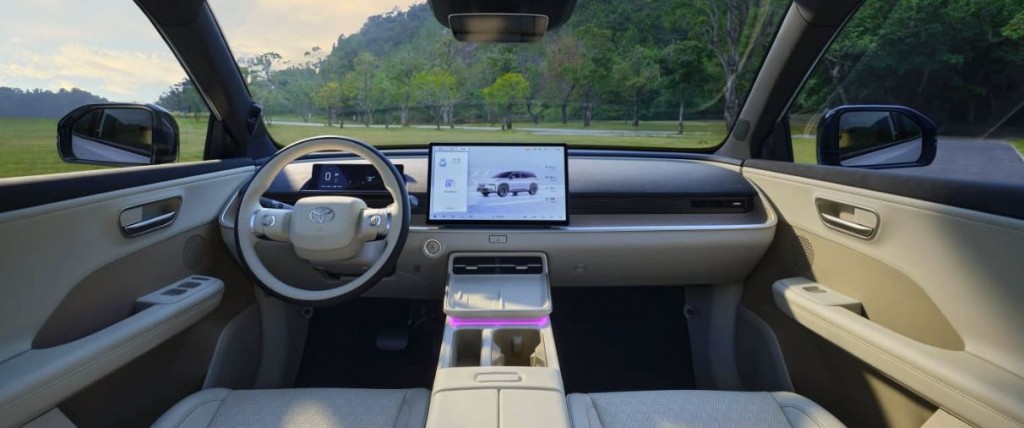
Inside, the cabin is arranged in a minimalist, Tesla-like style dominated by a large 14.6-inch touchscreen.
Despite its contemporary appearance, the infotainment system runs on an older Qualcomm Snapdragon 8155 chip, a specification that stands in contrast to newer models equipped with more advanced processors.
Toyota said around 65% of the vehicle’s components are sourced from local Chinese suppliers.