






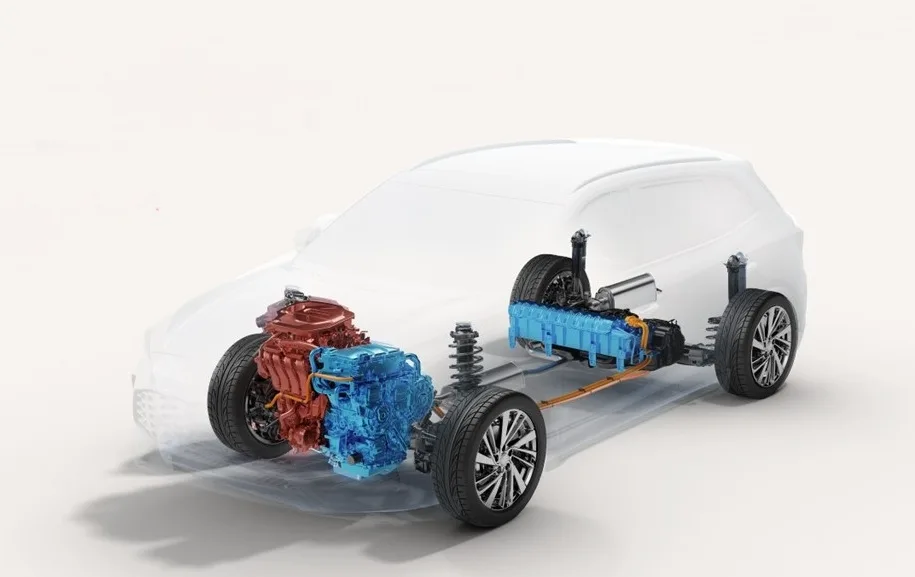
MG has revealed a new technology roadmap covering its next Plug-in Hybrid+ system, SolidCore semi-solid-state battery technology and driver assistance systems developed around European roads.
The plan was announced at MG Tech Day at the brand’s UK headquarters in London. The first model to use the new hybrid system will be the MG ZS Plug-in Hybrid+, due in 2027.
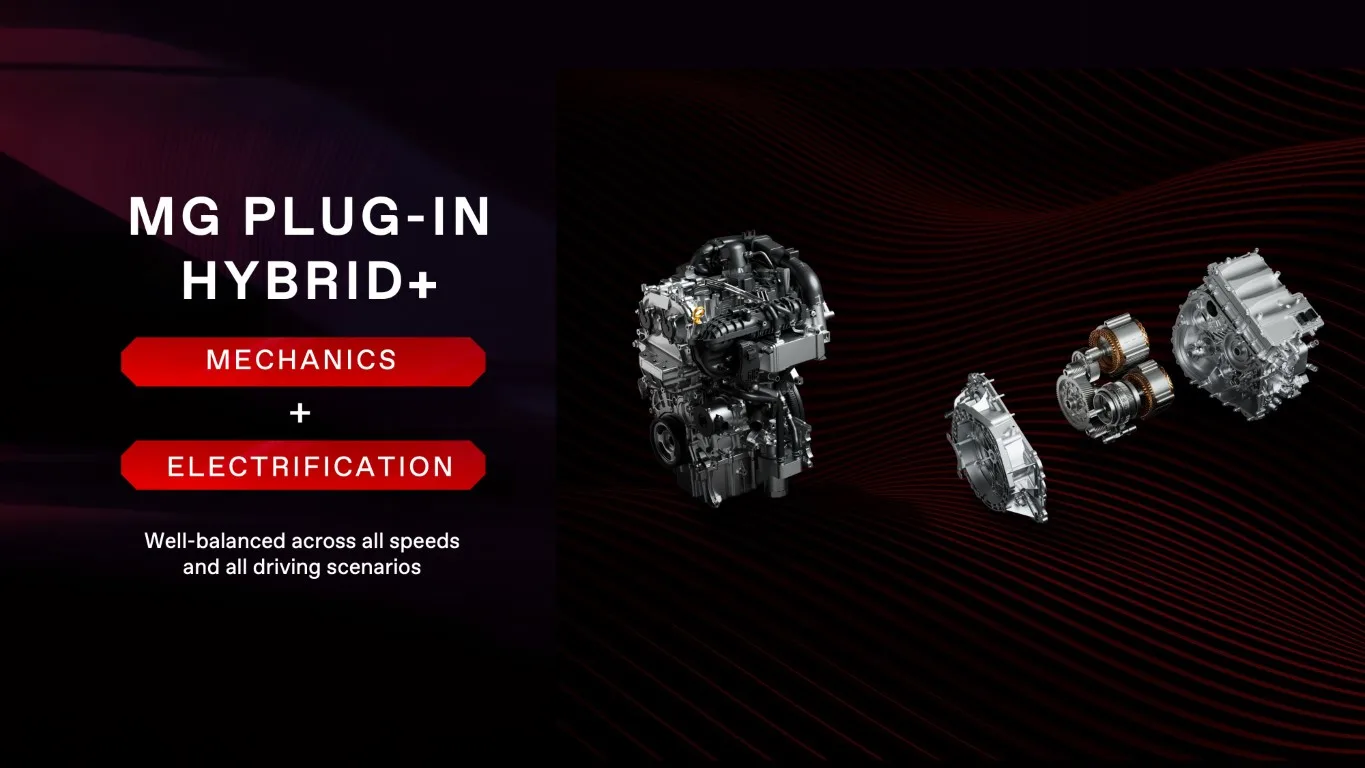
The system uses dedicated hybrid petrol engines, offered in 1.1-litre and 1.5-litre turbocharged forms. MG said the smaller engine achieves more than 42% thermal efficiency, while the 1.5-litre unit goes beyond 43%.
Those are high efficiency claims for petrol engines, but real-world fuel use will still come down to charge level, speed and driving style.
The transmission is also new. It combines Power Split and Motor Decoupling technologies.
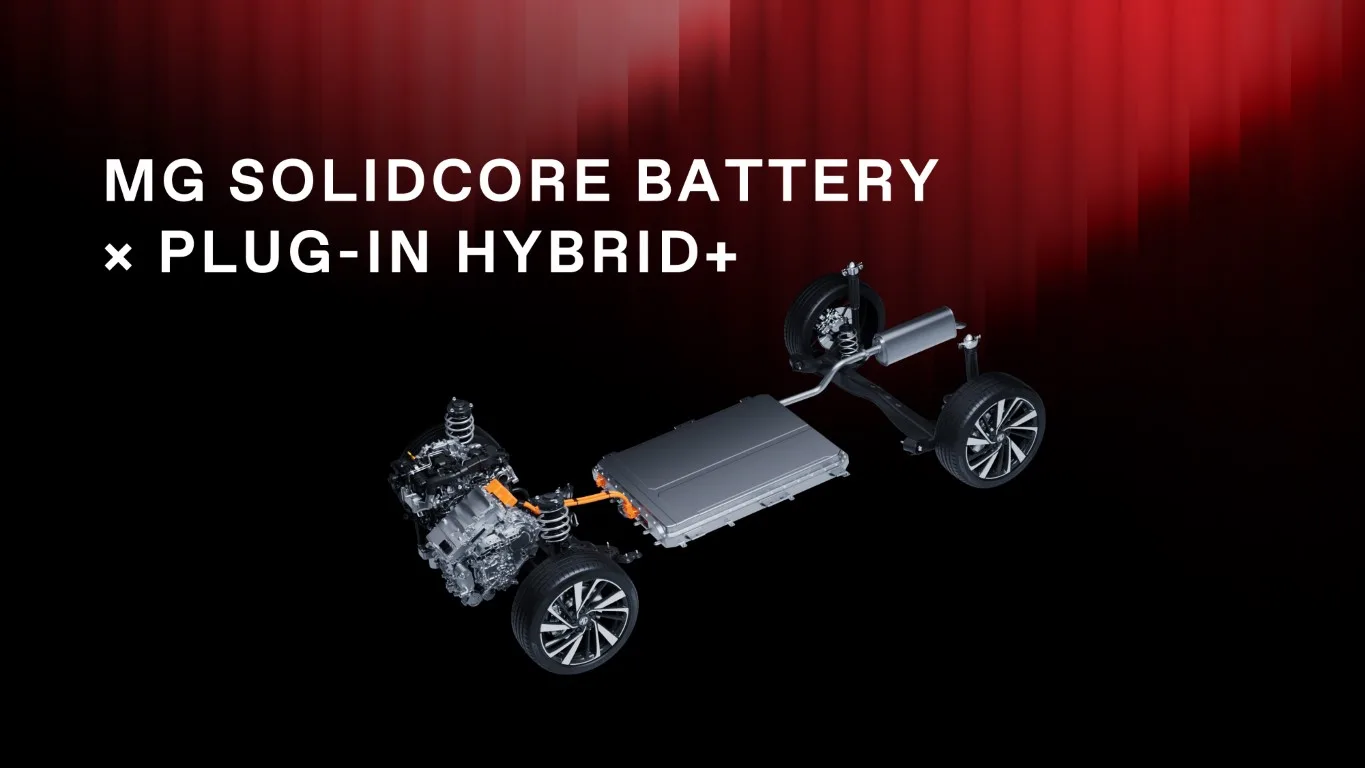
Power Split manages how petrol and electric power are shared, while Motor Decoupling disconnects the generator during pure electric driving to reduce mechanical drag.
In short, the system switches between electric drive, blended hybrid drive and direct engine drive depending on speed and load.
At low speeds, it can prioritise electric drive. At medium speeds, it can blend engine and motor output. At higher motorway speeds, it can use direct engine drive where that makes more sense.
MG said the engine can operate above 40% thermal efficiency in about 90% of driving conditions, with electric drive efficiency of up to 90%.
MG also quoted 0–100kph in under six seconds, while 80–121kph acceleration takes as little as 3.5 seconds.
Hill-start torque delivery is claimed to improve by up to 72%, which should help in heavier SUVs, where weak low-speed pull can make a hybrid feel strained.
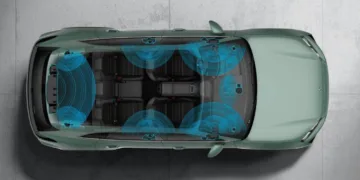
Cabin refinement is another target. By stopping the generator from idling during electric driving, MG said Motor Decoupling can cut noise, vibration and harshness by up to 5dB in EV mode compared with conventional plug-in hybrid systems.
That should make the car feel closer to a battery EV in town, at least when there is enough charge in the battery.
MG is also bringing its SolidCore battery technology into future Plug-in Hybrid+ models.
The semi-solid-state battery uses a 3D spinel structure and is being positioned as a way to improve power response, range stability and performance consistency.
MG said SolidCore can also reduce the usual plug-in hybrid performance drop when the battery is cold or running low.
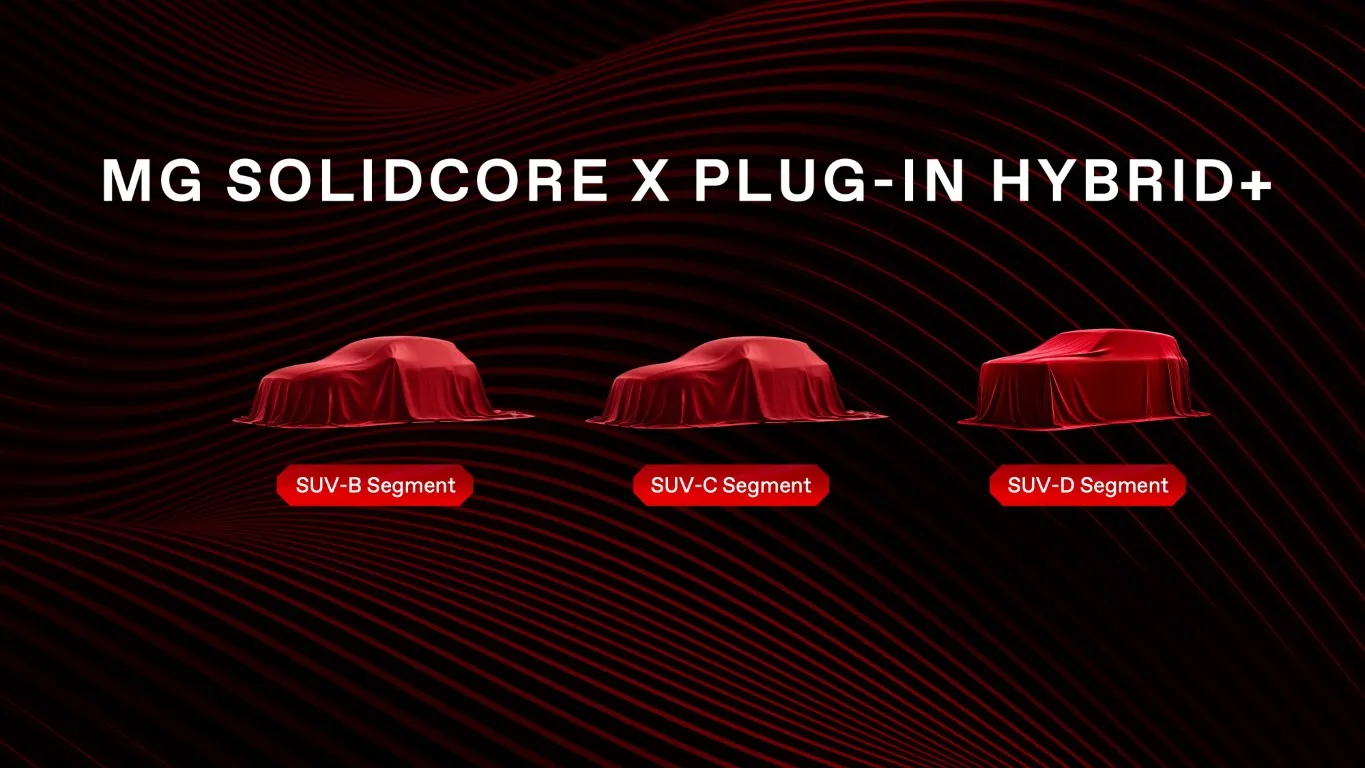
The first Plug-in Hybrid+ models with SolidCore batteries will be three new SUVs in the B, C and D segments.
MG is also tuning its driver assistance systems with European road data. The company said it has collected more than 1.2 million km of real-world driving data across 24 European countries.
That data is being used to refine systems for roundabouts, narrow streets, give-way junctions, trams, cyclists and the kind of messy city layouts that do not always suit systems trained on ideal roads.
One Touch iAD parking assistance is already used in MG’s premium IM models. It can support more than 30 parking scenarios and more than 300 types of parking spaces, including unmarked bays.
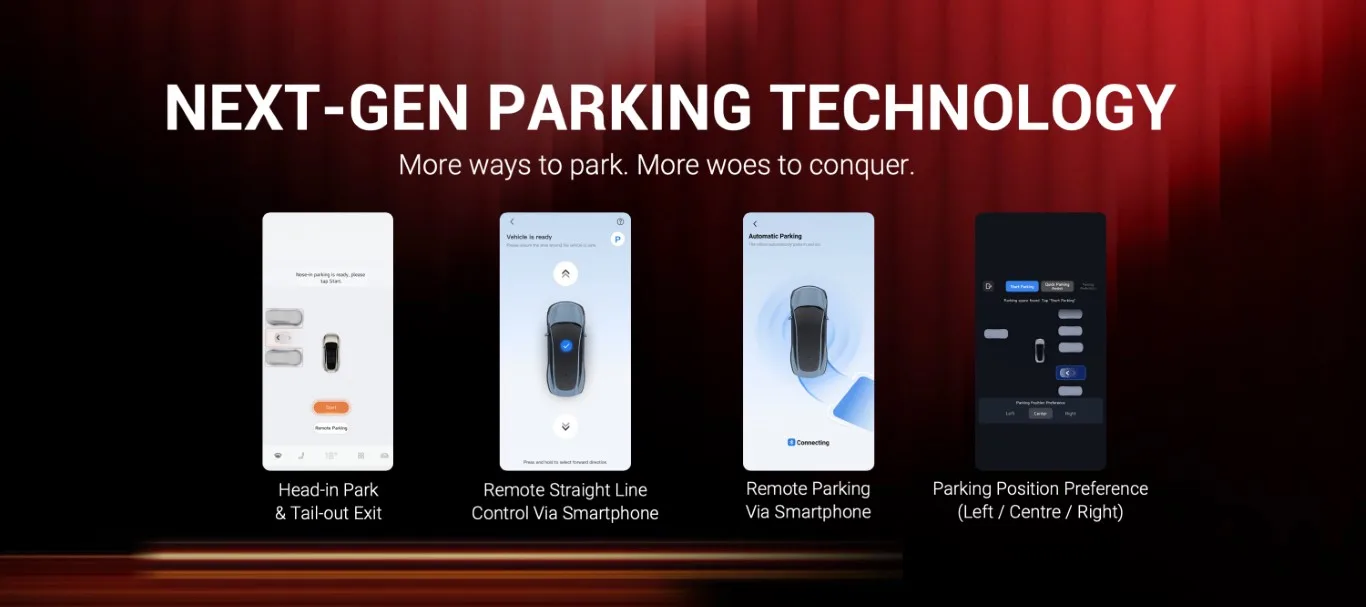
Its functions include one-touch parking, kerbside parking, automatic pull-out and reverse assist that can retrace the vehicle’s path for up to 100 metres.
Navigate On Autopilot, or NOA, is due in late 2027 on a new MG SUV. The system will focus first on motorway driving, assisting with entry, exit, lane choice, lane changes and overtaking, but still with driver supervision.
Urban NOA is planned later, because city driving brings more variables: junctions, traffic lights, pedestrians, cyclists and unpredictable road layouts.
MG is also running Level 4 robotaxi trials in Germany, the Middle East and China.
The nearer-term products are the hybrids, SolidCore batteries and motorway assistance systems due from 2027. MG has not said when Level 4 robotaxi technology could reach production cars.