






China has issued stricter technical rules for range extenders used in range-extended electric vehicles (EREVs), after annual sales of such vehicles passed one million units.
The revised standard, known as QC/T 1086-2026, will take effect on Nov 1, 2026.
It replaces the 2017 version and changes the document from a looser set of technical conditions into a clearer standard covering technical requirements and test methods.
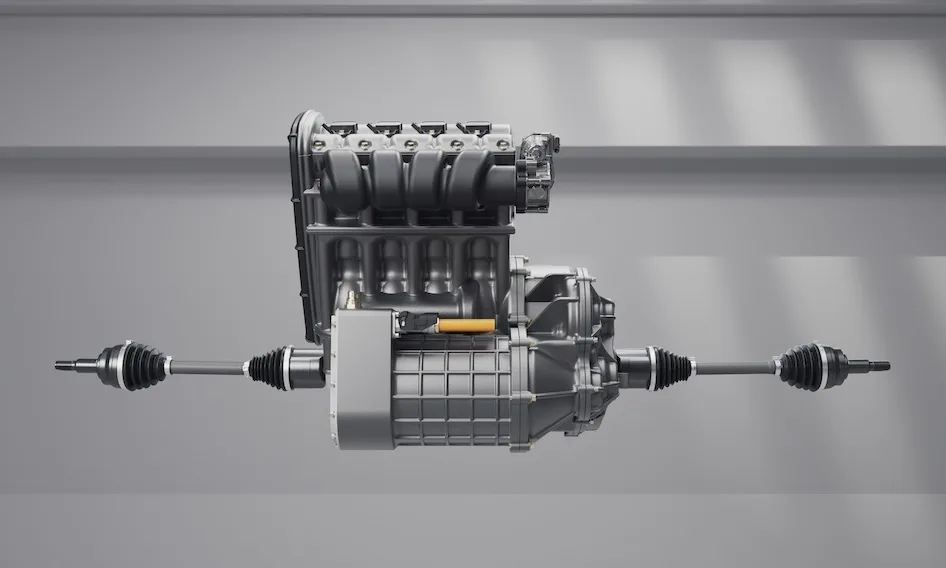
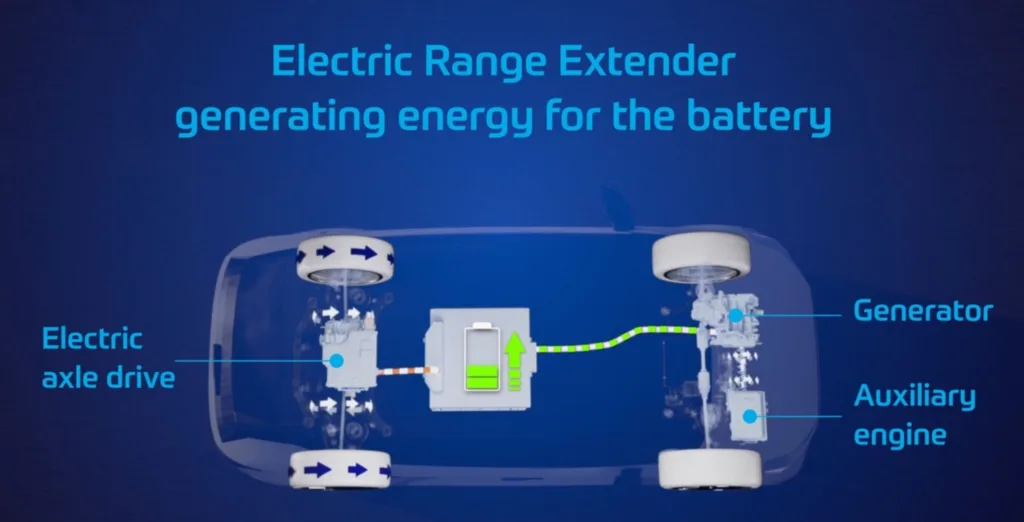
A range extender is the engine-generator system used in an EREV.
In a typical set-up, the petrol engine works mainly as a generator rather than as the main wheel-driving source, sending electricity to the battery and electric drive system when needed.
The new rules come after a sharp rise in EREV sales in China. Domestic sales passed one million units in 2024 and exceeded 1.2 million units in 2025, according to state-backed automotive portal CNR Auto.
The report said Seres, Deepal, Li Auto, Leapmotor and nearly 20 carmakers had increased their investment in the technology, making EREVs a regular part of China’s new-energy vehicle market.
The updated standard replaces vague wording with measurable targets. For generator power control, systems rated at up to 50 kW (68 PS) must keep output within ±1.5 kW. Systems above that output must stay within ±3%.
That gives carmakers and suppliers a clearer yardstick for calibration and product quality.
Reliability testing is also tougher. The new standard includes a 750-hour alternating-load durability test and a 100,000-cycle start-stop test.
These are based on about 300,000km of real-world vehicle use, including heavy urban traffic where the range extender may start and stop often.
The rules also add full sections on electromagnetic compatibility (EMC) and noise, vibration and harshness (NVH). That reflects how the technology has changed.
The range extender is no longer treated as a simple back-up generator. It now works closely with the battery, motor and vehicle control systems, and has a real effect on cabin quietness and drivability.
The standard also covers integrated systems that combine the generator and drive motor within the same transmission assembly. That keeps the rules open to different technical layouts instead of favouring one design.
For China’s EREV market, the new standard makes life harder for weaker suppliers and gives stronger manufacturers a clearer way to prove control accuracy, durability, refinement and system integration.
It also shows that China now treats EREVs as a major powertrain category, not merely as a short-term bridge between petrol cars and battery electric vehicles.