





The ongoing Volvo EX30 battery recall is no longer just a technical fix. With two fire incidents now reported in Thailand, it has become a reputational test for Volvo, even as the company takes a measured approach to the issue.
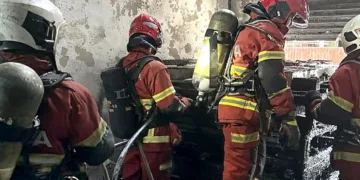
After months of 70% charging advisories in several markets, Volvo Car Thailand is now dealing with two recent EX30 fire incidents involving vehicles from the affected battery group.
In an official statement dated May 18, 2026, Volvo Car Thailand said both vehicles were among the affected EX30 Single Motor Extended Range and Twin Motor Performance versions with a battery overheating issue.
Its preliminary investigation found that the batteries had been charged above 70%, exceeding the recommended limit already communicated to affected customers.
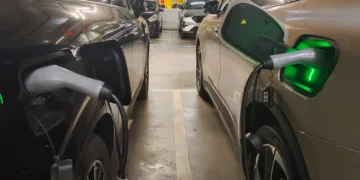
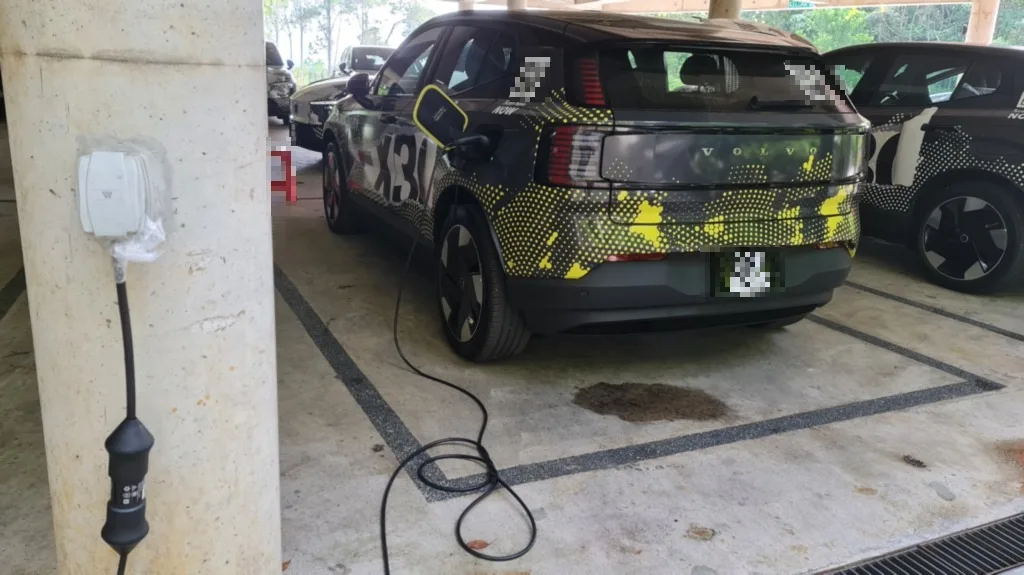
Volvo Car Thailand has told affected owners to keep charging to no more than 70% until new battery modules are fitted.
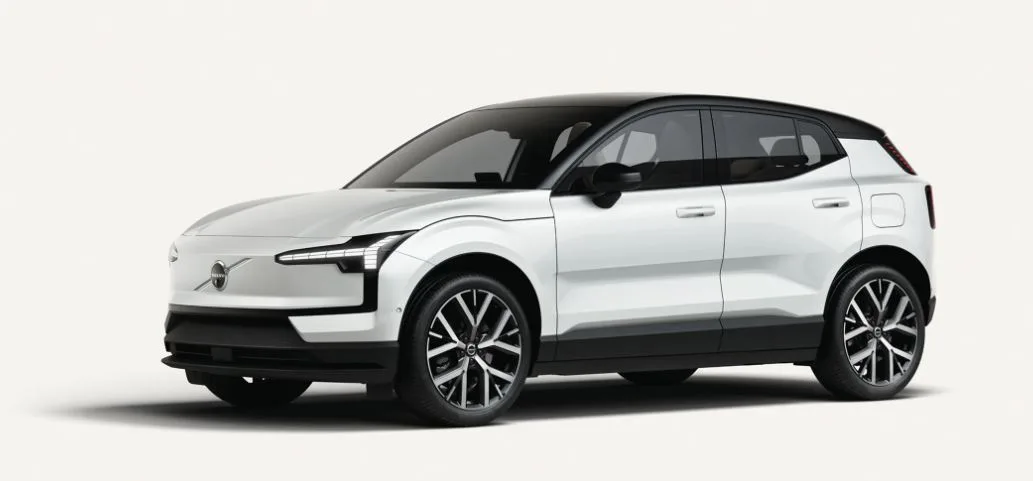
The company said it would contact customers within the week through its customer relations centre, with the replacement programme scheduled to start on May 22, 2026. Each job is expected to take about three days, including quality checks before handover.
Volvo Cars Thailand appears to have removed the EX30 from its main model listing for now, although direct EX30 pages remain live on the Thai website.
The issue has also drawn sharper official scrutiny in Thailand. Reuters reported that the country’s consumer watchdog would escalate fire-risk complaints to an internal committee, a move that could lead to civil action against Volvo Car Thailand and its dealers. The agency is seeking refunds plus interest for 45 complainants.
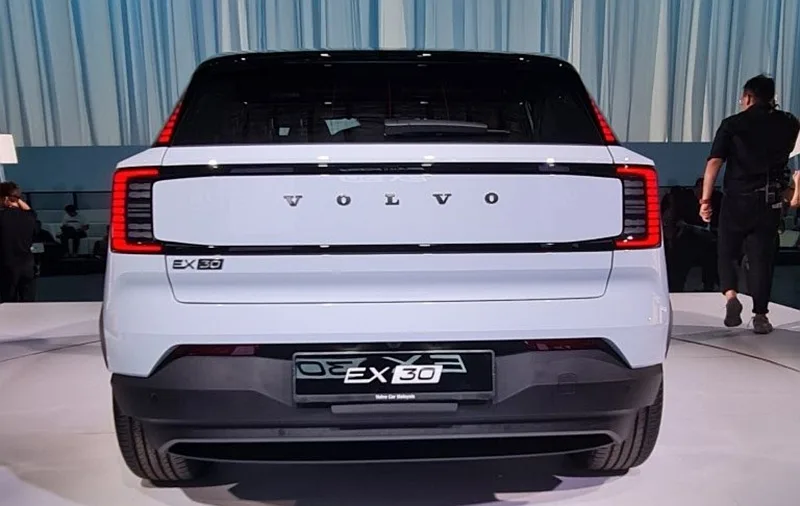
The recall is relevant to Malaysia as well. TienCars previously reported that Volvo Car Malaysia’s advisory covers certain EX30 Single Motor Extended Range and Twin Motor Performance units produced and sold between 2024 and 2025, while stressing that not all EX30 variants are affected.
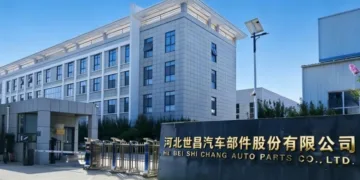
Reuters reported in February that Volvo would recall 40,323 EX30 Single-Motor Extended Range and Twin-Motor Performance cars globally with affected high-voltage cells supplied by Shandong Geely Sunwoda Power Battery Co. Until repairs are done, the message to affected owners remains: stay at 70% or below.