






BYD is preparing to launch the Racco in Japan in 2026, taking the Chinese EV brand into one of the country’s most localised vehicle categories: the kei car market.
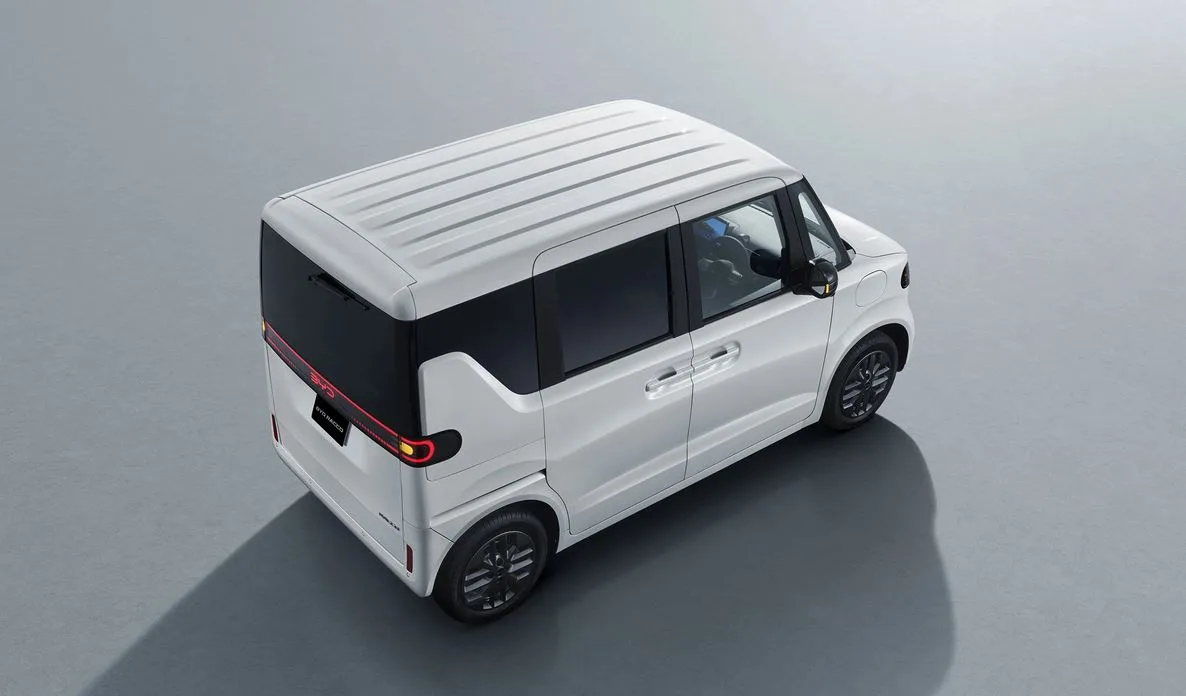
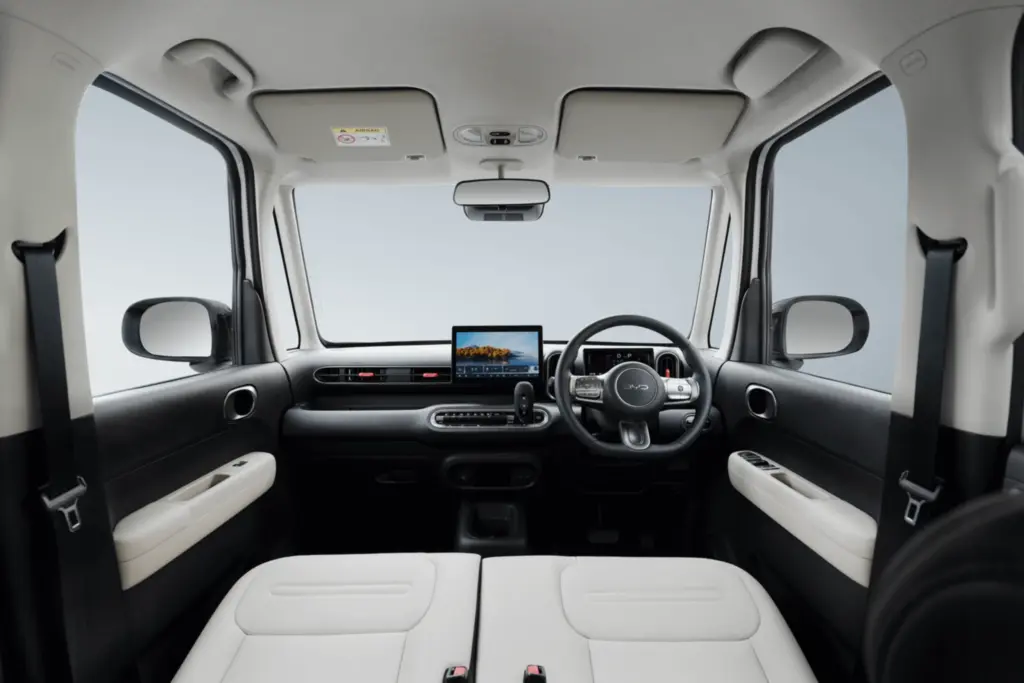
The Racco is not a shrunken global model. BYD Japan said the car has been developed around Japan’s kei vehicle rules, with a super-height body, sliding doors as standard and front-wheel drive. The official Racco site lists its launch timing as summer 2026.
For BYD, this is a more serious Japan push than simply adding another imported EV to its line-up. Kei cars are a core part of Japanese daily transport, especially outside big cities, where compact size, low running cost, cabin space and easy access often count for more than outright performance.
BYD is planning two battery versions. The standard model gets a battery of about 20 kWh, while the long-range model uses about 30 kWh. BYD is targeting more than 200km of range for the standard version and more than 300km for the long-range version.
That would place the Racco in a small but closely watched electric kei car segment now led by domestic models such as the Nissan Sakura and Mitsubishi eK X EV.
The Racco project also has an important local talent to back it up.
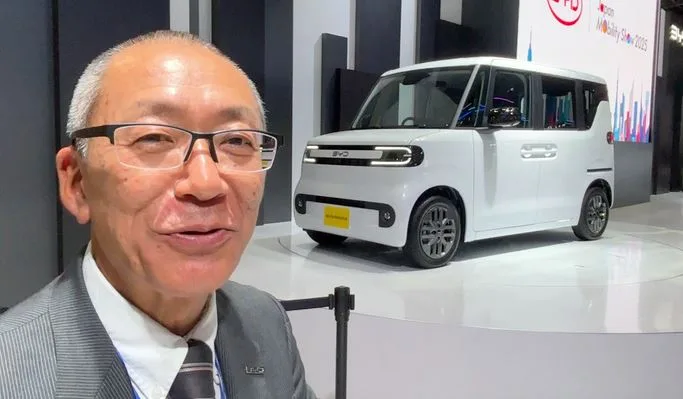
Hirohide Tagawa, who joined BYD in 2025, is listed as product planning department manager and CK project leader for the Racco. He had previously spent nearly 30 years at Nissan and worked on models including the Nissan Days and Sakura.
Tagawa’s involvement suggests BYD is treating the kei format as a local product brief, not merely a smaller body style. Kei buyers are used to clever packaging, low running costs, easy access and cars that work in cramped streets without feeling cheap.
BYD’s own Racco site said its team studied Japanese usage patterns, including home charging, short daily trips, shopping stops, storage needs, quietness and easy low-speed driving. It also highlights winter heating performance, an important point for EV buyers in colder parts of Japan.
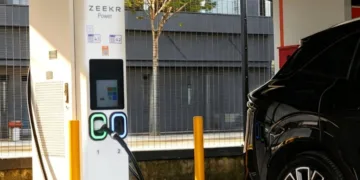
Charging is being pitched around normal Japanese routines rather than headline peak numbers. BYD’s internal estimates for the 300km version claim about 270km added in six hours using a 6 kW AC charger, or about 180km in 30 minutes using a 200A DC fast charger, at 20 degrees Celsius.
The bigger test is whether Japanese buyers would accept a Chinese-branded kei car. Japan remains heavily dominated by domestic brands, but BYD’s local sales are growing from a low base.
China’s National Business Daily said BYD sold 4,536 vehicles in Japan in 2025, more than double the previous year, and had 70 sales outlets by the end of March 2026.
A well-priced Racco would give BYD a more natural entry point into ordinary Japanese motoring than its larger imported EVs.