



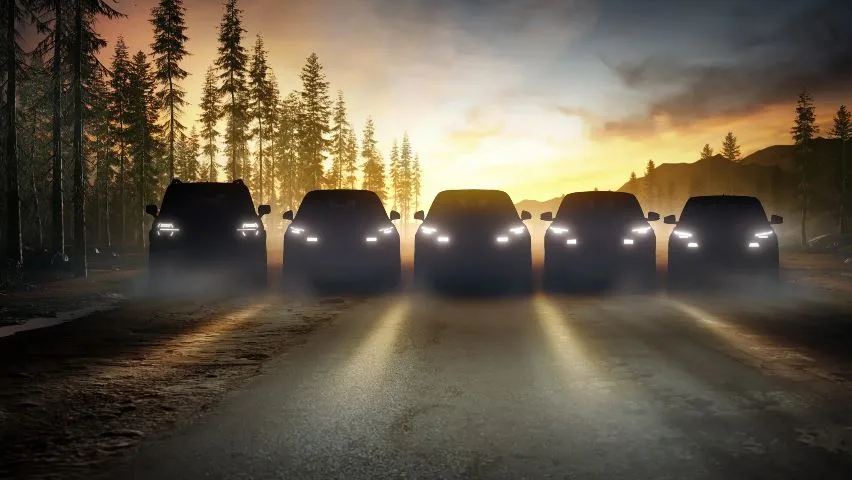
Ford is preparing one of its biggest European product resets in years, with five new passenger vehicles due by the end of 2029.
The plan was outlined to Ford’s European dealers and partners in Salzburg, Austria, and points to a more flexible strategy than the company’s earlier EV-only direction.
Two of the new models would be fully electric. The other three would be offered with more than one powertrain type, including hybrid or electric options, depending on the model.
The first confirmed model is a new compact SUV from the global Bronco family. It would be built at Ford’s Valencia plant in Spain from 2028, giving the brand a more rugged entry in Europe’s small SUV market.
Ford is also preparing two smaller EVs. One is an electric B-segment hatchback, while the other is a small electric SUV.
Reuters reported that both would use Renault technology and be built at a Renault plant in northern France.
That has naturally restarted talk about the Fiesta name.
Auto Express reported earlier this year that Ford’s Renault-based supermini could revive the Fiesta badge, using Renault’s AmpR Small electric-car architecture, which also supports models such as the Renault 5, Renault 4, Alpine A290 and Nissan Micra.
Ford has not confirmed the Fiesta name, and Ford president for Europe Jim Baumbick has not committed to a naming strategy. But he has acknowledged the value of Ford’s older European nameplates, which leaves room for speculation.
The remaining two passenger models would be multi-energy crossovers with a stronger performance and rally-inspired flavour. Ford describes the wider line-up as “rally-bred”, drawing from its competition history rather than chasing anonymous appliance-style EVs.
Baumbick used the announcement to make a broader point about Europe’s emissions direction. He said Ford does not build vehicles simply to meet regulatory mandates, arguing that the quickest route to lower emissions is one customers would actually use.
That explains the mixed approach. Ford is still investing in EVs, but it is also keeping hybrids and other lower-emission powertrains in play. It is not alone.
Toyota, BMW and a number of other automakers have also backed a multi-pathway strategy, arguing that EVs, hybrids and other technologies would need to coexist for some time depending on market readiness, cost and charging access.
Reuters said Ford’s wider European push covers seven models in total when commercial vehicles are included, with the passenger-car plan joined by the Ranger Super Duty and a fully electric Transit van.
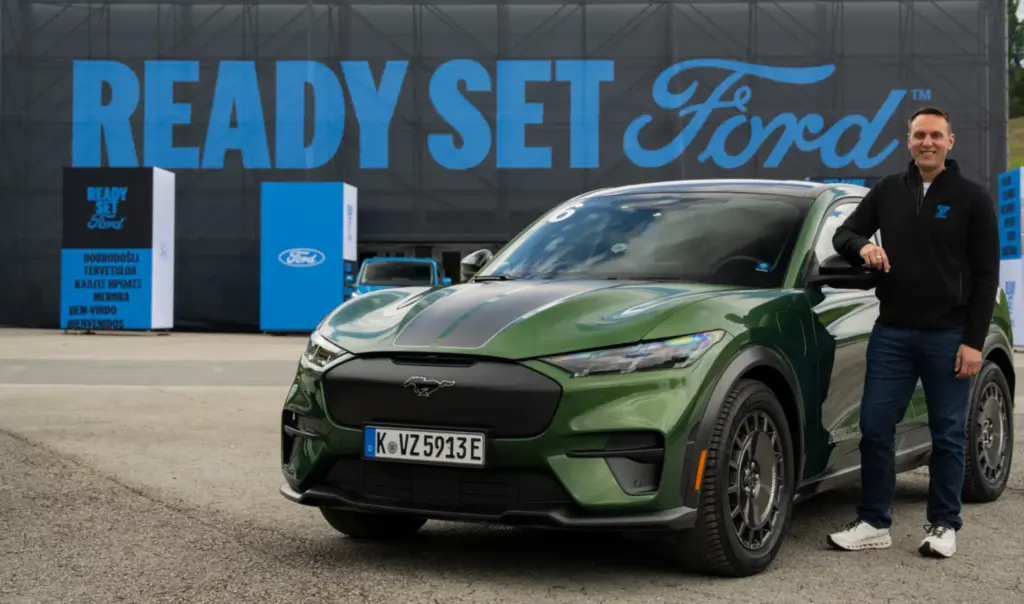
Ford is also using the model rollout to support its new Ready Set Ford platform for Europe, built around build, thrill and adventure.
After years of shrinking European volume and the loss of familiar models such as the Fiesta and Focus, Ford is trying to look like Ford again.