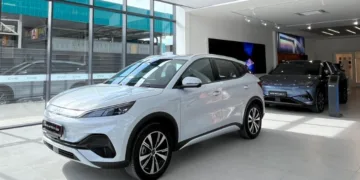







China’s electric vehicle price war may be turning a corner, with Tesla, BYD, Xiaomi and several other carmakers raising prices or reducing buyer incentives as material and chip costs climb.
According to Chinese business news outlet Jiemian, more than 15 new energy vehicle brands in China have announced price adjustments recently, although the increases are not uniform across the market.
Some involve higher vehicle prices. Others apply only to options, smart-driving packages or finance terms.
BYD moved first on April 28. The carmaker raised the price of its “God’s Eye B” laser-assisted driving option on selected Dynasty, Ocean and Fang Cheng Bao models from 9,900 yuan (RM5,700) to 12,000 yuan (RM7,000), an increase of 2,100 yuan (RM1,200).
The new pricing took effect on May 1, although customers who paid deposits by April 30 were not affected.
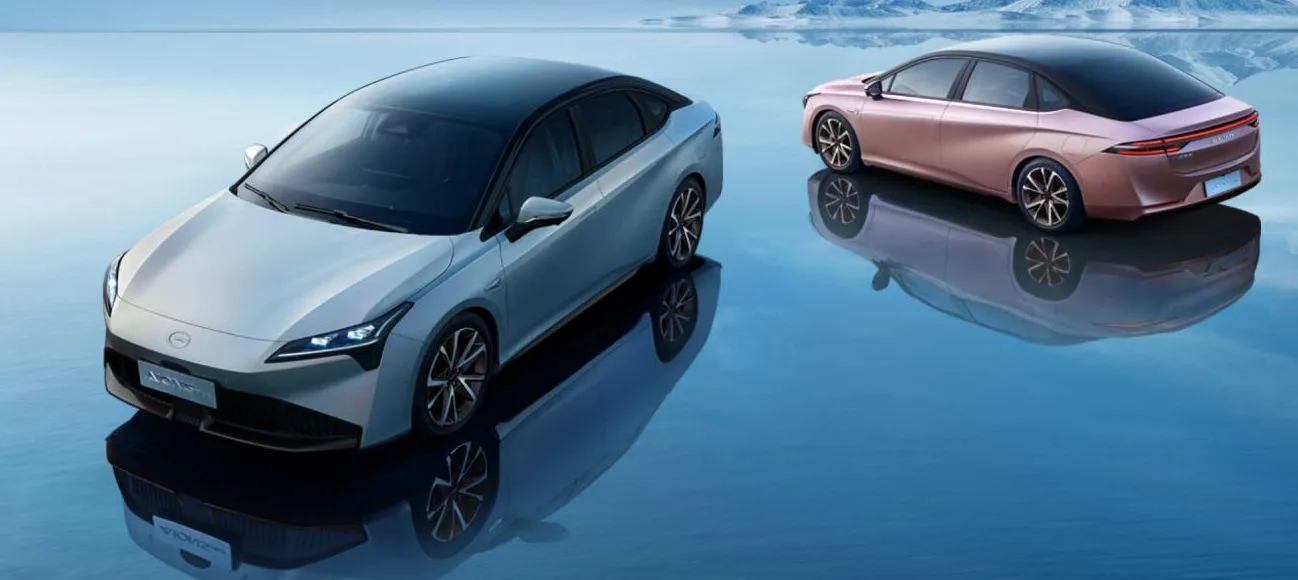
Changan Qiyuan/Nevo followed on April 30, citing higher global automotive-grade chip costs. Its Qiyuan Q07 Tianshu Intelligent Laser Edition produced after May 7 is priced 3,000 yuan (RM1,700) higher. GAC Aion also announced increases of 3,000 yuan to 6,000 yuan (RM1,700 to RM3,500) for models including the AION Y Younger and AION S Plus.
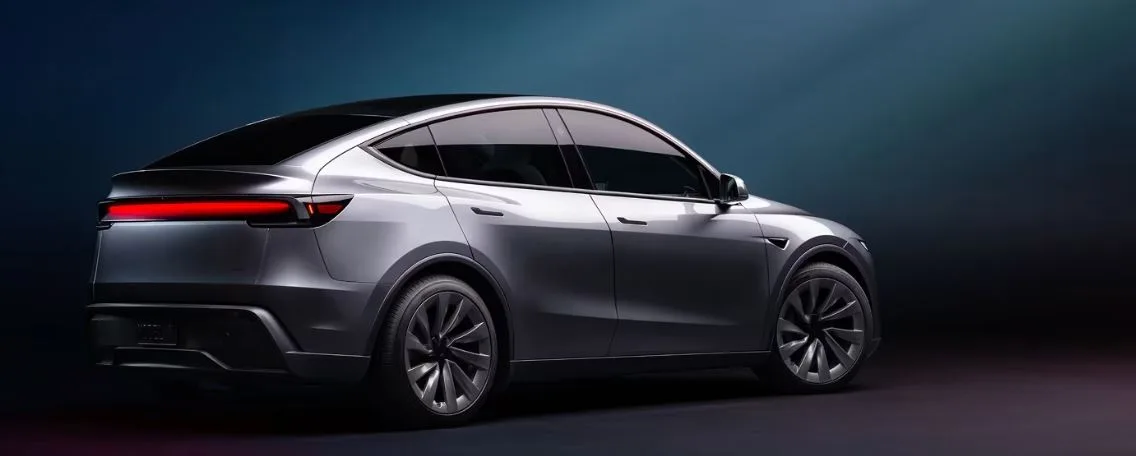
Tesla’s move was even more. From May 1, the Model Y Long Range rose by 18,000 yuan (RM10,400), while the Performance version increased by 20,000 yuan (RM11,600). Tesla also tightened its interest-free finance offer, raising the effective cost for buyers without changing only the sticker price.
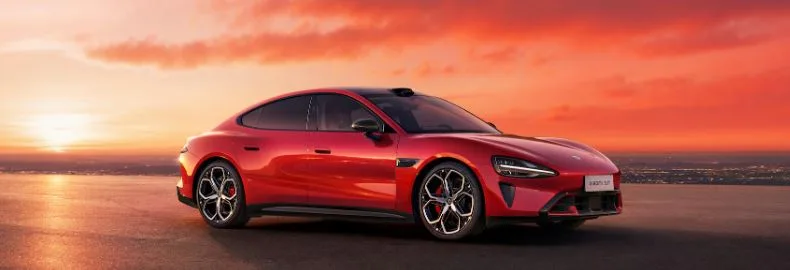
Xiaomi’s new-generation SU7, launched in March, is 4,000 yuan (RM2,300) more expensive across its Standard, Pro and Max versions. Joint-venture NEVs have also joined the trend, with parts of the Volkswagen ID range up by 4,000 yuan to 7,000 yuan (RM2,300 to RM4,100), while the Toyota bZ4X rose by 6,000 yuan (RM3,500).
The pressure is coming from the supply chain.
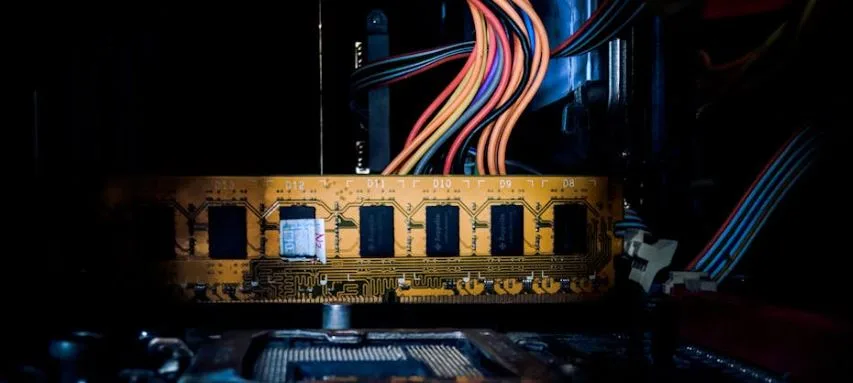
Jiemian cited battery-grade lithium carbonate rising from 75,000 yuan per tonne in July 2025 to near 200,000 yuan (RM116,000) per tonne, while automotive-grade memory chip prices were said to have climbed around 180% in three months.
UBS was cited as estimating that memory chip increases alone add 3,000 yuan to 7,000 yuan (RM1,700 to RM4,100) to the cost of an intelligent-driving vehicle.
The wider industry remains fragile. China’s auto industry sales profit margin fell to 3.2% in the first quarter of 2026, according to China Passenger Car Association (CPCA) data cited by Jiemian, after 4.1% in 2025. That leaves carmakers with less room to absorb higher input costs after several years of discounting.
Still, a full-market price surge is not guaranteed.
CPCA secretary-general Cui Dongshu said higher-end NEV makers have stronger margins, while mass-market brands risk losing customers if they raise prices too aggressively.
For now, many increases look cautious rather than sweeping. The second half of 2026 would depend on raw material prices and whether China’s EV competition stays as intense as before.