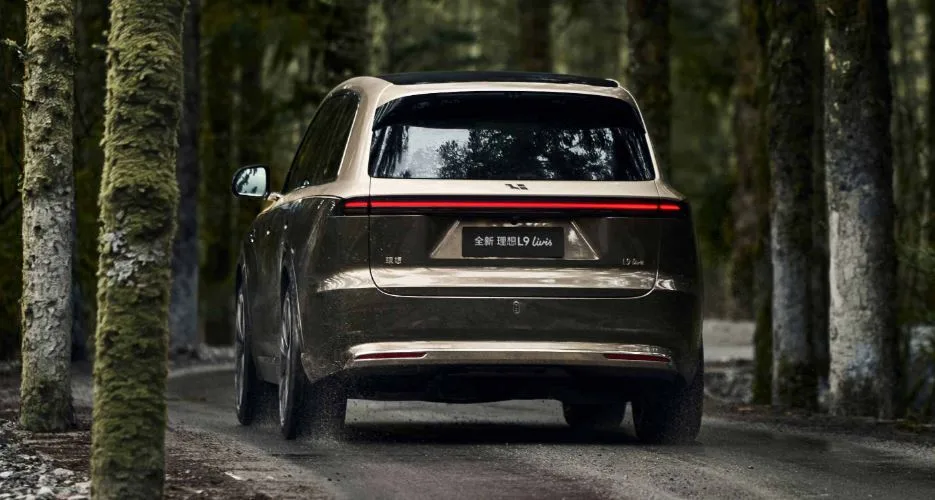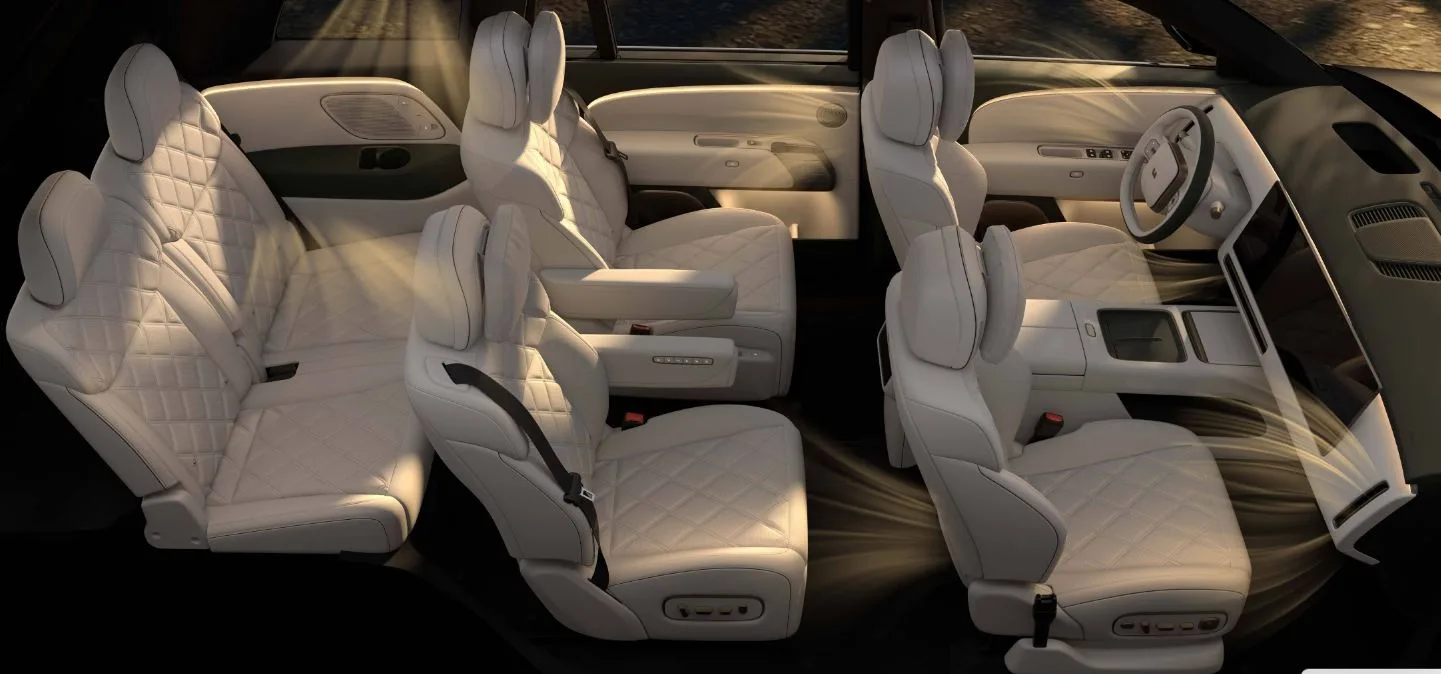









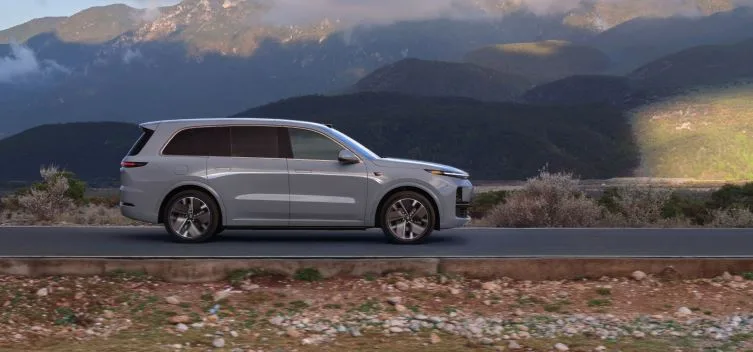
Li Auto has launched the all-new L9 in China, giving its large six-seat range-extender SUV a more advanced chassis, faster charging and a heavier emphasis on onboard computing.
The new L9 is offered in two versions. The L9 Ultra is priced at 459,800 yuan (about RM267,000), while the higher-spec L9 Livis costs 509,800 yuan (about RM296,000).
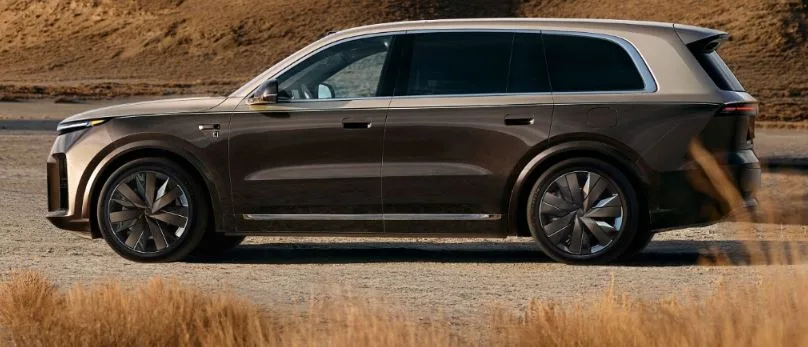
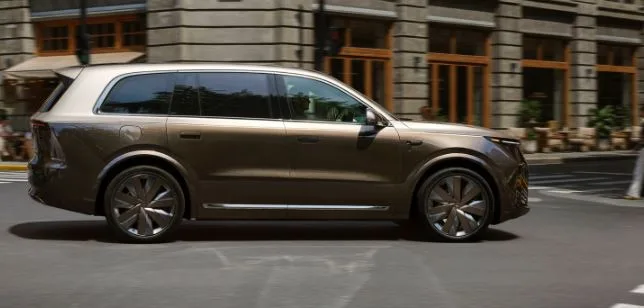
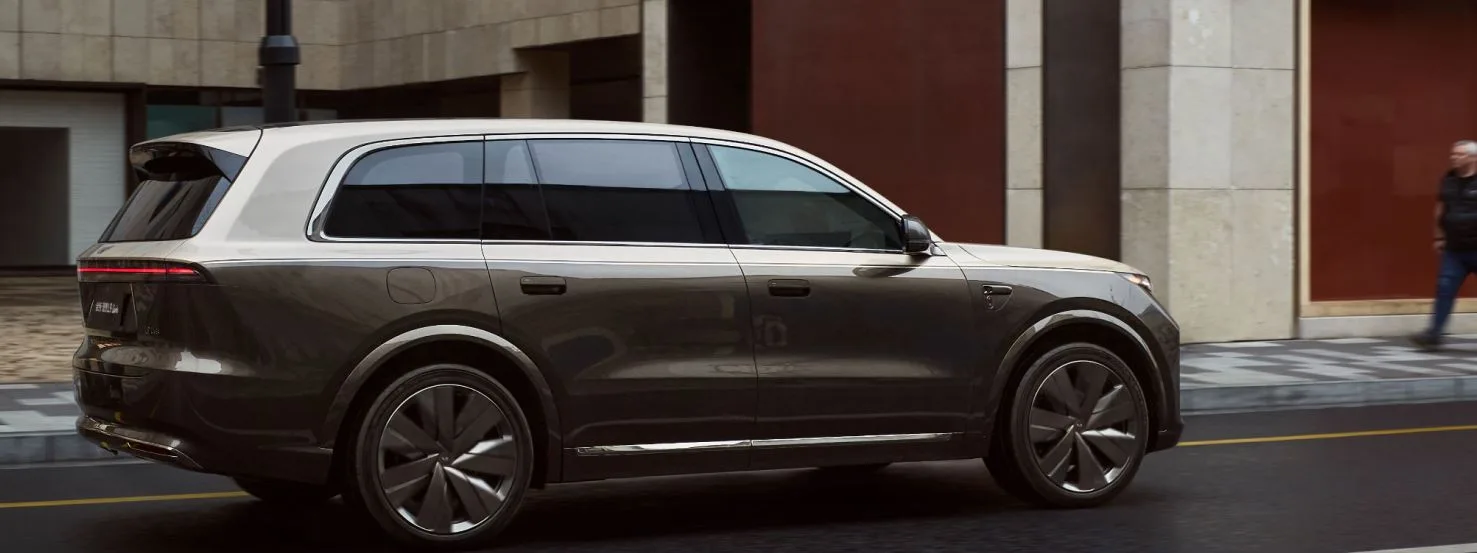
The L9 measures 5,255 mm long, 2,000 mm wide and 1,810 mm tall, with a 3,125 mm wheelbase. It has a shorter front overhang and longer rear overhang than before, while 22-inch wheels help fill out its large body.
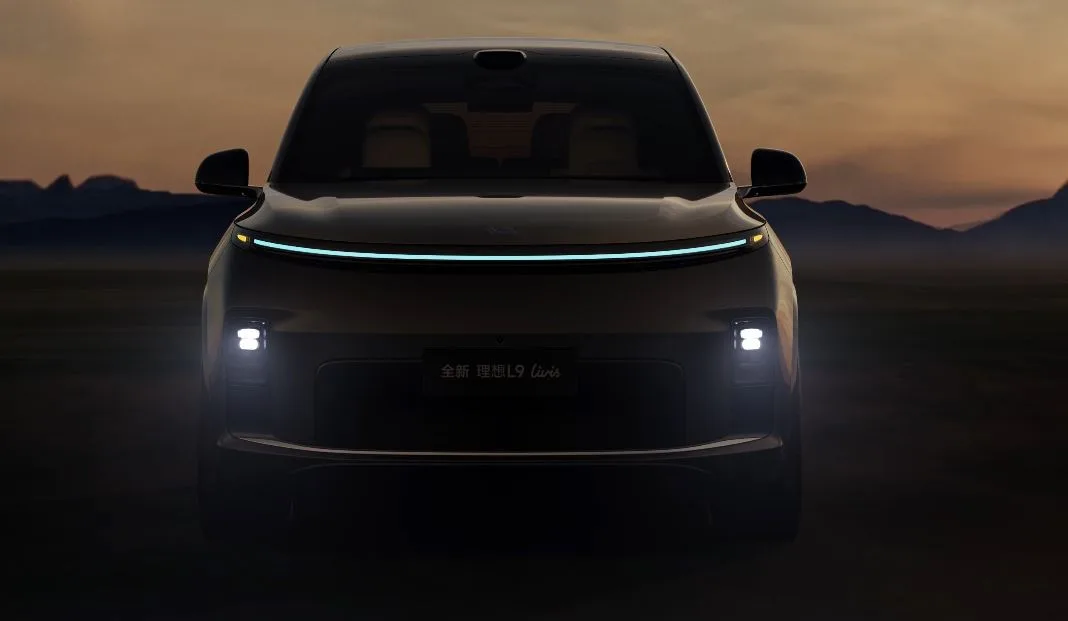
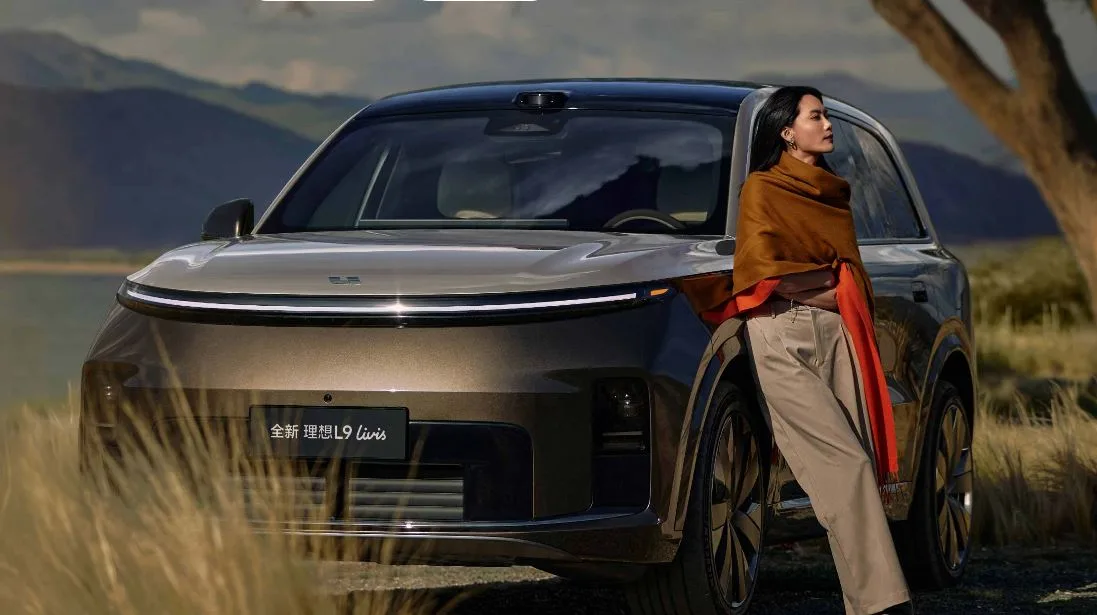
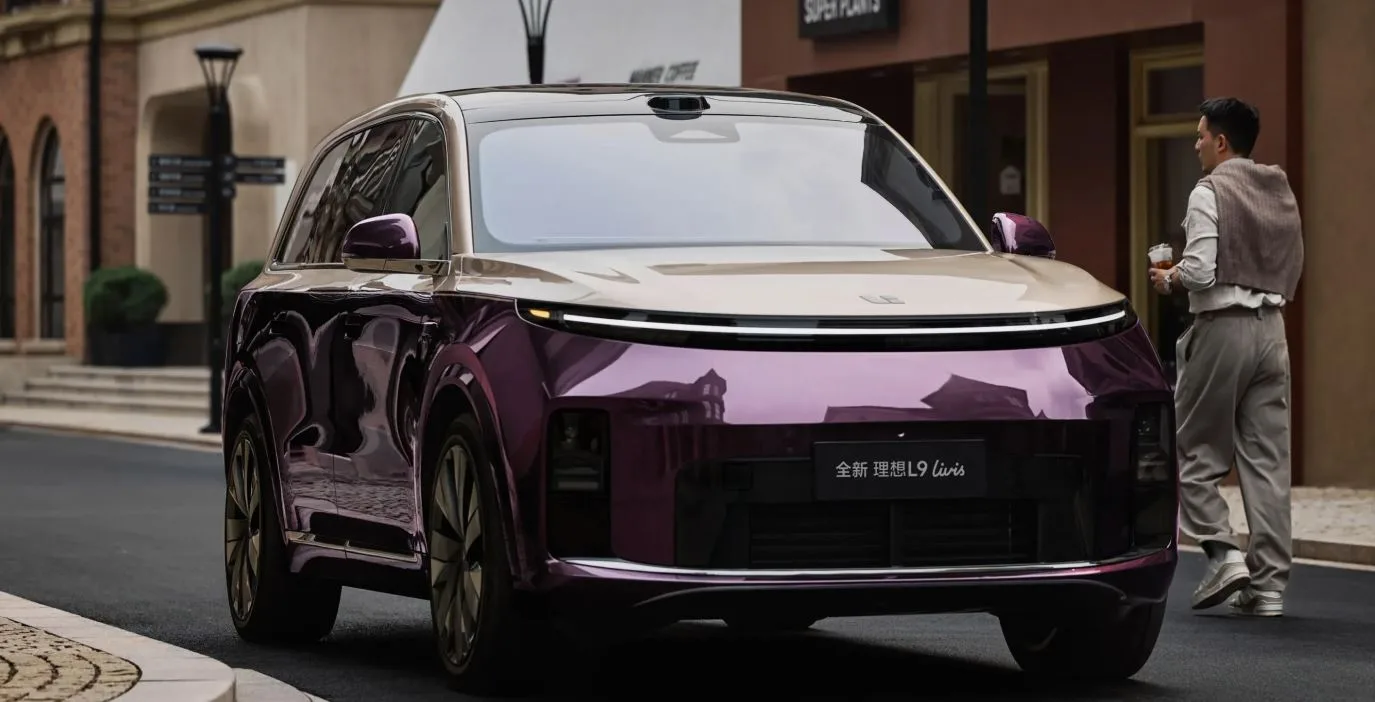
The exterior keeps Li Auto’s full-width Star Ring LED signature, now with three-colour lighting. The SUV also gets ADB matrix headlights and ultra-wideband sensing, allowing the lighting system to react when the driver approaches.
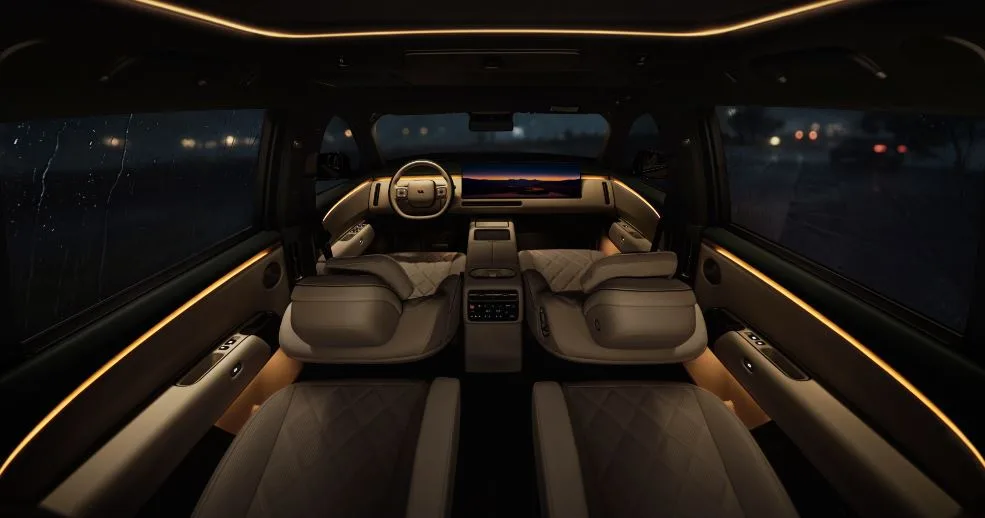
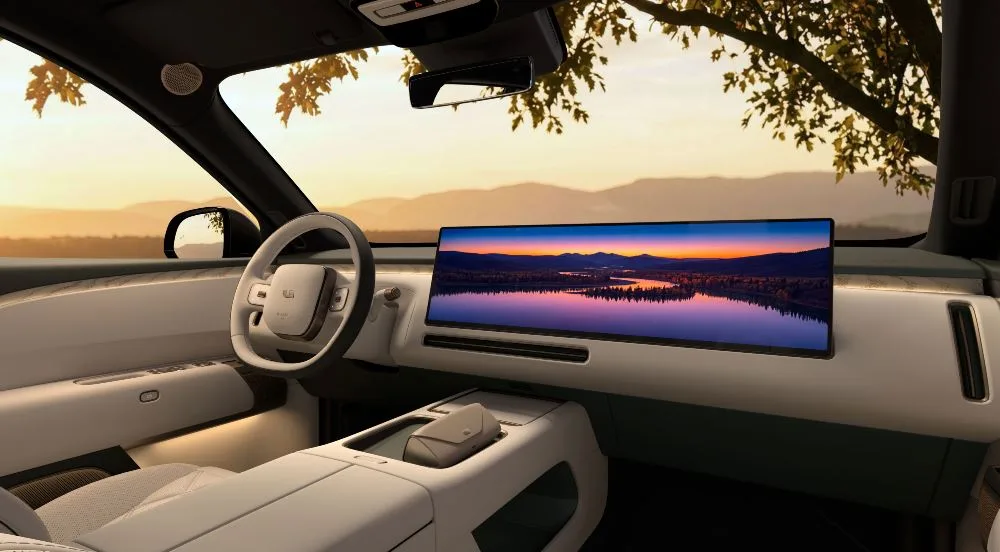
Inside, the previous dual-screen layout has been replaced by a 29-inch ultra-wide panoramic 6K display with a 92.4% screen-to-body ratio and 90Hz refresh rate.
The cabin system runs on a Qualcomm Snapdragon 8797 Elite chip with 320 TOPS of NPU computing power. A 9.3.6 surround sound system with 5,440 W output is also fitted.
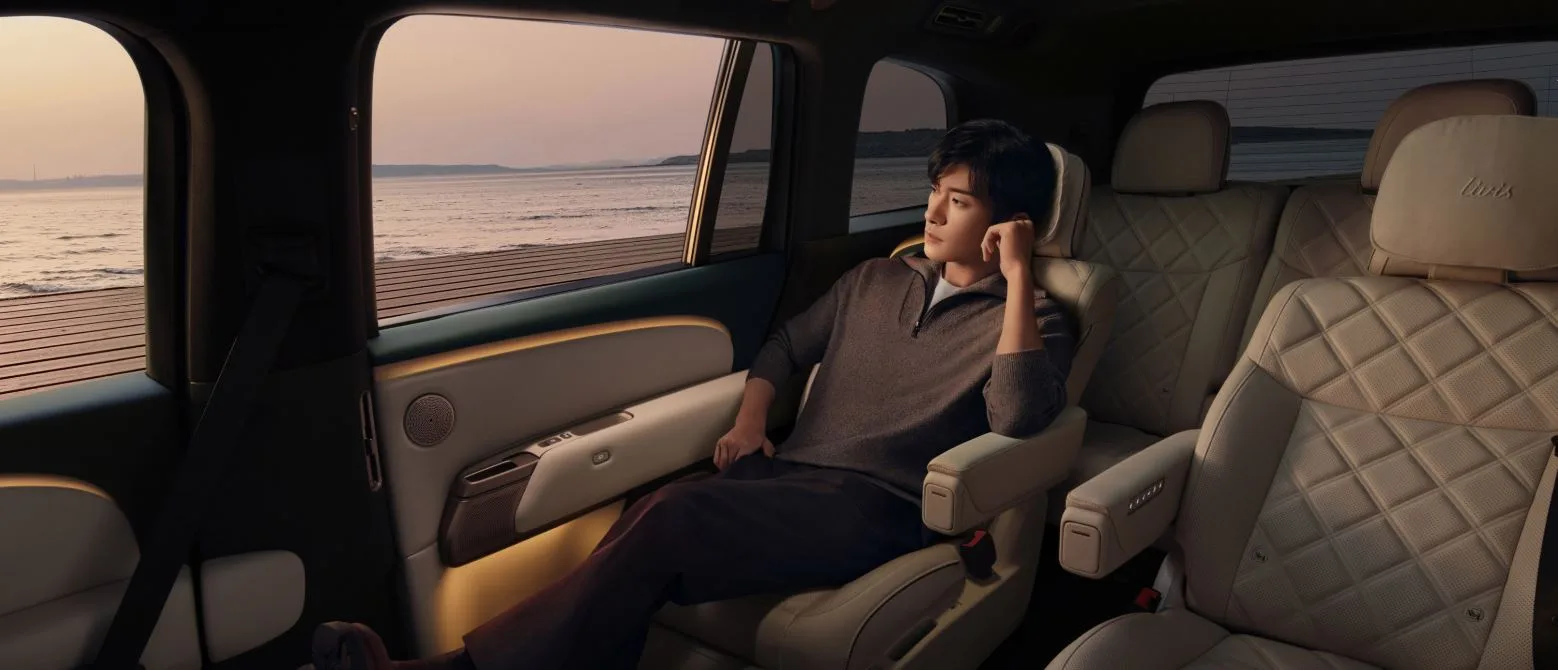
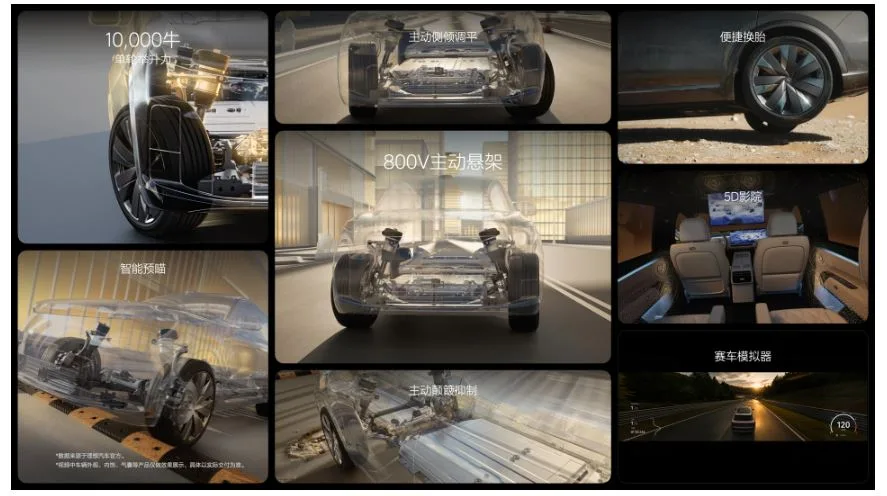
The bigger technical story remains the L9 Livis. Li Auto chairman and CEO Li Xiang said the Livis uses an 800V active suspension developed for full-size SUVs, with more than 10,000 N of single-wheel lifting force.
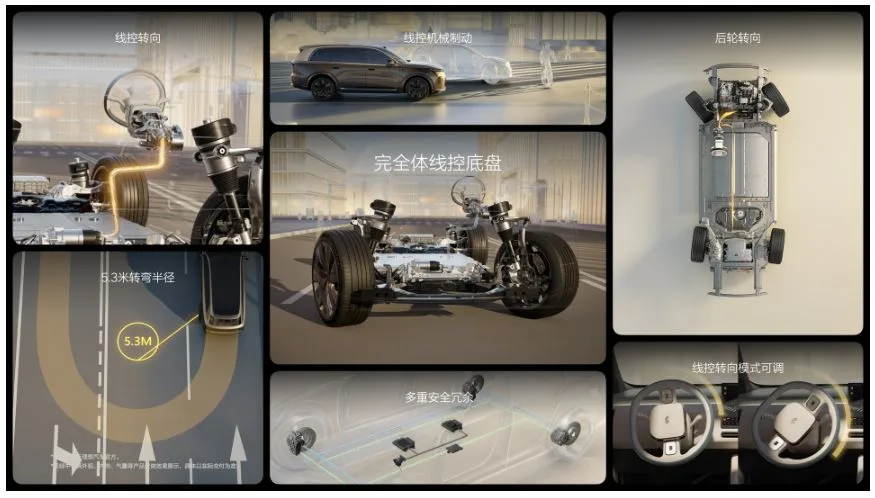
The model also gets a 5C range-extender system, a full drive-by-wire chassis, two Mach 100 chips with total computing power of 2,560 TOPS, and a new-generation cabin and smart cockpit.
The high-spec version also carries four LiDAR sensors. The two self-developed 5nm Mach 100 chips support highway and urban NOA functions, giving the L9 a far more serious assisted-driving hardware set than before.
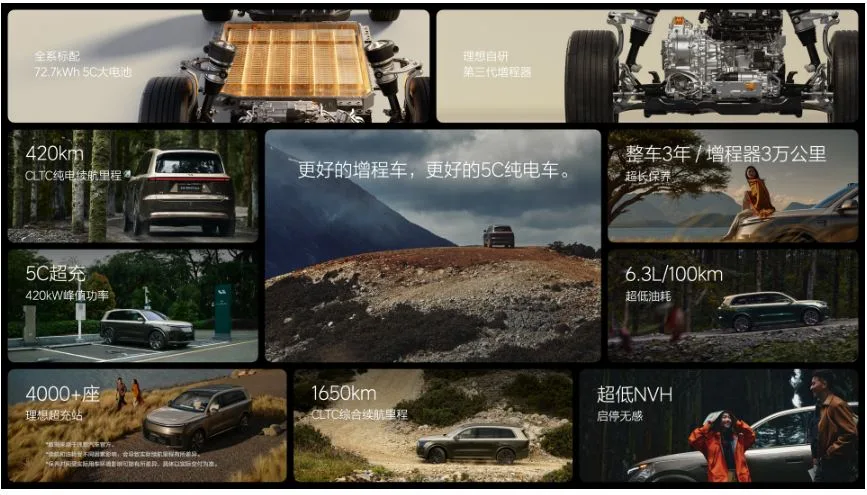
Power comes from a third-generation 1.5-litre turbocharged range extender paired with a dual-motor all-wheel-drive system. Total output is 420 kW (571 PS) and 710 Nm, with 0-100 kph completed in 4.9 seconds.
The battery pack is rated at 72.7 kWh. Li Auto quotes 420 km of pure electric range on the CLTC cycle and a combined CLTC range of 1,650 km. The L9 also supports 5C charging, with peak charging power of 420 kW and a claimed 10-80% charge time of 10 minutes. Fuel consumption with the battery depleted is rated at 6.3 litres per 100 km on the WLTC cycle.
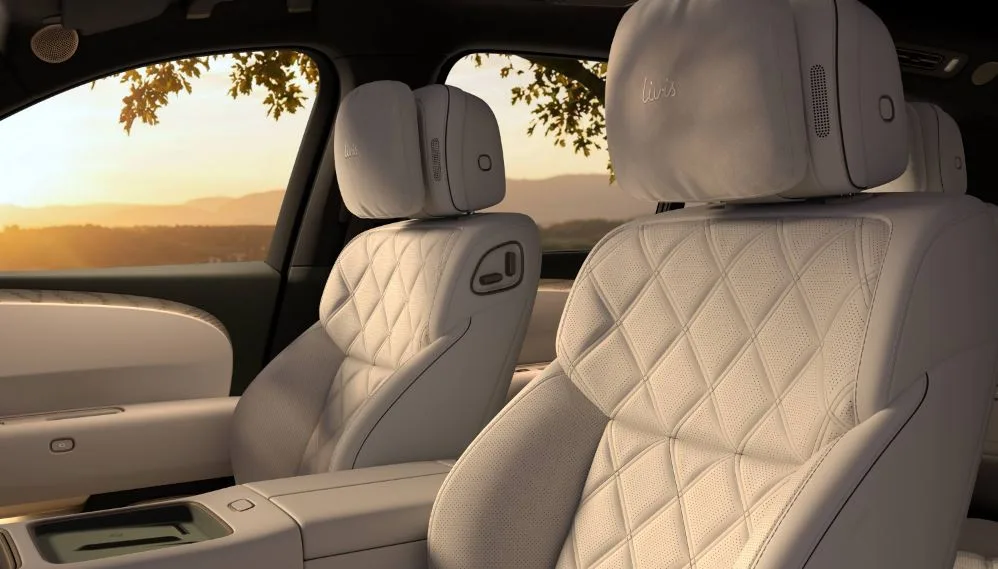
Li Auto is pitching the L9 as a family flagship rather than a pure performance SUV. The mechanical upgrades are aimed at ride control, body control, charging speed and computing power, while the cabin remains focused on space, screens and long-distance comfort.
While the Ultra remains the lower-priced flagship version, the Livis carries Li Auto’s newest chassis, suspension and computing hardware for buyers who want the most advanced version of the large EREV SUV.