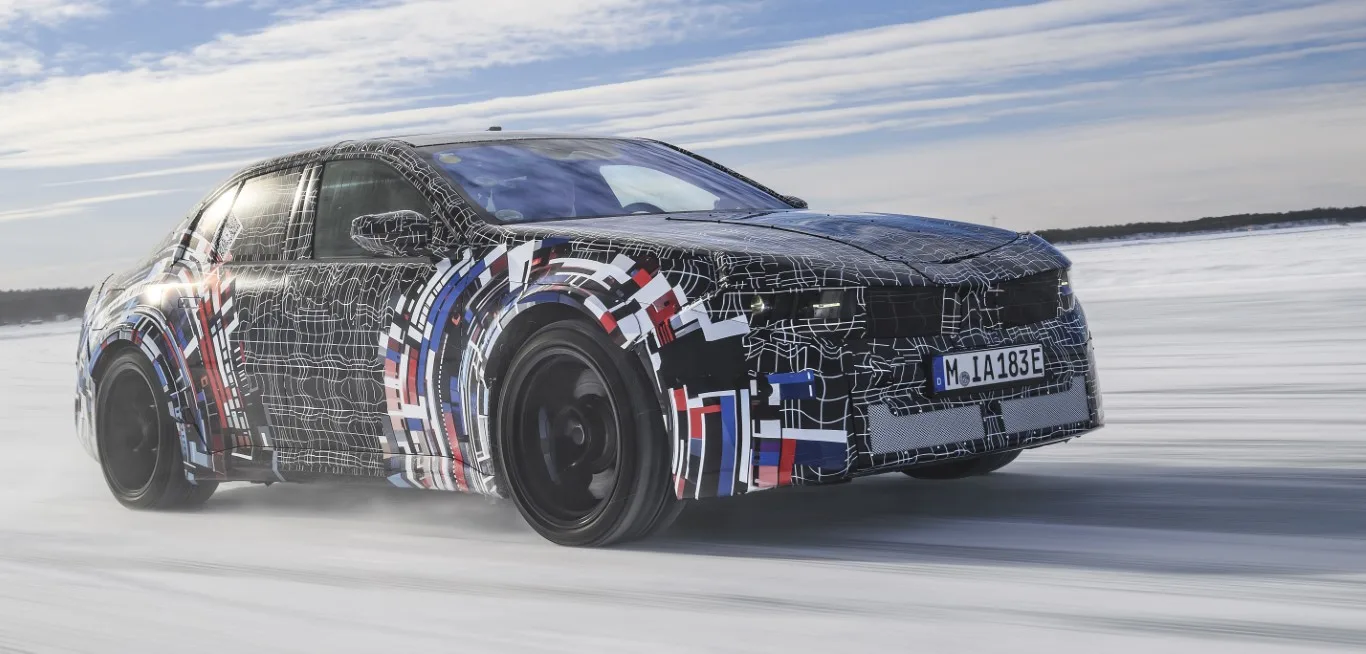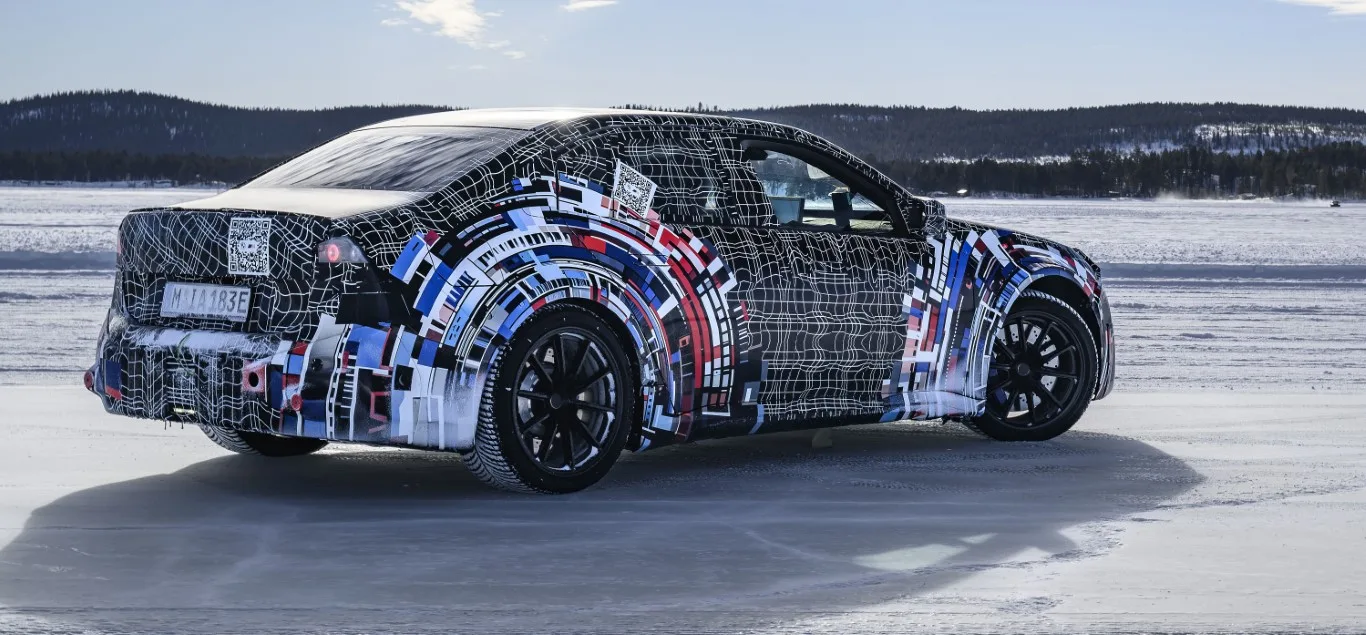


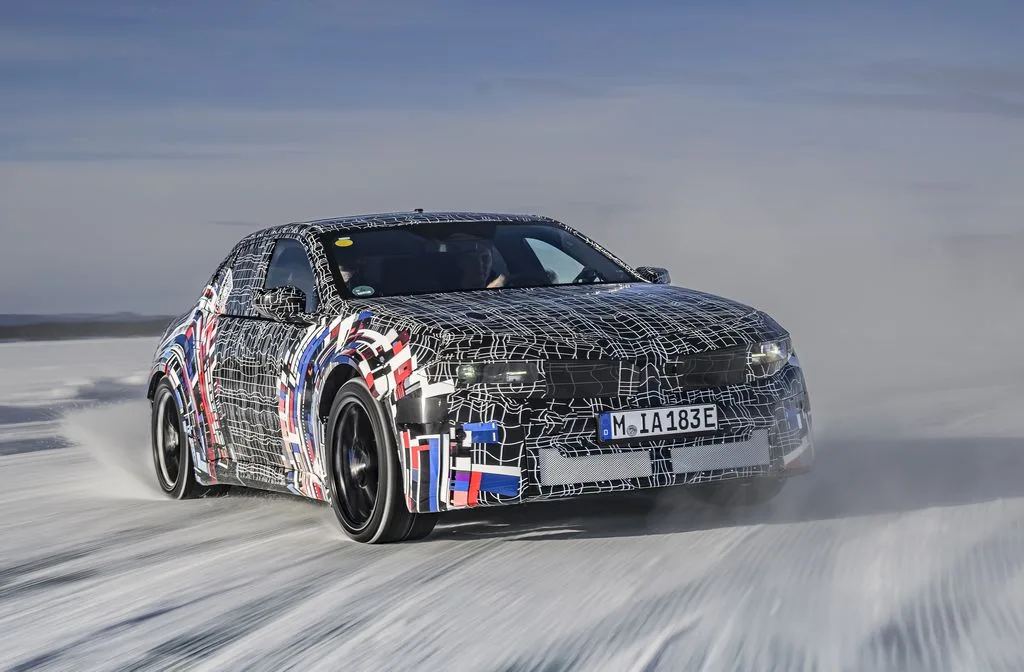
BMW M is about to go where it has never gone before. From 2027, fully electric M models are due to arrive, and that alone is a headline.
The twist is BMW is not slamming the door on combustion M cars straight away, so the old-school crowd still has a place to stand.
Either way, M boss Franciscus van Meel is betting this shift does not water down the badge, but makes it faster, sharper, and more capable than ever.
“We’re taking the BMW M driving experience to a new level,” van Meel said, promising “outstanding, racetrack-ready driving dynamics for everyday use.” Bold words, but the tech backing them up is genuinely interesting.
At the heart of this electric M future is a new architecture called BMW M eDrive, based on the company’s sixth-generation Neue Klasse platform.
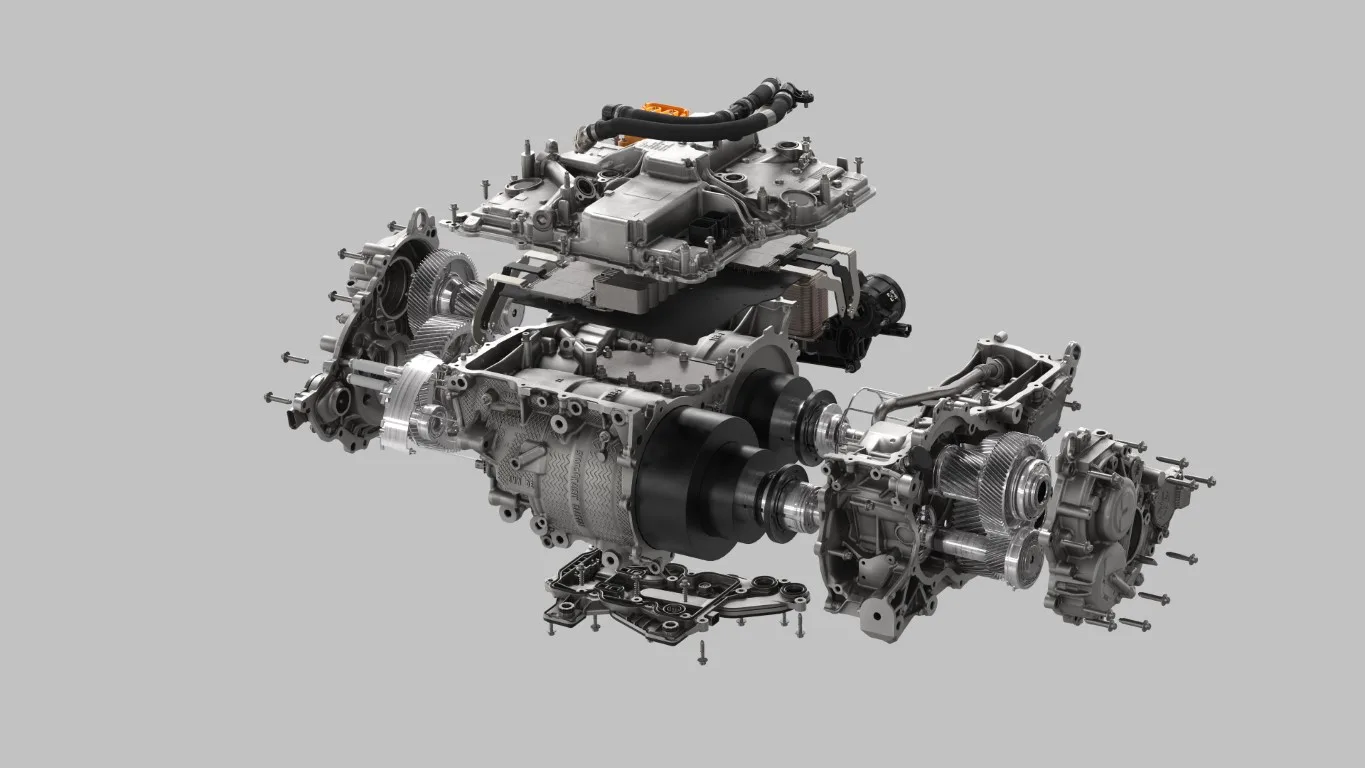
Each wheel gets its own electric motor — four in total — controlled by what BMW calls M Dynamic Performance Control. This isn’t just all-wheel drive with extra steps; it’s a system that can actively manage torque at each corner, decoupling the front axle entirely when you don’t need it.
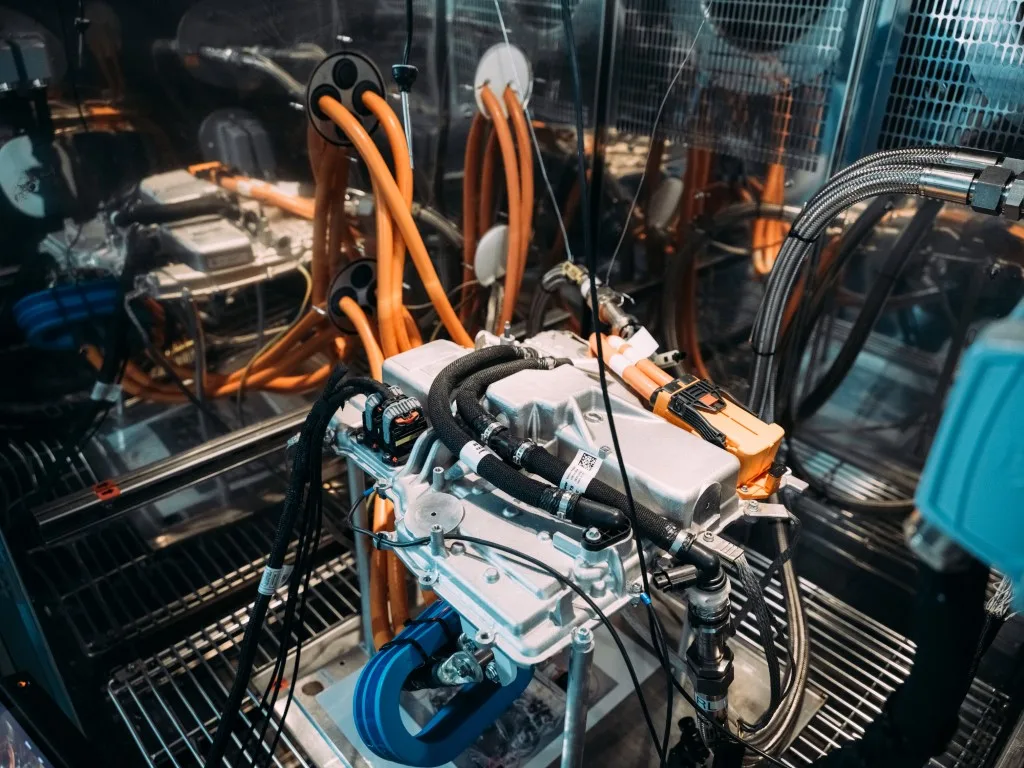
Want rear-drive dynamics for a spirited back-road blast or better highway range? Done. Need all four corners clawing at the tarmac on a soaking track day? Sorted.
The whole setup runs on 800-volt electrical architecture, which means faster charging and less heat when you’re thrashing it.
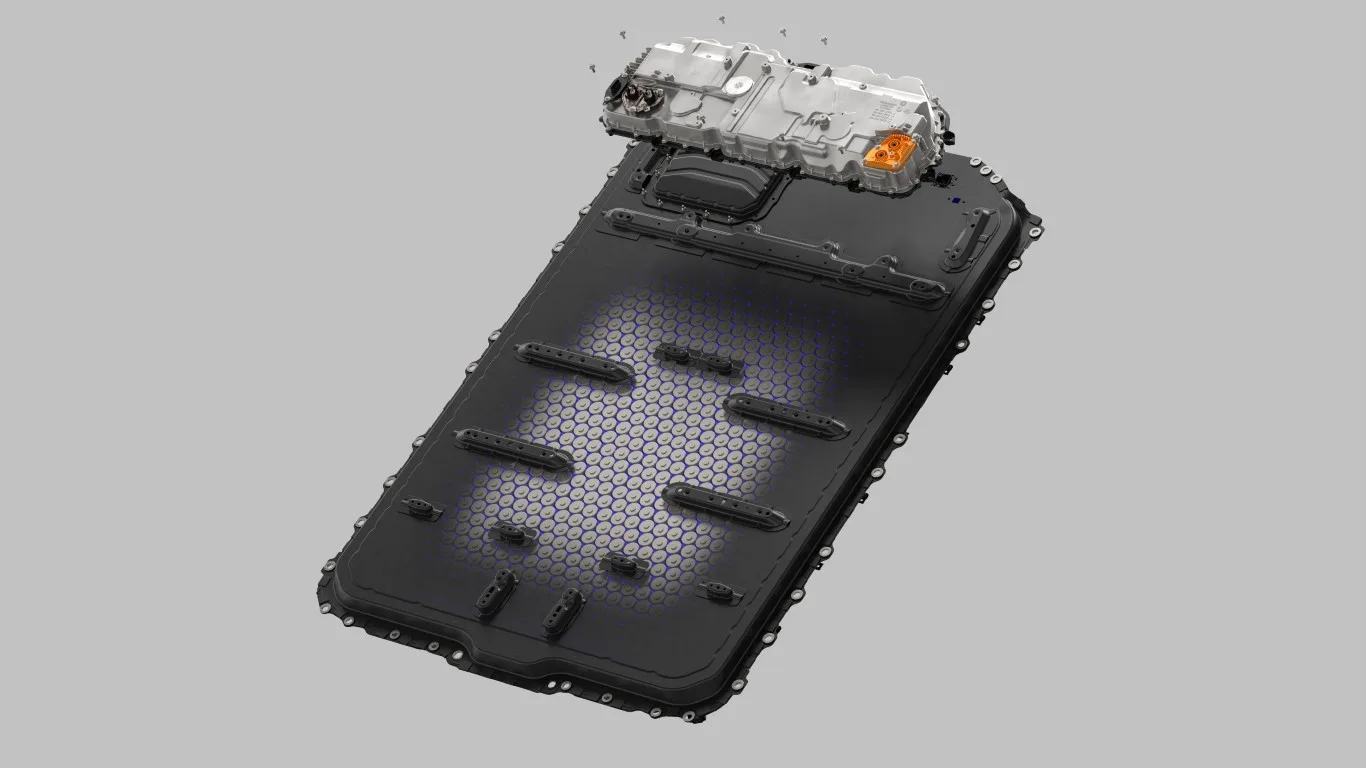
The battery itself is a monster — over 100kWh of usable capacity — built specifically to handle repeated hard use.
BMW’s calling it a “Design to Power” approach, using performance-optimised cylindrical cells with beefed-up cooling and an Energy Master controller that sits outside the battery pack to manage thermal loads.
The battery housing doubles as a structural component too, adding stiffness to the chassis. More rigidity equals sharper handling, in theory.
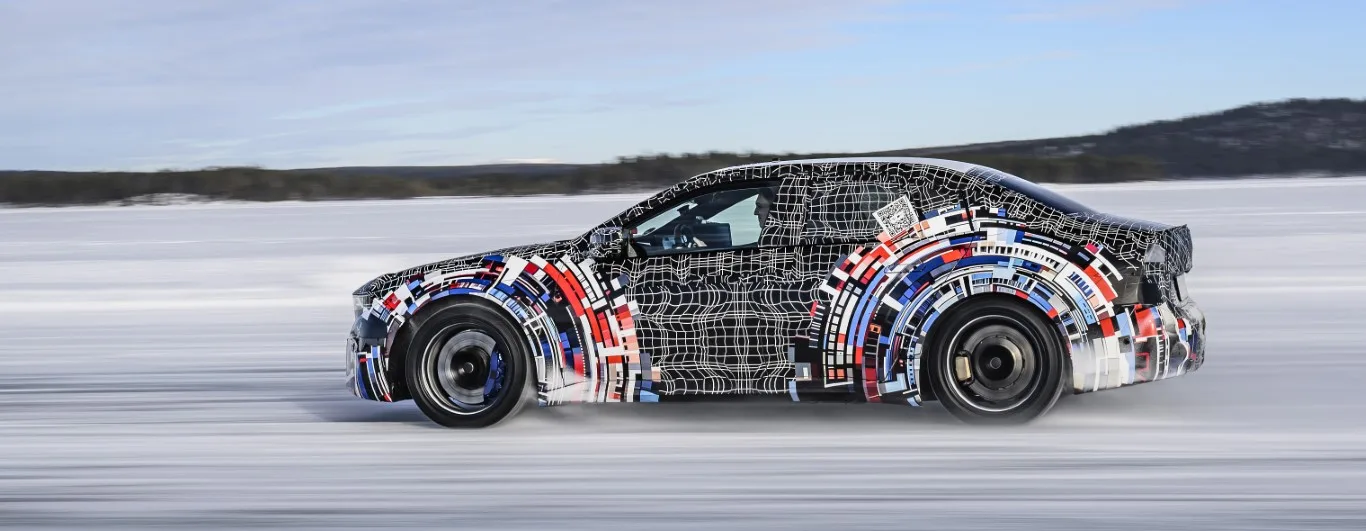
Charging performance is where 800V tech really shines.
Though BMW hasn’t quoted specific figures yet, systems like this typically allow 10-80% top-ups in well under 20 minutes at the right charger.
Range? No numbers yet, but with 100kWh on tap and aggressive energy recuperation, it should be competitive with rivals like Porsche’s electric Macan and the upcoming electric AMGs.
The driving experience won’t just be about raw acceleration, either. BMW’s programming in simulated gear shifts, a synthesised soundtrack, and various driving modes to inject some theatre into the proceedings.
Whether that’ll satisfy purists who still pine for naturally aspirated straight-sixes is anyone’s guess, but M’s engineers reckon they’ve channelled “pure emotion” into these electric machines.
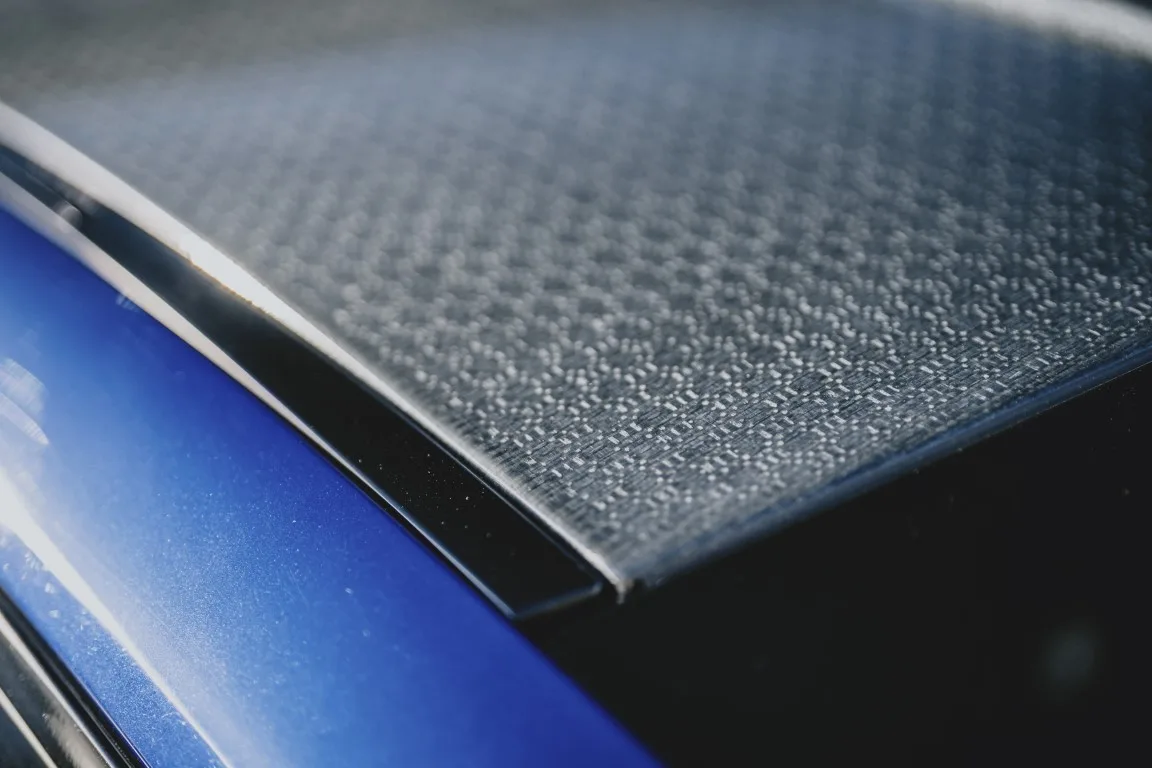
Then there’s the weight-saving tech. BMW M’s throwing natural fibre components into the mix for the first time on a production car —materials the brand’s been testing in motorsport since 2019.
These fibres apparently offer similar properties to carbon fibre but with around 40% less CO2 emissions during production. Every kilogram shed matters when you’re hauling a 100kWh battery around.
Underpinning everything is Neue Klasse’s computing architecture: four high-performance processors — BMW calls them “Superbrains” —handling driving dynamics, automated systems, infotainment, and comfort functions.
Faster data exchange means quicker reactions and smoother over-the-air updates, which should keep these cars feeling fresh years after delivery.
Will it work?
BMW M’s reputation rests on decades of precisely calibrated internal combustion engines and hydraulic steering feel.
Translating that to electric motors and torque vectoring is a massive gamble.
But with 2027 still two years out, there’s time to get it right. One thing’s certain: the Ultimate Driving Machine is going electric whether enthusiasts are ready or not.