








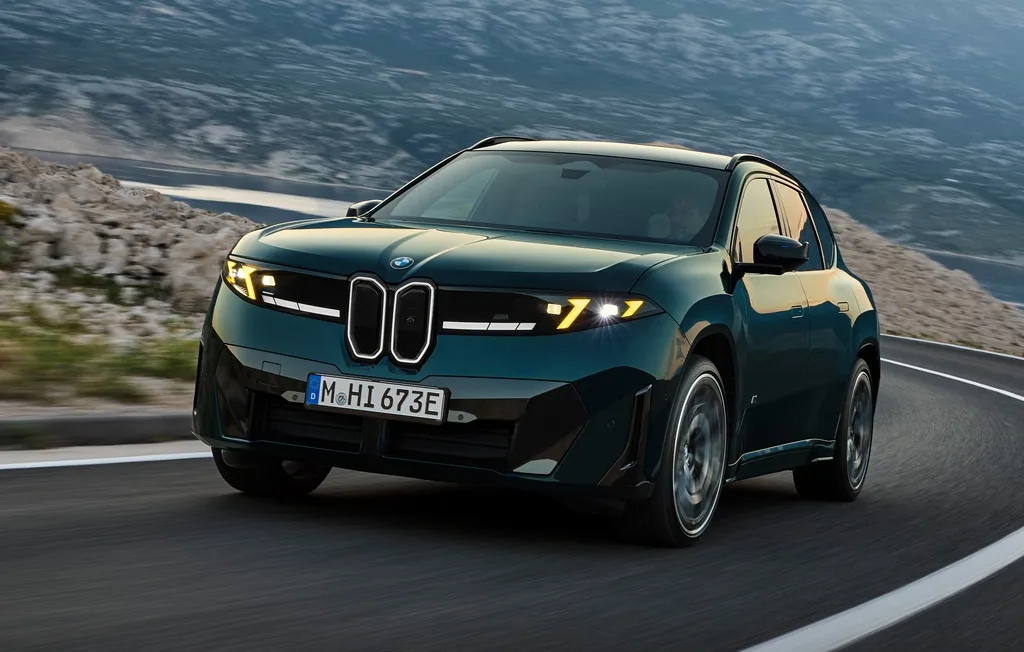
Nearly three-quarters of Americans believe an electric vehicle with no more than 120km of range would cover their daily driving needs, yet many want considerably more before considering buying one.
A BMW Group North America survey found that 73% of respondents considered 120km or less sufficient for their daily routine, while 42% wanted an EV capable of travelling at least 480km on a full charge.
Another 18% wanted at least 640km, highlighting the gap between perceived everyday requirements and expectations of an EV’s total driving range.
The survey also found that 72% considered minimum driving range a deciding factor when evaluating an EV.
Charging performance could influence purchasing decisions. Some 53% said they would be more inclined to consider an EV if it could recover approximately 240km of range in a 10-minute charging stop.
That figure rose to 70% among Generation Z respondents and 65% among Millennials.
Meanwhile, 55% considered charging times of 30 minutes or less acceptable, compared with 48% in a similar survey last year.
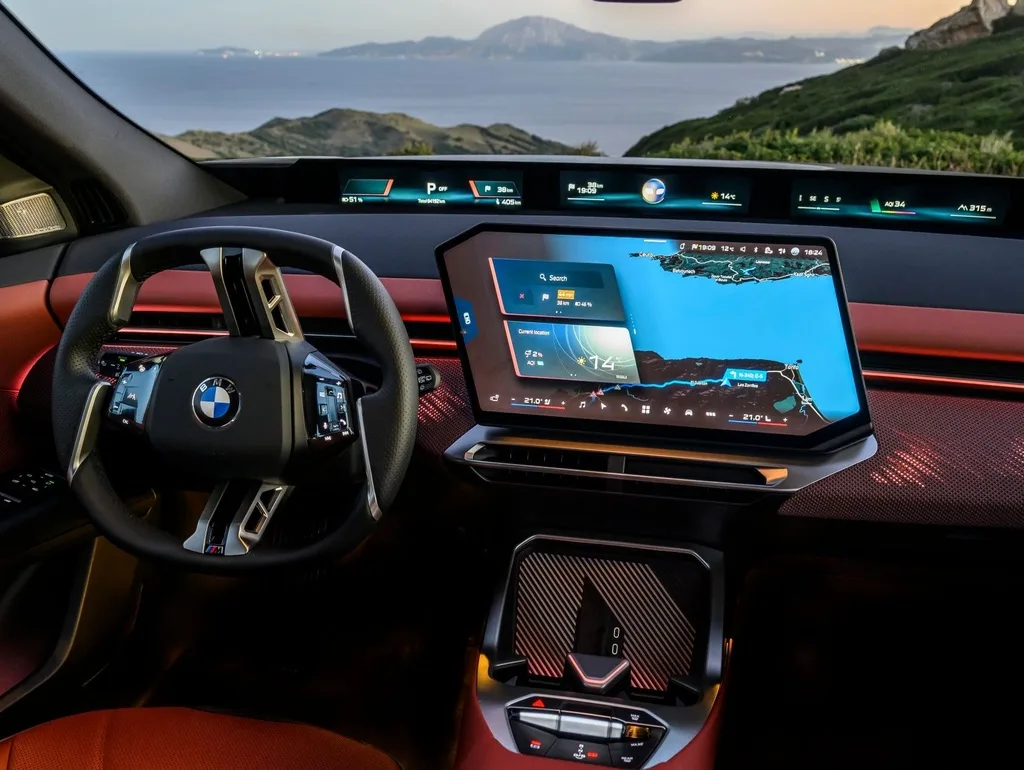
Despite improving battery technology, vehicle prices remain a major obstacle. Purchase cost was the most frequently cited barrier at 51%, followed by concerns over battery life or replacement expenses at 31%.
Charging time, driving range and public charging availability were also concerns, each cited by about a quarter of respondents.
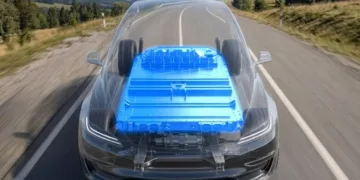
BMW said its latest iX3 could recover an estimated 300km of range in 10 minutes using an 800V DC fast charger.
The survey also found that 68% of Americans would consider an EV, while 55% were open to buying a used or certified pre-owned model if the savings were substantial.
Conducted online by research firm Big Village from Sept 11 to 13, the survey involved 1,005 US adults aged 18 and above, with results weighted to represent the country’s adult population.