




China will put two mandatory electric vehicle safety standards into force on July 1, state-owned Economic Information daily reported, tightening rules for complete vehicles and traction batteries as new energy vehicles account for a growing share of the country’s car market.
The two standards are GB 18384-2025, covering electric vehicle safety, and GB 38031-2025, covering traction battery safety for electric vehicles. Together, they mark one of China’s clearest moves yet to harden safety rules around high-voltage systems and battery fire risk.
The vehicle rule introduces a physical “one-touch power-off” requirement. In practice, an EV must be able to physically disconnect the high-voltage circuit between the vehicle or drive system and the rechargeable energy storage system.
The key change is that the cut-off can no longer rely mainly on software control.
The function must be accessible when the vehicle is stationary and not being charged or discharged, with the driver able to trigger it through a single action such as a tap or long press.
The point is emergency response. A physical disconnect gives rescuers and technicians a clearer path when dealing with a crashed or faulty EV.
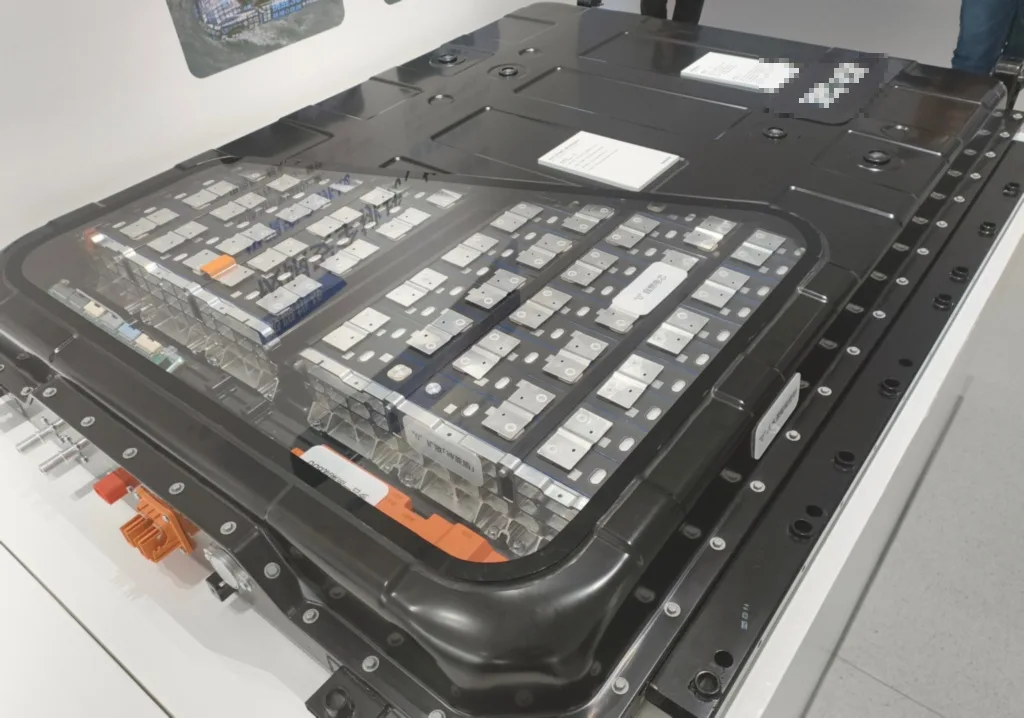
The battery rule goes further on thermal safety. Earlier requirements focused on giving a warning at least five minutes before fire or explosion.
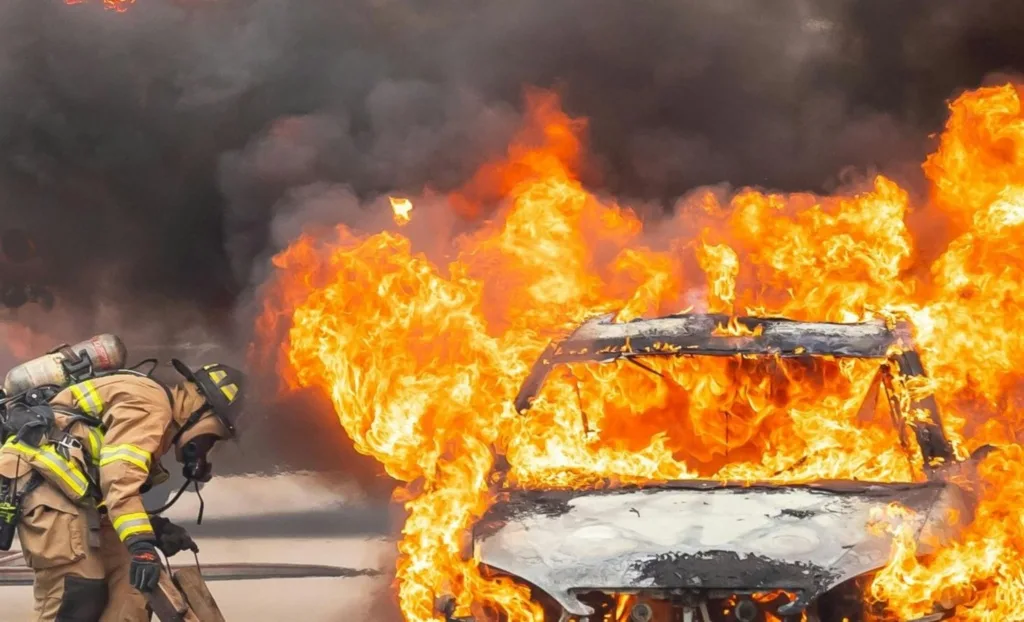
The new standard moves the bar to “no fire, no explosion”, while still requiring warning signals. It also states that smoke must not harm occupants.
China is also adding tougher test conditions. The revised battery standard includes a bottom-impact test to assess protection against underbody strikes, and a fast-charging durability test.
After 300 fast-charging cycles, the battery must still pass an external short-circuit test without fire or explosion.
China is no longer regulating a niche market. In May alone, the country built 1.554 million new energy vehicles and sold 1.496 million, giving them 56.9% of all vehicle sales. By end-2025, China had 43.97 million new energy vehicles on the road.
Industry watchers expect the rules to favour stronger manufacturers and squeeze out weaker low-cost products. They could also help used-EV valuation, insurance assessment and battery repair standards.
CATL chief scientist Wu Kai said China’s NEV spontaneous combustion rate could fall to one-tenth that of petrol vehicles once the new rules are fully implemented. CATL and BYD have already said their latest battery products meet or exceed the new requirements.
There may be a cost impact. Analysts cited in China expect compliant post-July models to face higher battery costs, although final showroom pricing will depend on each carmaker’s margin room and pricing strategy.