







The electric BMW iX5 is the one to watch in the new X5 range, although petrol and diesel versions will get out of the gate first.
BMW has revealed the fifth-generation X5, and the big shift is not just design, screens or another round of luxury-SUV muscle.
For the first time, one BMW model family will cover five drivetrain types: petrol, diesel, plug-in hybrid, battery electric and, later, hydrogen fuel cell.
The first new X5 variants are due to launch in late November 2026. The all-electric iX5 and plug-in hybrid versions will follow in early 2027.
Production starts earlier, with BMW Group Plant Spartanburg in South Carolina beginning series production in August 2026.
The iX5 will be the first battery-electric BMW X5 and the first fully electric BMW to be built at Spartanburg.
BMW said the iX5 60 xDrive uses sixth-generation eDrive technology, an 800V electrical architecture and new 120mm cylindrical battery cells.

Provisional WLTP range is up to 845km, depending on equipment. BMW also claims a provisional maximum DC charging rate of 460kW, with a 10-minute stop adding up to 350km of range at suitable chargers.
The X5 is no longer just BMW’s big luxury SUV. It is now a showroom for almost every powertrain BMW still believes in.
The hydrogen version comes later. The BMW iX5 Hydrogen will use a third-generation fuel cell system co-developed with Toyota,
BMW Hydrogen Flat Storage and a high-voltage battery. BMW is targeting up to 750km of range, although final WLTP figures are not available because the model is still in development.
The rest of the X5 range is not being left behind. Petrol and diesel models continue with 48V mild hybrid assistance, while the plug-in hybrid models pair petrol engines with electric drive.

BMW said the X5 50e xDrive produces 360kW, while the X5 M60e xDrive raises that to 460kW.
Visually, the new X5 takes cues from the Neue Klasse design language without turning into a full design experiment.
The front is more upright, the grille can be fitted with BMW Iconic Glow, and the new double-X light signature appears for the first time on a BMW.
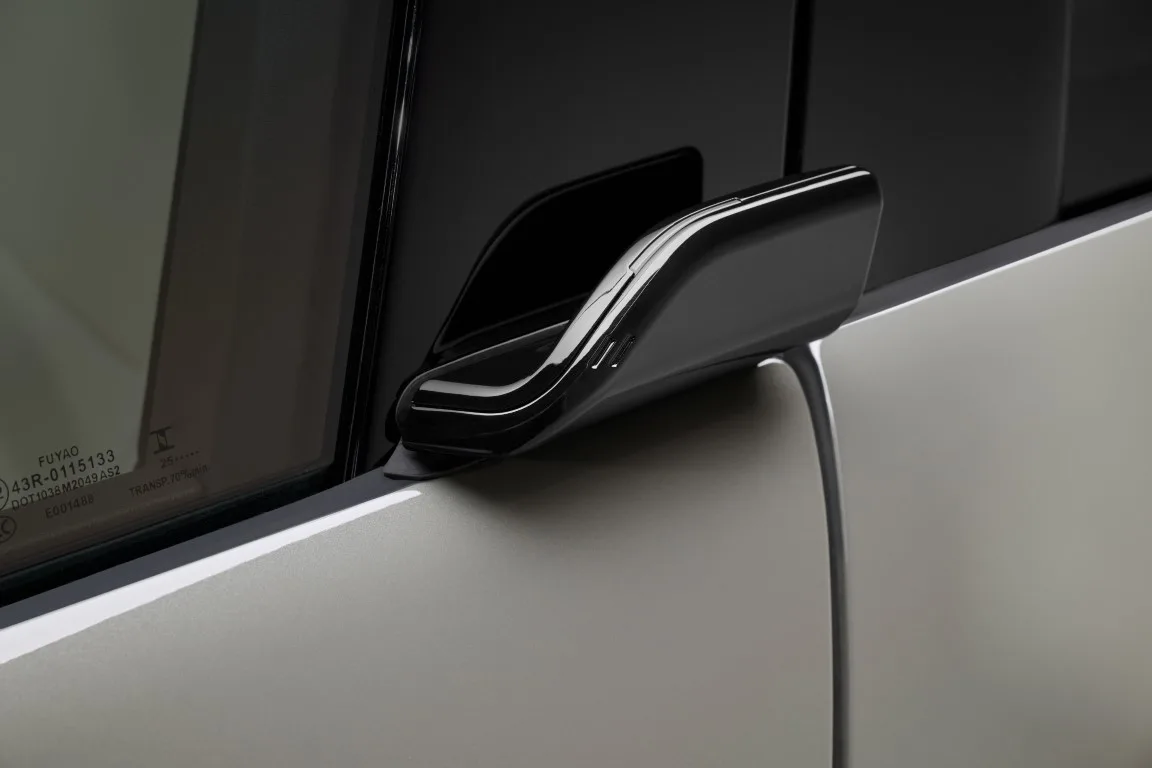
There are also recessed BMW Winglet door handles, 11 exterior colours and wheels of up to 23 inches.
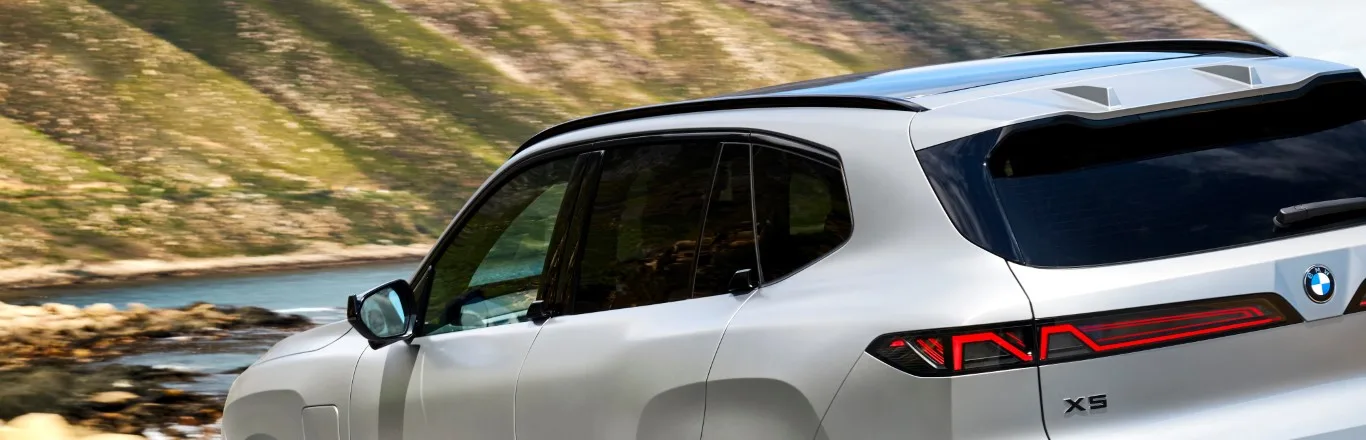
BMW has done away with the old split tailgate. It may be a cost decision, or it may have been done to give the new X5 a cleaner rear profile and better aerodynamics for the electric iX5.
Inside, BMW has gone heavy on digital hardware.

The new X5 gets BMW Panoramic iDrive with Operating System X, BMW Panoramic Vision across the lower windscreen, a free-cut central display, 3D Head-Up Display, optional passenger screen and a new multifunction steering wheel. BMW is also offering slate trim, which it said is a first for any carmaker.
Underneath, adaptive suspension is standard. Adaptive Chassis Control and Adaptive Chassis Control Professional with roll stabilisation will be available, with the latter initially offered for all-electric and plug-in hybrid models.
The iX5 and iX5 Hydrogen also get BMW’s Heart of Joy control unit, which links drive and chassis systems and enables the new BMW Soft-Stop function.
Spartanburg is a big part of this story.

BMW has completed a US$1.7 billion (RM7 billion) investment in South Carolina, covering the expansion of Plant Spartanburg and the construction of Plant Woodruff, which will assemble high-voltage batteries for future electric BMWs.
BMW said it will assemble at least six fully electric models in the United States by 2030.
Plant Spartanburg has built more than 7.3 million BMW vehicles since 1994 and remains the global home of BMW X models.
In 2025, it assembled 412,799 X models, with about half of current production exported to nearly 120 countries. It will also become the first BMW plant able to build one model line with five drivetrain technologies on the same assembly line.

BMW also unveiled a new “Home of X” sculpture outside the BMW Zentrum in South Carolina.
Designed by BMW Group’s Designworks studio, it turns the X logo into an illuminated walk-through landmark on a base shaped like the United States.
Spartanburg builds BMW’s X models. The sculpture makes sure nobody misses the point.