





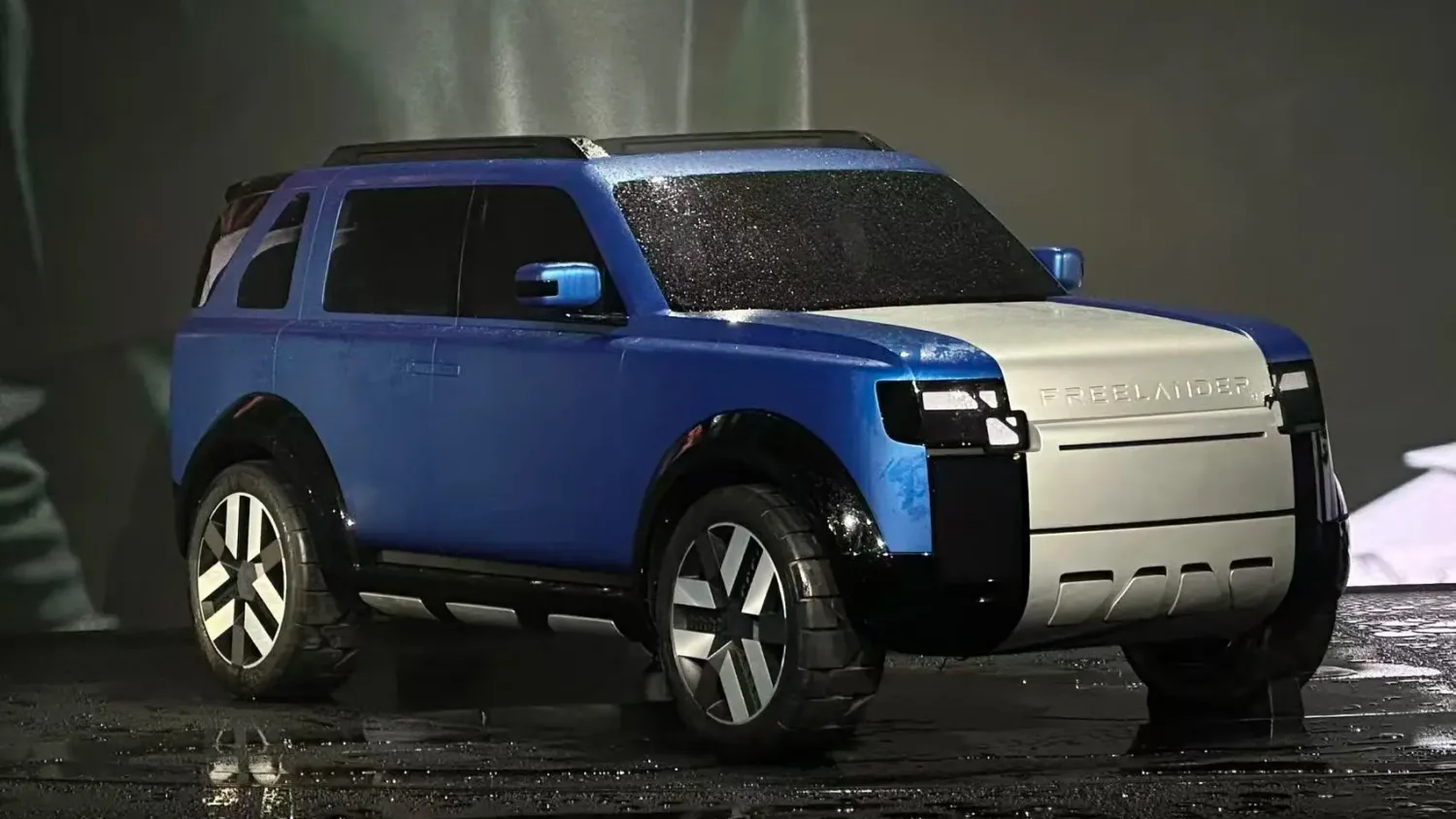
Freelander is back, but not as a Land Rover model line.
Jaguar Land Rover and Chery have revived the old name as a standalone electrified SUV brand, with the first concept shown in Beijing ahead of Auto China and a wider overseas push already in the works. Europe is part of that plan.
The new brand sits under the Chery-JLR partnership in China. Its global headquarters is in Shanghai, while design and development work is shared across JLR’s Gaydon base, a Shanghai design centre, a Suzhou research institute and the Changshu manufacturing base.
All models are set to be jointly designed by the Gaydon and Shanghai teams.
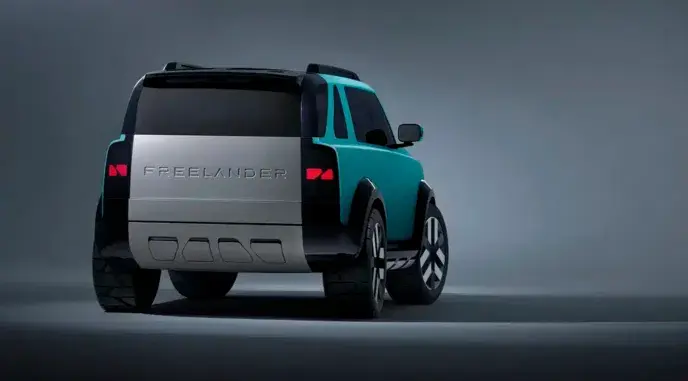
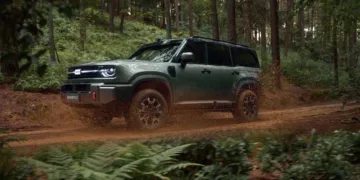
The first vehicle previewed is the Concept 97, named after the year the original Freelander made its debut.
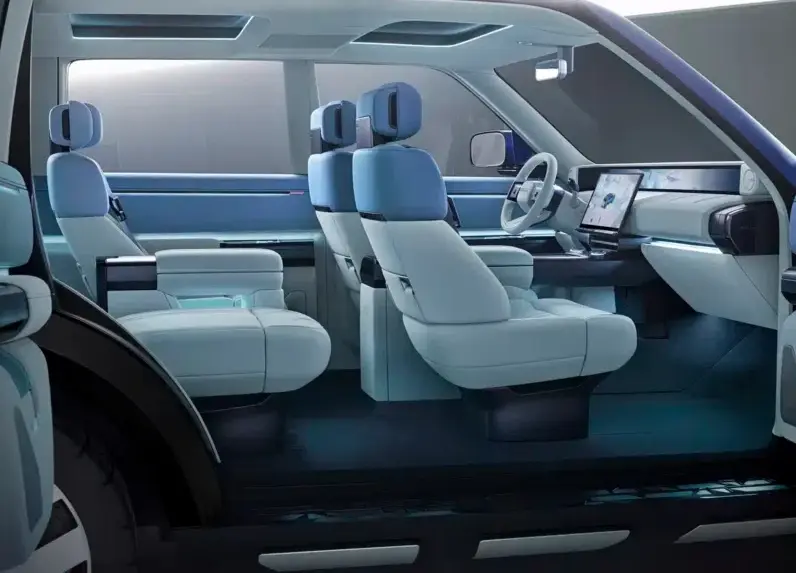
It is a large, boxy SUV with clear visual links to Land Rover’s past, including a diagonal C-pillar treatment and upright proportions that nod to both the old Freelander and today’s tougher Defender-like look.
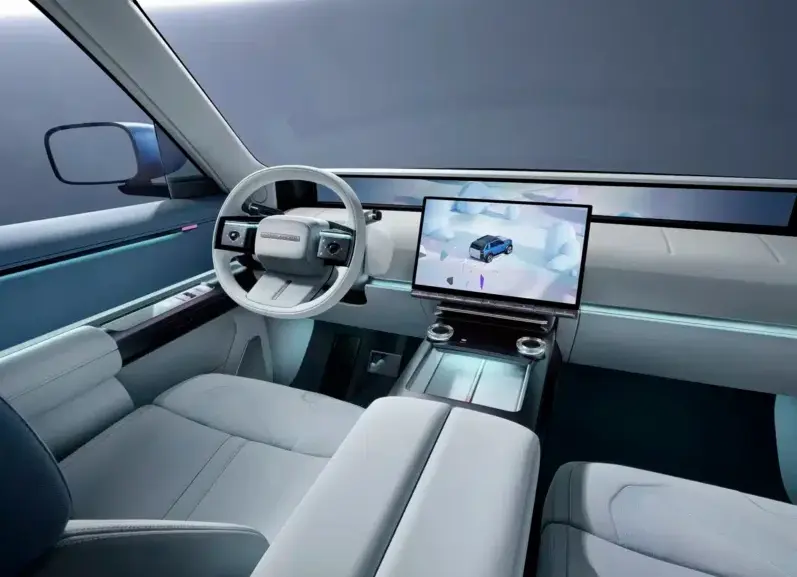
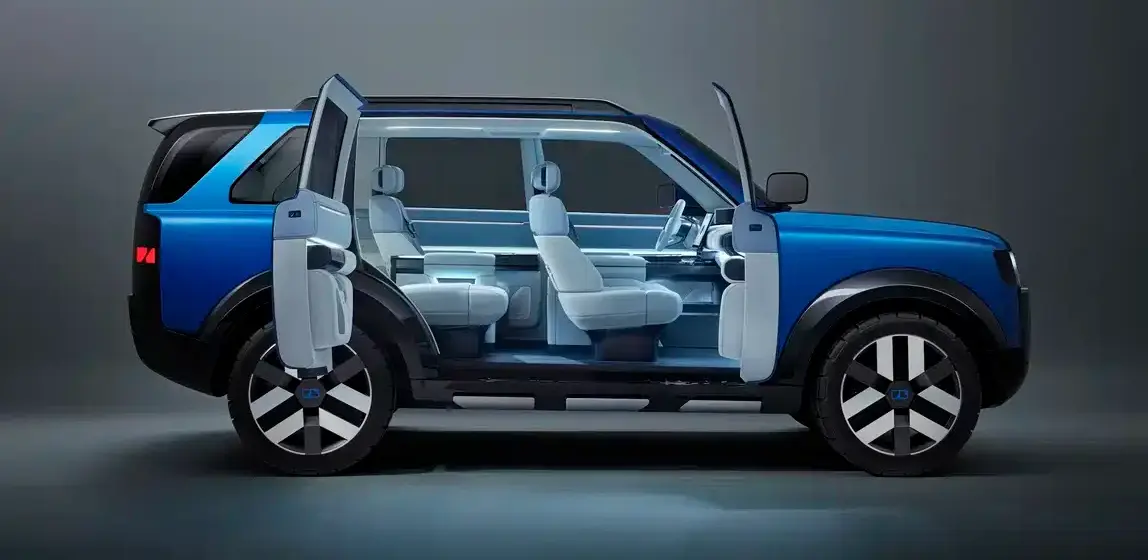
Autocar reported that the production version is expected to stay fairly close to the concept, apart from show-car touches such as the pillarless layout and reverse-opening rear doors.
Mechanically, the new line is being pitched as far broader than a single EV launch.
The Freelander range is due to sit on an 800V architecture and support battery-electric, plug-in hybrid and range-extended powertrains.
The first model, set to launch in the second half of this year, is expected to use Huawei’s latest Qiankun driver-assistance system, Qualcomm’s Snapdragon 8397 chip and CATL battery technology.
Changshu is a key part of the story. The new Freelander line is set to replace Discovery Sport and Range Rover Evoque production there. The plant built its final combustion-powered Evoque today.
Freelander chief executive Wei Lan said export versions are being developed as market-specific products rather than simple China-market carryovers. He also said prototypes have already undergone extensive testing in Europe and are being engineered to meet Euro NCAP safety standards.
Freelander officials are planning to build a six-vehicle line-up over the next five years.
If that pace holds, this will quickly become more than a nostalgic name revival. It would be a serious new SUV brand with sales ambitions well beyond China.