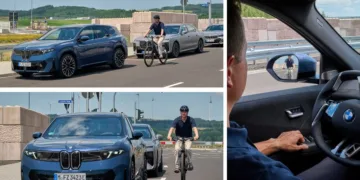






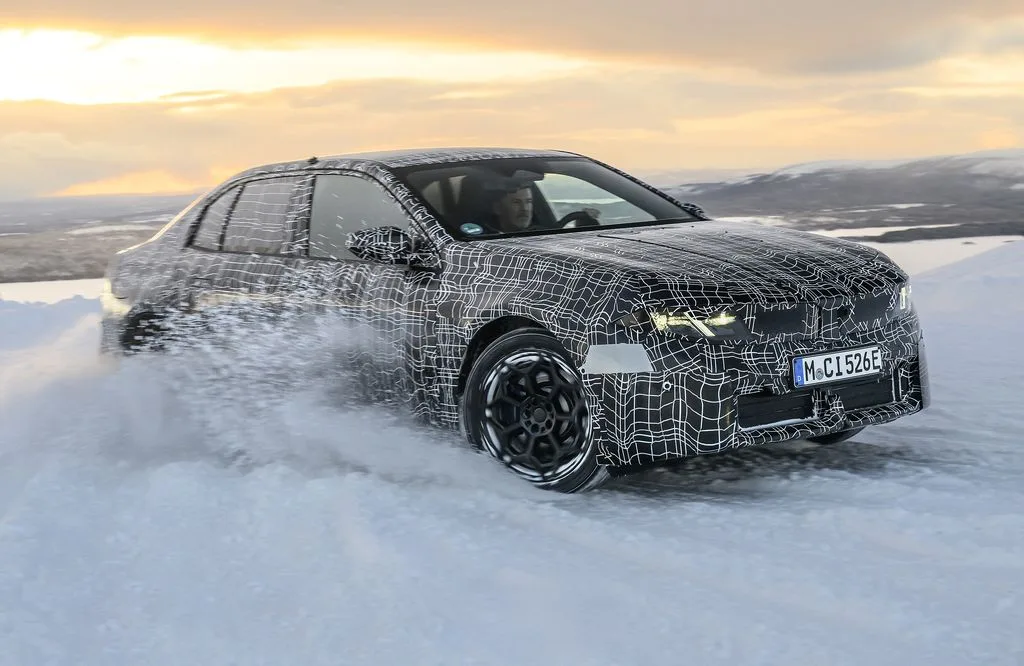
BMW is starting to show more of what its next electric saloon will be about, and the message is fairly familiar: keep the 3 Series sporting spirit, then layer in a lot more software, processing speed and EV hardware.
The new fully electric BMW i3, part of the Neue Klasse family, is now in final winter testing at Arjeplog in Sweden ahead of its design debut on March 18.
BMW said production of the i3 50 xDrive starts in the second half of 2026, with Gen6 eDrive, 800-volt architecture, up to 400kW charging, 345kW and 645Nm.
The bigger engineering claim centres on BMW’s new “Heart of Joy”, one of four so-called superbrains in the Neue Klasse architecture.
BMW said this control unit handles the powertrain, braking, some steering functions and recuperation, with responses ten times faster than before.

That sounds impressive on paper, and maybe it is, but it is still BMW describing its own system in ideal conditions. Until independent testing happens, phrases such as “quantum leap” and “new standards” remain marketing language, not settled fact.
Still, the cold-weather programme does matter.
Low-grip roads and frozen lakes let engineers tune how the motors, stability systems and chassis work together when traction is limited.
BMW claimed the i3 stays precise and easy to control near the limit, while also improving efficiency through more effective recuperation, even in corners.
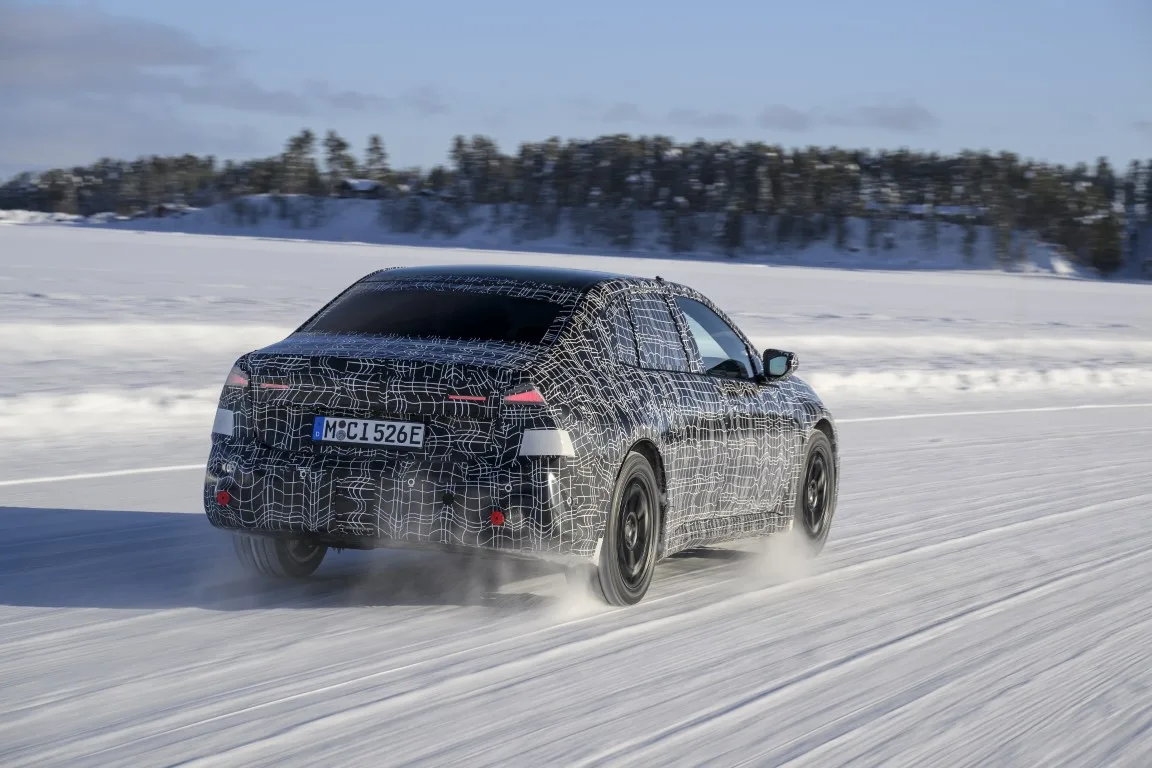
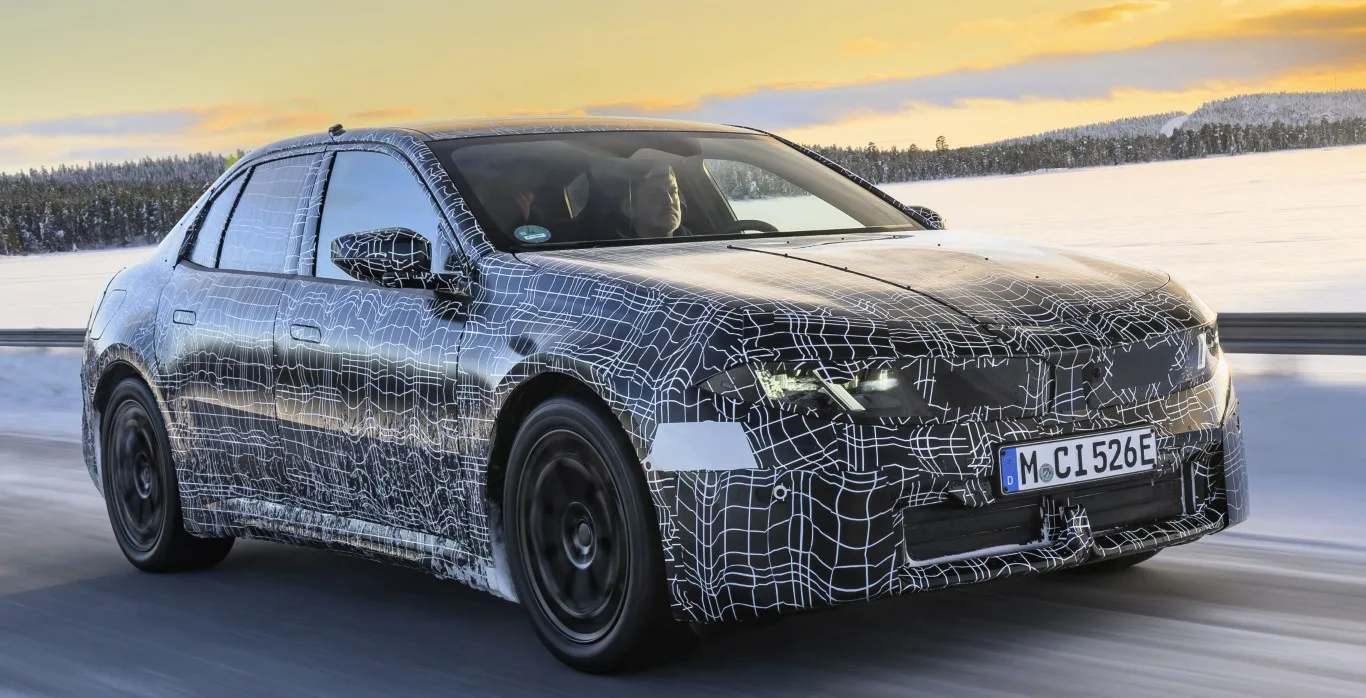
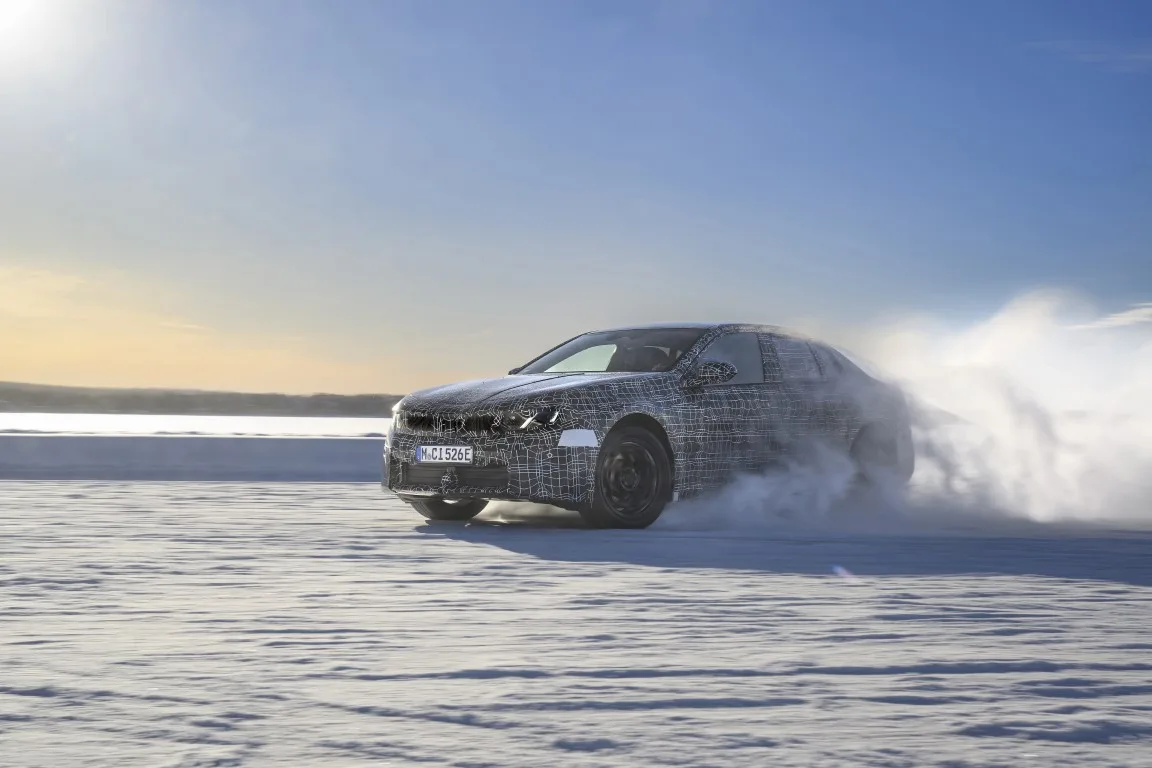
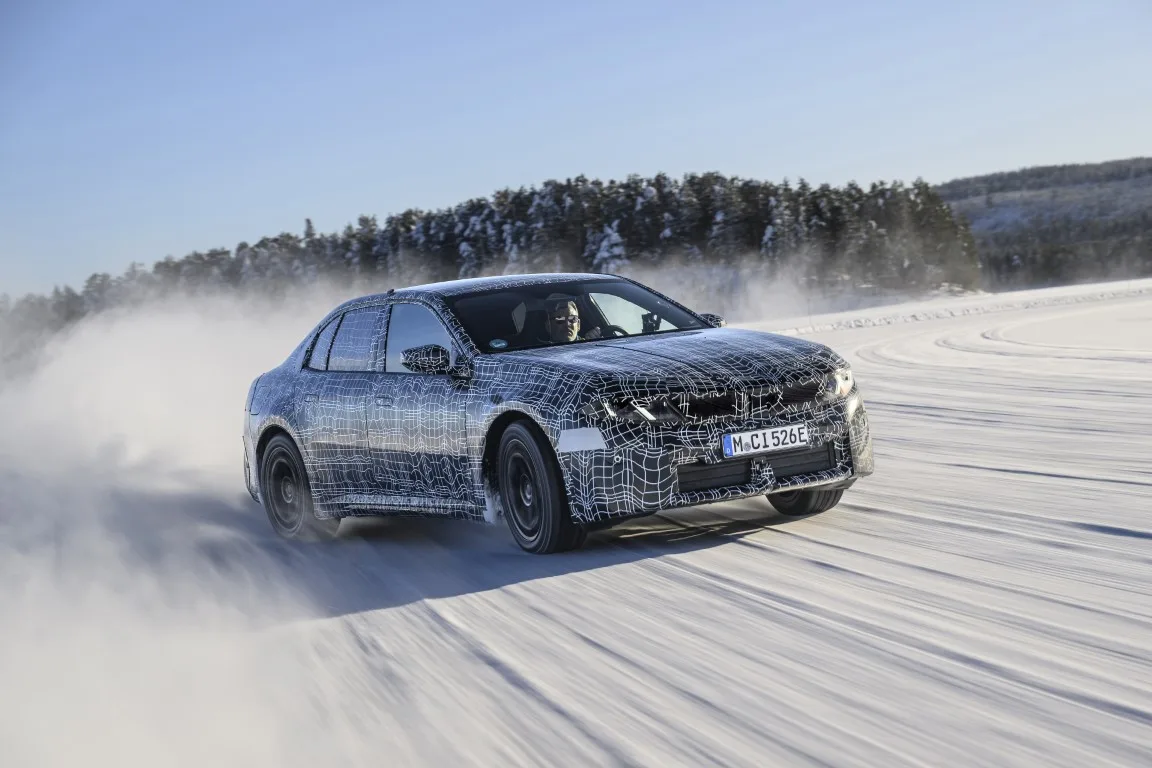
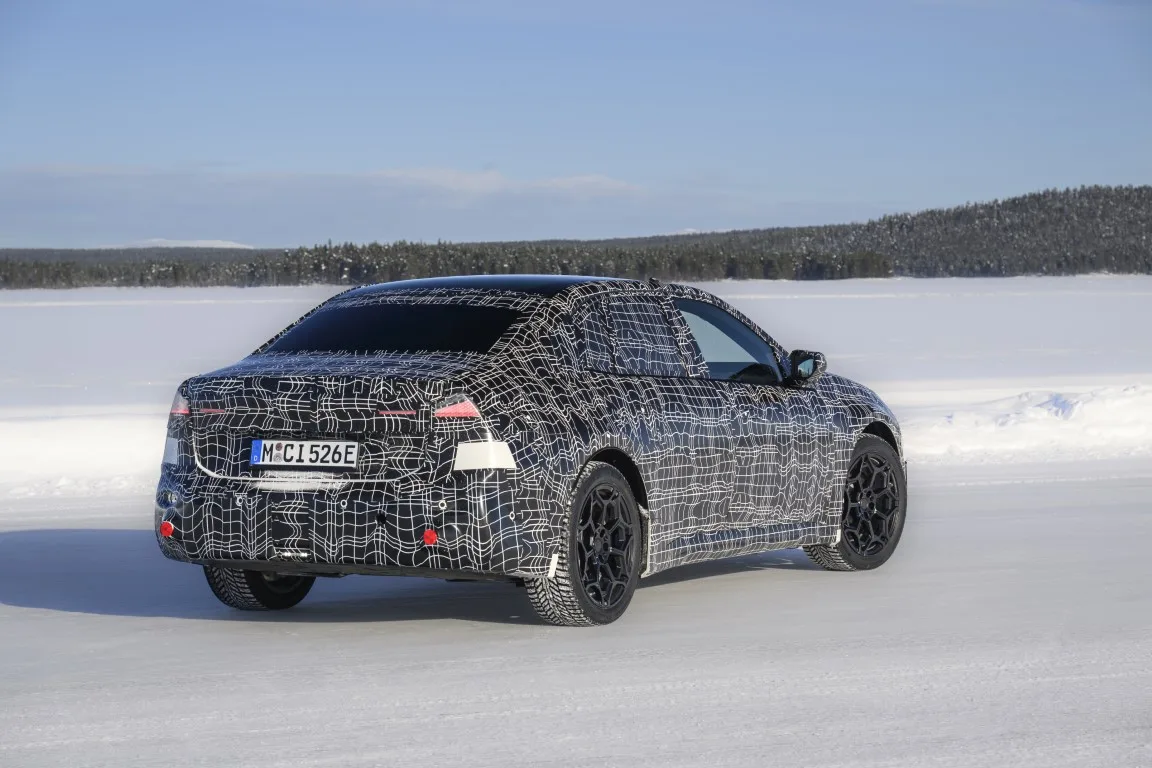
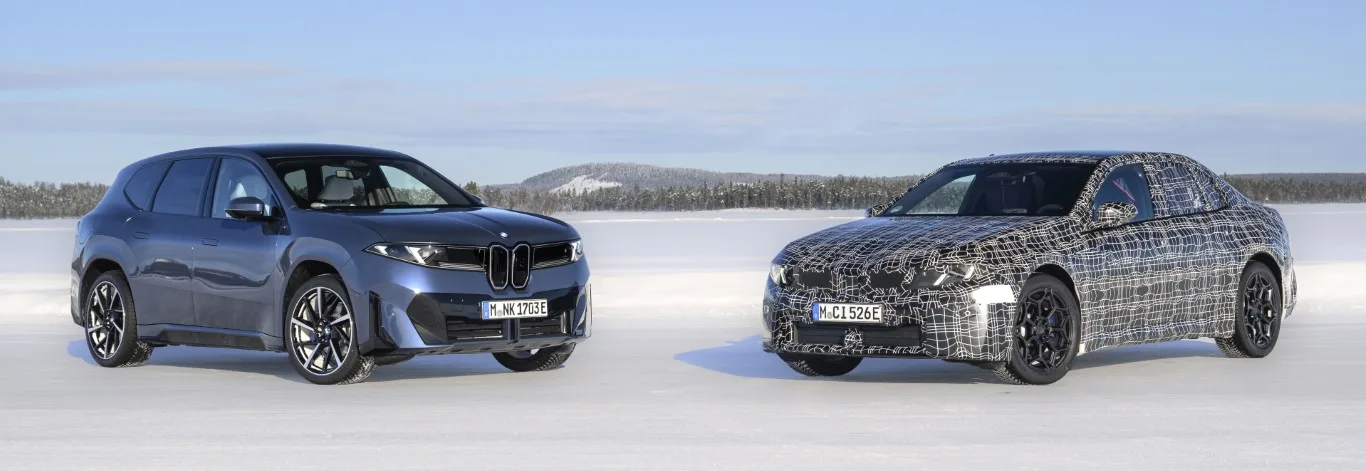
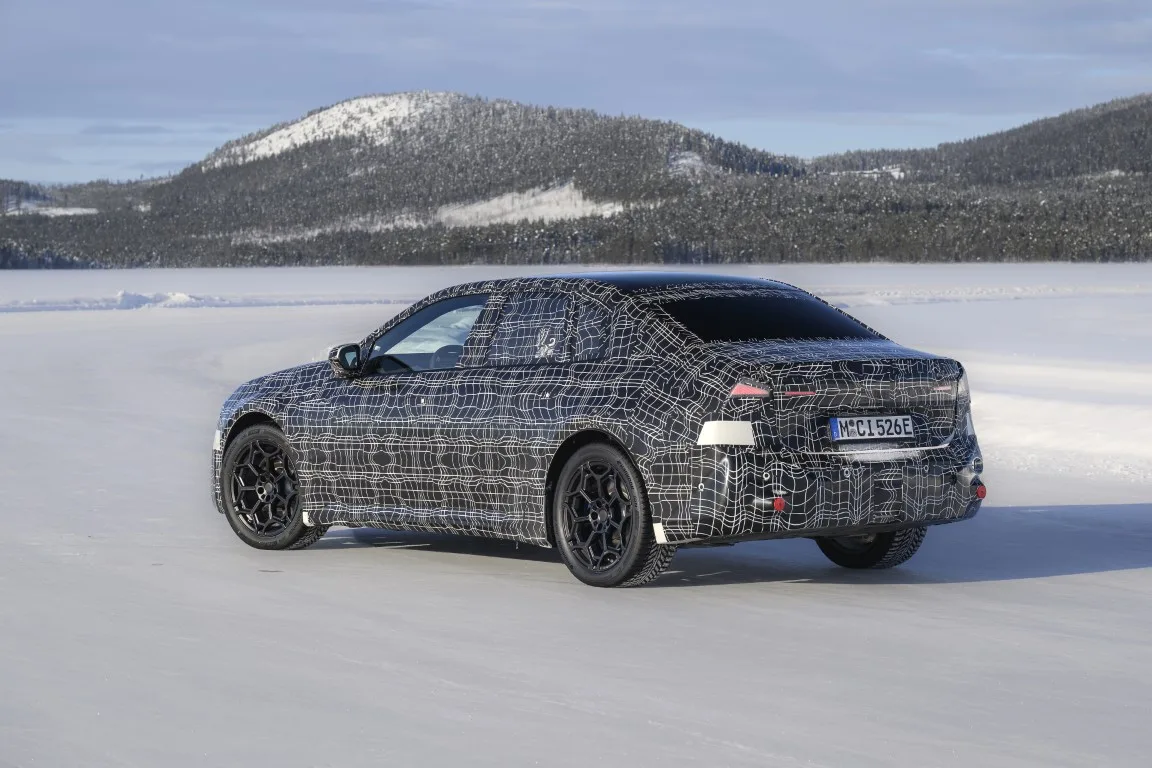





It also said the new Soft-Stop function delivers the smoothest stopping behaviour yet in a 3 Series-sized BMW, without jerks or brake noise. That is a bold promise for a car leaning heavily on software to shape the driving feel.
Away from the car itself, BMW also wanted attention on the factory floor.
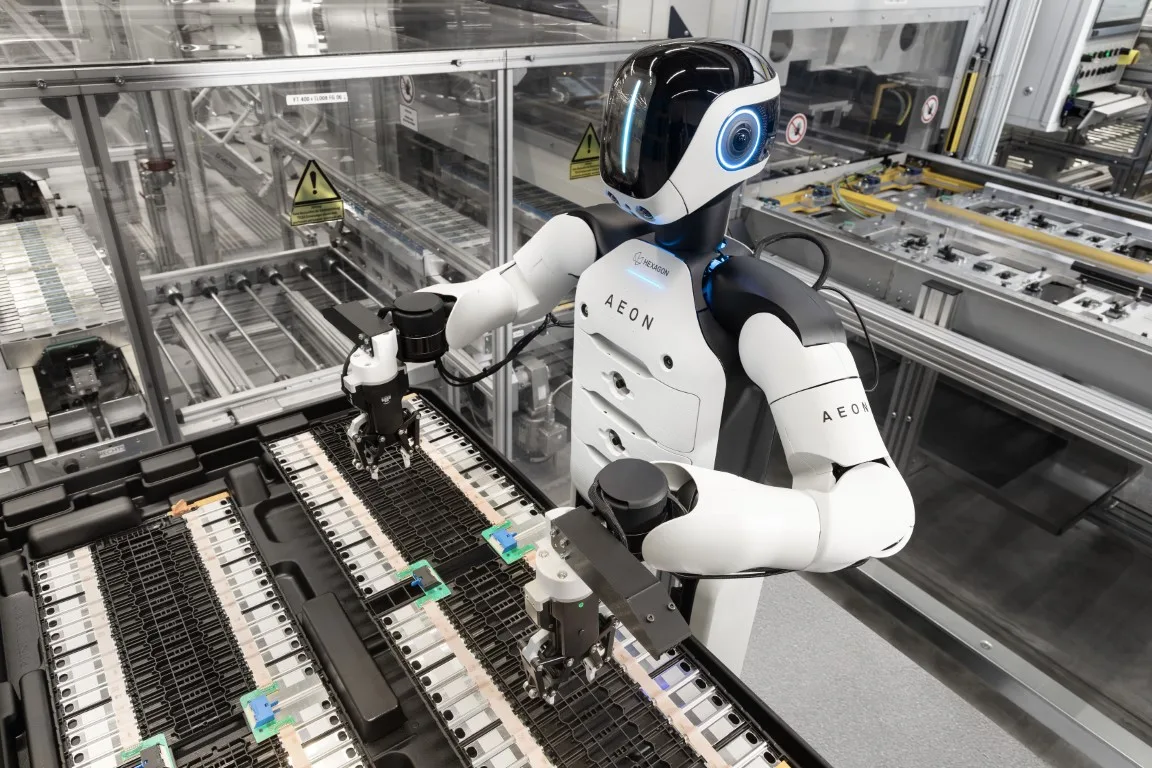
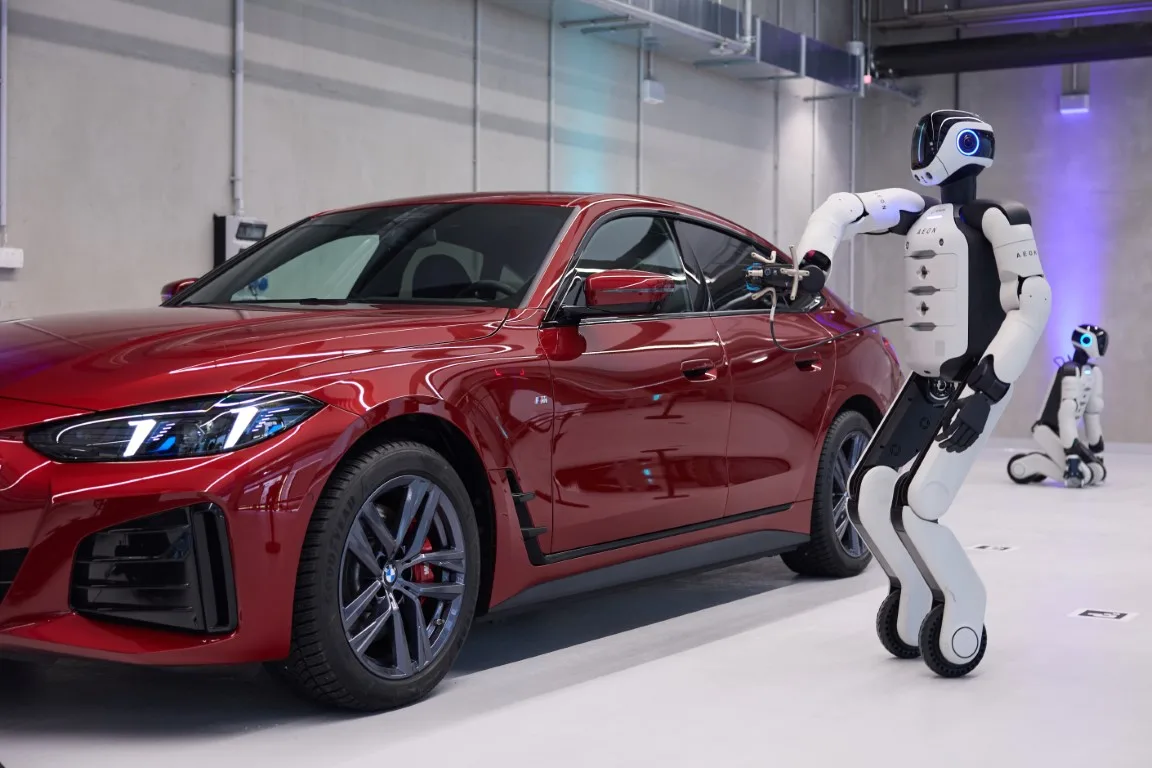
In Leipzig, the company is starting its first European pilot with humanoid robots, working with Hexagon Robotics and its AEON machine.
The plan is to test the robot from the Swiss-based company in high-voltage battery assembly and component manufacturing, with a further test deployment from April 2026 and a pilot phase due in summer 2026.
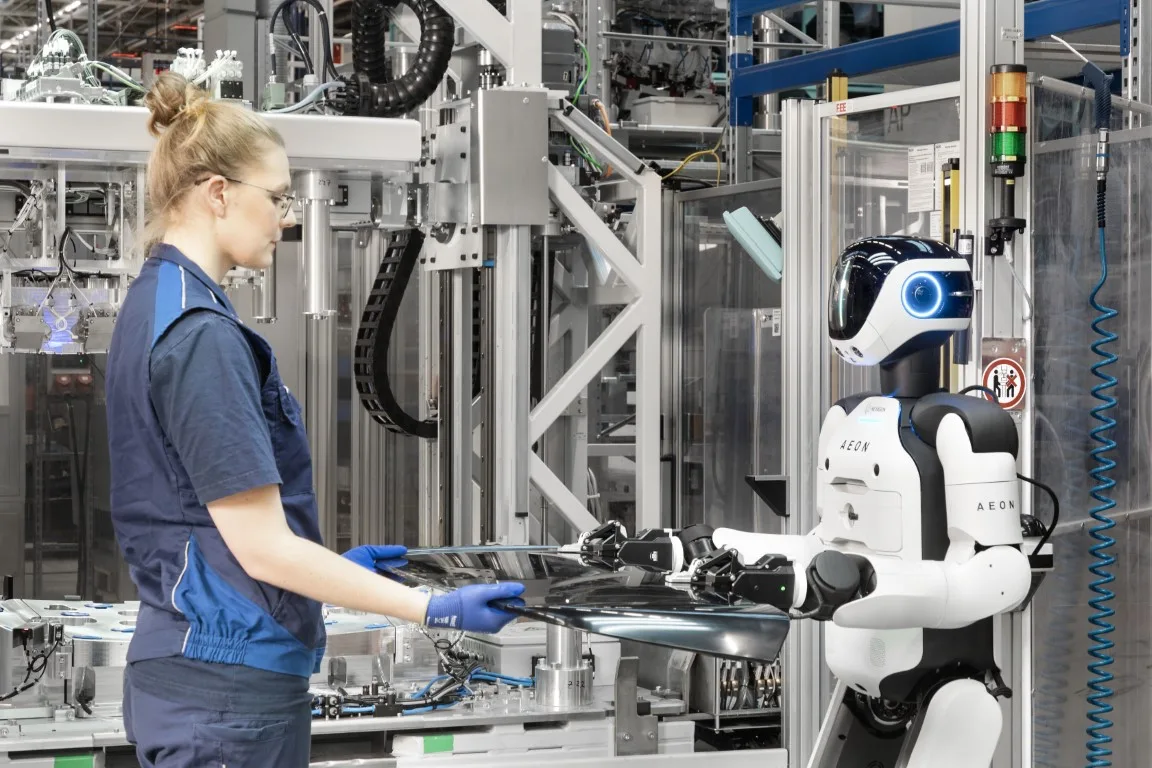
BMW’s pitch is that “Physical AI” can complement existing automation, especially in repetitive, physically demanding or safety-critical tasks.
A pilot is still a pilot.
The more grounded evidence comes from Spartanburg in the US, where BMW said an earlier humanoid robot trial with robots supplied by US company Figure AI supported BMW X3 production and moved more than 90,000 components over roughly 1,250 operating hours.
That at least suggests BMW is moving beyond concept-talk and into measurable industrial use.