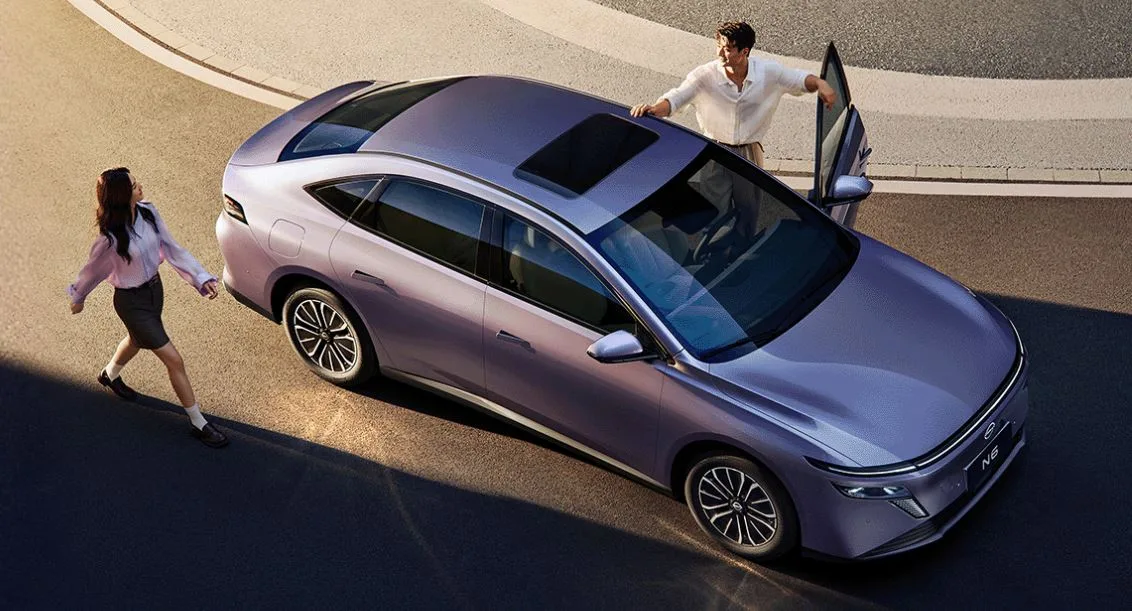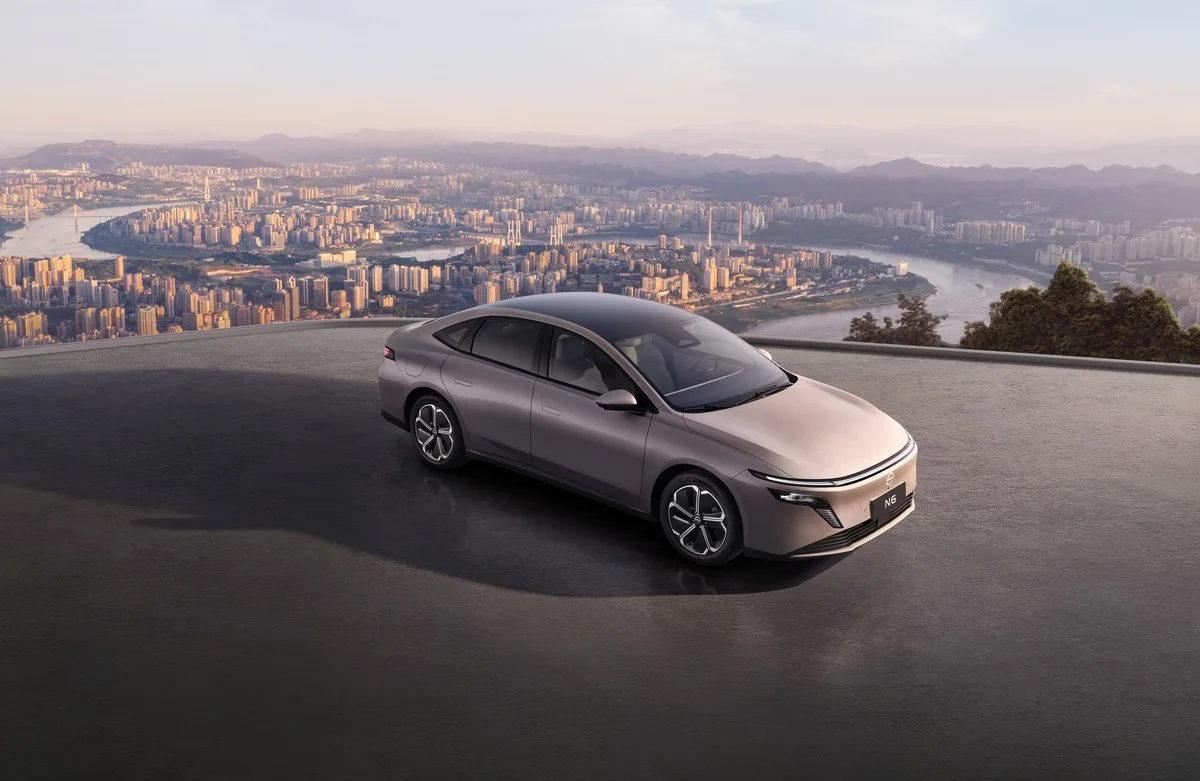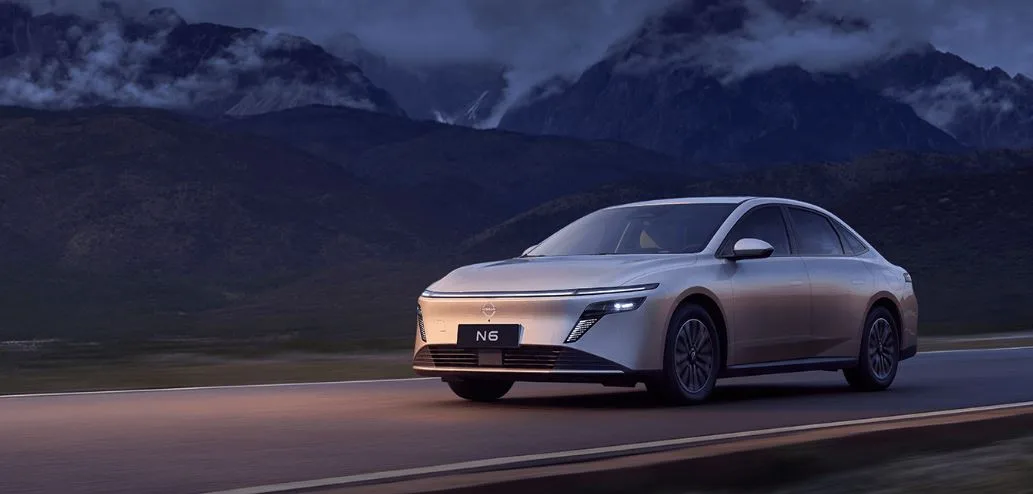








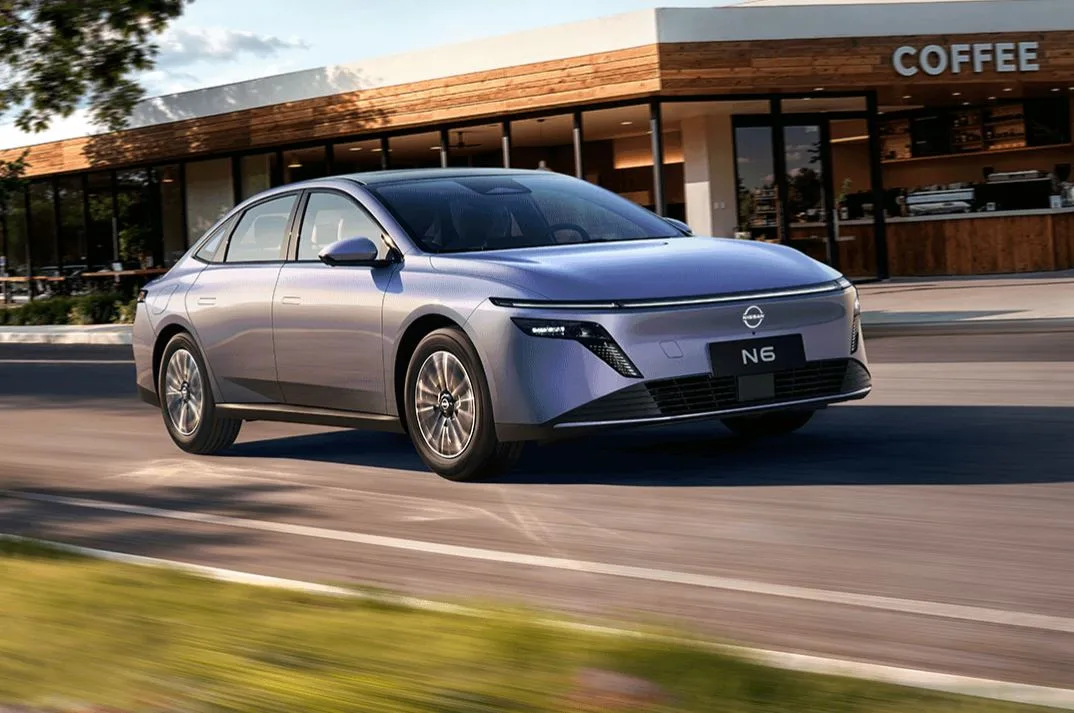
Nissan has debuted the N6 plug-in hybrid sedan in China, pitching it as a sleek, tech-heavy family car that also happens to sip fuel at record-setting levels.
Built by Dongfeng Nissan Passenger Vehicle Company, the joint venture’s latest model is its first PHEV sedan and the debut car for the new Tianyan Architecture for electrified vehicles.
Prices span 99,900 to 129,900 yuan, across five variants: 180 Air, 180 Pro, 180 Max, 180 Max+ and range-topping 170 Max+.
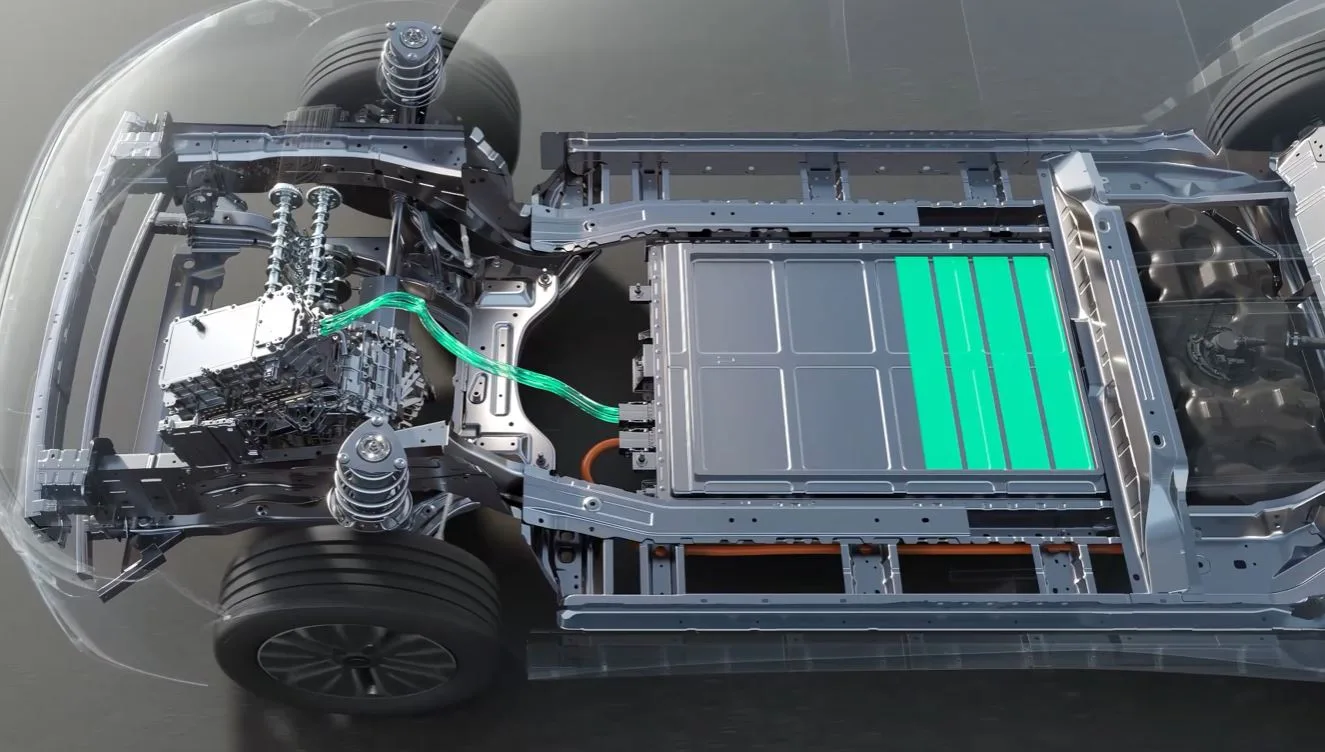
Under the skin, the N6 pairs a 1.5-litre engine with a 21.1kWh lithium iron phosphate (LFP) battery, driving an electric motor that turns the front wheels.
On China’s CLTC test cycle, Nissan claims up to 180km of pure electric range, which is among the longest in its class. Fast charging takes the battery from low to 80% in under 20 minutes, giving owners a quick top-up option between school runs and commutes.
Nissan is using the car to stake out four “new standards” for plug-in hybrids: sub-2l/100km fuel use in charge-sustaining mode, that 180km EV range, rapid DC charging and annual running costs kept within roughly 2,000 yuan.
Those claims are backed by a headline stunt: in the Around-China Fuel Consumption Challenge, the N6 covered 14,000km across 30 provinces in 28 days, returning 2.9l/100km and securing a Guinness World Record for fuel efficiency.
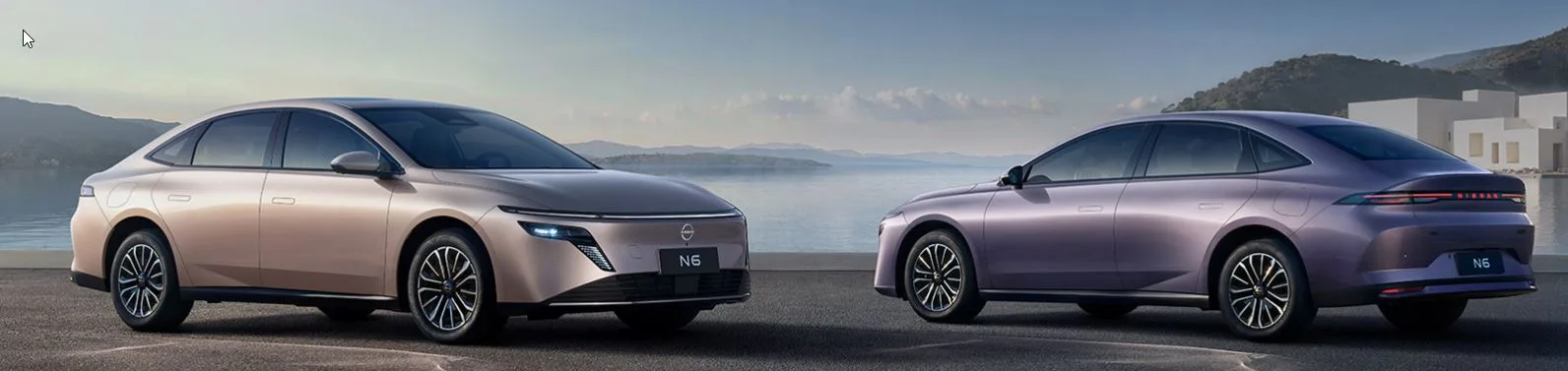
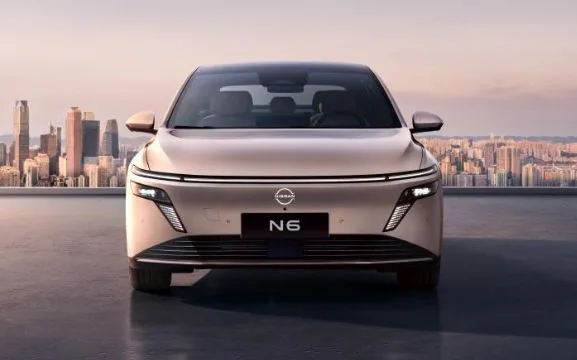
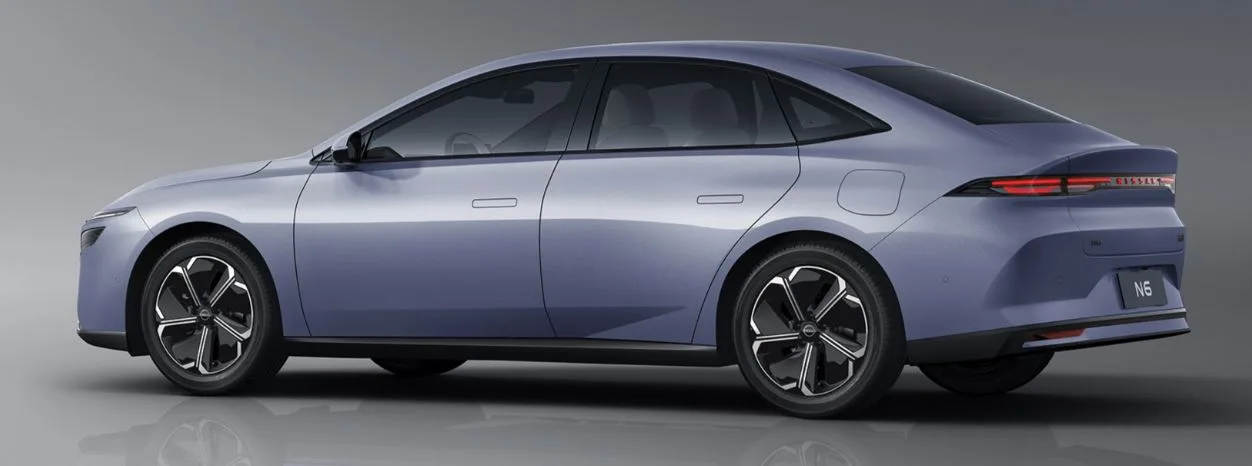
Styling-wise, the sedan leans on what Nissan calls “Wind Trace” aesthetics – a slippery profile that nudges it towards C-segment luxury territory.
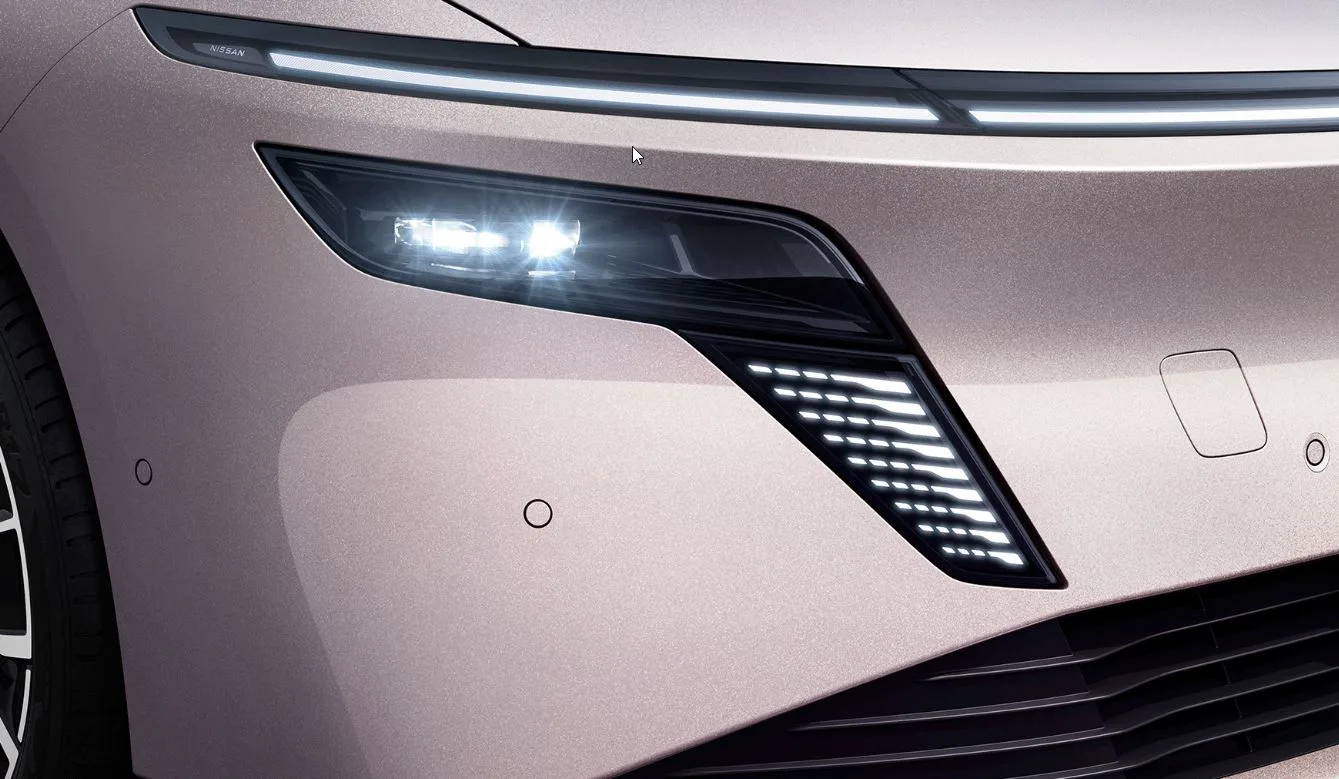
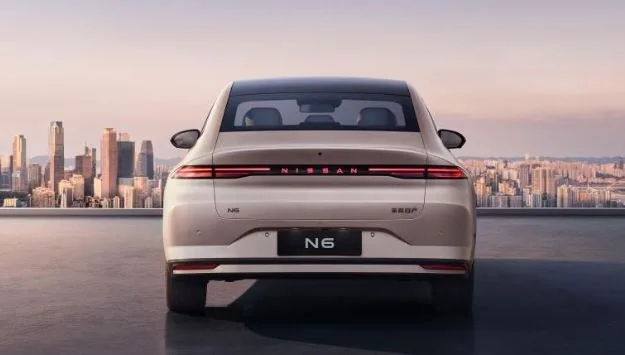
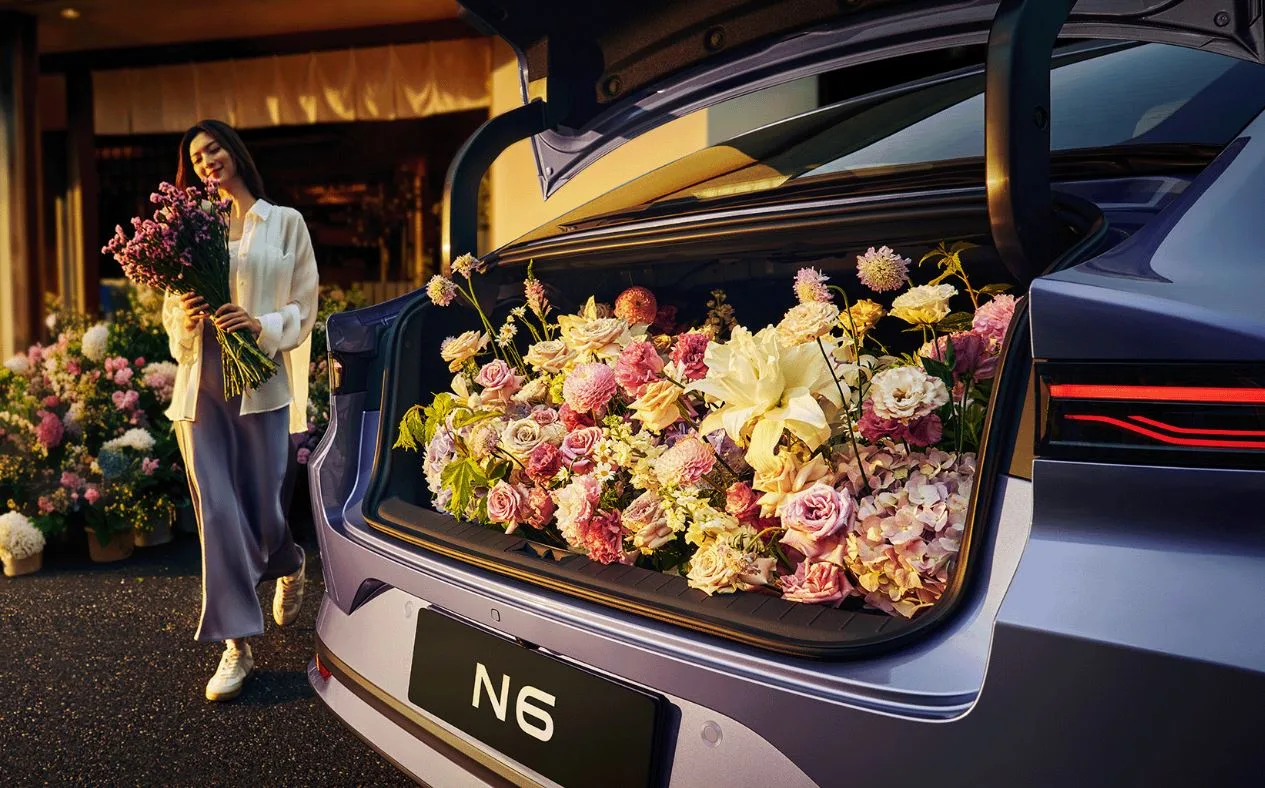
Slim headlights with adaptive high beam frame a clean front end, while “hurricane-eye” 3D tail lamps finish the rear. Buyers get a palette of six colours, from Sunlight Gold and Hyacinth Purple to more sober greys, black and white.
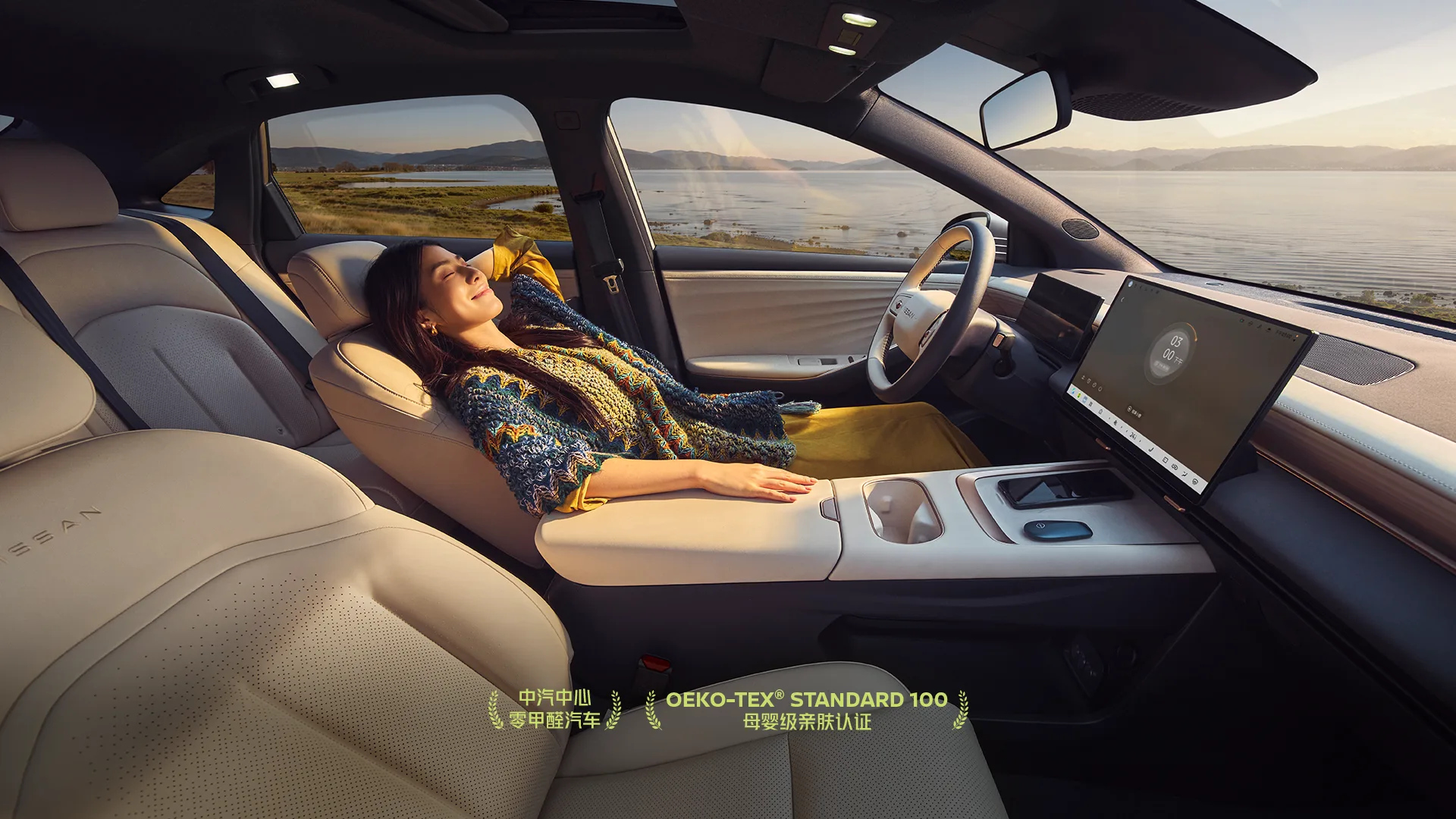
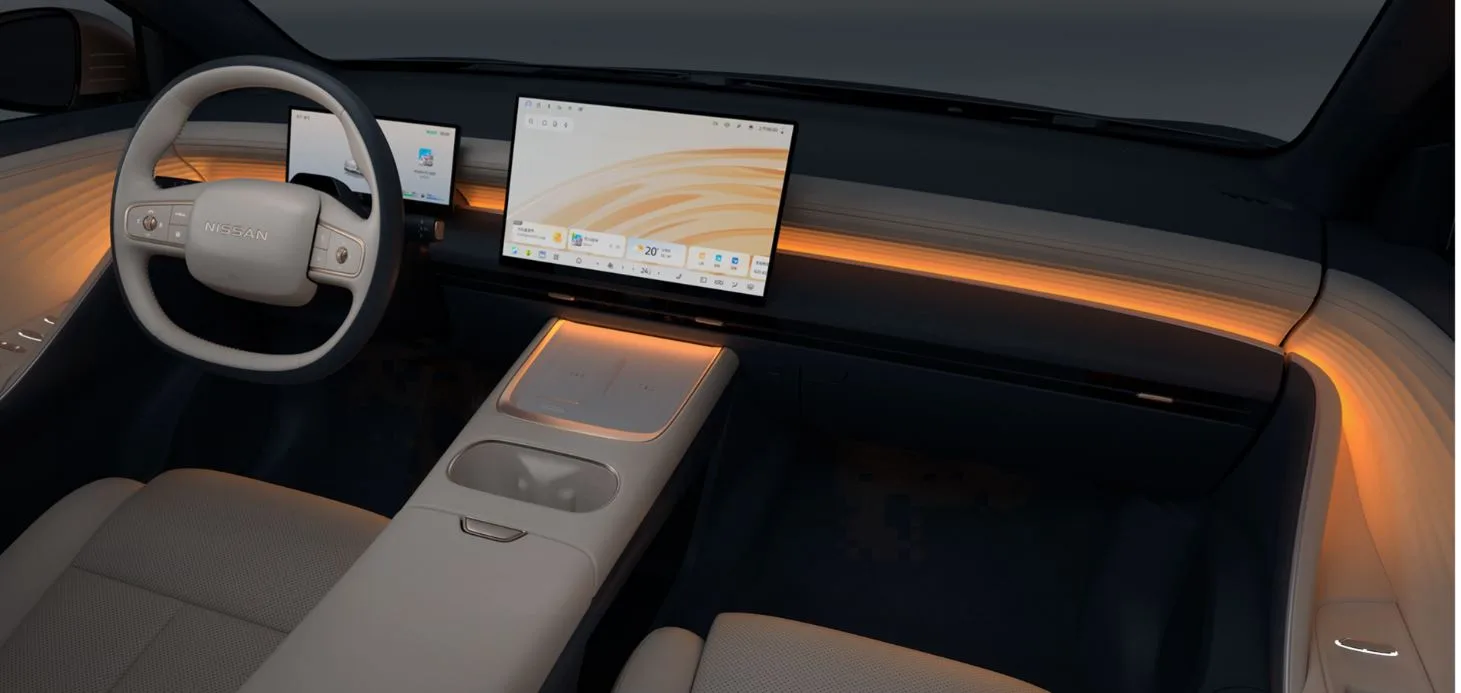
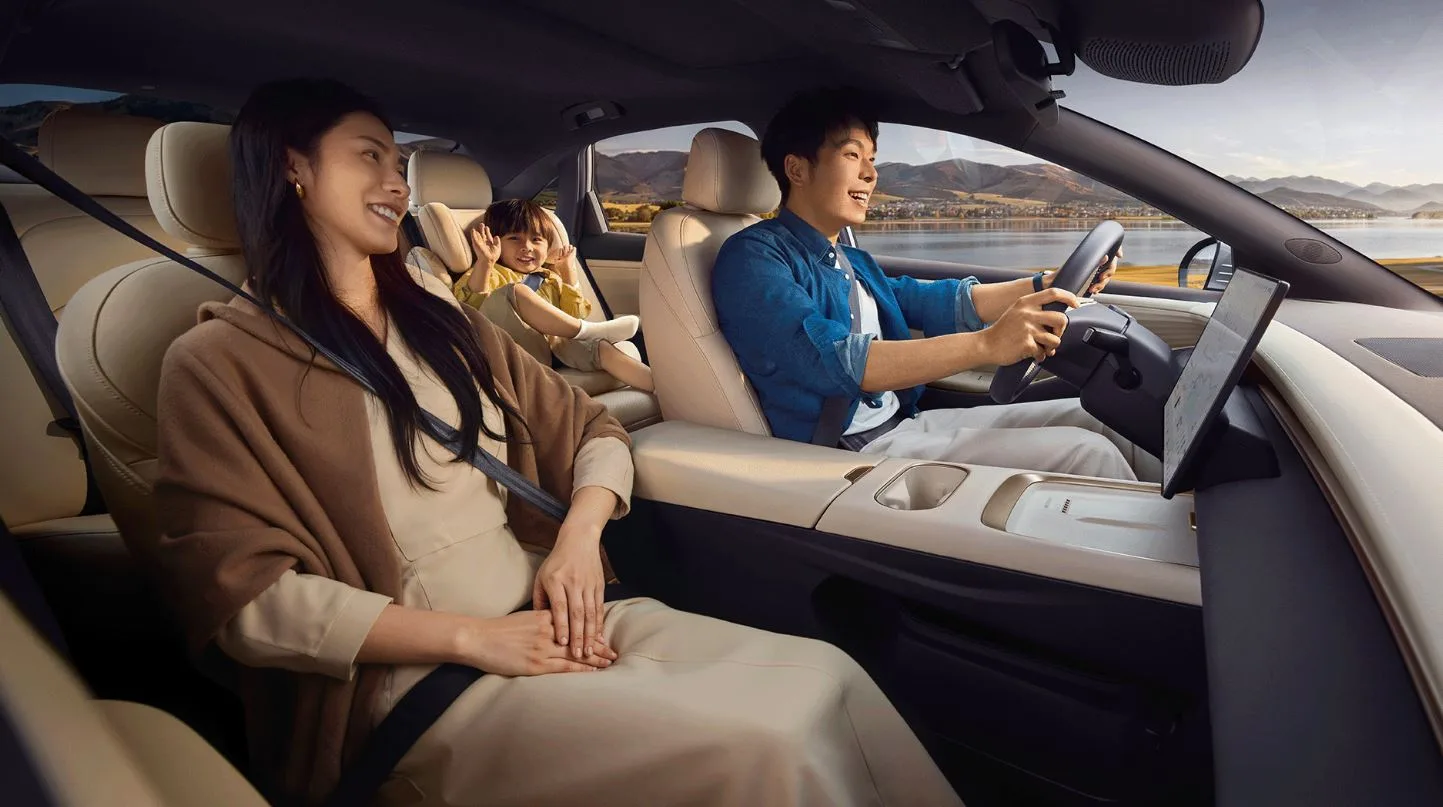
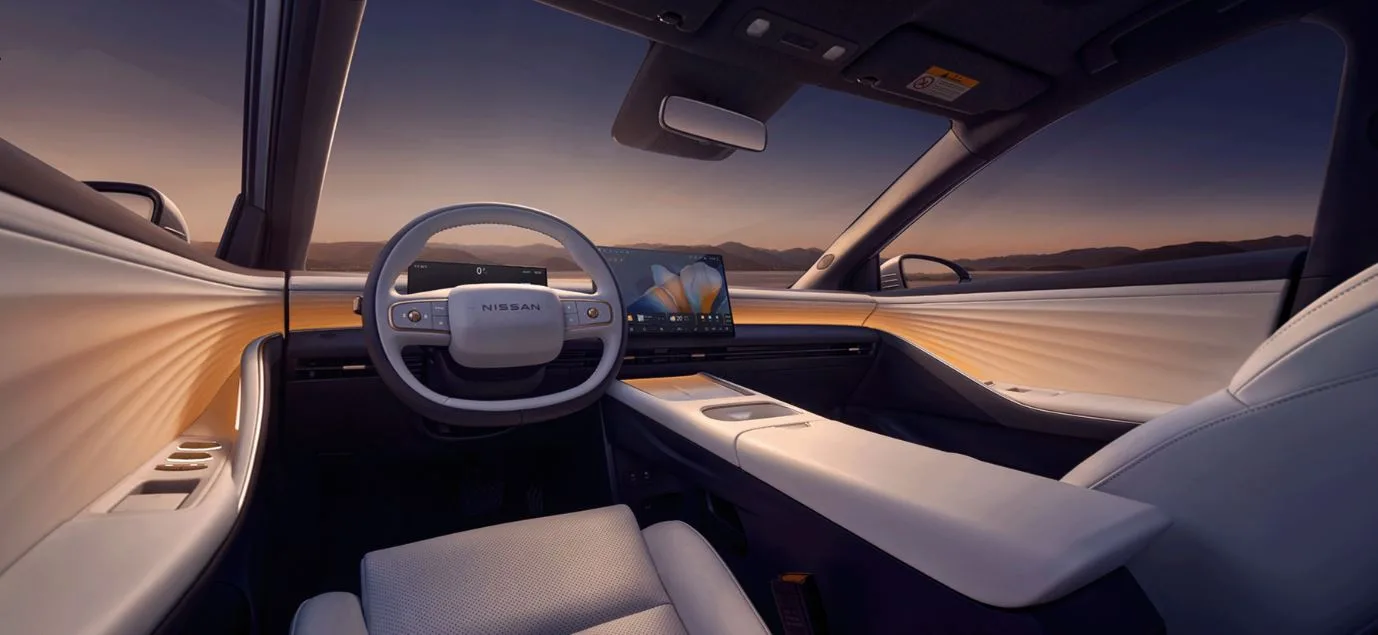
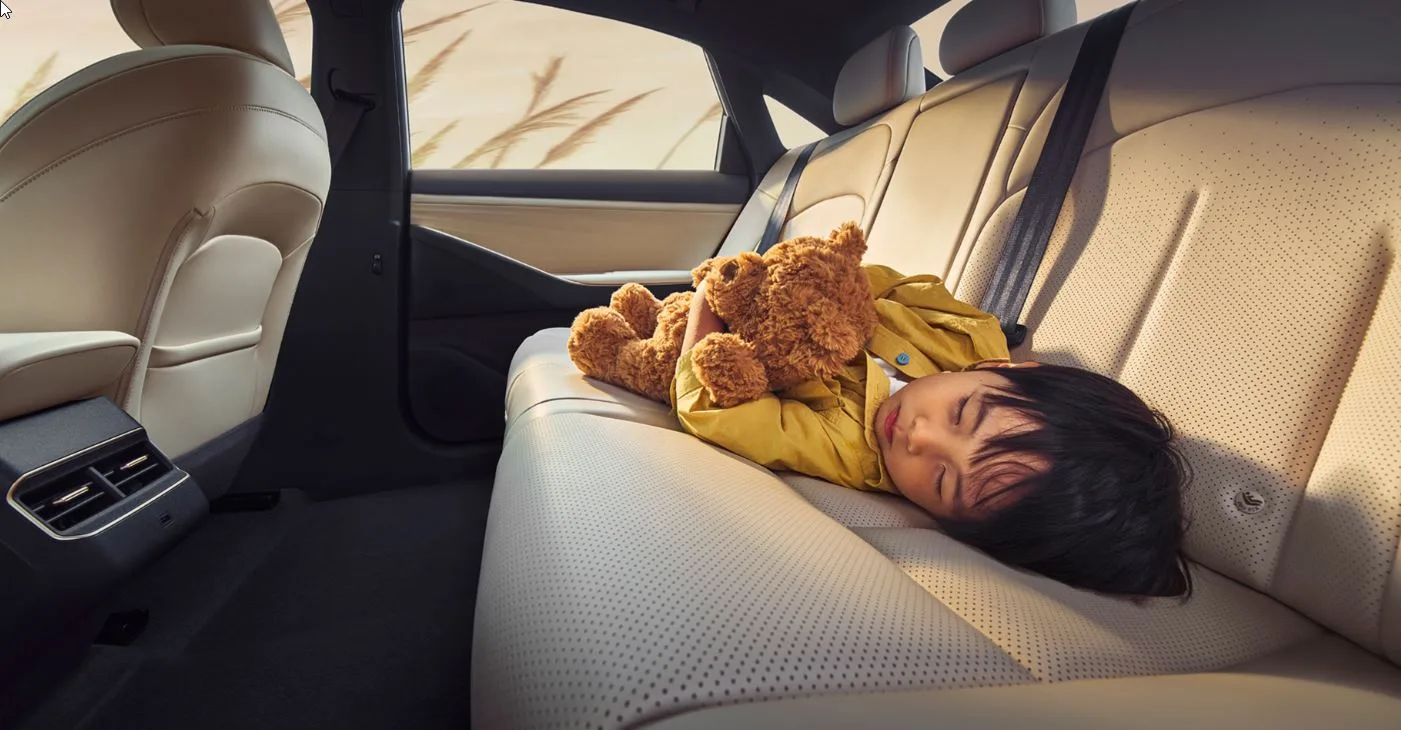
Inside, the N6 is very much tuned for young families.
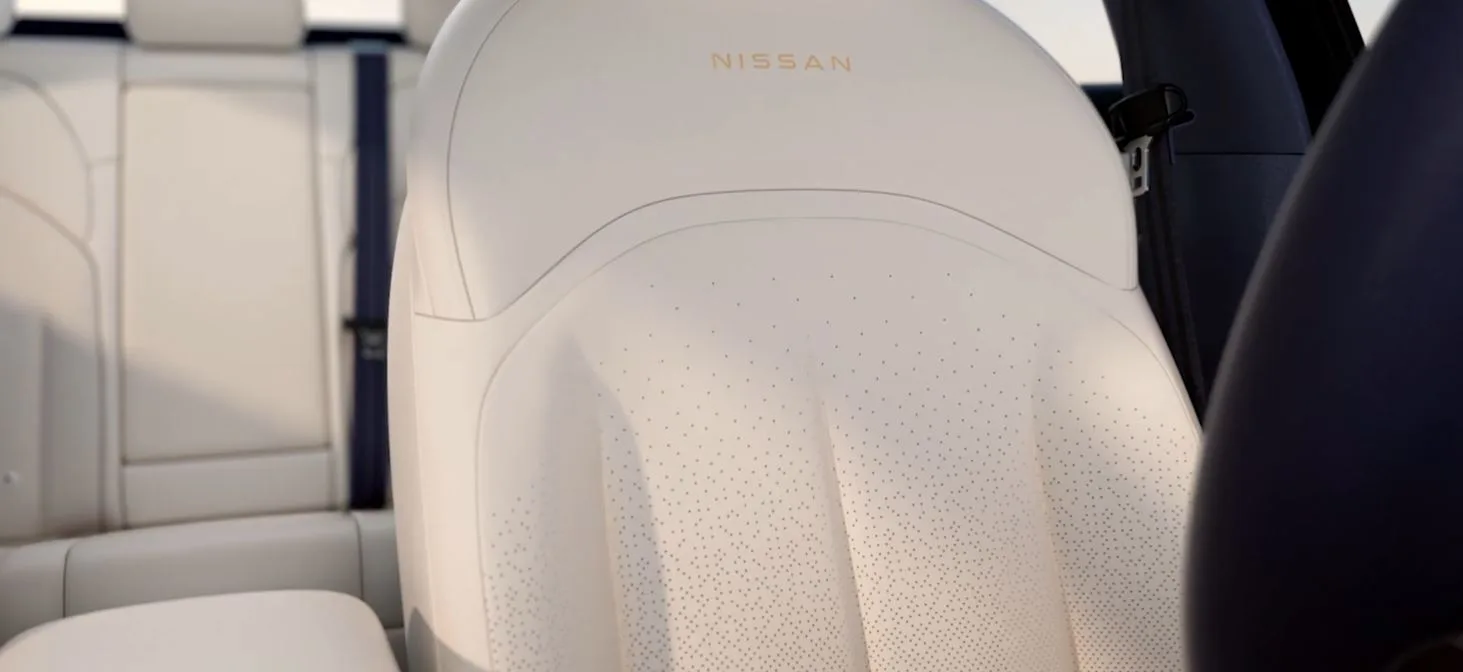
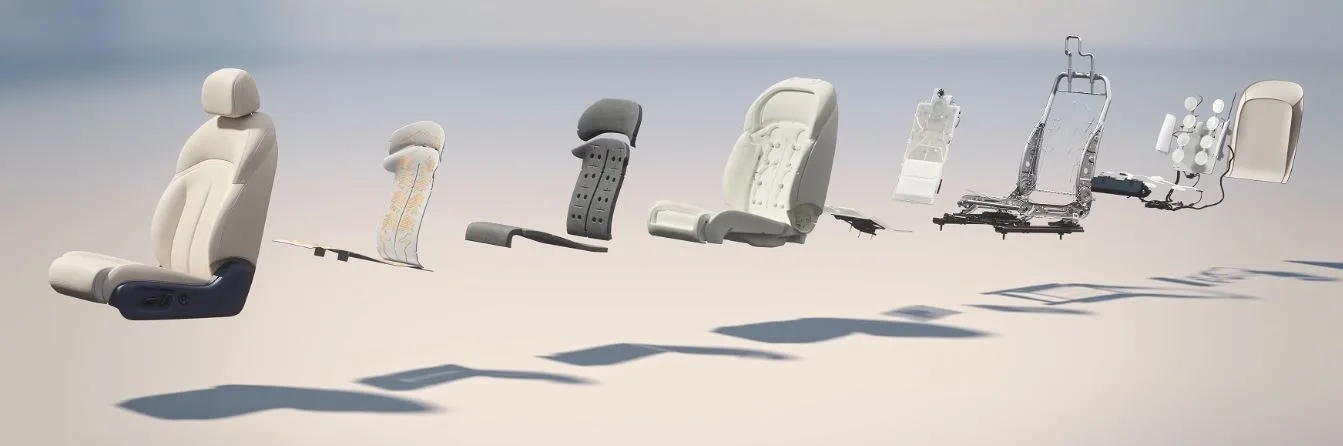
Nissan said more than 85% of the cabin surfaces are soft-touch, and both rows sit on Zero-Pressure Cloud Cushion seats, with a new Cloud Cushion Sofa at the back to make long trips less punishing.
Two main interior themes – Off-White or Elegant Black – can be dressed with Rose Gold or Night Purple accents.
The tech story is equally busy.
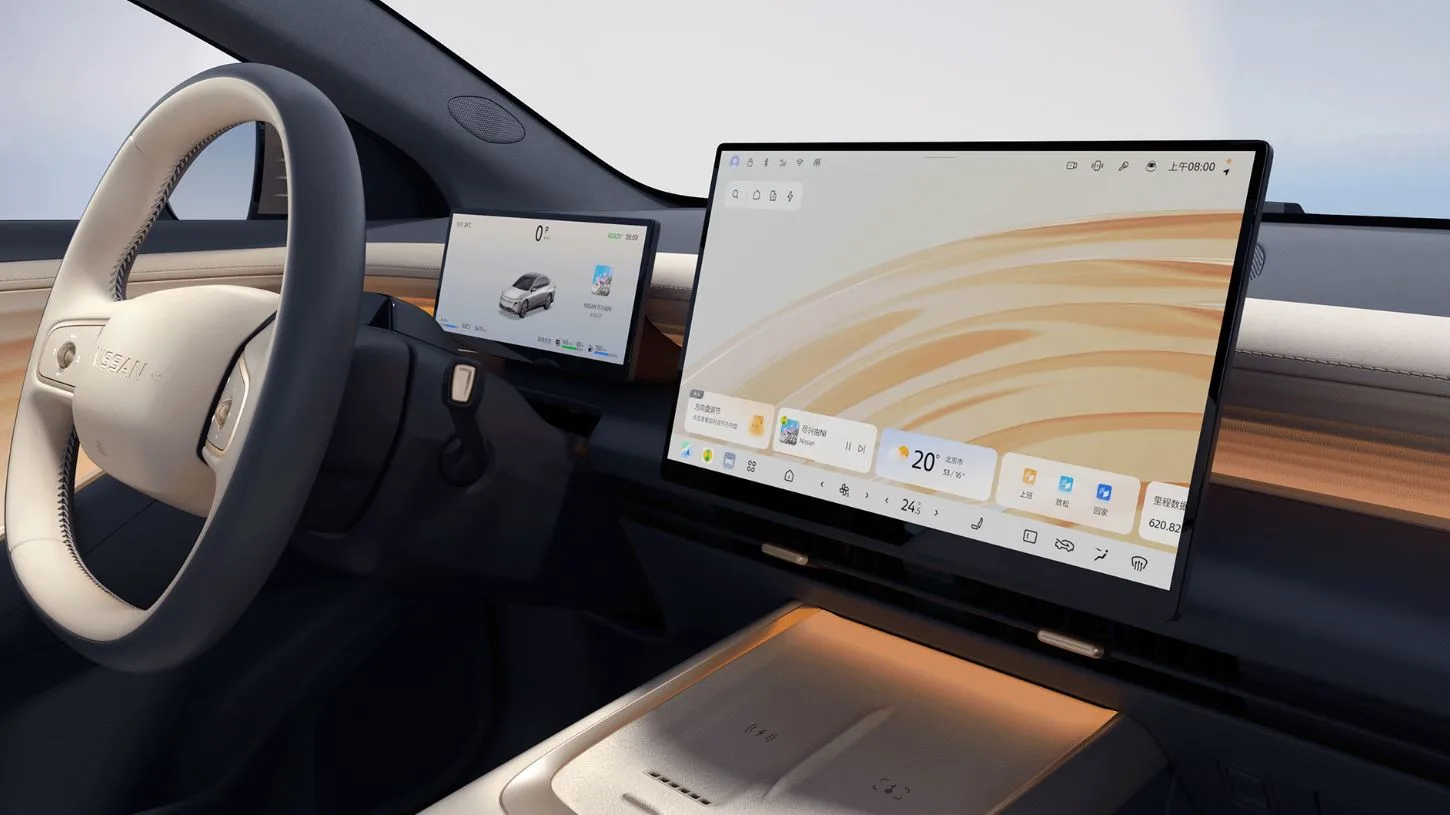
A “Cloud Comfort Cabin” runs Nissan’s latest infotainment on a Qualcomm Snapdragon 8775 automotive-grade chip, talking to a 15.6-inch 2.5K screen.
The Xiao Ni voice assistant, powered by iFlytek’s Spark and DeepSeek, understands multiple Chinese dialects, responds from any seat and even supports in-car karaoke in the notably quiet cabin.
Driver support comes from an end-to-end assist system co-developed with Momenta, helping with highway runs, city traffic and parking.
Safety hasn’t been left to the marketing slides.
The N6 uses a rigid monocoque body, a reinforced battery structure, seven airbags including extra-long curtain bags, and 16 active assistance features.
Nissan said development involved more than 7,400 validation tests, over 5,500 prototype checks and some 2,000-plus quality inspections, indicating how seriously it takes this new step into China’s white-hot PHEV sedan war.