








Lexus has brought back its most famous badge, but not the sound that made it a legend.
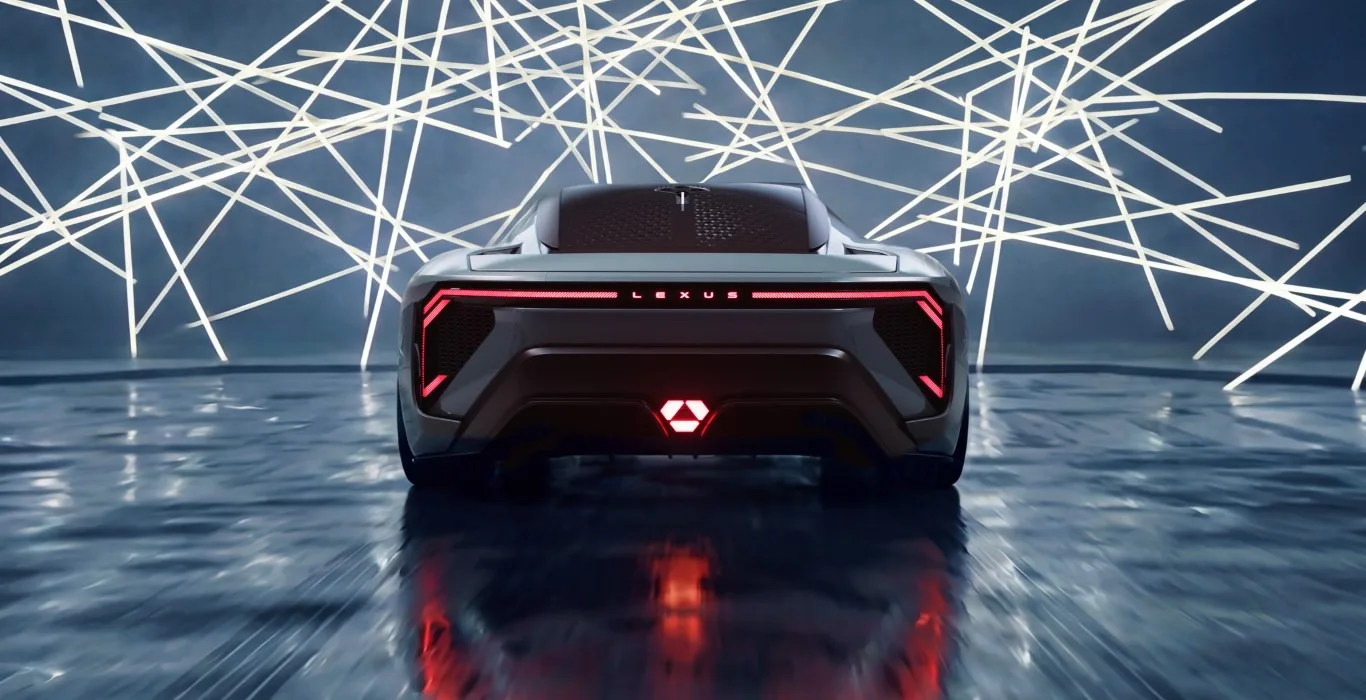
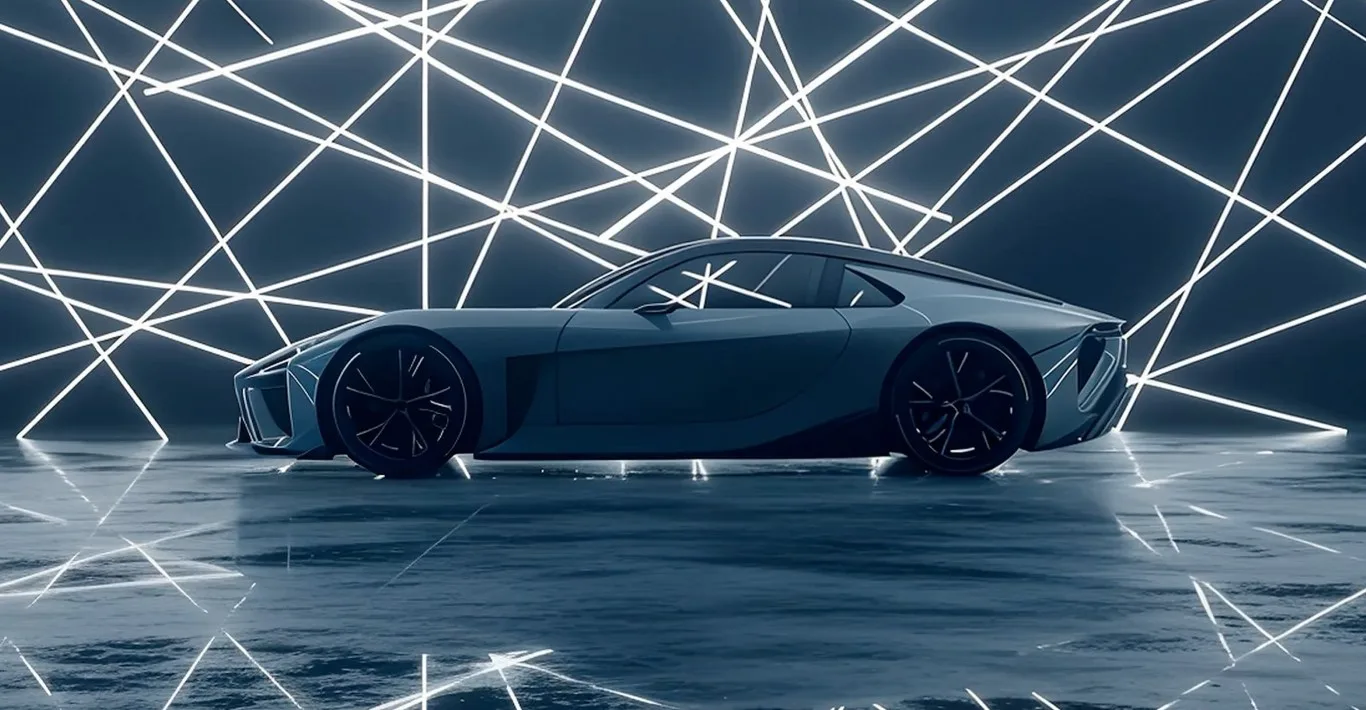
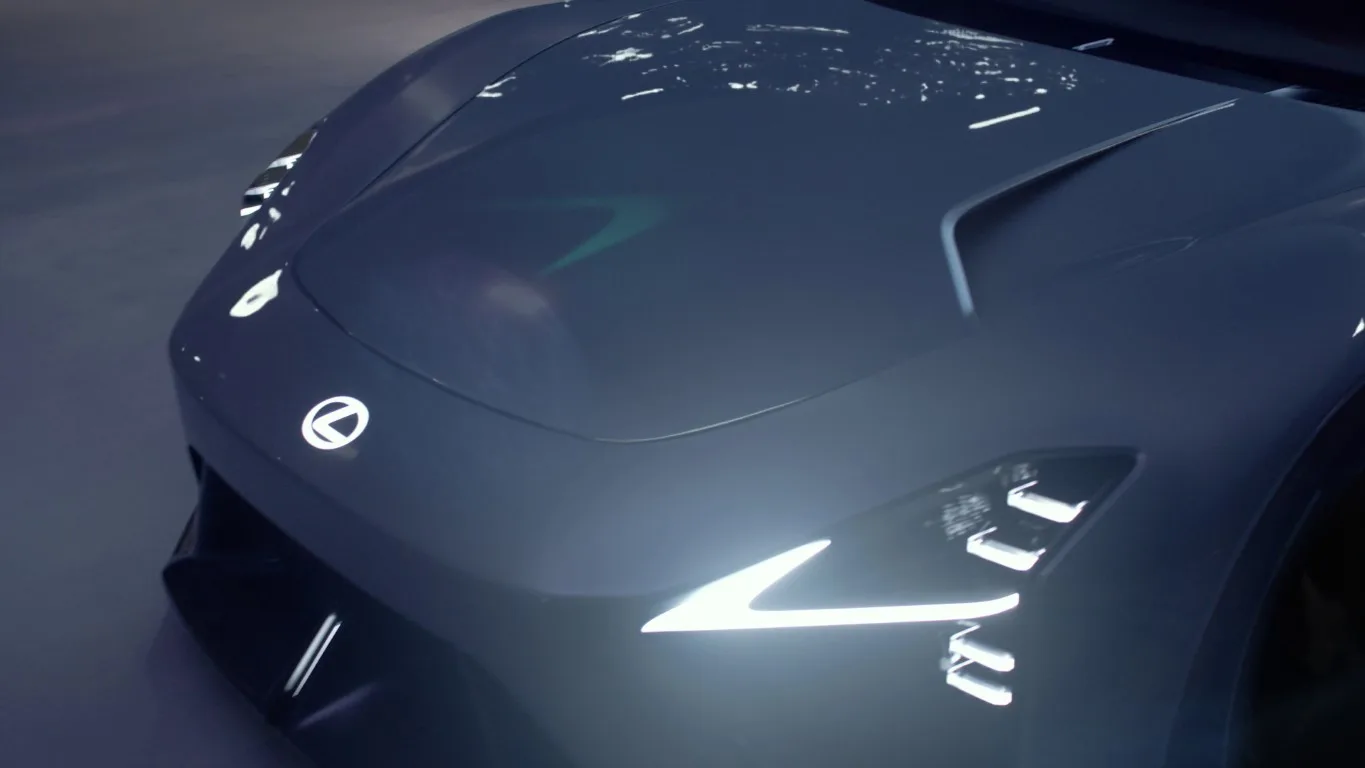
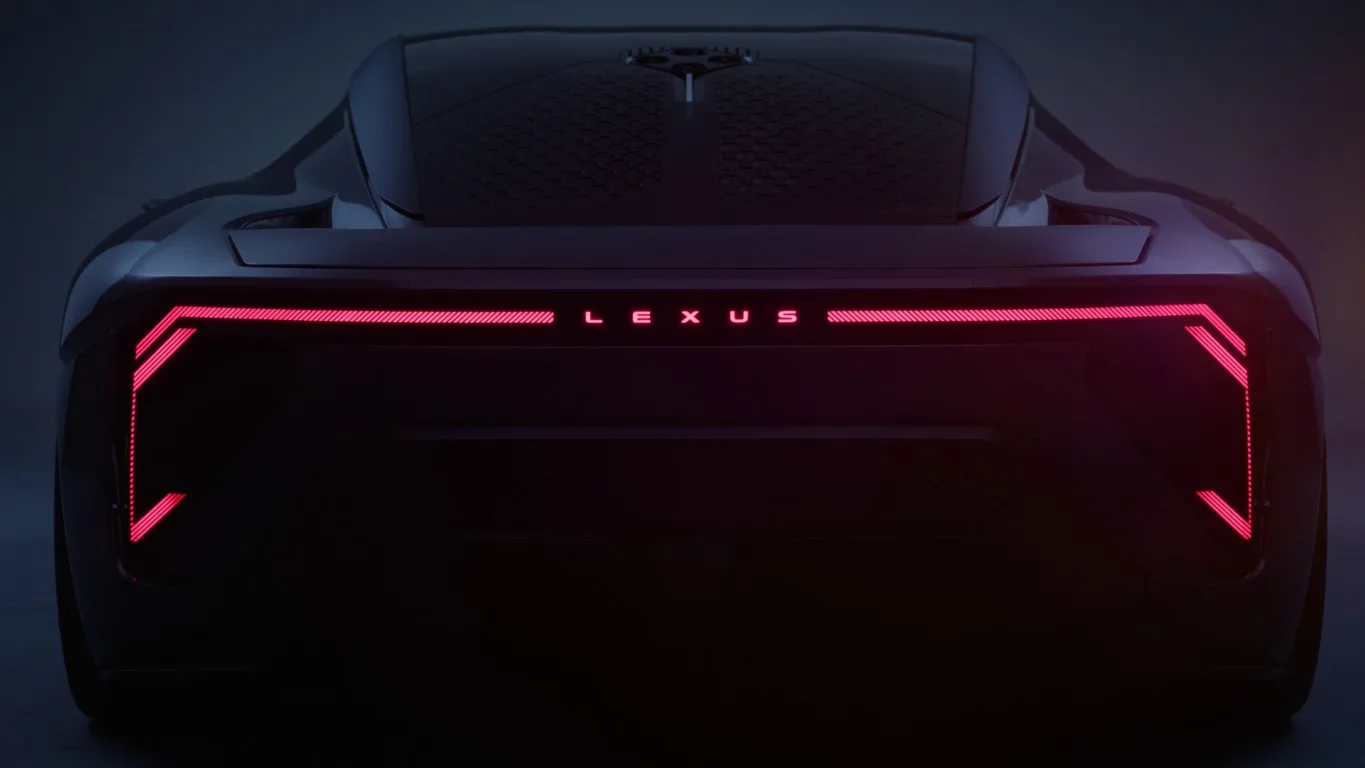
Unveiled in Japan together with Toyota Gazoo Racing’s new GR GT road car and GT3 racer, the Lexus LFA Concept is a battery-electric supercar study that points to a zero-emissions successor to the V10 original.
The original LFA initially used aluminium construction but switched to carbon fibre reinforced polymer (CFRP) during development.
Now, instead of a carbon-fibre tub and a howling 4.8-litre V10, the new LFA Concept sits on an all-aluminium structure shared with the GR GT and GR GT3.
The brief is classic supercar: low centre of gravity, low weight with high rigidity and serious aero, but applied to a BEV package.
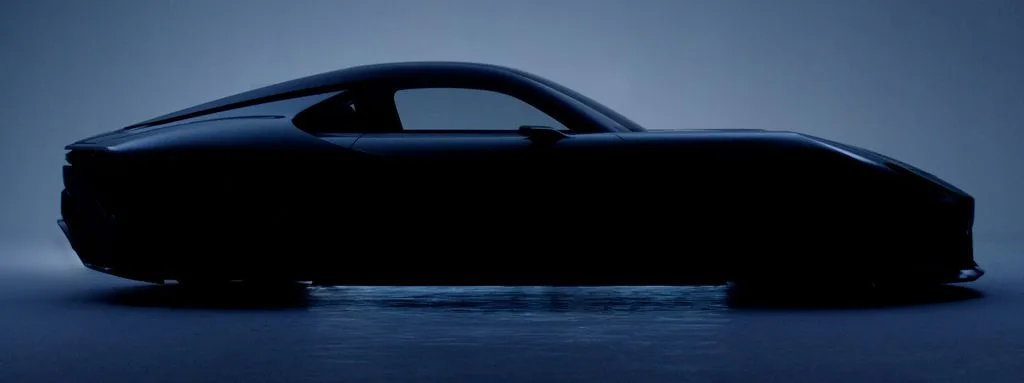
The numbers sketch out a wide, low-slung two-seater.
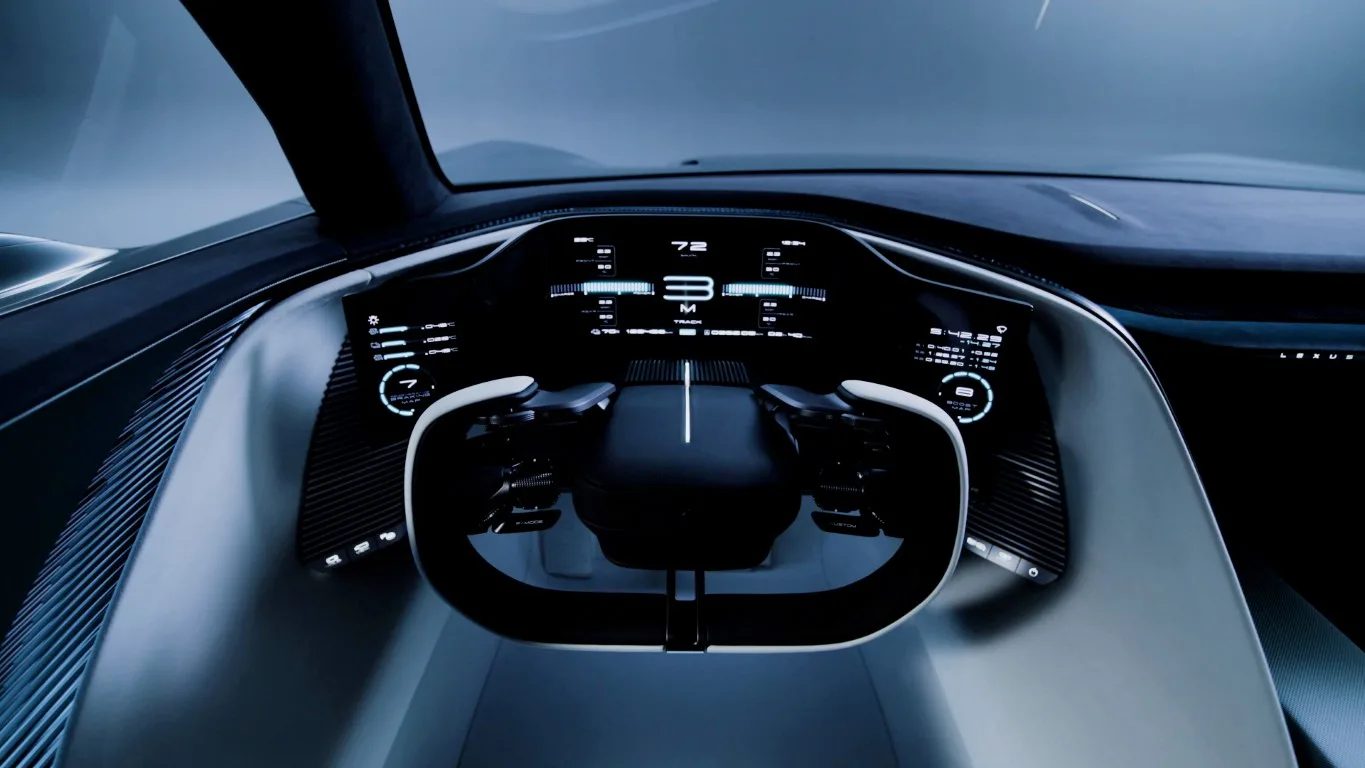
At 4,690mm long, 2,040mm wide and just 1,195mm tall, with a 2,725mm wheelbase, it is slightly shorter and wider than its Toyota sibling, but shares the same basic proportions: long nose, cab pushed rearwards, classic coupe stance.
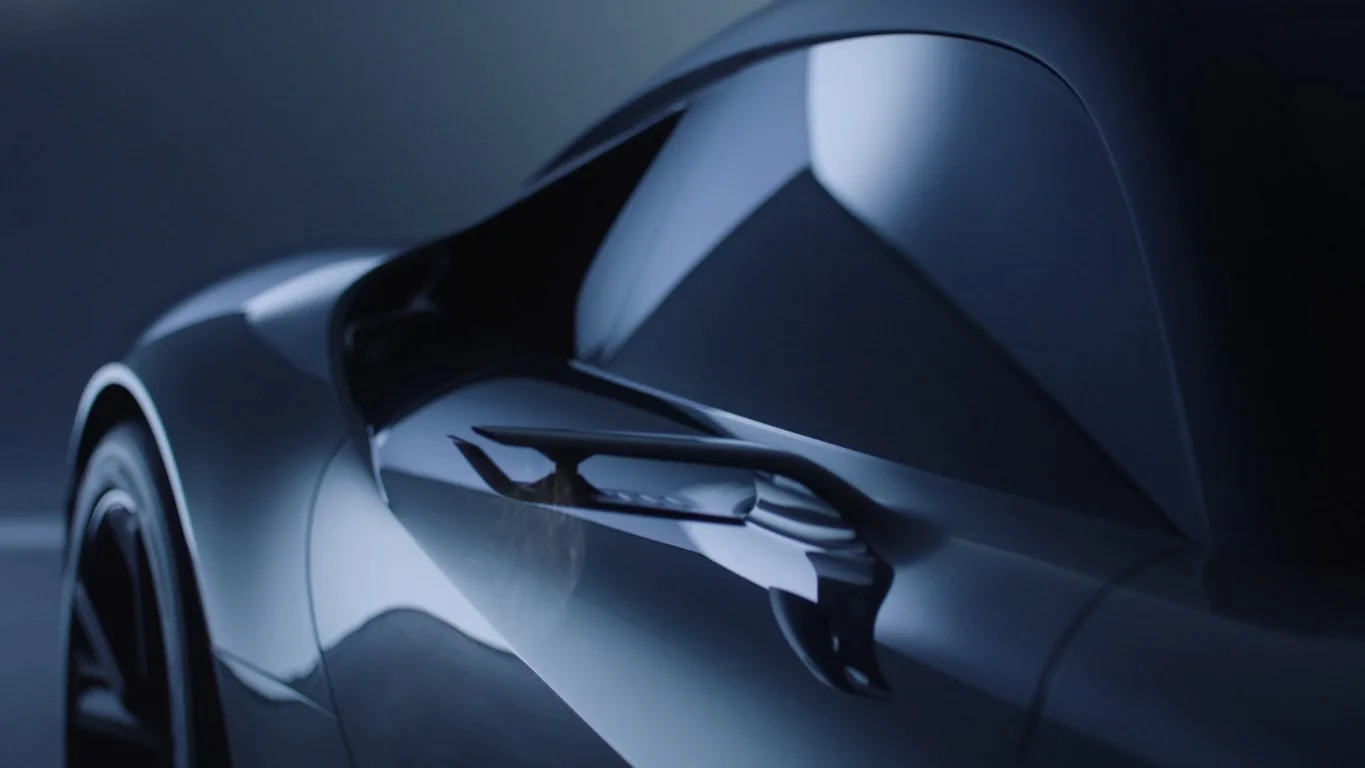
Visually, the car will look familiar to anyone who saw the Lexus Sport Concept at Monterey Car Week and the Japan Mobility Show earlier this year.
That show car’s exterior and interior now reappear under the LFA name, with some detail tweaks and a clearer storyline: this is the spiritual follow-up to the 2010–2012 LFA, of which only 500 were built.
Inside, Lexus talks about “Discover Immersion” rather than just horsepower.
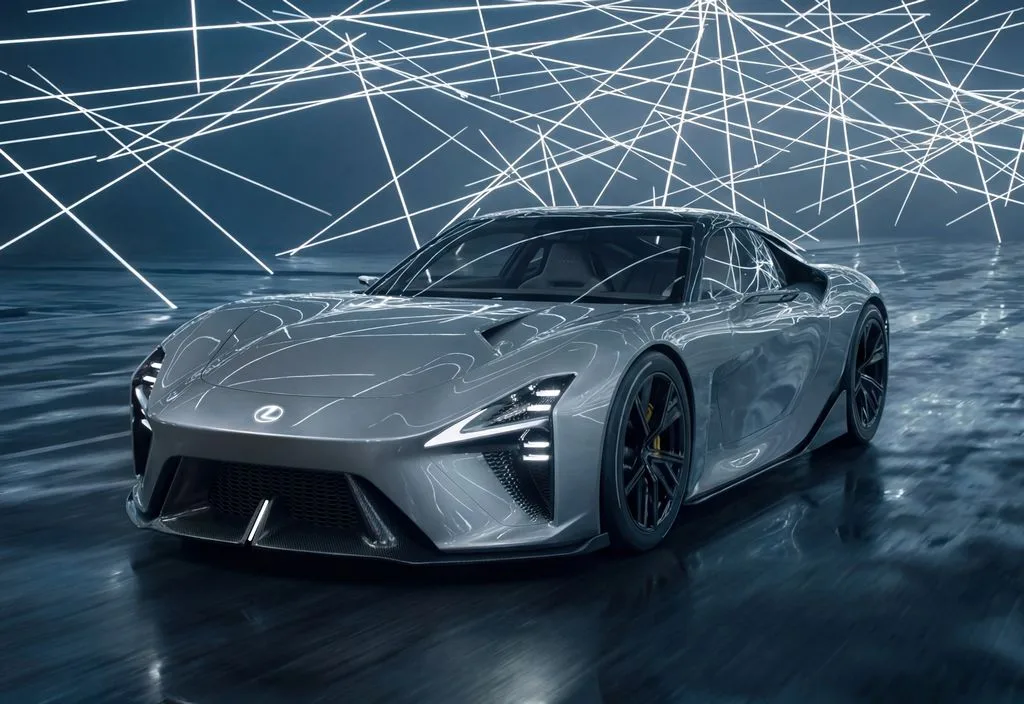
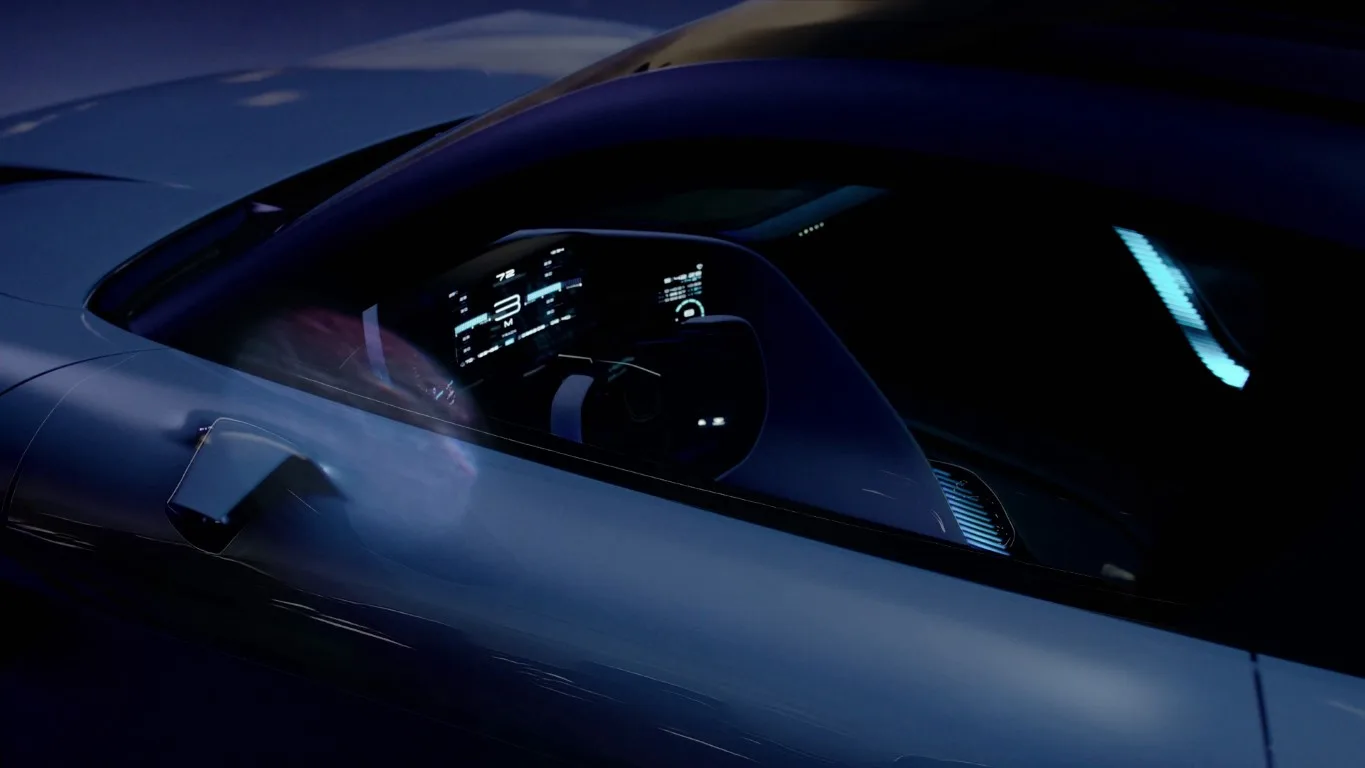
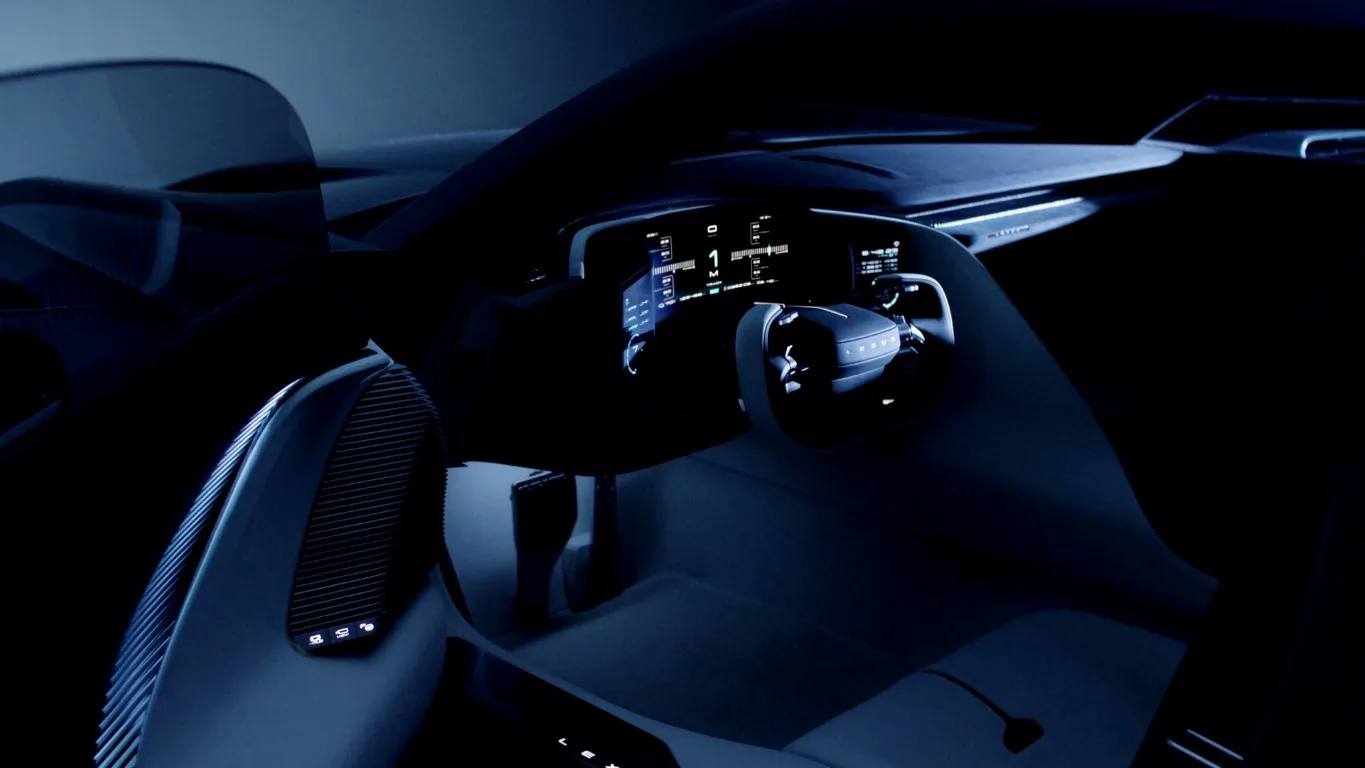
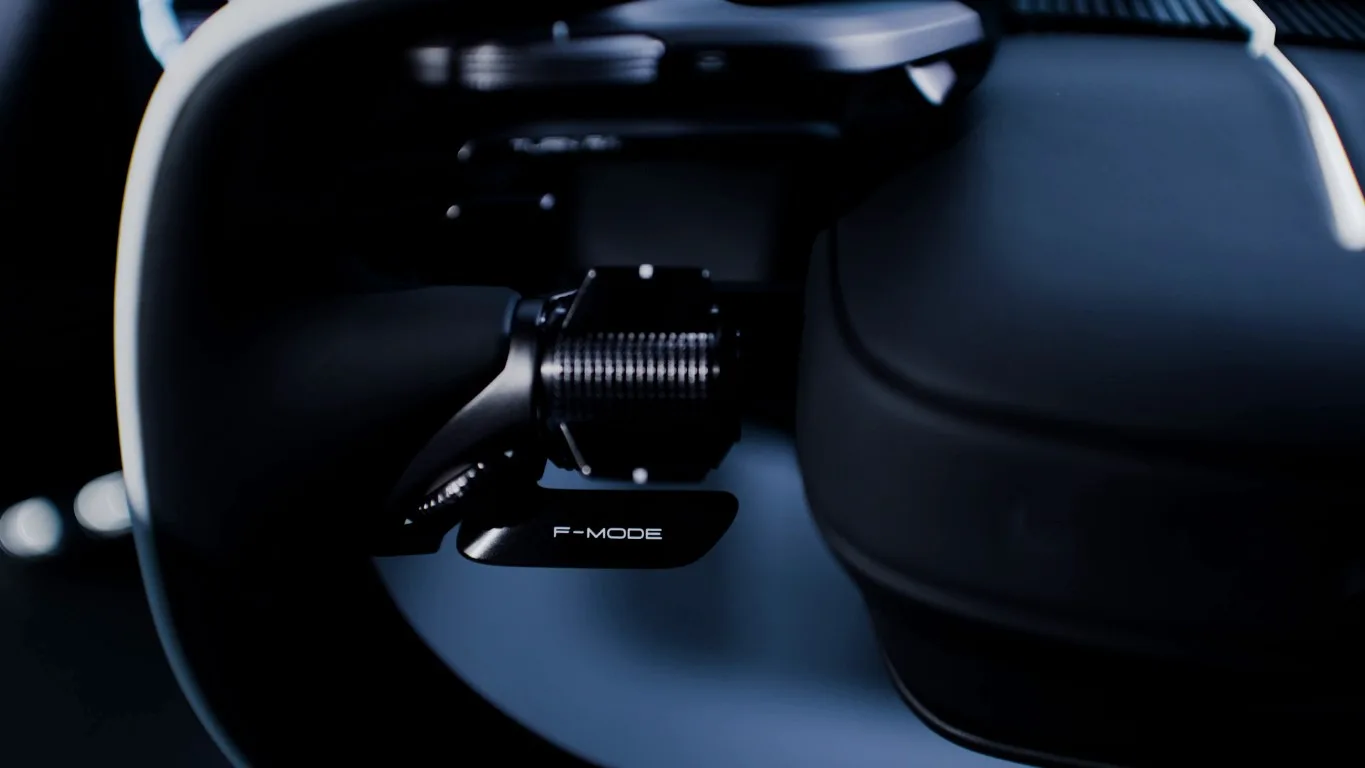
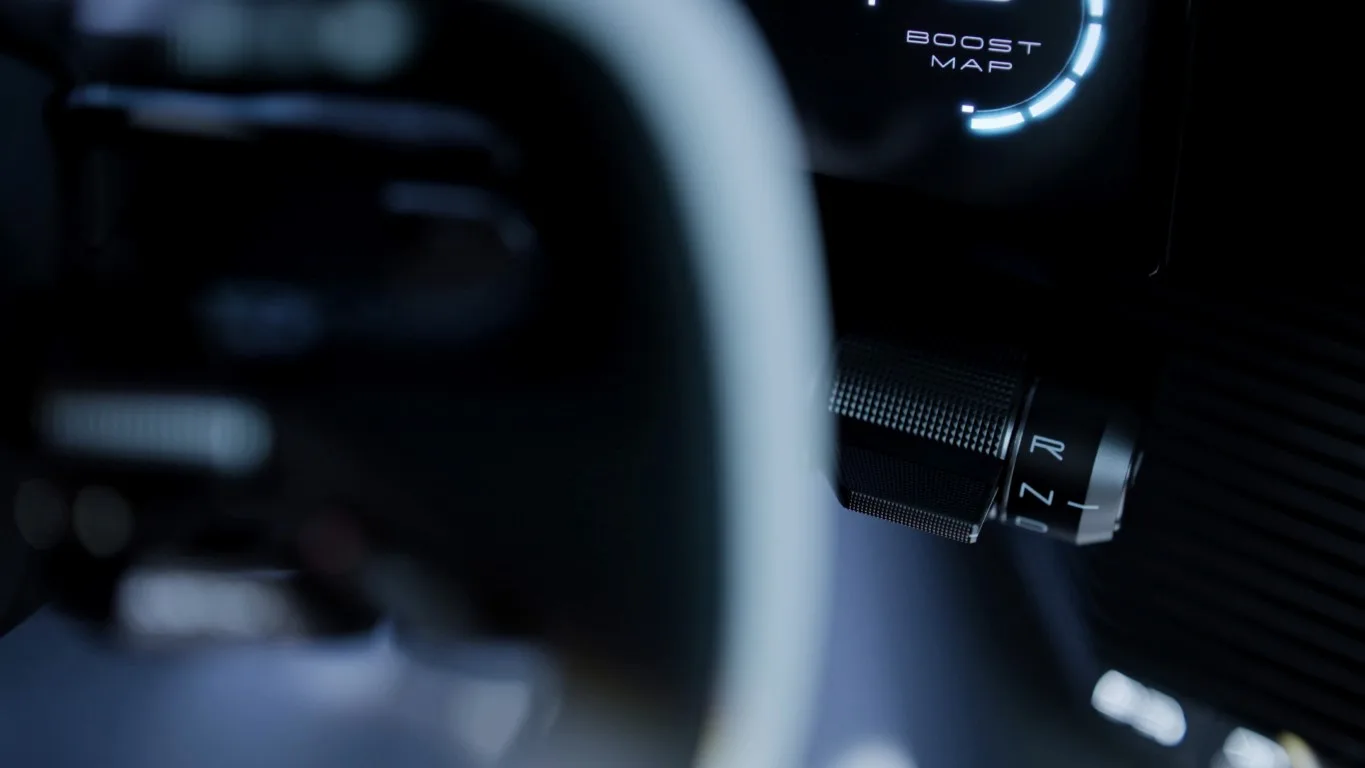
The cockpit is stripped back and driver-centric, with controls clustered around the seat and an unusual steering wheel designed to reduce the need to re-grip mid-corner.
Media images show a minimalist cabin that leans heavily on a fighter-jet feel, with a yoke-style wheel and digital displays wrapped tightly around the driver.
Under the skin, though, the headline is what Lexus is not saying.
There are no figures yet for motor count, output, torque, battery size or range, only confirmation that this is a pure BEV developed in parallel with the petrol-powered GR GT and its GT3 cousin.
Powertrain details will follow later, and a production car is still a few years away.
Lexus said the project was part of Toyota’s “Shikinen Sengu” philosophy, borrowing a Shinto idea of periodically rebuilding a shrine to preserve skills.
In this case, the shrine is a supercar.
The LFA Concept is meant to carry forward the craft and engineering that created the original LFA and the Toyota 2000GT, even as the brand pivots to electrification and prepares solid-state battery tech for future models.
For enthusiasts, the question now is simple: can a silent, battery-powered LFA earn the same reverence as the screaming V10 that came before it?