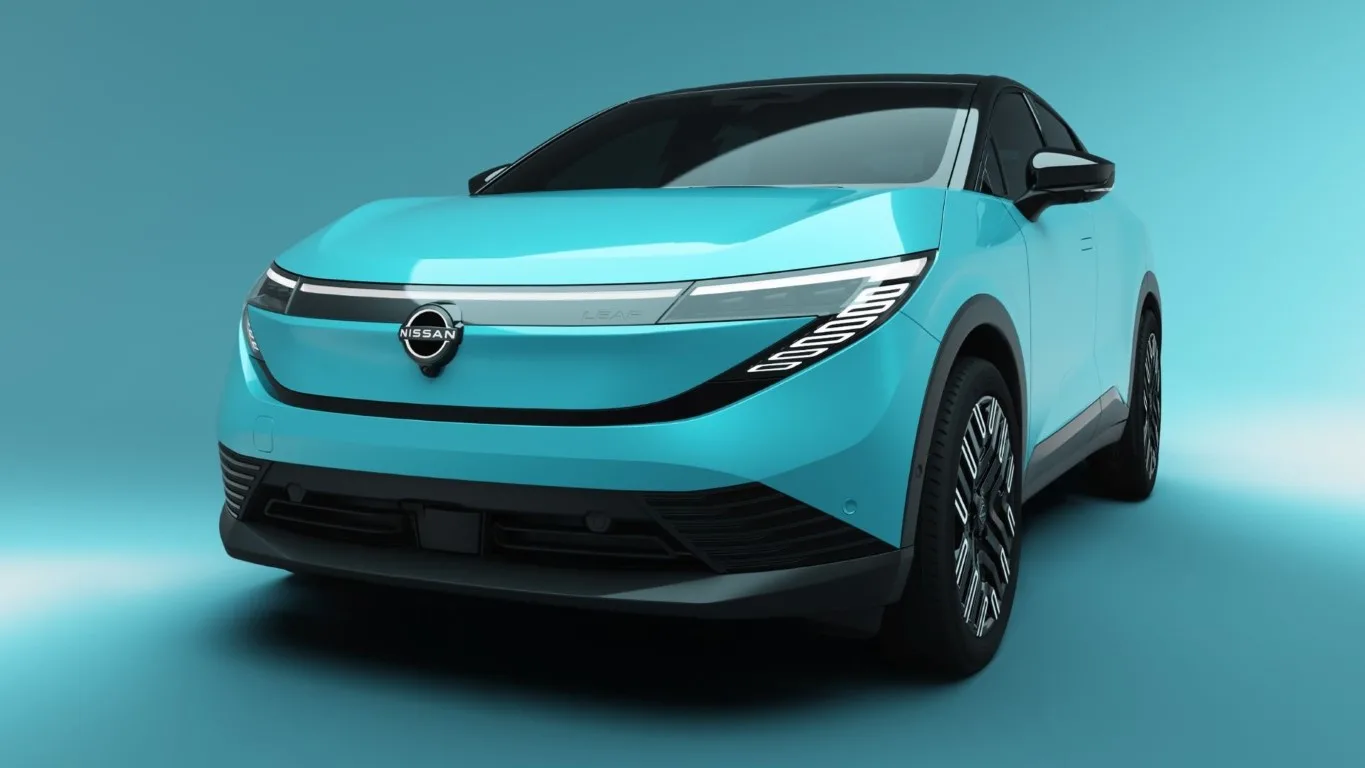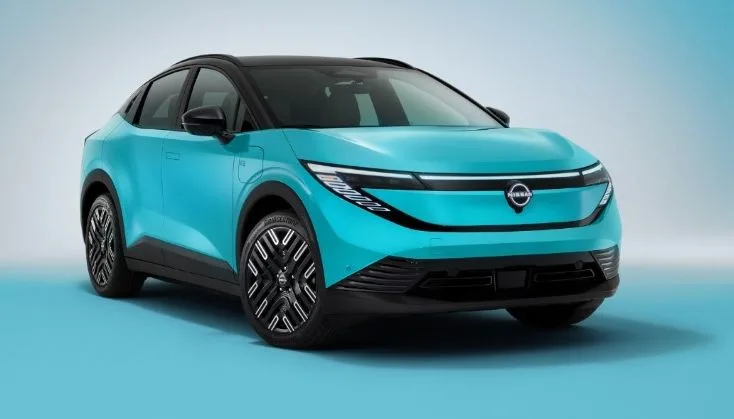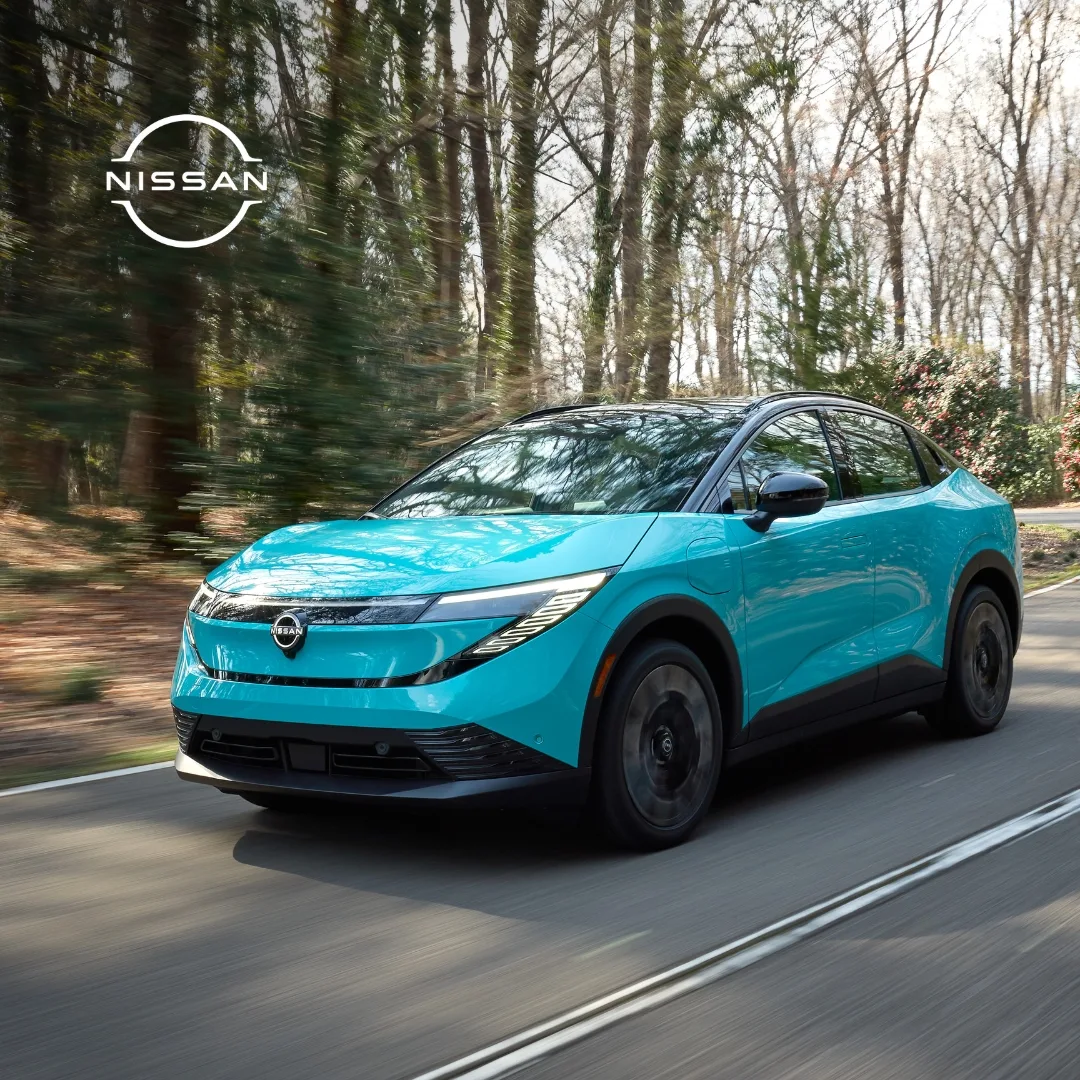











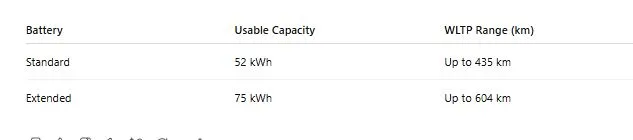
Nissan today unveiled the third generation of its British-built LEAF, featuring a dramatically increased driving range, faster charging capability and a host of connectivity features aimed at addressing common electric-vehicle concerns.
The new LEAF delivers up to 603km on a single charge and, with DC fast-charging of up to 150 kW, can recover 418km of range in just 30 minutes.
For highway cruising, the model sustains more than 330km at 130kph, enabling cross-country trips with charging stops that add minimal delay compared with internal-combustion rivals.
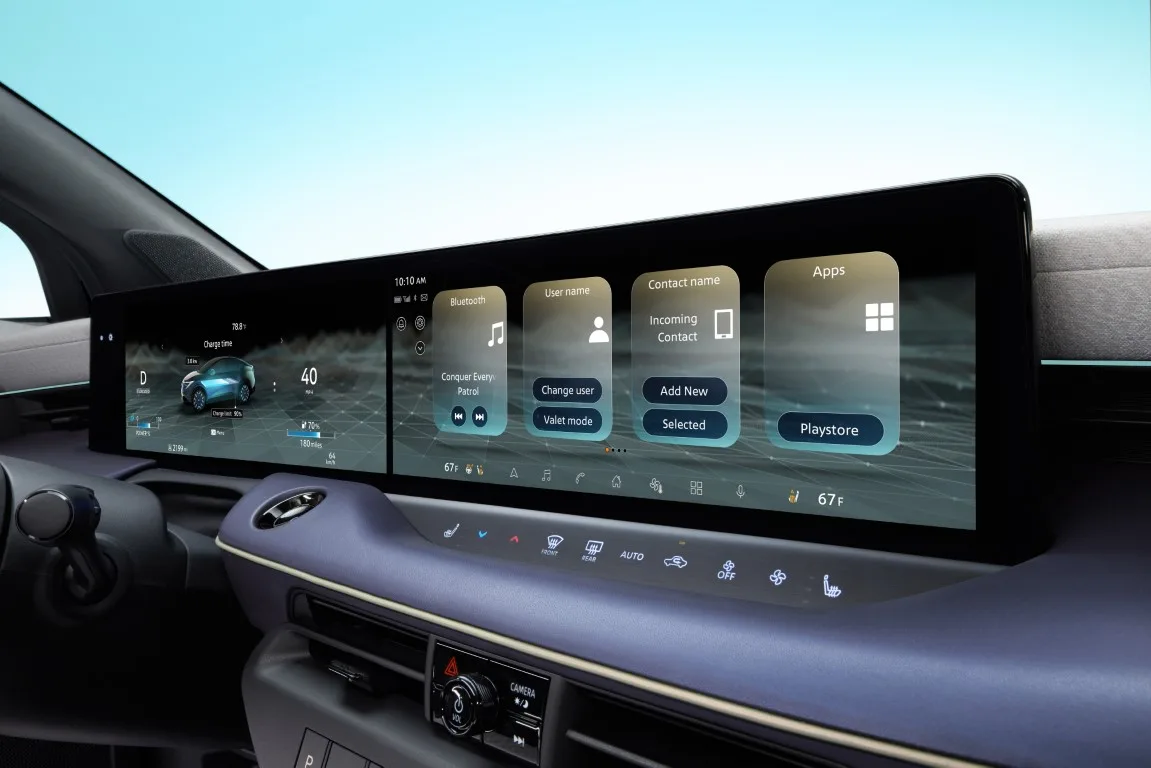
Intelligent battery thermal management works alongside an in-car Google Maps route planner to pre-condition the battery ahead of charging points, optimising both speed and efficiency.
Under its sculpted exterior, the LEAF sits on Nissan’s CMF-EV modular platform and employs MacPherson front suspension with a multi-link rear setup for balanced ride comfort and handling.
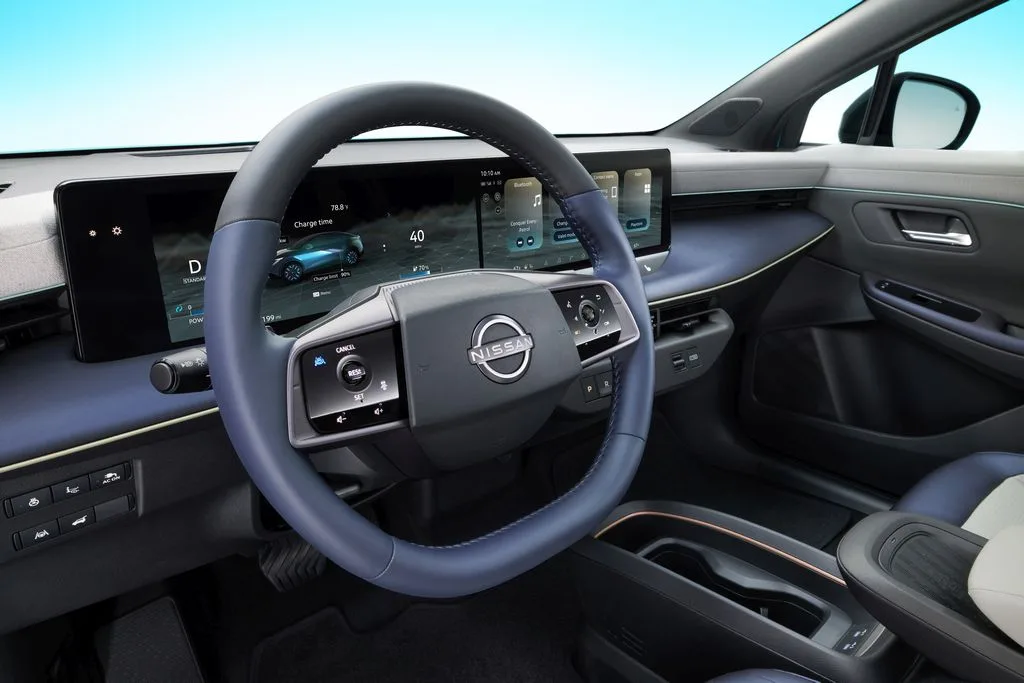
Key driver aids include ProPILOT Assist with Navi-link for adaptive highway speed control, e-Pedal Step with adjustable regen-braking via paddle shifters or automatic Intelligent Distance Control, and a 3D eight-point Around View Monitor.
Optional invisible-hood and front wide-view cameras aid urban manoeuvres, while standard safety equipment comprises Intelligent Cruise Control, Lane Keep Assist and a Driver Monitor System.
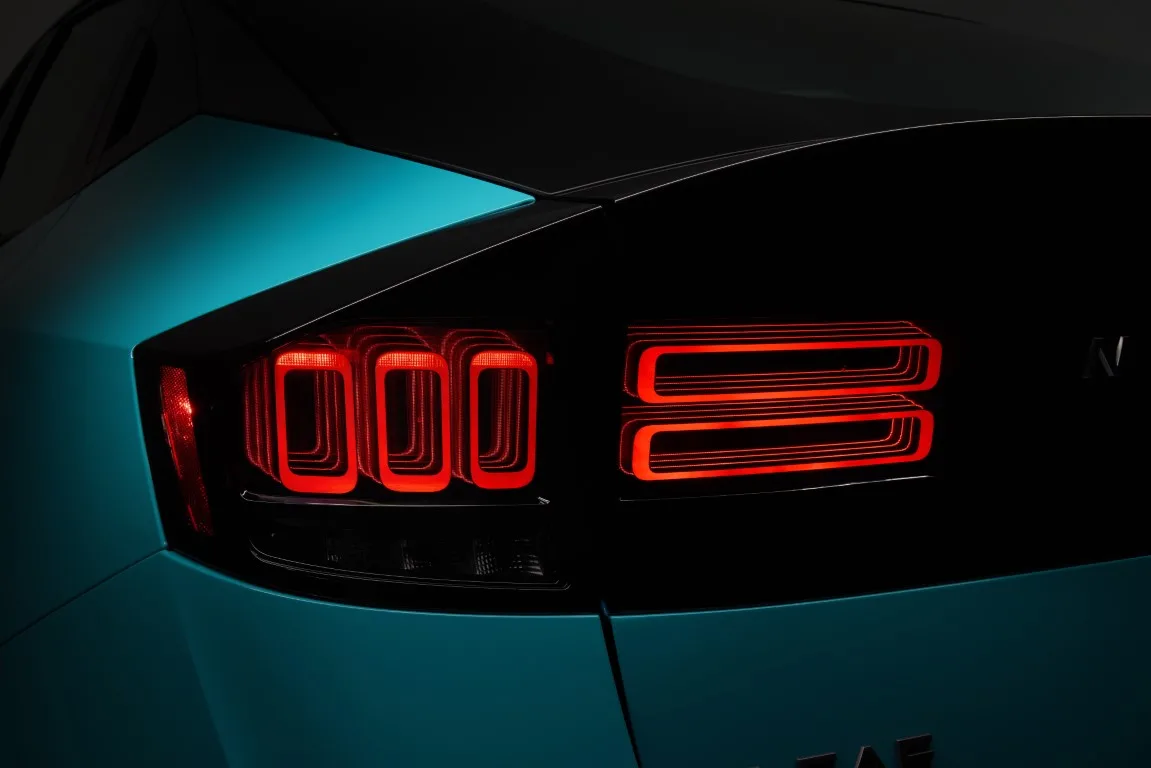
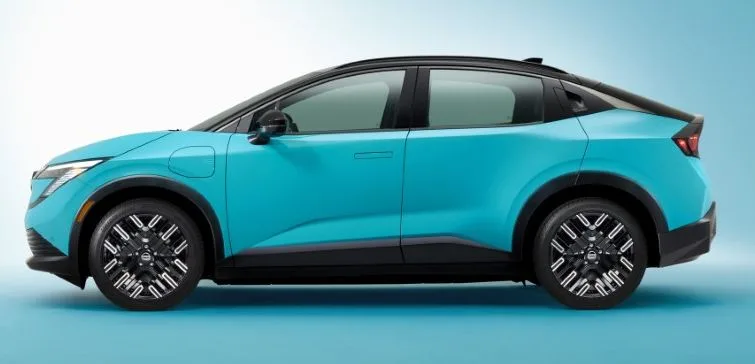
Designed at Nissan’s Global Design Studio in Atsugi, Japan, the new LEAF combines aerodynamic efficiency — with a drag coefficient of just 0.25—and family-friendly practicality.

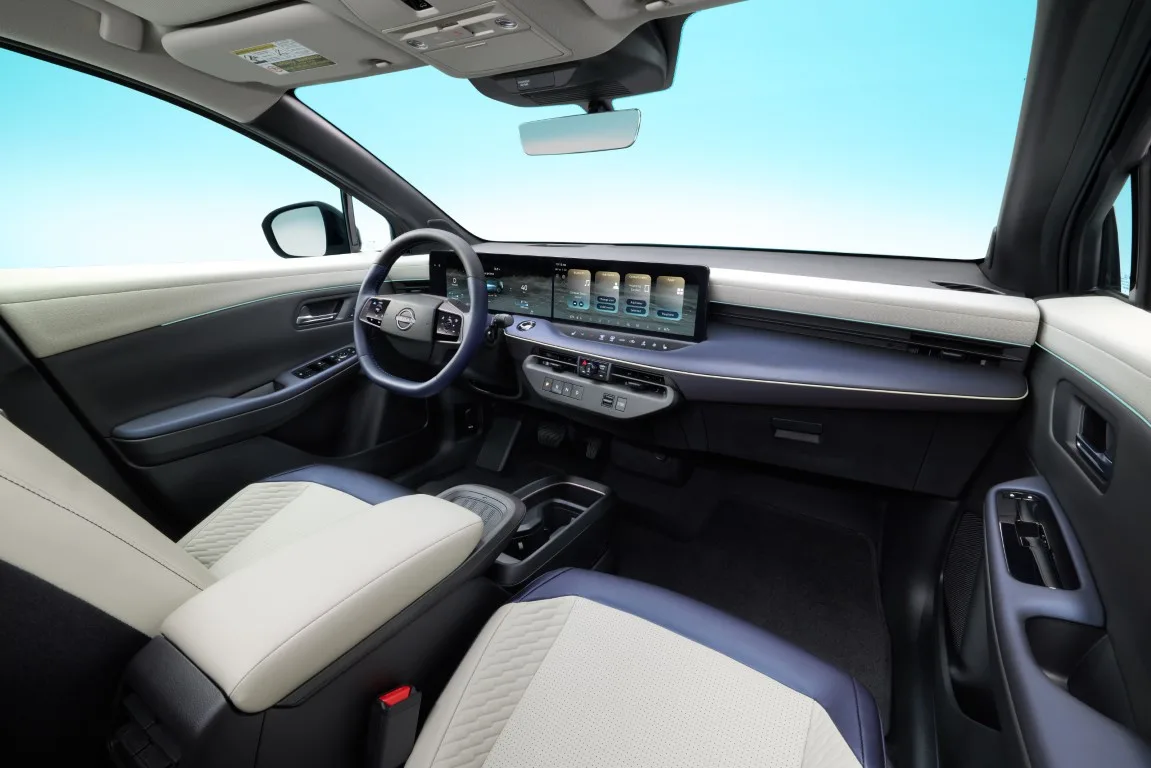
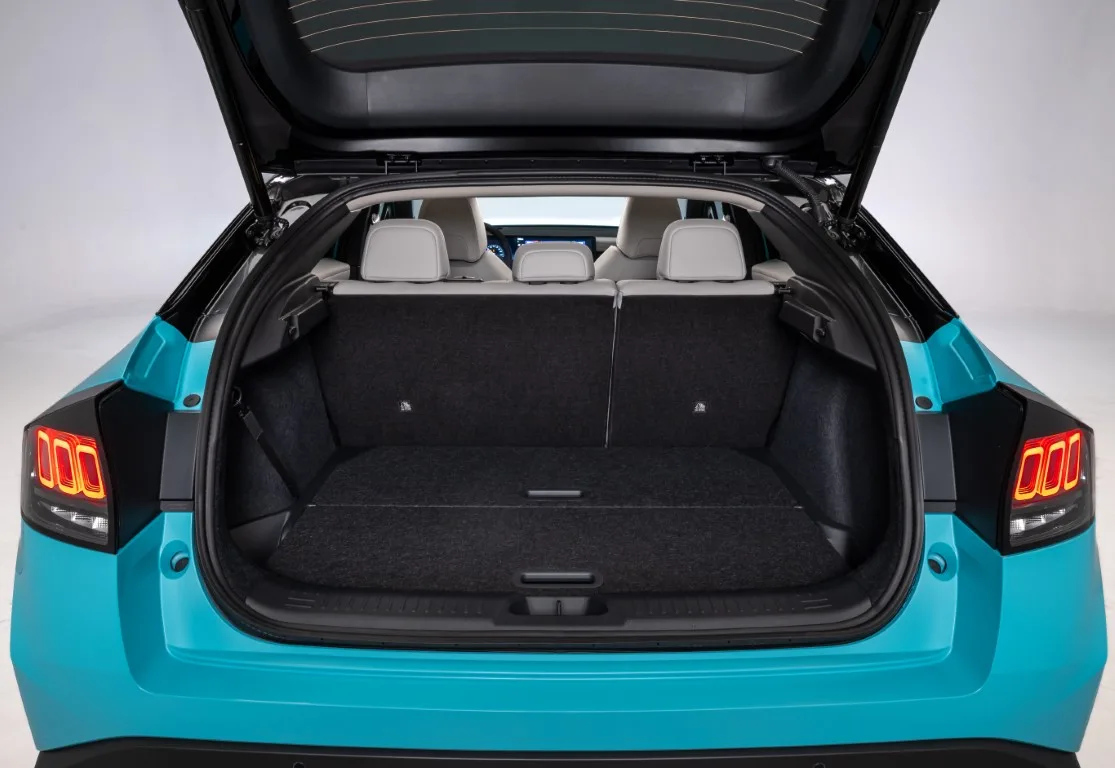
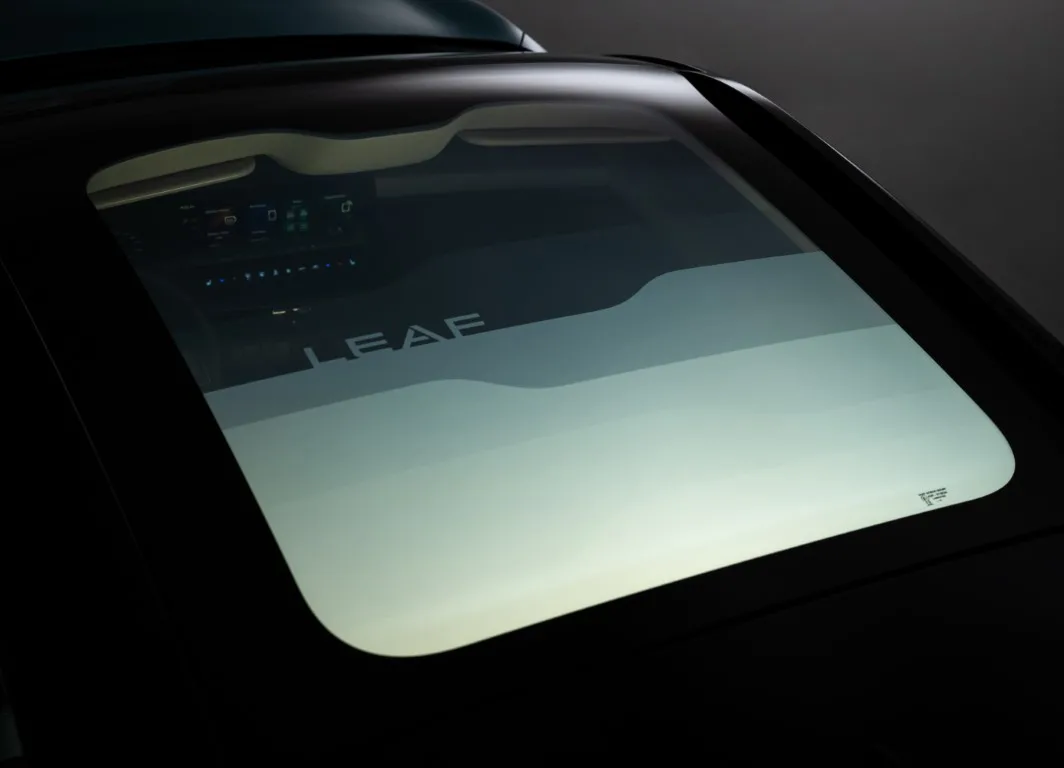
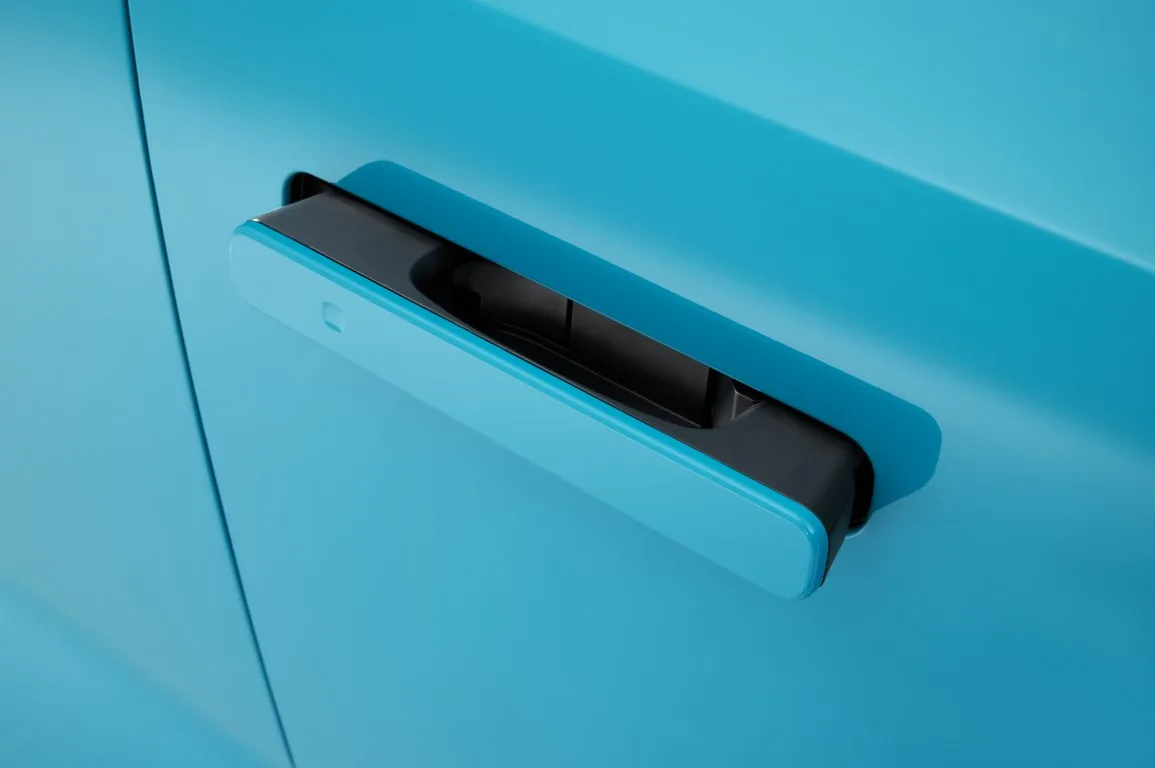
Flush door handles, a flowing roofline, full underfloor cover and sculpted surfaces reduce air resistance, while a spacious cabin offers clear sightlines, ambient lighting and up to 437 litres of cargo space.
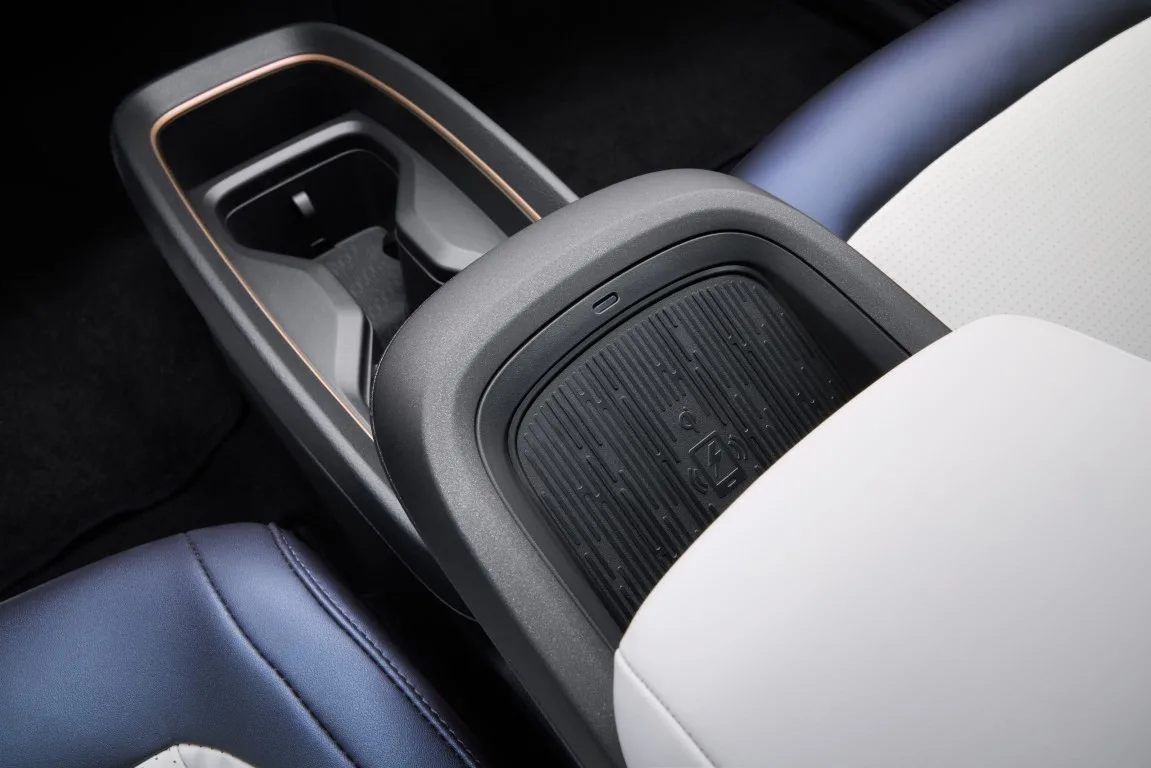
A power tailgate and optional roof rails enhance versatility. Interior trims are available in black or white with purple accents, and seven exterior colours include the signature Luminous Teal. Wheel options range from 18-inch alloys with 195 tyres to 19-inch rims shod in 235/45 R19 rubber, all optimised for airflow.
Behind this launch lies Nissan’s broader effort to reinvigorate the LEAF — its pioneering mass-market EV, with nearly 700,000 sales since 2010 — and bolster the company’s turnaround under CEO Ivan Espinosa.
Having struggled to sustain momentum after the LEAF’s initial success and only introducing a second EV in 2022, Nissan has embarked on a rescue plan centred on cost cuts, factory closures and a fresher product line.
Europe has been the LEAF’s strongest market, accounting for 286,200 units sold, followed by North America at 221,300 and Japan at 186,200; it has never been offered in China and remains absent from that market.
Production will take place at Sunderland in the UK and Tochigi in Japan, with the new model slated to reach the US this autumn.