


The massive damage caused by an Aug 1 electric vehicle (EV) fire in Incheon has galvanised the South Korean government to speed up an electric vehicle battery certification programme.
The People Power Party said today the programme would start in October instead of latter in a move to ease public safety concerns.
Electric car makers are also required to reveal the source and type of batteries used in their cars.
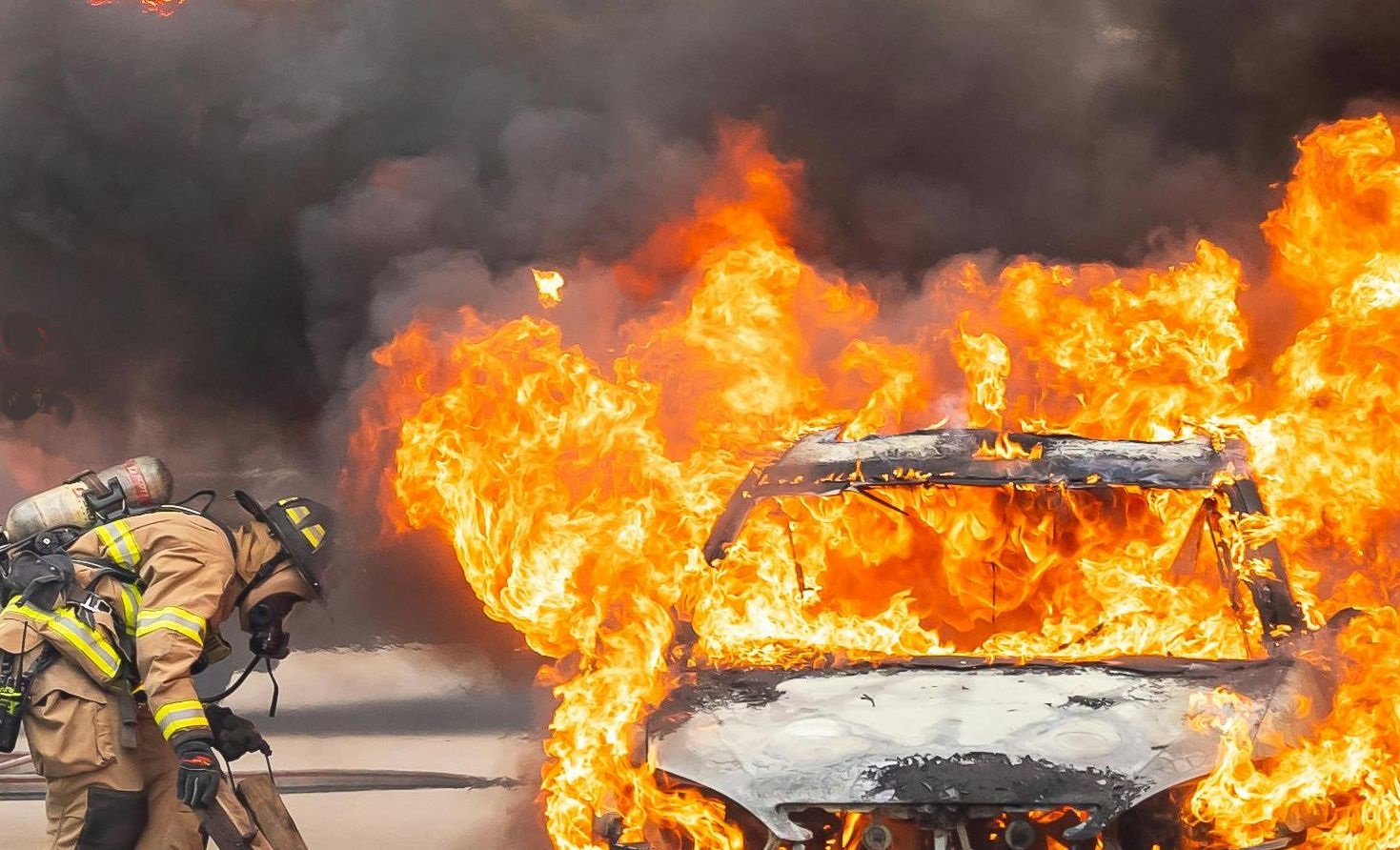
The Aug 1 fire appeared to have been sparked by a parked Mercedes-Benz EQE using a battery made by China’s Farasis Energy. The fire burnt for eight hours before it was put out and destroyed or damaged around 140 other cars in the underground parking lot of an apartment complex.
The government had urged automakers to disclose battery information following the Aug 1 fire. In the days following the incident, Hyundai, Kia, BMW and Mercedes-Benz did so on their respective websites.
The fallout of the fire have extended beyond immediate safety concerns, triggering a mass sell-off of electric vehicles in the South Korean market.
According to reports, there was a 184% increase in used EV listings in the first week of August compared to the previous week, with platforms like K Car and SK Encar seeing a surge in the number of Mercedes-Benz EQE models being put up for sale.
This has led to a sharp decline in the resale value of these vehicles, reflecting widespread public anxiety.
Apart from the certification program, the government is also carrying out a series of additional safety measures aimed at preventing future fires.
These measures include revising fire equipment regulations to require the installation of wet pipe sprinkler systems in underground parking lots with EV charging stations and expanding the availability of chargers that prevent overcharging, which has been identified as a potential trigger for battery fires.
Despite these efforts, experts remain divided on the effectiveness of simply identifying battery manufacturers as a safety measure.
While it may give consumers more information, there is still a lack of definitive data on which battery brands are more prone to fires.
Moreover, the unique challenges posed by EV fires, such as their tendency to reignite and the difficulty in putting them out, highlight the need for more comprehensive safety protocols.
The dense urban setting in South Korea also heightens the risks associated with EV fires.
The government is exploring further measures to enhance fire safety, including the development of better battery management systems and early warning mechanisms.