

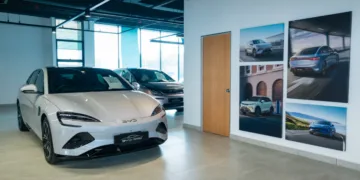
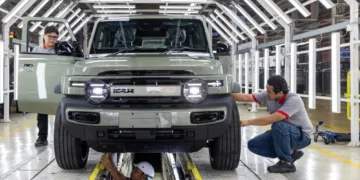
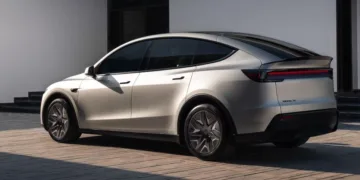
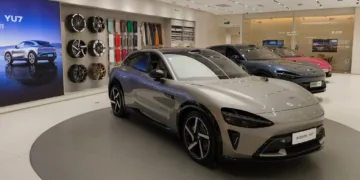
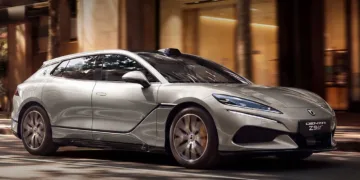




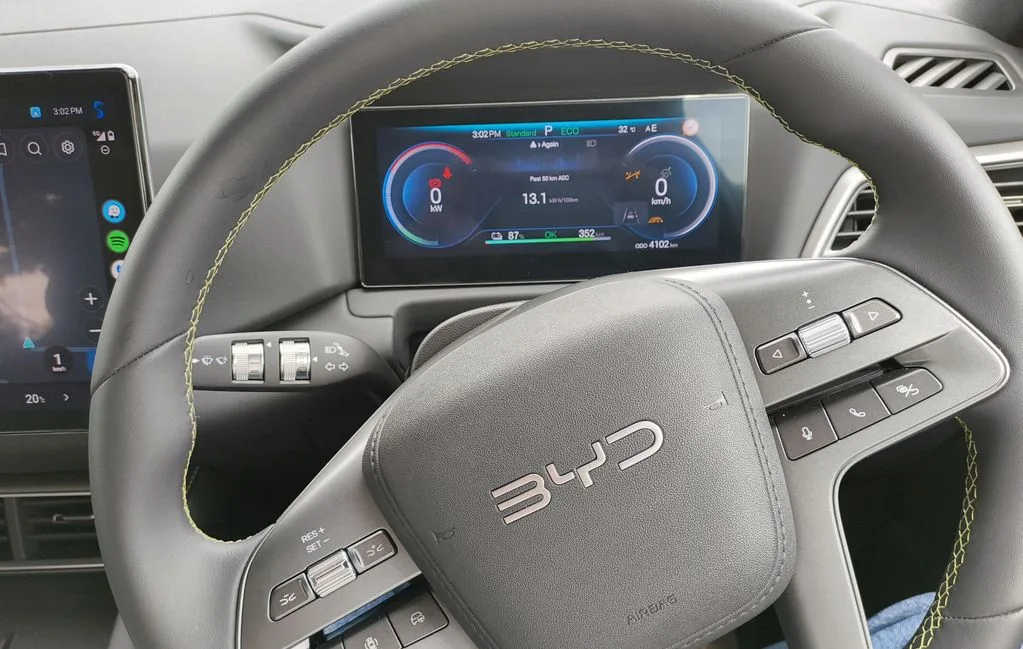
Chinese carmakers are poised to step in as buyers of distressed European plants and “saviours” of factory jobs — a move that could ultimately cement their dominance over Europe’s car market, former Stellantis chief Carlos Tavares has warned.
Speaking after a year out of the spotlight, Tavares said Chinese groups were scouting Europe for assets on the brink, ready to win political goodwill by preserving employment while tightening their grip on the industry.
He made the remarks in an interview with the Financial Times, which first reported his comments.
He argued Europe’s turbulence — stricter emissions rules, a messy trade fight and shifting EV policies — is opening doors for acquirers from China.
When demonstrations loom and closures are imminent, a Chinese bidder can arrive with a promise to keep plants running, he said. “There are lots of nice windows being opened up for the Chinese,” he added—an irony not lost given his own Leapmotor partnership at Stellantis, where the company took a stake to sell low-cost Chinese EVs in Europe despite higher tariffs.
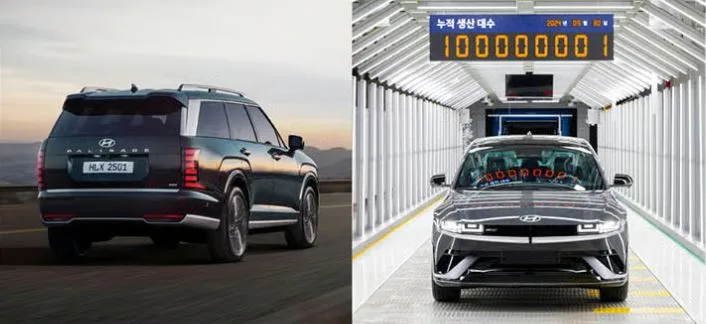
The tie-up exemplifies how Chinese brands are expanding in Europe despite higher tariffs, with ultra-affordable models pushing into the mass market.
Tavares, who helped create Stellantis through the PSA–Fiat Chrysler merger, left the group after strategic disagreements. His warnings focus on distressed plants and struggling manufacturers rather than suggesting premium brands like Volkswagen, BMW or Mercedes-Benz would become Chinese sub-brands.
He has since published a memoir that predicts only a handful of global carmakers would survive the next decade — naming Toyota, Hyundai and at least one Chinese giant such as BYD among the likely winners.
He also questioned whether the EU’s 2035 combustion-engine ban would hold in its current form, calling the policy wasteful.

In a separate set of remarks making waves across tech and auto circles, Tavares suggested Tesla might not exist in 10 years as Chinese competitors scale rapidly and Elon Musk’s focus shifts elsewhere — comments widely picked up by other outlets.
His bleak outlook comes as Europe’s supply base and legacy brands wrestle with overcapacity and the high cost of electrification. Parts giant Forvia has already mapped sizeable job cuts to stay competitive against Chinese rivals, underscoring the pressure across the value chain.
The FT interview paints a picture of a “Darwinian” decade in which Chinese groups build stakes, acquire idle facilities and gain market share, while Western manufacturers argue for flexibility on hybrid technologies after 2035.
Whether Europe leans harder on trade barriers or embraces fresh capital from China, Tavares has a blunt message: jobs may be saved in the short term but market power could be ceded in the process.