








The Toyota Research Institute (TRI) released new findings that said behavioural science-based prompts improved how drivers charged electrified vehicles in the United States and Japan, cutting emissions potential by shifting charging to cleaner hours and increasing plug-in rates.
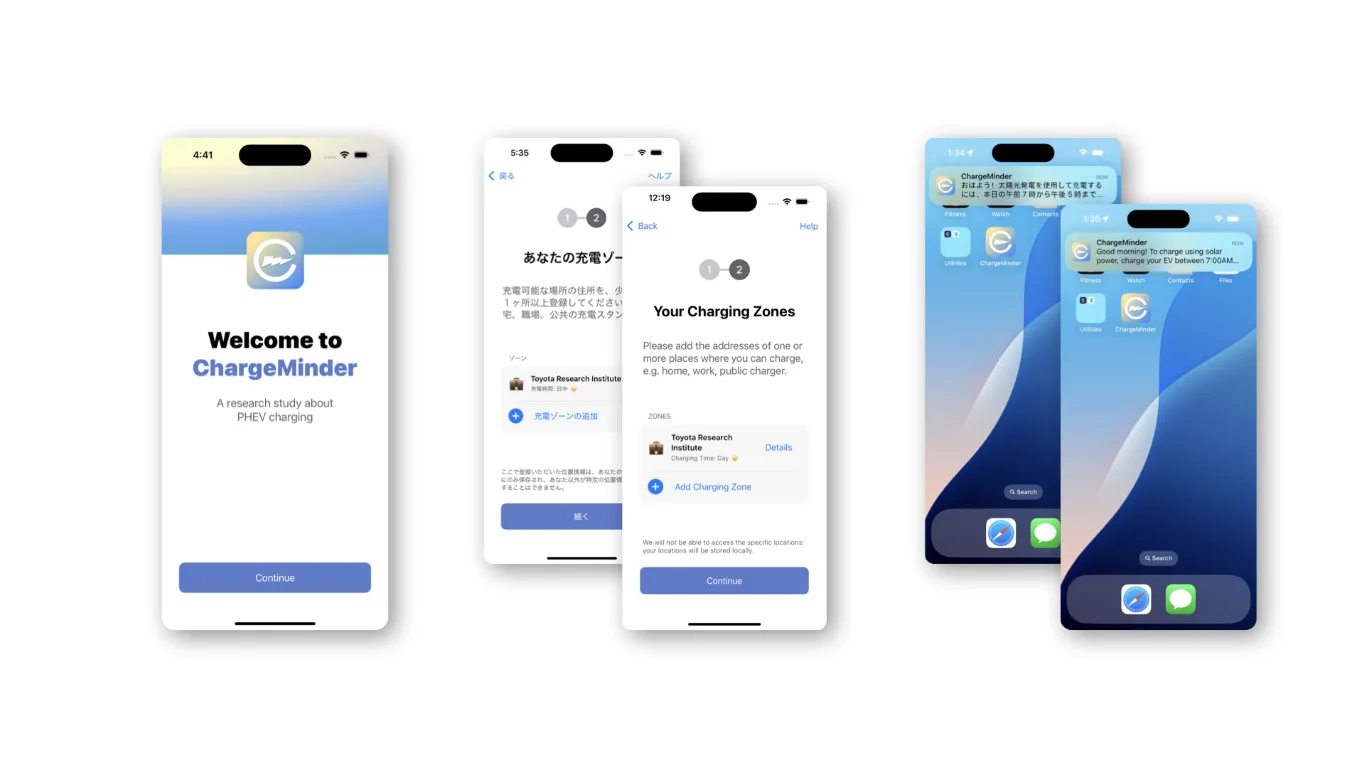
The studies tested ChargeMinder, a prototype app from TRI’s Human-Centred Artificial Intelligence division, in randomised controlled trials involving drivers from 12 brands.
TRI said its work was evidence that driver behaviour, not just technology, determines real-world carbon outcomes for plug-in hybrids (PHEVs) and battery EVs.
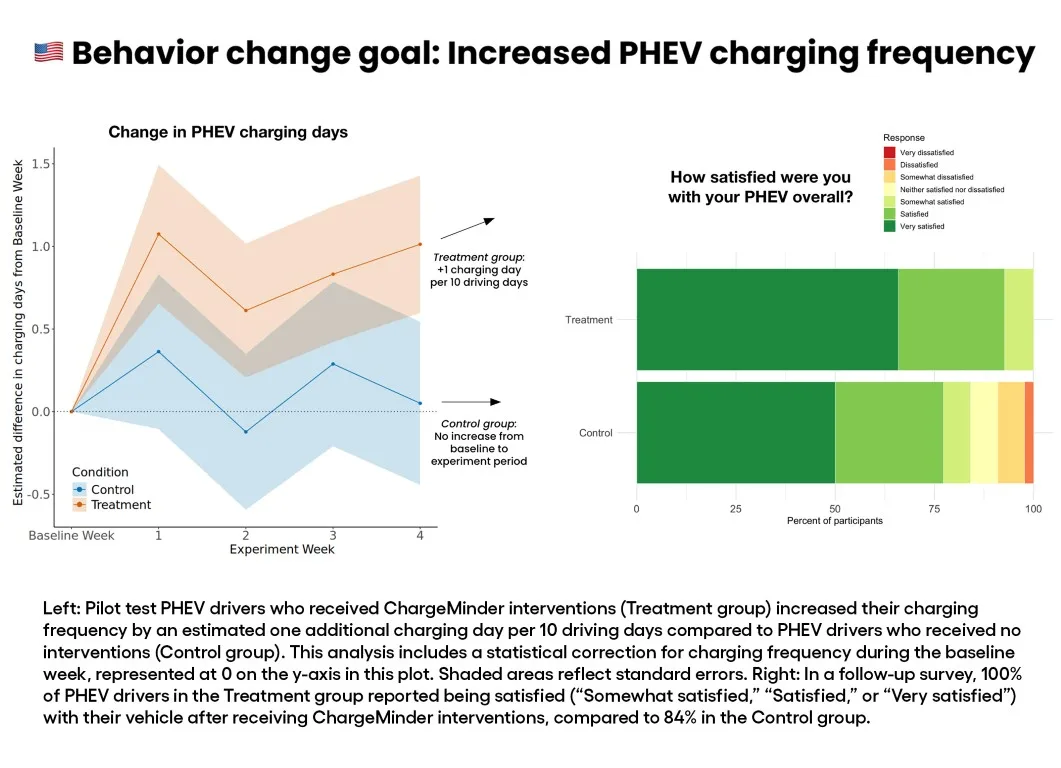
TRI reported that in the US trial, behavioural interventions increased charging among PHEV drivers by 10%.
In Japan, PHEV and BEV users shifted charging to periods with higher renewable generation by 59%, adding nearly 30 minutes of daytime charging per vehicle per day.
The institute also noted a jump in satisfaction among US PHEV drivers: interventions lifted reported satisfaction by 16 percentage points to 100%.
“Technology is not the only way to reduce emissions — people’s choices matter too,” said Toyota’s chief scientist and TRI chief executive Dr Gill Pratt.
ChargeMinder combined several evidence-based tools to influence behaviour.
TRI said “just-in-time” reminders proved up to 50% more effective than generic prompts in laboratory testing.
The app also used positive reinforcement through charging streaks, summaries and encouraging messages, and served short quizzes designed to reinforce learning.

According to TRI, the platform integrated more than a dozen interventions tailored to specific charging goals and delivered them via in-app features and push notifications.
TRI added that ChargeMinder could securely and anonymously make use of user data such as vehicle telematics and charging locations to personalise interventions while preserving privacy.
Dr Laura Libby, who manages carbon neutrality research within TRI’s HCAI group, said behavioural science offered “a powerful, scalable tool” and argued that targeted nudges could be cheaper and faster to deploy than infrastructure programmes or financial incentives.
Next steps would focus on deeper personalisation and data-driven targeting, TRI said, in line with Toyota’s global carbon-neutrality strategy.